

Yardlong beans, mature seeds, raw
Whole food · Legumes and Legume Products

Photo: Wikipedia
Yardlong beans, specifically their mature seeds, are a nutrient-dense legume with a firm, slightly starchy texture and a mild, nutty flavor when raw. They are a powerhouse of plant-based protein and complex carbohydrates, offering a substantial energy source with minimal fat.
Calorie split: 27% protein · 69% carbs · 3% fat
↓ Full nutrition💚 Why it's loved
People love these beans for their hearty, satisfying texture and versatility in absorbing flavors from spices and sauces. They are a staple in many cuisines, valued for their ability to provide substantial nutrition in both simple and elaborate dishes.
⚠️ Watch-outs & how to enjoy it better
Like many legumes, they contain oligosaccharides that can cause gas and bloating in some individuals. To counteract this, soak the beans thoroughly before cooking, and introduce them into your diet gradually. Their high carbohydrate content may also require portion awareness for those monitoring blood sugar.
Key benefits
- Excellent source of plant-based protein (24.33g per 100g).
- High in dietary fiber (11g per 100g) for digestive health.
- Provides sustained energy from complex carbohydrates.
- Low in fat (1.31g per 100g), suitable for low-fat diets.
🍽️ Popular dishes
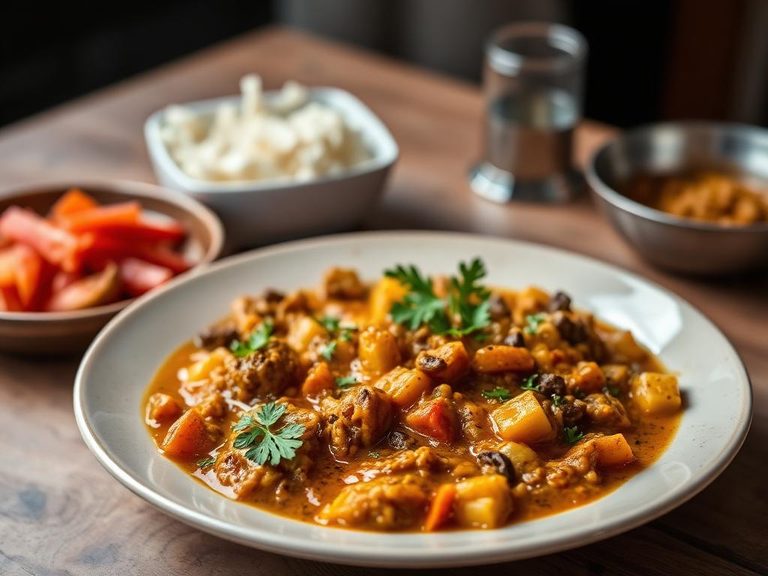
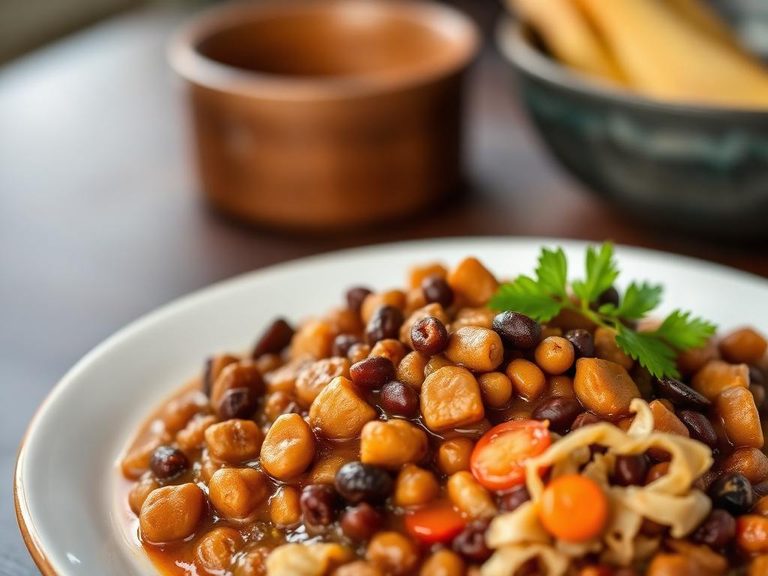
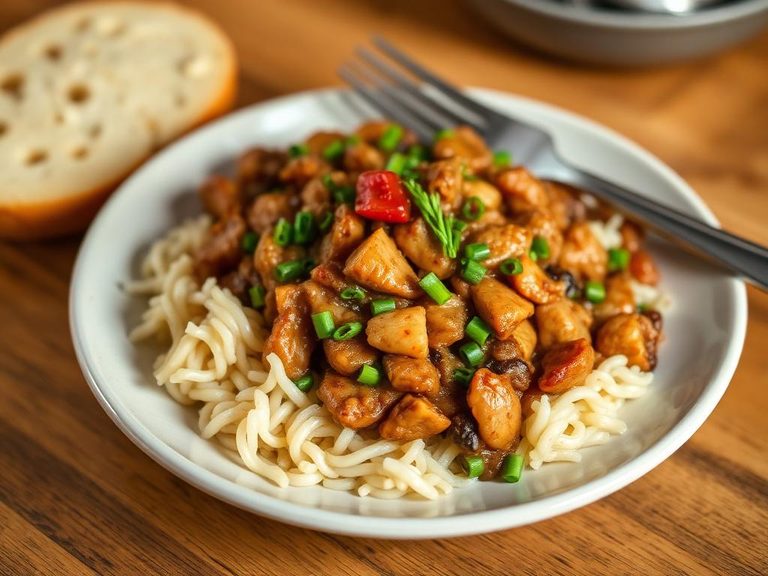
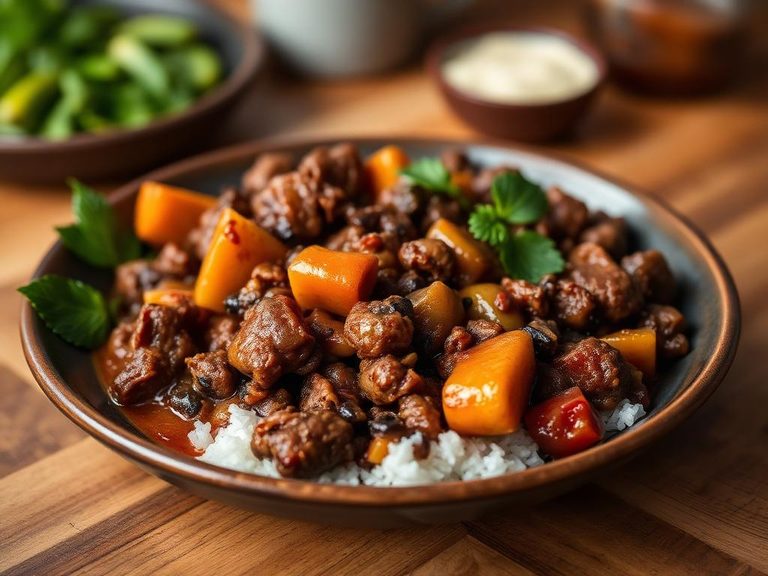
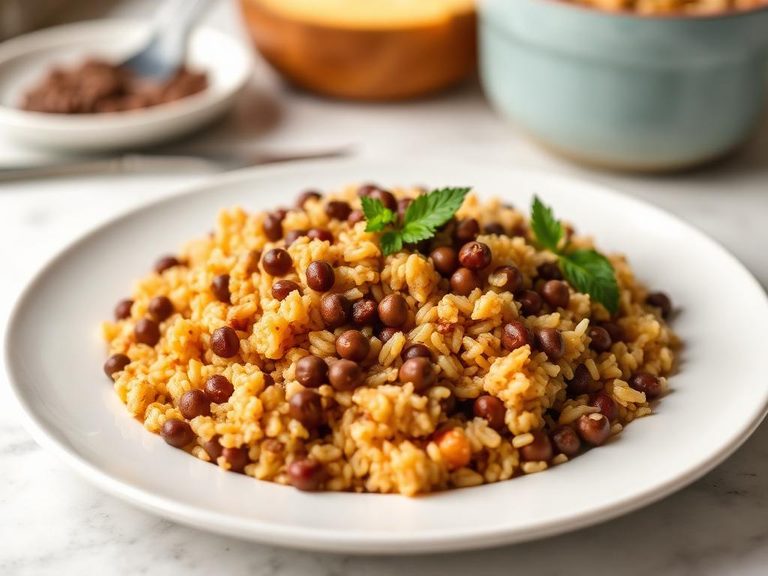
🌍 Where it's eaten
💡 Did you know?
Despite the name 'yardlong,' these beans are typically harvested when the pods are 12-18 inches long; if left to fully mature into the seeds described, the pod becomes inedibly tough and fibrous.
Full nutrition (USDA data · scales with serving)
| Water | 8.4 g |
| Energy | 347 kcal |
| Energy | 1452 kj |
| Protein | 24.3 g |
| Total lipid (fat) | 1.3 g |
| Ash | 4.0 g |
| Carbohydrate, by difference | 61.9 g |
| Fiber, total dietary | 11.0 g |
| Calcium, Ca | 138 mg |
| Iron, Fe | 8.6 mg |
| Magnesium, Mg | 338 mg |
| Phosphorus, P | 559 mg |
| Potassium, K | 1157 mg |
| Sodium, Na | 17.0 mg |
| Zinc, Zn | 3.5 mg |
| Copper, Cu | 0.88 mg |
| Manganese, Mn | 1.6 mg |
| Selenium, Se | 8.2 ug |
| Vitamin C, total ascorbic acid | 1.6 mg |
| Thiamin | 0.89 mg |
| Riboflavin | 0.23 mg |
| Niacin | 2.2 mg |
| Pantothenic acid | 1.6 mg |
| Vitamin B-6 | 0.37 mg |
| Folate, total | 658 ug |
| Folic acid | 0.00 ug |
| Folate, food | 658 ug |
| Folate, DFE | 658 ug |
| Vitamin B-12 | 0.00 ug |
| Vitamin A, RAE | 3.0 ug |
| Retinol | 0.00 ug |
| Vitamin A, IU | 52.0 iu |
| Vitamin D (D2 + D3), International Units | 0.00 iu |
| Vitamin D (D2 + D3) | 0.00 ug |
Fat & fatty acid profile (per 100g)
| Fatty acids, total saturated | 0.34 g |
| SFA 14:0 | 0.00 g |
| SFA 16:0 | 0.32 g |
| SFA 18:0 | 0.02 g |
| Fatty acids, total monounsaturated | 0.11 g |
| MUFA 18:1 | 0.11 g |
| Fatty acids, total polyunsaturated | 0.56 g |
| PUFA 18:2 | 0.31 g |
| PUFA 18:3 | 0.26 g |
| Fatty acids, total trans | 0.00 g |
| Cholesterol | 0.00 mg |
Amino acid profile (per 100g)
| Tryptophan | 0.30 g |
| Threonine | 0.93 g |
| Isoleucine | 0.99 g |
| Leucine | 1.9 g |
| Lysine | 1.6 g |
| Methionine | 0.35 g |
| Cystine | 0.27 g |
| Phenylalanine | 1.4 g |
| Tyrosine | 0.79 g |
| Valine | 1.2 g |
| Arginine | 1.7 g |
| Histidine | 0.76 g |
| Alanine | 1.1 g |
| Aspartic acid | 2.9 g |
| Glutamic acid | 4.6 g |
| Glycine | 1.0 g |
| Proline | 1.1 g |
| Serine | 1.2 g |
FAQ
Are yardlong bean seeds the same as black-eyed peas?
They are very closely related and often used interchangeably in recipes. Both are varieties of the cowpea (Vigna unguiculata). The specific 'yardlong' variety typically has a longer pod, but the mature seeds are nutritionally and culinarily similar.
How should I store them?
For the fresh pods, store unwashed in a plastic bag in the refrigerator crisper for up to a week. For the dried mature seeds, keep them in an airtight container in a cool, dark pantry for up to a year.
Do I need to soak the dried seeds before cooking?
Yes, soaking dried yardlong bean seeds for at least 4-8 hours (or overnight) is recommended. It reduces cooking time, improves digestibility by breaking down gas-causing compounds, and ensures a more even texture.
Nutrient density (calculated · NRF9.3)
Nutrient Rich Foods index: beneficial nutrients (protein, fiber, vitamins, minerals) minus saturated fat, added sugar & sodium, per 100 kcal.
NRF9.3 index — Fulgoni, Keast & Drewnowski, 2009. Computed from USDA nutrients.
Weight-loss friendliness (composite index)
Energy density 3.47 kcal/g · 28% calories from protein · 11.0 g fiber · 0.0 g sugar per 100 g.
Composite of energy density (Rolls et al., 1999), protein & fiber satiety, minus sugar. A calculated heuristic — ranks satiety-per-calorie, not a clinical measure.
Dietary load (calculated from USDA values)
Potential renal acid load. Positive = acid-forming, negative = alkaline-forming.
Sodium-to-potassium ratio: 0.01 (lower is better — aim for ≤ 1)
Sodium:potassium per WHO potassium guidance. Computed from USDA nutrients.