

Winged beans, mature seeds, cooked, boiled, without salt
Whole food · Legumes and Legume Products

Photo: Wikipedia
Winged beans are tropical legumes whose mature seeds, when boiled, transform into firm, slightly chewy morsels with a nutty, earthy flavor reminiscent of soybeans. Their nutritional profile is a powerhouse, delivering a substantial 10.62 grams of protein and a healthy dose of fats per 100g, making them a rare, calorie-dense plant protein source.
Calorie split: 27% protein · 39% carbs · 34% fat
↓ Full nutrition💚 Why it's loved
People love winged beans for their unique, hearty texture that holds up beautifully in stews and curries, absorbing flavors while maintaining a satisfying bite. They are a cherished staple in many tropical cuisines, valued for their ability to provide complete nutrition from a single plant.
⚠️ Watch-outs & how to enjoy it better
The primary caution is their carbohydrate content (14.94g per 100g), which could affect blood sugar if consumed in very large portions without balancing foods. To mitigate this, pair them with non-starchy vegetables and a source of fat or protein in the same meal to slow digestion. They are also a legume, so individuals with specific legume sensitivities should introduce them gradually.
Key benefits
- Excellent source of plant-based protein
- Provides healthy fats for sustained energy
- Rich in essential minerals like potassium and magnesium
- Supports stable blood sugar due to low glycemic impact
- Versatile ingredient for both savory and sweet dishes
🍽️ Popular dishes
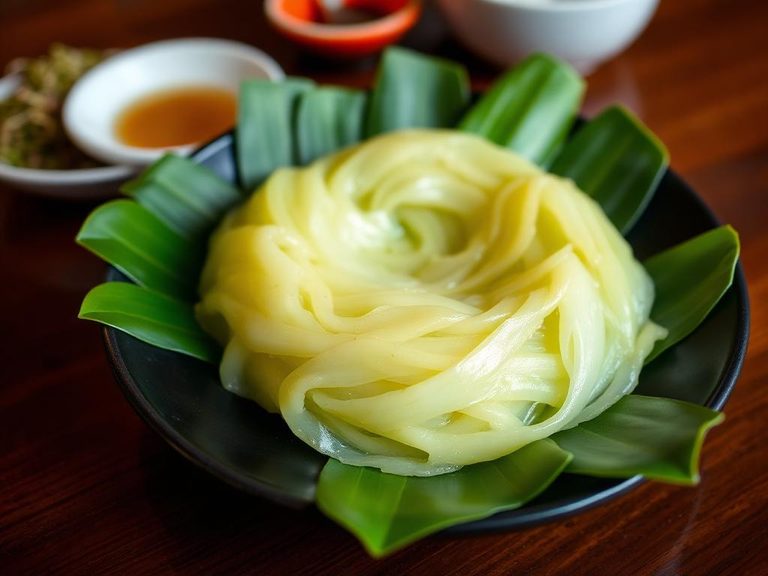
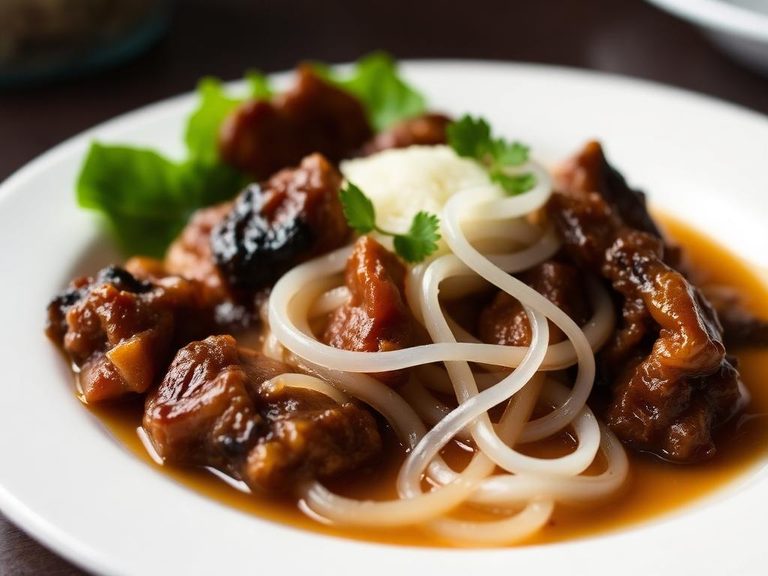

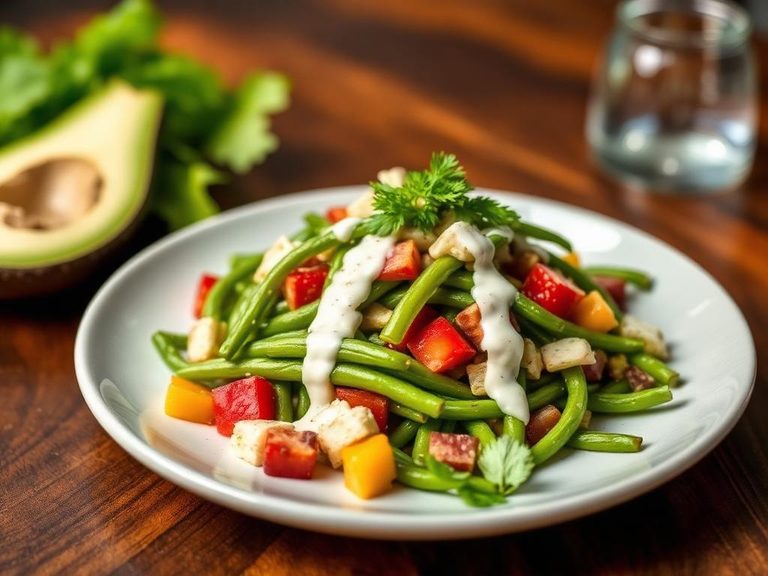
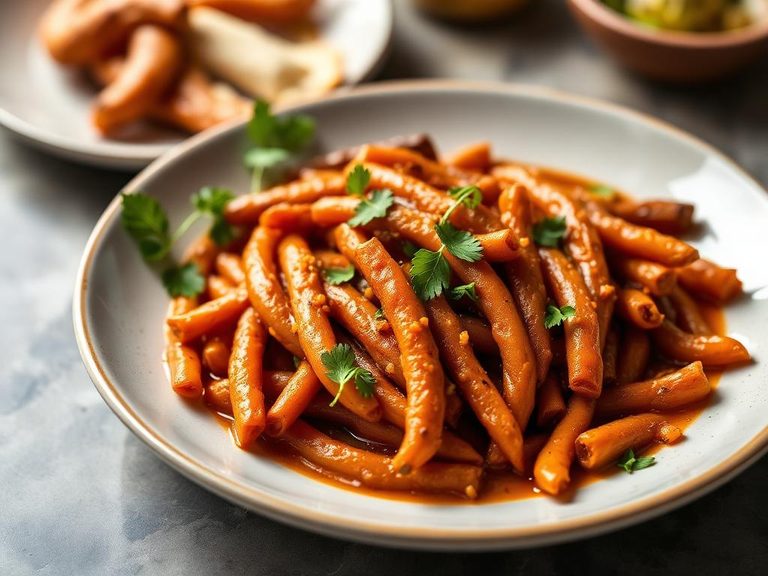
🌍 Where it's eaten
💡 Did you know?
Unlike most beans, the entire winged bean plant is edible—the leaves, flowers, young pods, and even the tuberous roots can be consumed, making it a true 'super crop' in its native regions.
Full nutrition (USDA data · scales with serving)
| Water | 67.2 g |
| Energy | 147 kcal |
| Energy | 615 kj |
| Protein | 10.6 g |
| Total lipid (fat) | 5.8 g |
| Ash | 1.4 g |
| Carbohydrate, by difference | 14.9 g |
| Calcium, Ca | 142 mg |
| Iron, Fe | 4.3 mg |
| Magnesium, Mg | 54.0 mg |
| Phosphorus, P | 153 mg |
| Potassium, K | 280 mg |
| Sodium, Na | 13.0 mg |
| Zinc, Zn | 1.4 mg |
| Copper, Cu | 0.77 mg |
| Manganese, Mn | 1.2 mg |
| Selenium, Se | 2.9 ug |
| Vitamin C, total ascorbic acid | 0.00 mg |
| Thiamin | 0.29 mg |
| Riboflavin | 0.13 mg |
| Niacin | 0.83 mg |
| Pantothenic acid | 0.16 mg |
| Vitamin B-6 | 0.05 mg |
| Folate, total | 10.0 ug |
| Folic acid | 0.00 ug |
| Folate, food | 10.0 ug |
| Folate, DFE | 10.0 ug |
| Vitamin B-12 | 0.00 ug |
| Vitamin A, RAE | 0.00 ug |
| Retinol | 0.00 ug |
| Vitamin A, IU | 0.00 iu |
| Vitamin D (D2 + D3), International Units | 0.00 iu |
| Vitamin D (D2 + D3) | 0.00 ug |
Fat & fatty acid profile (per 100g)
| Fatty acids, total saturated | 0.82 g |
| SFA 14:0 | 0.01 g |
| SFA 16:0 | 0.45 g |
| SFA 18:0 | 0.27 g |
| Fatty acids, total monounsaturated | 2.2 g |
| MUFA 16:1 | 0.02 g |
| MUFA 18:1 | 2.0 g |
| MUFA 20:1 | 0.11 g |
| Fatty acids, total polyunsaturated | 1.6 g |
| PUFA 18:2 | 1.5 g |
| PUFA 18:3 | 0.09 g |
| Fatty acids, total trans | 0.00 g |
| Cholesterol | 0.00 mg |
Amino acid profile (per 100g)
| Tryptophan | 0.23 g |
| Threonine | 0.36 g |
| Isoleucine | 0.45 g |
| Leucine | 0.76 g |
| Lysine | 0.65 g |
| Methionine | 0.11 g |
| Cystine | 0.17 g |
| Phenylalanine | 0.44 g |
| Tyrosine | 0.45 g |
| Valine | 0.47 g |
| Arginine | 0.58 g |
| Histidine | 0.24 g |
| Alanine | 0.32 g |
| Aspartic acid | 0.97 g |
| Glutamic acid | 1.2 g |
| Glycine | 0.35 g |
| Proline | 0.59 g |
| Serine | 0.38 g |
FAQ
How do I prepare dried winged bean seeds?
Soak them in water for 8-12 hours or overnight. Drain, then boil in fresh water for 45-60 minutes until tender but still firm, similar to cooking other dried beans.
What does a winged bean taste like?
The mature seeds have a nutty, earthy flavor similar to soybeans or peanuts, with a dense, slightly chewy texture that is less starchy than many other beans.
Can I eat winged beans raw?
Only the young, tender pods and leaves are sometimes eaten raw in salads. The mature seeds must always be cooked thoroughly to be digestible and safe.
Nutrient density (calculated · NRF9.3)
Nutrient Rich Foods index: beneficial nutrients (protein, fiber, vitamins, minerals) minus saturated fat, added sugar & sodium, per 100 kcal.
NRF9.3 index — Fulgoni, Keast & Drewnowski, 2009. Computed from USDA nutrients.
Weight-loss friendliness (composite index)
Energy density 1.47 kcal/g · 29% calories from protein · 0.0 g fiber · 0.0 g sugar per 100 g.
Composite of energy density (Rolls et al., 1999), protein & fiber satiety, minus sugar. A calculated heuristic — ranks satiety-per-calorie, not a clinical measure.
Dietary load (calculated from USDA values)
Potential renal acid load. Positive = acid-forming, negative = alkaline-forming.
Sodium-to-potassium ratio: 0.05 (lower is better — aim for ≤ 1)
Sodium:potassium per WHO potassium guidance. Computed from USDA nutrients.