

Wild rice, dry, raw
Whole food · Cereal Grains and Pasta
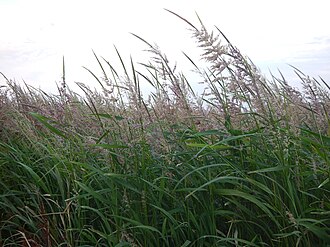
Photo: Wikipedia
Wild rice is not true rice but the seed of an aquatic grass, prized for its long, slender, dark grains and a distinctive nutty, smoky flavor with a chewy, slightly popped texture. Nutritionally, it is a powerhouse, offering a high protein content of nearly 13g per 100g dry and a robust fiber profile, making it far more nutrient-dense than many white rice varieties. Its unique, earthy taste and firm bite make it a standout ingredient in both hearty and elegant dishes.
Calorie split: 14% protein · 82% carbs · 4% fat
↓ Full nutrition💚 Why it's loved
People love wild rice for its deep, nutty flavor and satisfyingly chewy texture, which adds a gourmet touch to soups, salads, and pilafs. It is also celebrated for its cultural significance, particularly in North American Indigenous cuisines, where it is a traditional and revered food.
⚠️ Watch-outs & how to enjoy it better
Its long cooking time (45-60 minutes) and firm texture can be off-putting to those accustomed to softer, quicker-cooking grains. While nutritious, its high carbohydrate content (75.67g per 100g dry) means portion control is key for managing blood sugar, and it should be paired with protein or healthy fats to slow digestion.
Key benefits
- High in plant-based protein (12.8g per 100g dry)
- Excellent source of dietary fiber (4.3g per 100g dry)
- Rich in minerals like manganese, phosphorus, and magnesium
- Naturally gluten-free and low in fat
- Provides complex carbohydrates for sustained energy
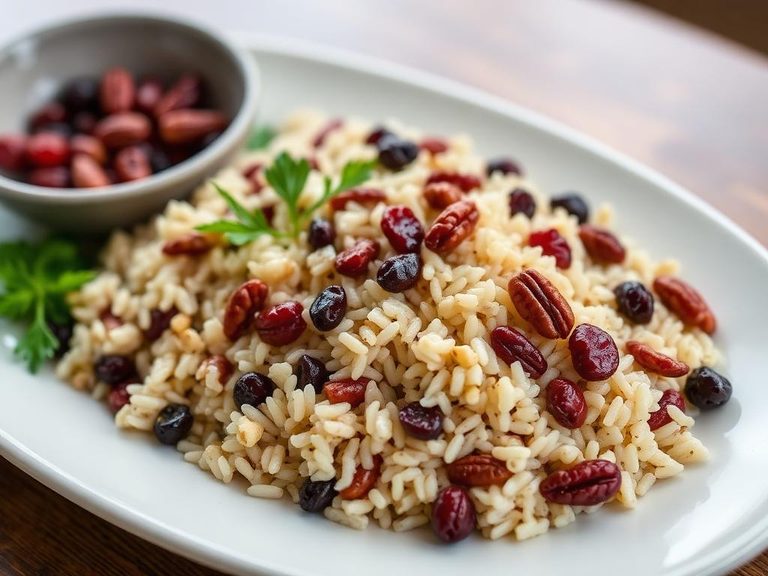
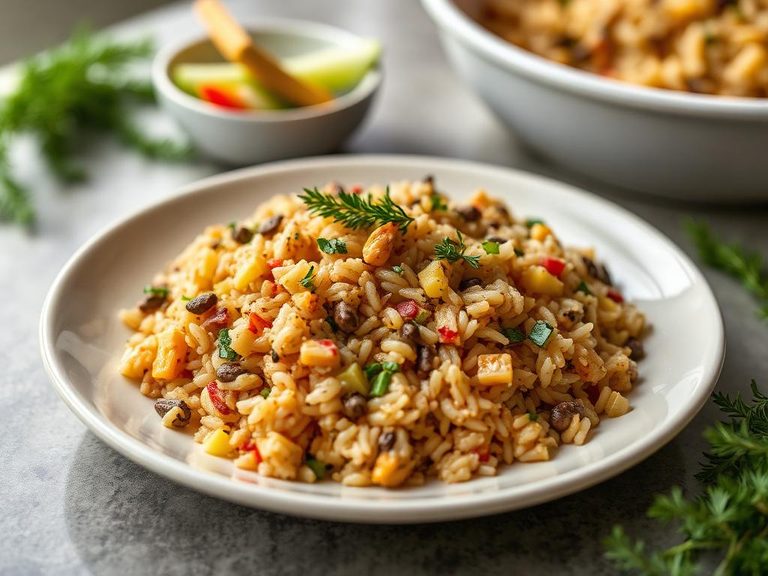
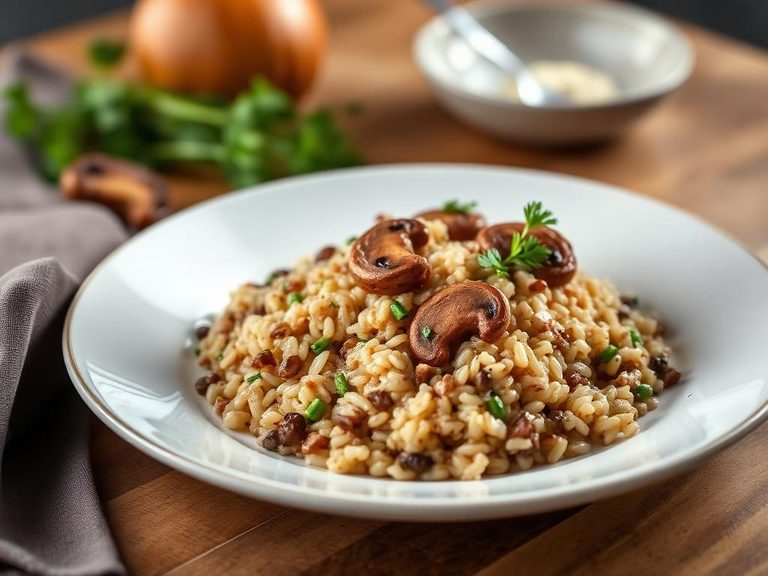
🍽️ Popular dishes
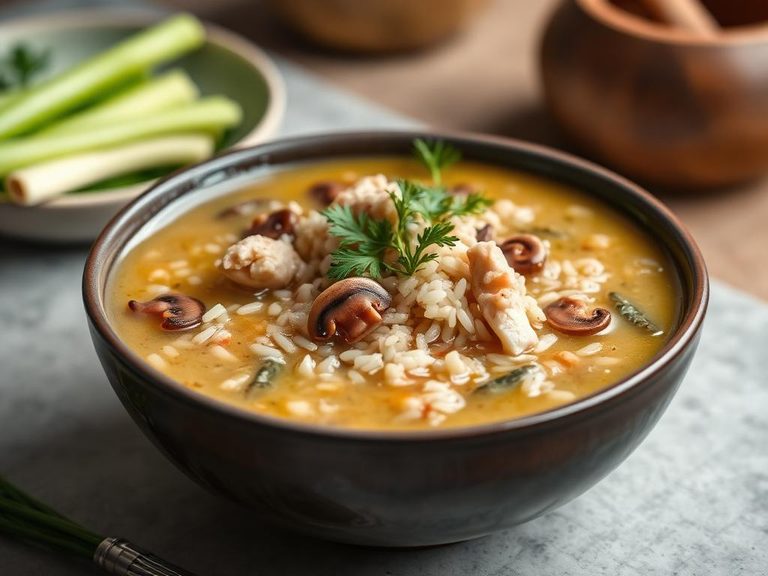
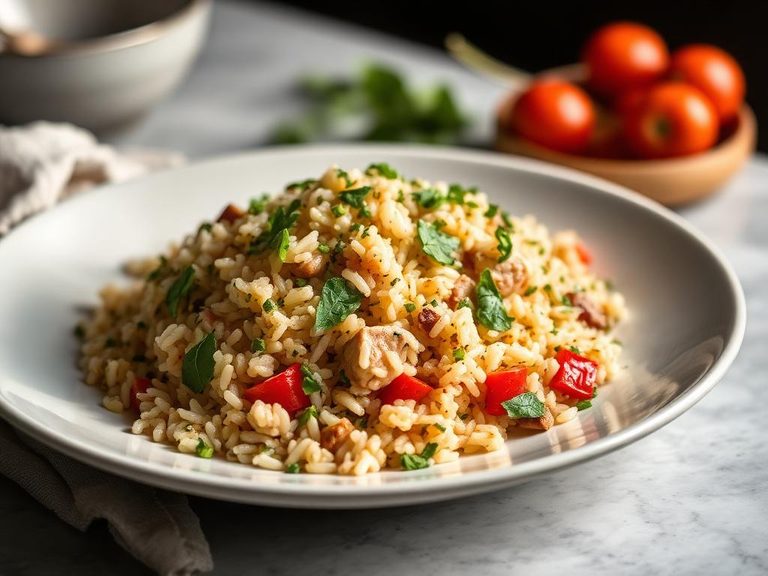
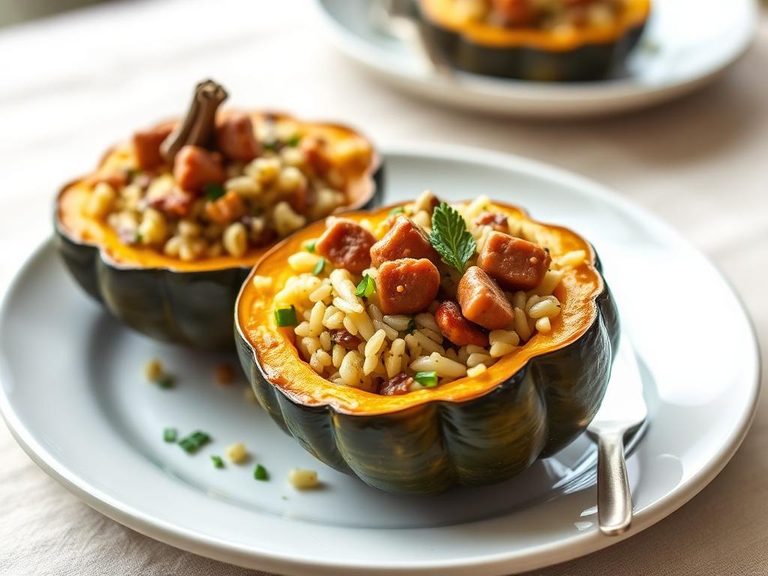
🌍 Where it's eaten
💡 Did you know?
Wild rice is technically not a rice at all but the seed of the aquatic grass Zizania palustris, and it is the only grain native to North America.
Full nutrition (USDA data · scales with serving)
| Water | 8.4 g |
| Energy (Atwater General Factors) | 369 kcal |
| Energy (Atwater Specific Factors) | 359 kcal |
| Nitrogen | 2.0 g |
| Protein | 12.8 g |
| Total lipid (fat) | 1.7 g |
| Ash | 1.4 g |
| Carbohydrate, by difference | 75.7 g |
| Fiber, total dietary | 4.3 g |
| Starch | 68.7 g |
| Calcium, Ca | 8.0 mg |
| Iron, Fe | 1.5 mg |
| Magnesium, Mg | 109 mg |
| Phosphorus, P | 355 mg |
| Potassium, K | 299 mg |
| Sodium, Na | 1.0 mg |
| Zinc, Zn | 5.8 mg |
| Copper, Cu | 0.49 mg |
| Manganese, Mn | 1.3 mg |
| Thiamin | 0.34 mg |
| Niacin | 6.9 mg |
| Vitamin B-6 | 0.39 mg |
| Biotin | 2.1 ug |
Fat & fatty acid profile (per 100g)
Estimated from Wild rice, cooked — USDA does not publish this profile for Wild rice.
| Fatty acids, total saturated | 0.05 g |
| SFA 4:0 | 0.00 g |
| SFA 6:0 | 0.00 g |
| SFA 8:0 | 0.00 g |
| SFA 10:0 | 0.00 g |
| SFA 12:0 | 0.00 g |
| SFA 14:0 | 0.00 g |
| SFA 16:0 | 0.05 g |
| SFA 18:0 | 0.00 g |
| Fatty acids, total monounsaturated | 0.05 g |
| MUFA 16:1 | 0.00 g |
| MUFA 18:1 | 0.05 g |
| MUFA 20:1 | 0.00 g |
| MUFA 22:1 | 0.00 g |
| Fatty acids, total polyunsaturated | 0.21 g |
| PUFA 18:2 | 0.12 g |
| PUFA 18:3 | 0.10 g |
| PUFA 18:4 | 0.00 g |
| PUFA 20:4 | 0.00 g |
| PUFA 20:5 n-3 (EPA) | 0.00 g |
| PUFA 22:5 n-3 (DPA) | 0.00 g |
| PUFA 22:6 n-3 (DHA) | 0.00 g |
| Cholesterol | 0.00 mg |
Amino acid profile (per 100g)
Estimated from Wild rice, cooked — USDA does not publish this profile for Wild rice.
| Tryptophan | 0.05 g |
| Threonine | 0.13 g |
| Isoleucine | 0.17 g |
| Leucine | 0.28 g |
| Lysine | 0.17 g |
| Methionine | 0.12 g |
| Cystine | 0.05 g |
| Phenylalanine | 0.20 g |
| Tyrosine | 0.17 g |
| Valine | 0.23 g |
| Arginine | 0.31 g |
| Histidine | 0.10 g |
| Alanine | 0.22 g |
| Aspartic acid | 0.38 g |
| Glutamic acid | 0.69 g |
| Glycine | 0.18 g |
| Proline | 0.14 g |
| Serine | 0.21 g |
FAQ
Is wild rice gluten-free?
Yes, wild rice is naturally gluten-free, making it a safe and nutritious grain for people with celiac disease or gluten sensitivity.
How do I cook wild rice properly?
Rinse the rice, then simmer 1 cup of wild rice in 3-4 cups of water or broth for 45-60 minutes until the grains split open and are tender but chewy. Drain any excess liquid.
What is the difference between wild rice and black rice?
Wild rice is a North American aquatic grass seed with a nutty flavor, while black rice (forbidden rice) is a true rice variety from Asia with a sweeter, more glutinous texture.
Nutrient density (calculated · NRF9.3)
Nutrient Rich Foods index: beneficial nutrients (protein, fiber, vitamins, minerals) minus saturated fat, added sugar & sodium, per 100 kcal.
NRF9.3 index — Fulgoni, Keast & Drewnowski, 2009. Computed from USDA nutrients.
Weight-loss friendliness (composite index)
Energy density 3.69 kcal/g · 14% calories from protein · 4.3 g fiber · 0.0 g sugar per 100 g.
Composite of energy density (Rolls et al., 1999), protein & fiber satiety, minus sugar. A calculated heuristic — ranks satiety-per-calorie, not a clinical measure.
Dietary load (calculated from USDA values)
Potential renal acid load. Positive = acid-forming, negative = alkaline-forming.
Sodium-to-potassium ratio: 0.00 (lower is better — aim for ≤ 1)
Sodium:potassium per WHO potassium guidance. Computed from USDA nutrients.