

Water, NFS
Common food
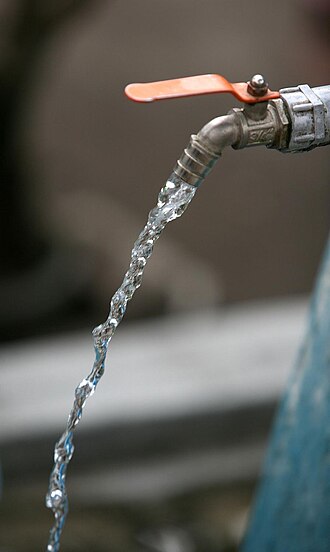
Photo: Wikipedia
Water, NFS (Not Further Specified) is the universal, zero-calorie solvent and beverage, appearing as a clear, odorless liquid with a neutral taste and thin, fluid texture. Nutritionally, it is a blank canvas, providing essential hydration without any protein, carbohydrates, fats, fiber, or sugar. Its primary nutritional role is as the fundamental medium for all metabolic processes and temperature regulation in the human body.
💚 Why it's loved
People love water for its unparalleled ability to quench thirst and its role as the pure, versatile base for virtually every other beverage and countless recipes. Culturally, it is the universal symbol of life, purity, and hospitality across all societies.
⚠️ Watch-outs & how to enjoy it better
While essential, plain water can feel bland or uninteresting to some, leading to inadequate intake. For individuals with certain medical conditions like advanced kidney disease or heart failure, fluid intake may need to be carefully monitored. Tip: Enhance flavor naturally by infusing with slices of citrus, cucumber, mint, or berries to increase appeal and consumption.
Key benefits
- Essential for all cellular functions and metabolic reactions
- Helps regulate body temperature through sweating and respiration
- Supports cognitive function and physical performance
- Aids in digestion and nutrient transport
- Zero calories, making it ideal for hydration without energy intake
🍽️ Popular dishes
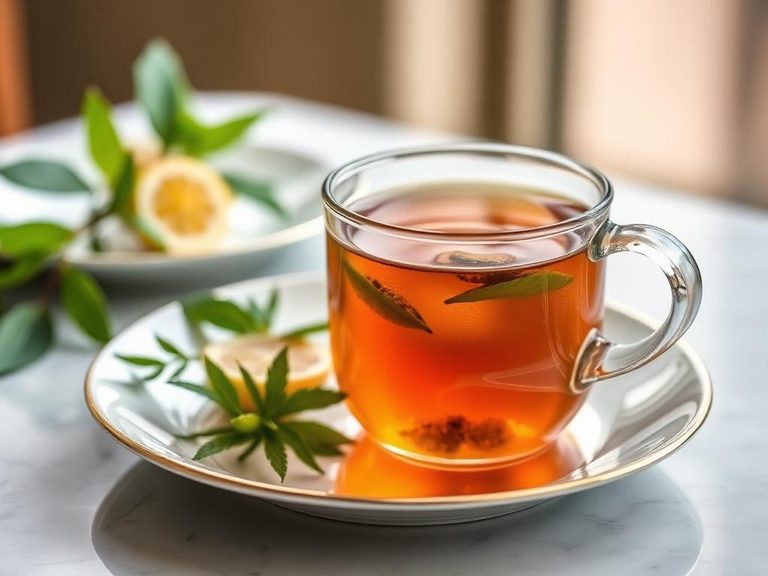

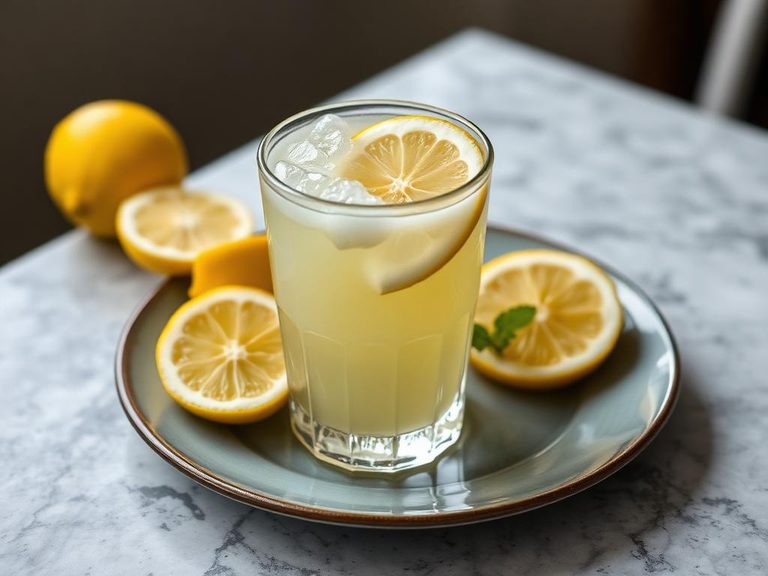
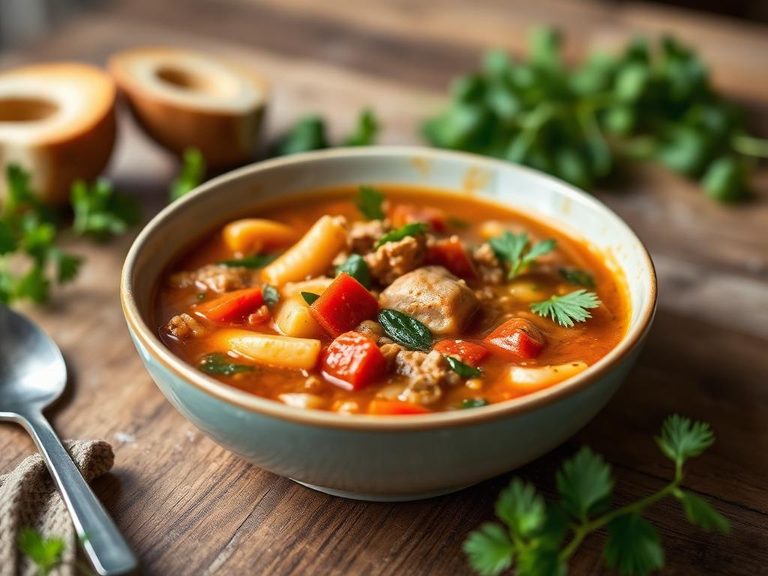
🌍 Where it's eaten
💡 Did you know?
The human body is composed of approximately 60% water by weight, and the brain and heart are composed of about 73% water.
Full nutrition (USDA data · scales with serving)
| Water | 99.9 g |
| Energy | 0.00 kcal |
| Protein | 0.00 g |
| Total lipid (fat) | 0.00 g |
| Carbohydrate, by difference | 0.00 g |
| Fiber, total dietary | 0.00 g |
| Total Sugars | 0.00 g |
| Calcium, Ca | 6.0 mg |
| Iron, Fe | 0.00 mg |
| Magnesium, Mg | 2.0 mg |
| Phosphorus, P | 0.00 mg |
| Potassium, K | 0.00 mg |
| Sodium, Na | 3.0 mg |
| Zinc, Zn | 0.00 mg |
| Copper, Cu | 0.01 mg |
| Selenium, Se | 0.00 ug |
| Vitamin C, total ascorbic acid | 0.00 mg |
| Thiamin | 0.00 mg |
| Riboflavin | 0.00 mg |
| Niacin | 0.00 mg |
| Vitamin B-6 | 0.00 mg |
| Folate, total | 0.00 ug |
| Folic acid | 0.00 ug |
| Folate, food | 0.00 ug |
| Folate, DFE | 0.00 ug |
| Choline, total | 0.00 mg |
| Vitamin B-12 | 0.00 ug |
| Vitamin B-12, added | 0.00 ug |
| Vitamin A, RAE | 0.00 ug |
| Retinol | 0.00 ug |
| Carotene, beta | 0.00 ug |
| Carotene, alpha | 0.00 ug |
| Cryptoxanthin, beta | 0.00 ug |
| Lycopene | 0.00 ug |
| Lutein + zeaxanthin | 0.00 ug |
| Vitamin E (alpha-tocopherol) | 0.00 mg |
| Vitamin E, added | 0.00 mg |
| Vitamin D (D2 + D3) | 0.00 ug |
| Vitamin K (phylloquinone) | 0.00 ug |
| Alcohol, ethyl | 0.00 g |
| Caffeine | 0.00 mg |
| Theobromine | 0.00 mg |
Fat & fatty acid profile (per 100g)
| Fatty acids, total saturated | 0.00 g |
| SFA 4:0 | 0.00 g |
| SFA 6:0 | 0.00 g |
| SFA 8:0 | 0.00 g |
| SFA 10:0 | 0.00 g |
| SFA 12:0 | 0.00 g |
| SFA 14:0 | 0.00 g |
| SFA 16:0 | 0.00 g |
| SFA 18:0 | 0.00 g |
| Fatty acids, total monounsaturated | 0.00 g |
| MUFA 16:1 | 0.00 g |
| MUFA 18:1 | 0.00 g |
| MUFA 20:1 | 0.00 g |
| MUFA 22:1 | 0.00 g |
| Fatty acids, total polyunsaturated | 0.00 g |
| PUFA 18:2 | 0.00 g |
| PUFA 18:3 | 0.00 g |
| PUFA 18:4 | 0.00 g |
| PUFA 20:4 | 0.00 g |
| PUFA 20:5 n-3 (EPA) | 0.00 g |
| PUFA 22:5 n-3 (DPA) | 0.00 g |
| PUFA 22:6 n-3 (DHA) | 0.00 g |
| Cholesterol | 0.00 mg |
FAQ
How much water should I drink daily?
Needs vary widely based on activity, climate, and health, but a common guideline is about 2.7 liters for women and 3.7 liters for men daily from all beverages and foods. Listen to your thirst and check your urine color—it should be pale yellow.
Is tap water safe to drink?
In most developed countries, municipal tap water is rigorously tested and safe. If concerned, you can use a certified filter or let it sit in an open pitcher to allow chlorine to dissipate.
Can you drink too much water?
Yes, though rare, it is possible to drink excessive amounts in a short time, leading to a dangerous condition called hyponatremia (low blood sodium). This is most common in endurance athletes who drink large volumes without replacing electrolytes.
Dietary load (calculated from USDA values)
Potential renal acid load. Positive = acid-forming, negative = alkaline-forming.
Sodium:potassium per WHO potassium guidance. Computed from USDA nutrients.