

Water, bottled, plain
Common food
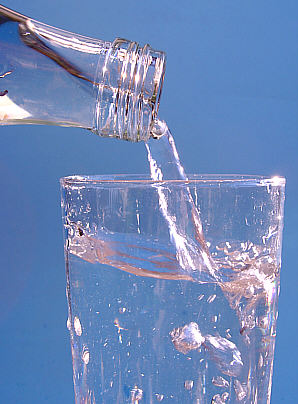
Photo: Wikipedia
Bottled plain water is the purest form of hydration, a clear, odorless liquid with a neutral, refreshing taste that quenches thirst instantly. Nutritionally, it is a zero-calorie, zero-macronutrient essential, providing nothing but the fundamental fluid our bodies need to function.
💚 Why it's loved
People love it for its ultimate simplicity and versatility—it's the universal solvent that cleanses the palate, complements any meal, and is always available. Its cultural significance is profound, symbolizing purity, life, and hospitality across the globe.
⚠️ Watch-outs & how to enjoy it better
The primary downside is environmental, related to the plastic waste from single-use bottles. To counteract this, choose reusable bottles, opt for larger container sizes, and ensure proper recycling. For those on strict fluid-restricted diets, always follow medical advice on intake.
Key benefits
- Essential for all cellular and metabolic functions
- Supports kidney function and toxin elimination
- Aids in temperature regulation through sweat
- Helps maintain joint lubrication and cushioning
- Can aid in weight management by promoting fullness
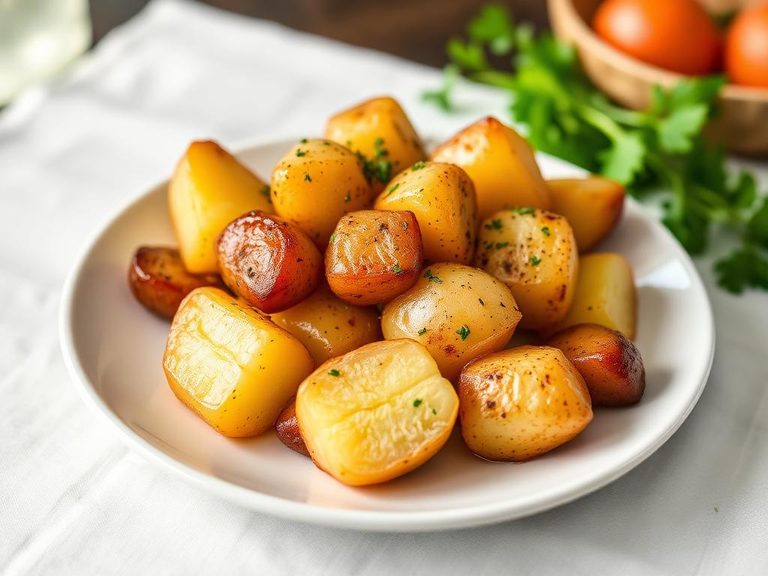
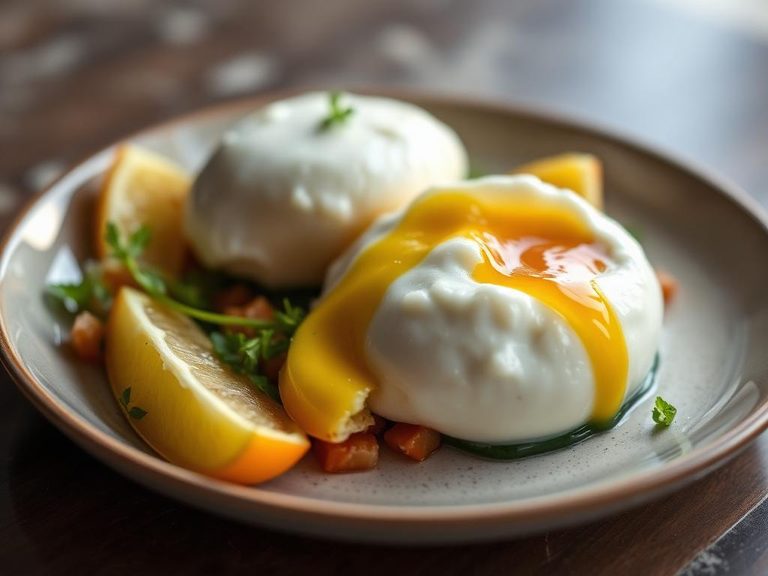
🍽️ Popular dishes

🌍 Where it's eaten
💡 Did you know?
The water you drink today could contain molecules that once passed through a dinosaur.
Full nutrition (USDA data · scales with serving)
| Water | 100.0 g |
| Energy | 0.00 kcal |
| Protein | 0.00 g |
| Total lipid (fat) | 0.00 g |
| Carbohydrate, by difference | 0.00 g |
| Fiber, total dietary | 0.00 g |
| Total Sugars | 0.00 g |
| Calcium, Ca | 10.0 mg |
| Iron, Fe | 0.00 mg |
| Magnesium, Mg | 2.0 mg |
| Phosphorus, P | 0.00 mg |
| Potassium, K | 0.00 mg |
| Sodium, Na | 2.0 mg |
| Zinc, Zn | 0.00 mg |
| Copper, Cu | 0.01 mg |
| Selenium, Se | 0.00 ug |
| Vitamin C, total ascorbic acid | 0.00 mg |
| Thiamin | 0.00 mg |
| Riboflavin | 0.00 mg |
| Niacin | 0.00 mg |
| Vitamin B-6 | 0.00 mg |
| Folate, total | 0.00 ug |
| Folic acid | 0.00 ug |
| Folate, food | 0.00 ug |
| Folate, DFE | 0.00 ug |
| Choline, total | 0.00 mg |
| Vitamin B-12 | 0.00 ug |
| Vitamin B-12, added | 0.00 ug |
| Vitamin A, RAE | 0.00 ug |
| Retinol | 0.00 ug |
| Carotene, beta | 0.00 ug |
| Carotene, alpha | 0.00 ug |
| Cryptoxanthin, beta | 0.00 ug |
| Lycopene | 0.00 ug |
| Lutein + zeaxanthin | 0.00 ug |
| Vitamin E (alpha-tocopherol) | 0.00 mg |
| Vitamin E, added | 0.00 mg |
| Vitamin D (D2 + D3) | 0.00 ug |
| Vitamin K (phylloquinone) | 0.00 ug |
| Alcohol, ethyl | 0.00 g |
| Caffeine | 0.00 mg |
| Theobromine | 0.00 mg |
Fat & fatty acid profile (per 100g)
| Fatty acids, total saturated | 0.00 g |
| SFA 4:0 | 0.00 g |
| SFA 6:0 | 0.00 g |
| SFA 8:0 | 0.00 g |
| SFA 10:0 | 0.00 g |
| SFA 12:0 | 0.00 g |
| SFA 14:0 | 0.00 g |
| SFA 16:0 | 0.00 g |
| SFA 18:0 | 0.00 g |
| Fatty acids, total monounsaturated | 0.00 g |
| MUFA 16:1 | 0.00 g |
| MUFA 18:1 | 0.00 g |
| MUFA 20:1 | 0.00 g |
| MUFA 22:1 | 0.00 g |
| Fatty acids, total polyunsaturated | 0.00 g |
| PUFA 18:2 | 0.00 g |
| PUFA 18:3 | 0.00 g |
| PUFA 18:4 | 0.00 g |
| PUFA 20:4 | 0.00 g |
| PUFA 20:5 n-3 (EPA) | 0.00 g |
| PUFA 22:5 n-3 (DPA) | 0.00 g |
| PUFA 22:6 n-3 (DHA) | 0.00 g |
| Cholesterol | 0.00 mg |
FAQ
Is bottled water safer than tap water?
In most developed countries, tap water is rigorously tested and safe. Bottled water safety varies by brand and source; some is just filtered tap water, while others come from springs. The primary safety advantage of bottled water is often in regions with unreliable municipal supplies.
Does drinking water really help with weight loss?
Yes, indirectly. Drinking water can increase feelings of fullness, potentially reducing calorie intake. It also has a slight thermogenic effect, as the body uses energy to warm cold water to body temperature. It is a zero-calorie alternative to sugary drinks.
Why does some bottled water taste different?
Taste differences come from the source and mineral content. Spring water contains natural minerals like calcium and magnesium, which can impart a subtle flavor. Purified or distilled water, which has minerals removed, often tastes 'flat' or neutral.
Dietary load (calculated from USDA values)
Potential renal acid load. Positive = acid-forming, negative = alkaline-forming.
Sodium:potassium per WHO potassium guidance. Computed from USDA nutrients.