

Green Tea
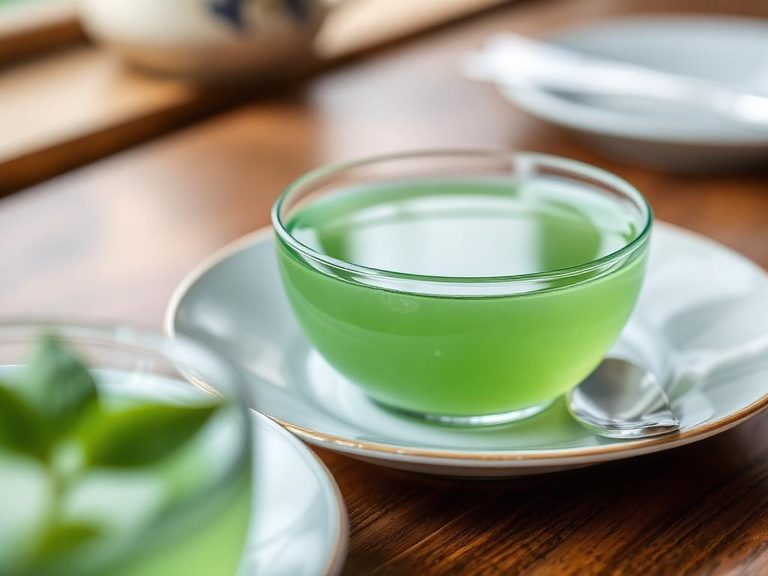
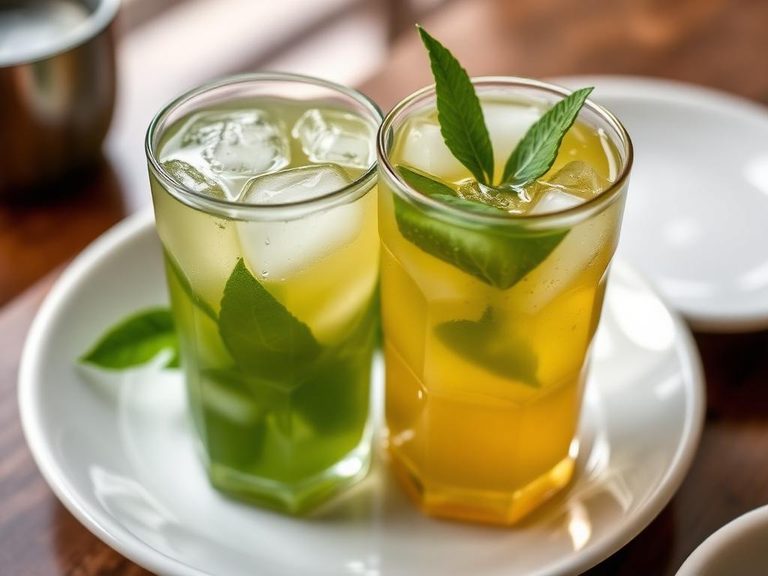
Green Tea is a traditional beverage made from the leaves of the Camellia sinensis plant, which are minimally oxidized to preserve their natural green color and fresh flavor. Originating in China, it is now enjoyed worldwide, with popular varieties including Japanese Matcha and Chinese Longjing (Dragon Well).
🍳 View the full Green Tea recipe →
🍽️ Nutrition at a glance
Green tea is virtually calorie-free (about 2-3 calories per cup) and contains no significant carbs, fat, or protein. It is rich in antioxidants like catechins (especially EGCG) and provides small amounts of L-theanine, which can promote calm alertness.
Nutrition breakdown
| Calories | 2 kcal |
| Protein | 0.5 g |
| Carbs | 0 g |
| Fat | 0 g |
| Fiber | 0 g |
| Sugar | 0 g |
| Sodium | 2 mg |
| Potassium | 20 mg |
| Manganese | 0.2 mg |
| Fluoride | 0.3 mg |
| Catechins (EGCG) | 50-100 mg |
| Caffeine | 25-50 mg |
| L-Theanine | 20-30 mg |
| Vitamin B2 (Riboflavin) | 0.01 mg |
| Magnesium | 2 mg |
Per 1 cup brewed (240 g) · estimated, varies by recipe
💡 What's interesting
Culturally, green tea is central to East Asian tea ceremonies, such as the Japanese Chanoyu and Chinese Gongfu tea, emphasizing mindfulness and harmony. Nutritionally, its unique combination of caffeine and L-theanine is studied for potential benefits in enhancing focus without the jitteriness often associated with coffee.
🍽️ Related dishes


AI estimate may be inaccurate · Terms