

Tortillas, ready-to-bake or -fry, corn, without added salt
Whole food · Baked Products
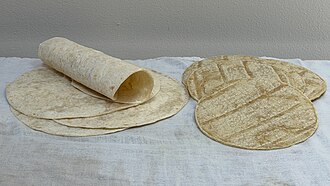
Photo: Wikipedia
These are pliable, unleavened rounds of nixtamalized corn dough, ready for a quick bake or fry to become a warm, slightly chewy, and earthy-tasting vessel for other foods. Nutritionally, they are a solid source of complex carbohydrates and dietary fiber, providing sustained energy without any added sugar.
Calorie split: 10% protein · 80% carbs · 10% fat
↓ Full nutrition💚 Why it's loved
People love corn tortillas for their authentic, toasty corn flavor and sturdy texture that holds up to hearty fillings without tearing. They are the foundational canvas for countless dishes, deeply tied to cultural identity and communal eating.
⚠️ Watch-outs & how to enjoy it better
As a high-carb, low-fat food, they can cause rapid blood-sugar spikes if eaten alone or in large portions. To counteract this, always pair them with protein (beans, meat) and healthy fats (avocado, cheese) to slow digestion and stabilize energy levels.
Key benefits
- Good source of dietary fiber (5.2g per 100g).
- Provides complex carbohydrates for energy.
- Contains plant-based protein (5.7g per 100g).
- Naturally low in fat (2.5g per 100g).
- Gluten-free base for meals.
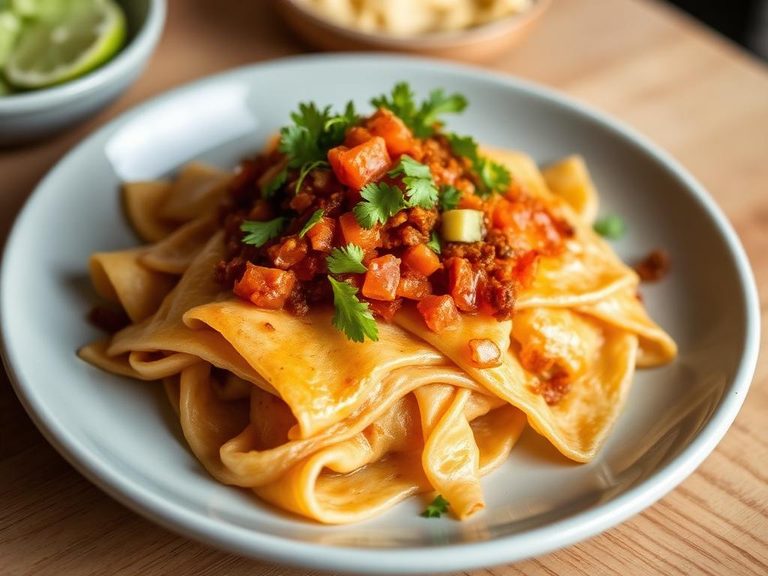
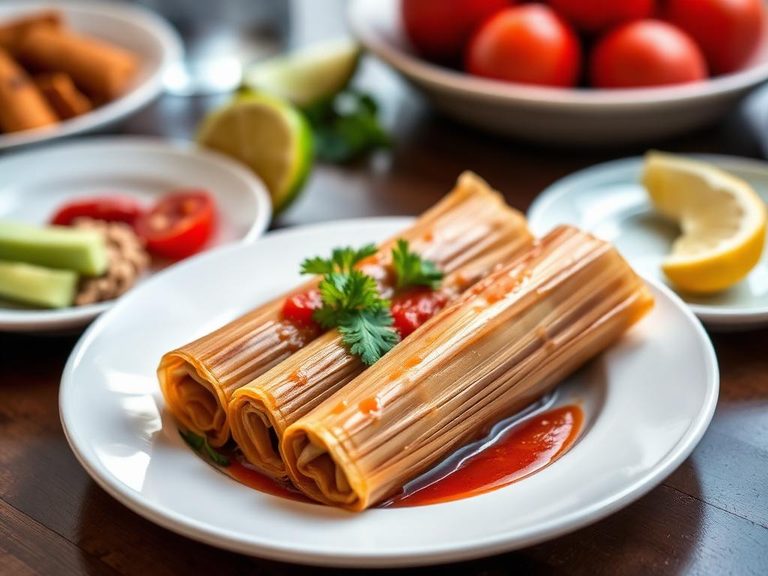
🍽️ Popular dishes
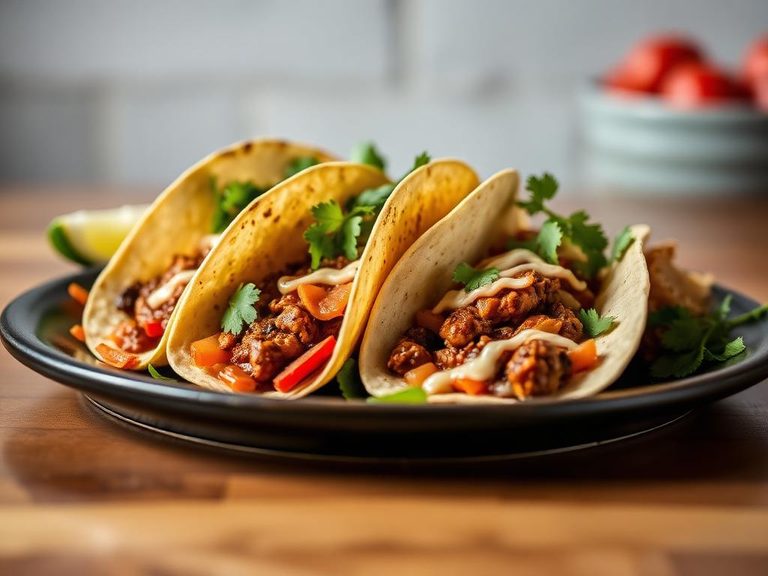
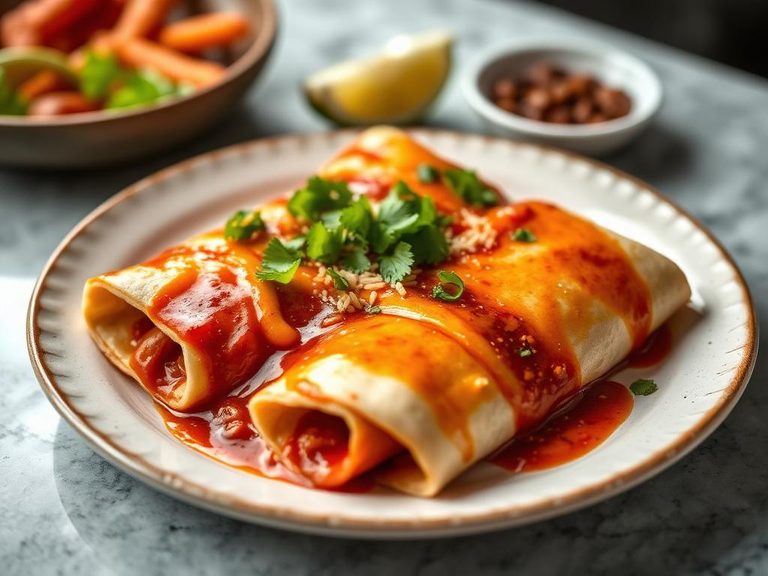
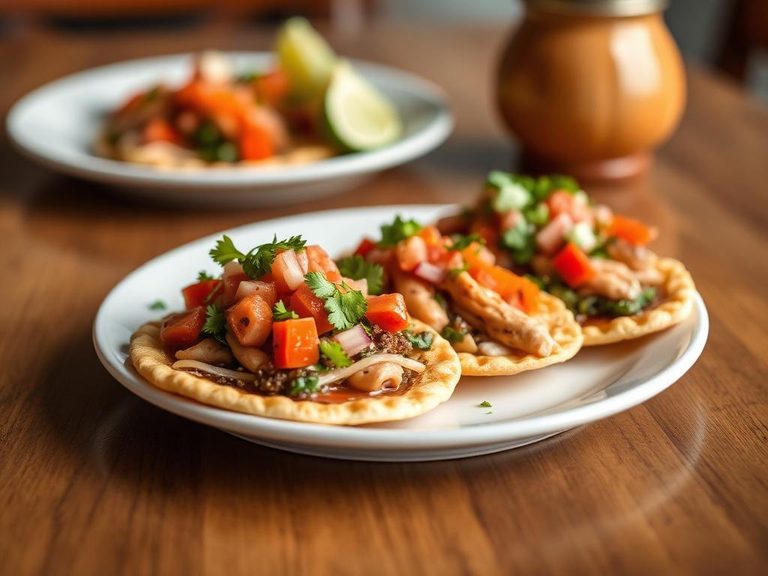

🌍 Where it's eaten
💡 Did you know?
The process of making corn tortillas, called nixtamalization, involves soaking corn in an alkaline solution (like lime water), which not only makes the dough pliable but also dramatically increases the bioavailability of niacin (vitamin B3), preventing deficiency diseases like pellagra.
Full nutrition (USDA data · scales with serving)
| Water | 44.1 g |
| Energy | 222 kcal |
| Energy | 929 kj |
| Protein | 5.7 g |
| Total lipid (fat) | 2.5 g |
| Ash | 1.2 g |
| Carbohydrate, by difference | 46.6 g |
| Fiber, total dietary | 5.2 g |
| Calcium, Ca | 175 mg |
| Iron, Fe | 1.4 mg |
| Magnesium, Mg | 65.0 mg |
| Phosphorus, P | 314 mg |
| Potassium, K | 154 mg |
| Sodium, Na | 11.0 mg |
| Zinc, Zn | 0.94 mg |
| Copper, Cu | 0.15 mg |
| Manganese, Mn | 0.40 mg |
| Vitamin C, total ascorbic acid | 0.00 mg |
| Thiamin | 0.11 mg |
| Riboflavin | 0.07 mg |
| Niacin | 1.5 mg |
| Pantothenic acid | 0.19 mg |
| Vitamin B-6 | 0.22 mg |
| Folate, total | 114 ug |
| Folic acid | 99.0 ug |
| Folate, food | 15.0 ug |
| Folate, DFE | 183 ug |
| Vitamin B-12 | 0.00 ug |
| Vitamin A, RAE | 0.00 ug |
| Retinol | 0.00 ug |
| Vitamin A, IU | 0.00 iu |
Fat & fatty acid profile (per 100g)
| Fatty acids, total saturated | 0.33 g |
| SFA 16:0 | 0.29 g |
| SFA 18:0 | 0.04 g |
| Fatty acids, total monounsaturated | 0.65 g |
| MUFA 16:1 | 0.00 g |
| MUFA 18:1 | 0.65 g |
| Fatty acids, total polyunsaturated | 1.1 g |
| PUFA 18:2 | 1.1 g |
| PUFA 18:3 | 0.03 g |
| Cholesterol | 0.00 mg |
Amino acid profile (per 100g)
| Tryptophan | 0.04 g |
| Threonine | 0.22 g |
| Isoleucine | 0.21 g |
| Leucine | 0.71 g |
| Lysine | 0.16 g |
| Methionine | 0.12 g |
| Cystine | 0.10 g |
| Phenylalanine | 0.28 g |
| Tyrosine | 0.24 g |
| Valine | 0.29 g |
| Arginine | 0.29 g |
| Histidine | 0.18 g |
| Alanine | 0.43 g |
| Aspartic acid | 0.40 g |
| Glutamic acid | 1.1 g |
| Glycine | 0.24 g |
| Proline | 0.51 g |
| Serine | 0.28 g |
FAQ
What's the difference between ready-to-bake and ready-to-fry tortillas?
Ready-to-bake tortillas are typically par-cooked and just need heating to become soft and pliable. Ready-to-fry tortillas are raw or partially cooked dough meant to be fried until crisp, forming the base for tostadas or fried tacos.
How should I store them to keep them soft?
Keep them in their original packaging in a cool, dry place. Once opened, transfer to an airtight bag or container. For longer storage, freeze them and reheat directly from frozen in a dry skillet.
Can I use corn tortillas for dishes that call for flour tortillas?
Yes, but with caution. Corn tortillas are less elastic and can crack when folded if cold. They are ideal for tacos and enchiladas but may not work as well for burritos or wraps that require significant stretching. Always warm them thoroughly first.
Nutrient density (calculated · NRF9.3)
Nutrient Rich Foods index: beneficial nutrients (protein, fiber, vitamins, minerals) minus saturated fat, added sugar & sodium, per 100 kcal.
NRF9.3 index — Fulgoni, Keast & Drewnowski, 2009. Computed from USDA nutrients.
Weight-loss friendliness (composite index)
Energy density 2.22 kcal/g · 10% calories from protein · 5.2 g fiber · 0.0 g sugar per 100 g.
Composite of energy density (Rolls et al., 1999), protein & fiber satiety, minus sugar. A calculated heuristic — ranks satiety-per-calorie, not a clinical measure.
Dietary load (calculated from USDA values)
Potential renal acid load. Positive = acid-forming, negative = alkaline-forming.
Sodium-to-potassium ratio: 0.07 (lower is better — aim for ≤ 1)
Sodium:potassium per WHO potassium guidance. Computed from USDA nutrients.