

Taro, shoots, cooked, with salt
Whole food · Vegetables and Vegetable Products

Photo: Wikipedia
Taro shoots, the tender young leaves and stems of the taro plant, are a delicacy prized for their earthy, slightly nutty flavor and a texture that becomes silky and tender when cooked. Nutritionally, they are remarkably light, offering a mere 14 kcal per 100g, making them an excellent low-energy, nutrient-dense addition to meals. Their mild taste and soft mouthfeel allow them to absorb surrounding flavors beautifully in soups and stews.
Calorie split: 18% protein · 78% carbs · 4% fat
↓ Full nutrition💚 Why it's loved
People love taro shoots for their unique, subtle earthiness that complements rich, savory broths and coconut milk-based curries. They are a cherished ingredient in many tropical cuisines, offering a comforting, home-cooked feel that connects diners to traditional culinary heritage.
⚠️ Watch-outs & how to enjoy it better
The primary concern with taro shoots is the presence of calcium oxalate crystals, which can cause a stinging, itchy sensation in the mouth and throat if not properly prepared. To counteract this, it is essential to cook the shoots thoroughly—boiling, steaming, or sautéing for several minutes—and some recipes recommend an initial soak or blanching. Additionally, as the provided data indicates 0g of fiber, those seeking high-fiber foods should pair it with other fiber-rich vegetables or legumes.
Key benefits
- Extremely low-calorie vegetable option (14 kcal/100g)
- Good source of plant-based protein (0.73g/100g)
- Provides essential minerals like potassium and manganese
- Adds volume and fiber to meals without excess calories
- Versatile base for both savory and creamy dishes
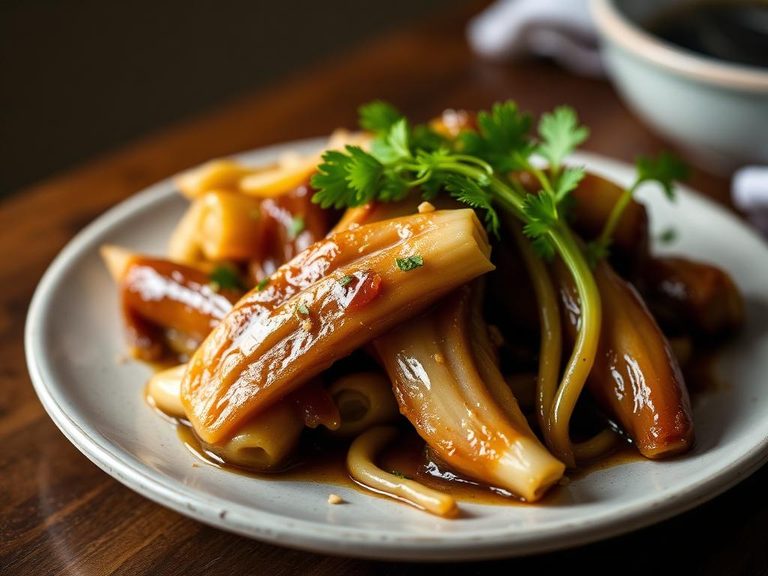
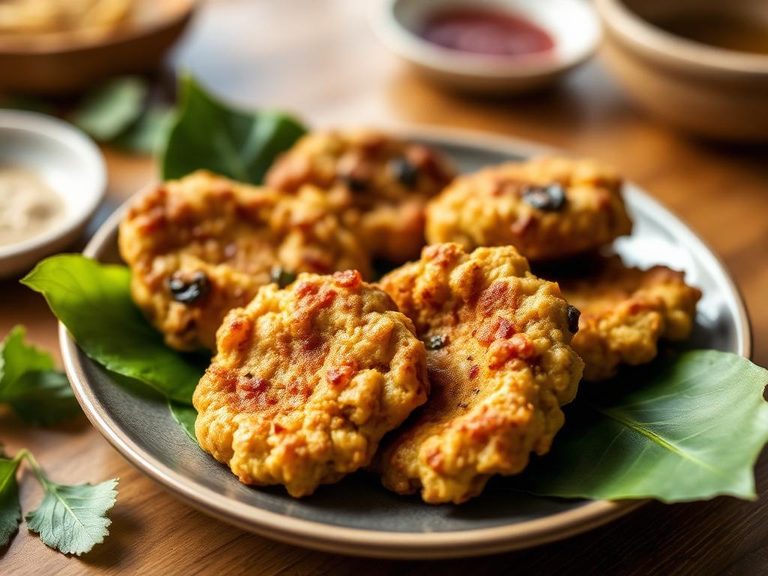
🍽️ Popular dishes
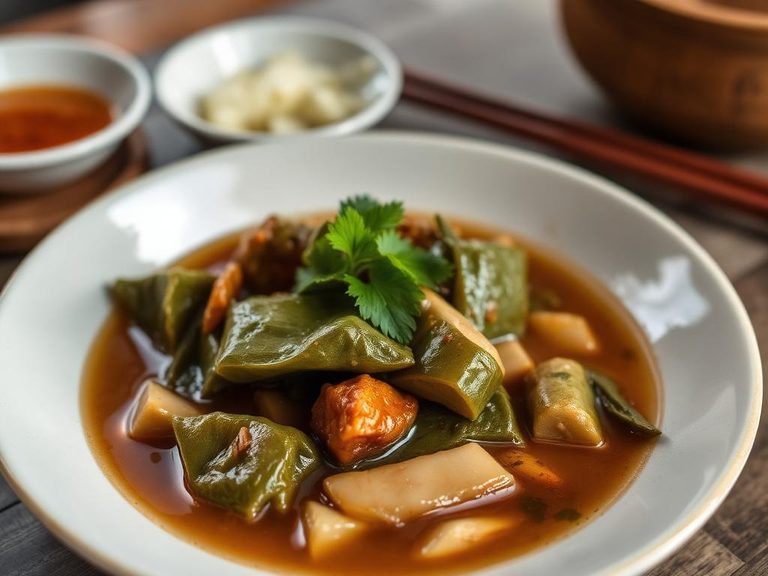
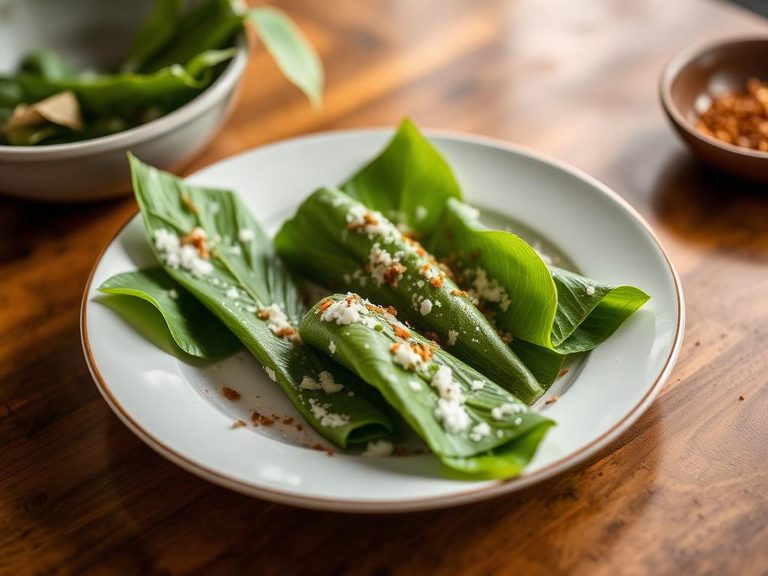
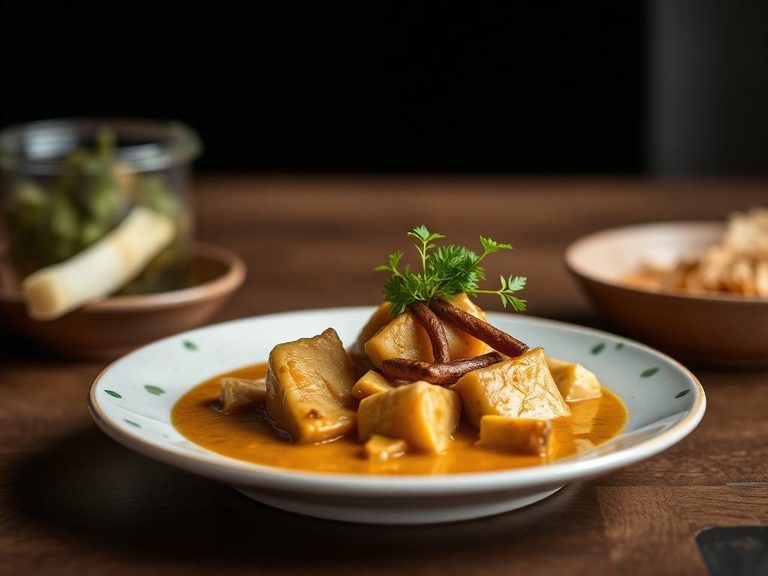
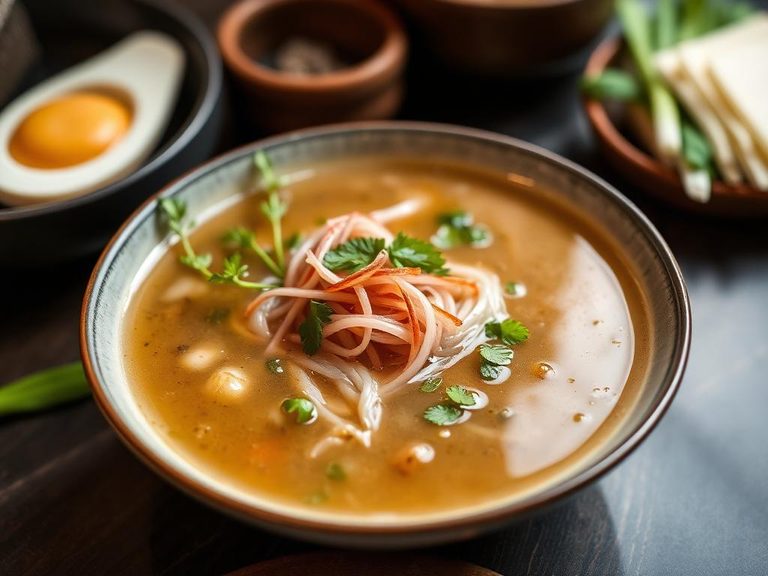
🌍 Where it's eaten
💡 Did you know?
Taro is one of the oldest cultivated crops, with evidence of its domestication in the New Guinea highlands dating back over 10,000 years, making it a true ancient superfood.
Full nutrition (USDA data · scales with serving)
| Water | 95.3 g |
| Energy | 14.0 kcal |
| Energy | 58.0 kj |
| Protein | 0.73 g |
| Total lipid (fat) | 0.08 g |
| Ash | 0.70 g |
| Carbohydrate, by difference | 3.2 g |
| Calcium, Ca | 14.0 mg |
| Iron, Fe | 0.41 mg |
| Magnesium, Mg | 8.0 mg |
| Phosphorus, P | 26.0 mg |
| Potassium, K | 344 mg |
| Sodium, Na | 238 mg |
| Zinc, Zn | 0.54 mg |
| Copper, Cu | 0.09 mg |
| Manganese, Mn | 0.13 mg |
| Selenium, Se | 1.0 ug |
| Vitamin C, total ascorbic acid | 18.9 mg |
| Thiamin | 0.04 mg |
| Riboflavin | 0.05 mg |
| Niacin | 0.81 mg |
| Pantothenic acid | 0.08 mg |
| Vitamin B-6 | 0.11 mg |
| Folate, total | 3.0 ug |
| Folic acid | 0.00 ug |
| Folate, food | 3.0 ug |
| Folate, DFE | 3.0 ug |
| Vitamin B-12 | 0.00 ug |
| Vitamin A, RAE | 3.0 ug |
| Retinol | 0.00 ug |
| Vitamin A, IU | 51.0 iu |
| Vitamin D (D2 + D3), International Units | 0.00 iu |
| Vitamin D (D2 + D3) | 0.00 ug |
Fat & fatty acid profile (per 100g)
| Fatty acids, total saturated | 0.02 g |
| SFA 16:0 | 0.01 g |
| SFA 18:0 | 0.00 g |
| Fatty acids, total monounsaturated | 0.01 g |
| MUFA 18:1 | 0.01 g |
| Fatty acids, total polyunsaturated | 0.03 g |
| PUFA 18:2 | 0.02 g |
| PUFA 18:3 | 0.01 g |
| Fatty acids, total trans | 0.00 g |
| Cholesterol | 0.00 mg |
Amino acid profile (per 100g)
Estimated from Taro, cooked, without salt — USDA does not publish this profile for Taro.
| Tryptophan | 0.01 g |
| Threonine | 0.02 g |
| Isoleucine | 0.02 g |
| Leucine | 0.04 g |
| Lysine | 0.02 g |
| Methionine | 0.01 g |
| Cystine | 0.01 g |
| Phenylalanine | 0.03 g |
| Tyrosine | 0.02 g |
| Valine | 0.03 g |
| Arginine | 0.04 g |
| Histidine | 0.01 g |
| Alanine | 0.03 g |
| Aspartic acid | 0.07 g |
| Glutamic acid | 0.06 g |
| Glycine | 0.03 g |
| Proline | 0.02 g |
| Serine | 0.03 g |
FAQ
What do taro shoots taste like?
Taro shoots have a mild, earthy flavor with a subtle nutty or spinach-like quality. Their texture is soft and slightly slippery when cooked, similar to cooked greens.
How do I prepare taro shoots to avoid irritation?
Always cook taro shoots thoroughly. Boil them in water for at least 10-15 minutes, or sauté them well. Some traditions involve soaking them in salted water or vinegar before cooking to help neutralize the calcium oxalate crystals.
Are taro shoots the same as taro root?
No, they are different parts of the same plant. Taro shoots refer to the young leaves and stems, while taro root is the starchy, underground corm. The shoots are used as a vegetable, while the root is a carbohydrate source.
Nutrient density (calculated · NRF9.3)
Nutrient Rich Foods index: beneficial nutrients (protein, fiber, vitamins, minerals) minus saturated fat, added sugar & sodium, per 100 kcal.
NRF9.3 index — Fulgoni, Keast & Drewnowski, 2009. Computed from USDA nutrients.
Weight-loss friendliness (composite index)
Energy density 0.14 kcal/g · 21% calories from protein · 0.0 g fiber · 0.0 g sugar per 100 g.
Composite of energy density (Rolls et al., 1999), protein & fiber satiety, minus sugar. A calculated heuristic — ranks satiety-per-calorie, not a clinical measure.
Dietary load (calculated from USDA values)
Potential renal acid load. Positive = acid-forming, negative = alkaline-forming.
Sodium-to-potassium ratio: 0.69 (lower is better — aim for ≤ 1)
Sodium:potassium per WHO potassium guidance. Computed from USDA nutrients.