

Table fat, NFS
Common food

Photo: Wikipedia
Table fat, NFS (Not Further Specified) is a generic, solid or semi-solid fat used primarily for cooking and baking in commercial or institutional settings. It has a neutral, bland taste and a smooth, waxy texture that melts cleanly. Nutritionally, it is almost pure fat, providing a dense 675 kcal per 100g with negligible protein, carbs, or micronutrients.
Calorie split: 0% protein · 0% carbs · 99% fat
↓ Full nutrition💚 Why it's loved
Chefs and bakers love it for its reliability and consistency, delivering predictable results in everything from pie crusts to fried foods. Its neutral profile makes it a blank canvas, allowing the flavors of spices, herbs, and other ingredients to shine.
⚠️ Watch-outs & how to enjoy it better
As a highly processed, saturated-heavy fat, it offers no essential nutrients and can contribute to an unhealthy dietary pattern if overused. Those monitoring heart health or calorie intake should use it sparingly. Counteract by using it occasionally, not daily, and balancing meals with lean proteins, vegetables, and whole grains.
Key benefits
- High smoke point for frying and sautéing
- Provides a flaky texture in baked goods
- Long shelf life when stored properly
- Cost-effective for large-volume cooking
- Neutral flavor doesn't overpower other ingredients
🍽️ Popular dishes
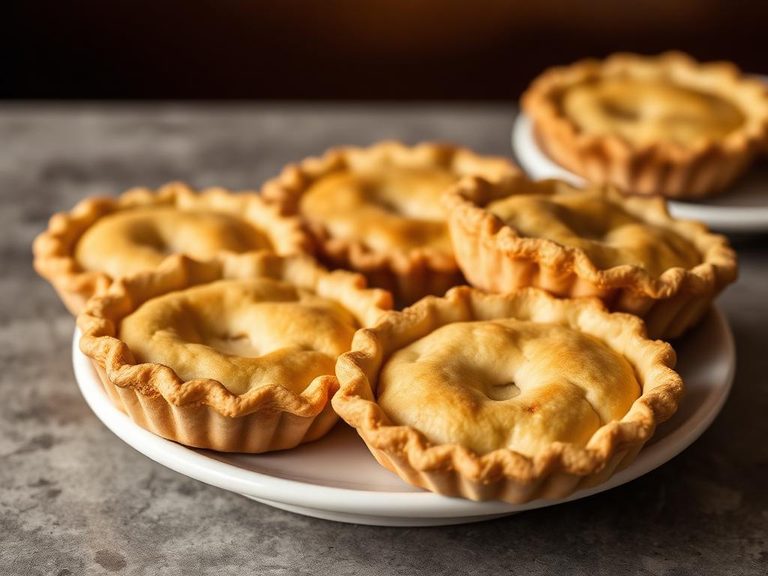


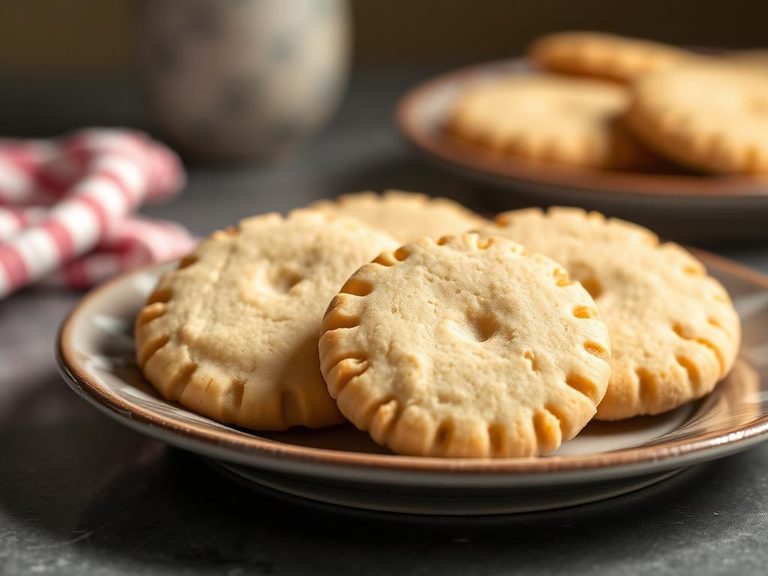

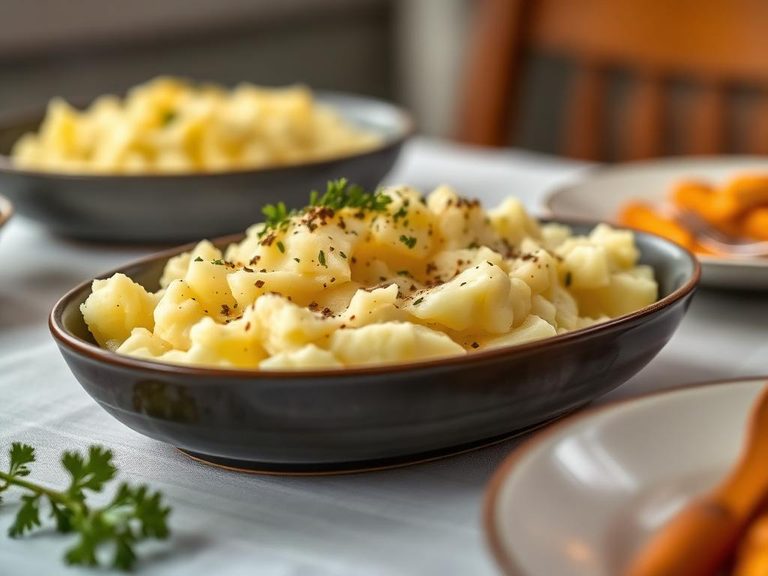
🌍 Where it's eaten
💡 Did you know?
The term 'NFS' on nutrition labels stands for 'Not Further Specified,' meaning the exact source (animal, vegetable, or blend) isn't declared, which is common for generic institutional or bulk food items.
Full nutrition (USDA data · scales with serving)
| Water | 22.4 g |
| Energy | 677 kcal |
| Protein | 0.58 g |
| Total lipid (fat) | 75.3 g |
| Carbohydrate, by difference | 0.36 g |
| Fiber, total dietary | 0.00 g |
| Total Sugars | 0.35 g |
| Calcium, Ca | 19.0 mg |
| Iron, Fe | 0.04 mg |
| Magnesium, Mg | 2.0 mg |
| Phosphorus, P | 18.0 mg |
| Potassium, K | 25.0 mg |
| Sodium, Na | 592 mg |
| Zinc, Zn | 0.04 mg |
| Copper, Cu | 0.00 mg |
| Selenium, Se | 0.00 ug |
| Vitamin C, total ascorbic acid | 0.00 mg |
| Thiamin | 0.01 mg |
| Riboflavin | 0.01 mg |
| Niacin | 0.01 mg |
| Vitamin B-6 | 1.1 mg |
| Folate, total | 3.0 ug |
| Folic acid | 0.00 ug |
| Folate, food | 3.0 ug |
| Folate, DFE | 3.0 ug |
| Choline, total | 15.6 mg |
| Vitamin B-12 | 0.01 ug |
| Vitamin B-12, added | 0.00 ug |
| Vitamin A, RAE | 782 ug |
| Retinol | 754 ug |
| Carotene, beta | 345 ug |
| Carotene, alpha | 1.0 ug |
| Cryptoxanthin, beta | 5.0 ug |
| Lycopene | 0.00 ug |
| Lutein + zeaxanthin | 0.00 ug |
| Vitamin E (alpha-tocopherol) | 7.2 mg |
| Vitamin E, added | 0.00 mg |
| Vitamin D (D2 + D3) | 1.7 ug |
| Vitamin K (phylloquinone) | 43.9 ug |
| Alcohol, ethyl | 0.00 g |
| Caffeine | 0.00 mg |
| Theobromine | 0.00 mg |
Fat & fatty acid profile (per 100g)
| Fatty acids, total saturated | 32.5 g |
| SFA 4:0 | 1.2 g |
| SFA 6:0 | 0.87 g |
| SFA 8:0 | 0.51 g |
| SFA 10:0 | 1.2 g |
| SFA 12:0 | 1.4 g |
| SFA 14:0 | 4.3 g |
| SFA 16:0 | 15.5 g |
| SFA 18:0 | 6.5 g |
| Fatty acids, total monounsaturated | 19.8 g |
| MUFA 16:1 | 0.62 g |
| MUFA 18:1 | 18.6 g |
| MUFA 20:1 | 0.14 g |
| MUFA 22:1 | 0.00 g |
| Fatty acids, total polyunsaturated | 11.9 g |
| PUFA 18:2 | 10.7 g |
| PUFA 18:3 | 1.2 g |
| PUFA 18:4 | 0.01 g |
| PUFA 20:4 | 0.06 g |
| PUFA 20:5 n-3 (EPA) | 0.01 g |
| PUFA 22:5 n-3 (DPA) | 0.03 g |
| PUFA 22:6 n-3 (DHA) | 0.00 g |
| Cholesterol | 141 mg |
FAQ
What's the difference between table fat NFS and butter or lard?
Table fat NFS is a generic, often hydrogenated or blended product with a more neutral flavor and higher smoke point than butter. It lacks the distinct taste of butter or lard and is typically used for functional properties in large-scale cooking rather than for flavor.
Is table fat NFS the same as shortening?
Very similar. Shortening is a type of table fat, usually 100% hydrogenated vegetable oil. 'Table fat NFS' is a broader category that could include blends of animal and vegetable fats, but they are often used interchangeably in recipes for flakiness and structure.
Can I substitute it with a healthier fat in recipes?
Yes, but the result will differ. For baking, you can substitute with cold butter (for flavor) or solid coconut oil (for a plant-based option). For frying, use oils with high smoke points like avocado or refined peanut oil. Note that texture and melting point will change.
Nutrient density (calculated · NRF9.3)
Nutrient Rich Foods index: beneficial nutrients (protein, fiber, vitamins, minerals) minus saturated fat, added sugar & sodium, per 100 kcal.
NRF9.3 index — Fulgoni, Keast & Drewnowski, 2009. Computed from USDA nutrients.
Weight-loss friendliness (composite index)
Energy density 6.77 kcal/g · 0% calories from protein · 0.0 g fiber · 0.3 g sugar per 100 g.
Composite of energy density (Rolls et al., 1999), protein & fiber satiety, minus sugar. A calculated heuristic — ranks satiety-per-calorie, not a clinical measure.
Dietary load (calculated from USDA values)
Potential renal acid load. Positive = acid-forming, negative = alkaline-forming.
Sodium-to-potassium ratio: 23.68 (lower is better — aim for ≤ 1)
Sodium:potassium per WHO potassium guidance. Computed from USDA nutrients.