

Spelt, cooked
Whole food · Cereal Grains and Pasta
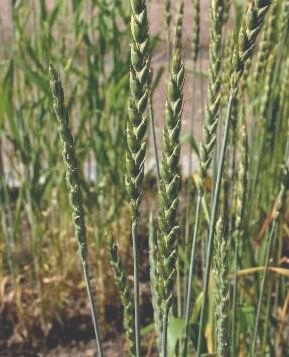
Photo: Wikipedia
Spelt is an ancient, hulled wheat with a robust, nutty flavor and a pleasantly chewy texture when cooked. It's a nutritional powerhouse, offering a solid 5.5g of protein and 3.9g of fiber per 100g while remaining low in fat. Its hearty character makes it a satisfying base for both savory and sweet dishes.
Calorie split: 16% protein · 78% carbs · 6% fat
↓ Full nutrition💚 Why it's loved
People love spelt for its distinctive, earthy nuttiness that adds depth to salads, soups, and pilafs. Its ability to hold its shape while remaining tender makes it incredibly versatile in the kitchen.
⚠️ Watch-outs & how to enjoy it better
Spelt contains gluten, so it must be avoided by those with celiac disease or wheat allergies. Its high-fiber content can cause digestive discomfort if introduced too quickly. To ease digestion, start with small portions and ensure you drink plenty of water.
Key benefits
- Rich in dietary fiber for digestive health
- Good plant-based protein source
- Contains essential minerals like magnesium and manganese
- May have a lower gluten index than modern wheat
- Provides sustained energy from complex carbohydrates
🍽️ Popular dishes
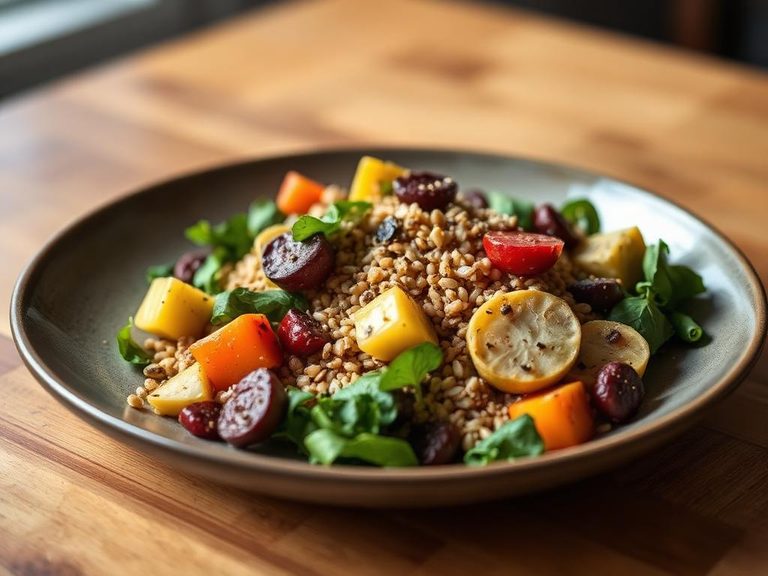
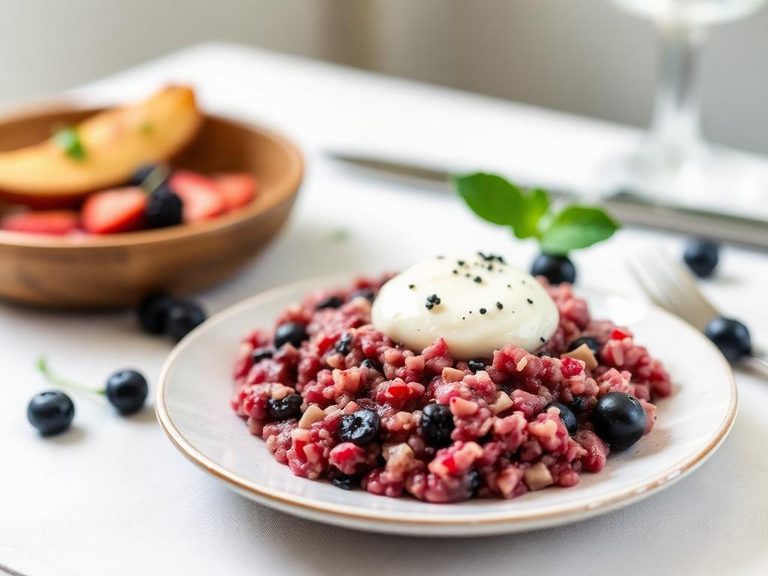
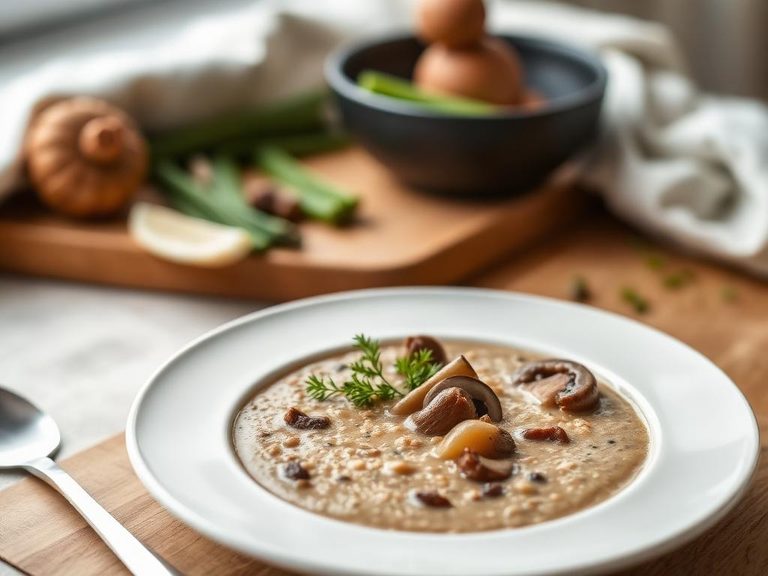
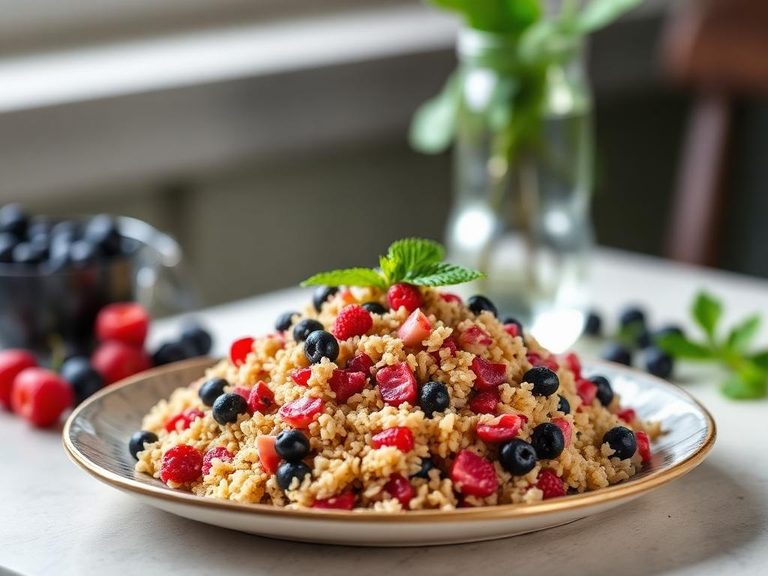
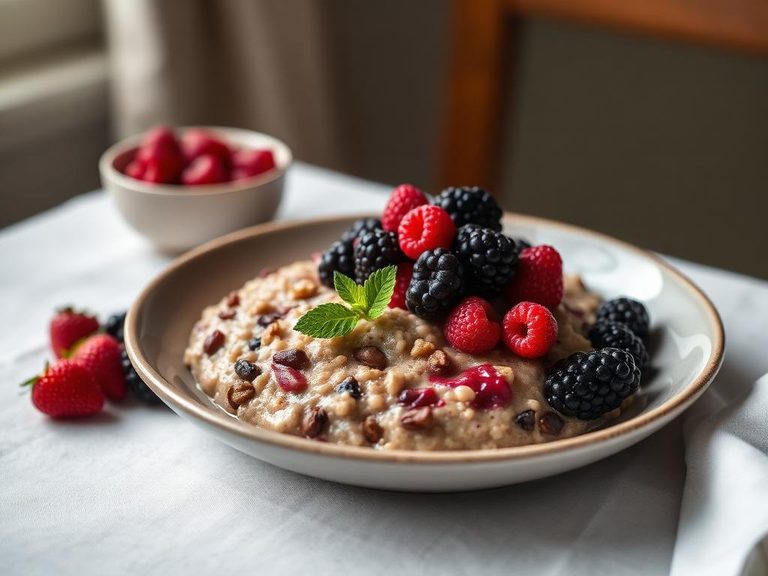
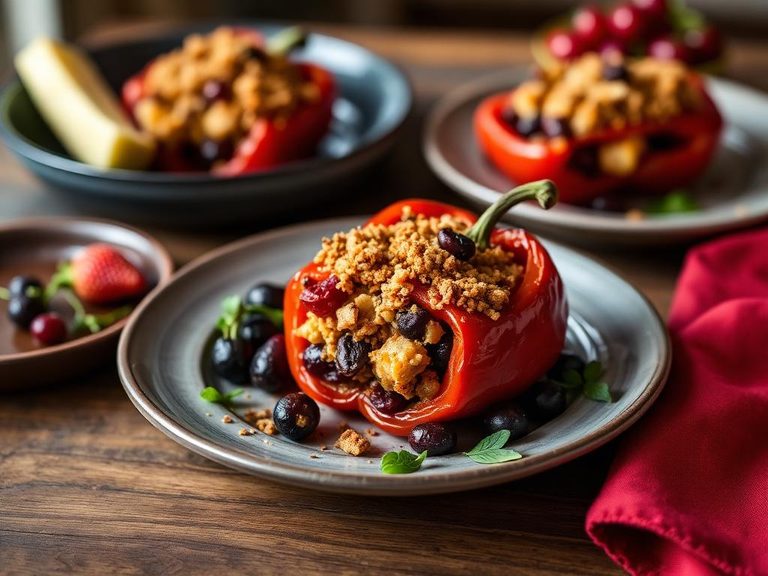
🌍 Where it's eaten
💡 Did you know?
Spelt was found in a Neolithic site in present-day Romania, dating back to approximately 5000 BCE, making it one of the earliest cultivated grains.
Full nutrition (USDA data · scales with serving)
| Water | 66.6 g |
| Energy | 127 kcal |
| Energy | 530 kj |
| Protein | 5.5 g |
| Total lipid (fat) | 0.85 g |
| Ash | 0.65 g |
| Carbohydrate, by difference | 26.4 g |
| Fiber, total dietary | 3.9 g |
| Starch | 19.6 g |
| Calcium, Ca | 10.0 mg |
| Iron, Fe | 1.7 mg |
| Magnesium, Mg | 49.0 mg |
| Phosphorus, P | 150 mg |
| Potassium, K | 143 mg |
| Sodium, Na | 5.0 mg |
| Zinc, Zn | 1.3 mg |
| Copper, Cu | 0.21 mg |
| Manganese, Mn | 1.1 mg |
| Selenium, Se | 4.0 ug |
| Vitamin C, total ascorbic acid | 0.00 mg |
| Thiamin | 0.10 mg |
| Riboflavin | 0.03 mg |
| Niacin | 2.6 mg |
| Vitamin B-6 | 0.08 mg |
| Folate, total | 13.0 ug |
| Folic acid | 0.00 ug |
| Folate, food | 13.0 ug |
| Folate, DFE | 13.0 ug |
| Vitamin B-12 | 0.00 ug |
| Vitamin A, RAE | 0.00 ug |
| Retinol | 0.00 ug |
| Vitamin A, IU | 4.0 iu |
| Vitamin E (alpha-tocopherol) | 0.26 mg |
| Tocopherol, beta | 0.08 mg |
| Tocopherol, gamma | 0.55 mg |
| Tocopherol, delta | 0.00 mg |
| Tocotrienol, alpha | 0.11 mg |
| Tocotrienol, beta | 0.00 mg |
| Tocotrienol, gamma | 0.00 mg |
| Tocotrienol, delta | 0.00 mg |
Fat & fatty acid profile (per 100g)
| Cholesterol | 0.00 mg |
Amino acid profile (per 100g)
Estimated from Spelt, uncooked — USDA does not publish this profile for Spelt.
| Tryptophan | 0.13 g |
| Threonine | 0.44 g |
| Isoleucine | 0.55 g |
| Leucine | 1.1 g |
| Lysine | 0.41 g |
| Methionine | 0.26 g |
| Cystine | 0.33 g |
| Phenylalanine | 0.74 g |
| Tyrosine | 0.38 g |
| Valine | 0.68 g |
| Arginine | 0.69 g |
| Histidine | 0.36 g |
| Alanine | 0.53 g |
| Aspartic acid | 0.76 g |
| Glutamic acid | 4.7 g |
| Glycine | 0.60 g |
| Proline | 1.6 g |
| Serine | 0.72 g |
FAQ
Is spelt gluten-free?
No, spelt is a variety of wheat and contains gluten. It is not safe for individuals with celiac disease or gluten sensitivity.
How do I cook spelt berries?
Rinse 1 cup of spelt berries. Combine with 3 cups of water or broth in a pot. Bring to a boil, then simmer covered for 45-60 minutes until tender but chewy. Drain any excess liquid.
What's the difference between spelt and farro?
Spelt and farro are both ancient wheat varieties. Spelt has a thinner hull that remains on the grain, while farro (often emmer wheat) has a tougher hull that's removed. They have similar nutty flavors but slightly different textures.
Nutrient density (calculated · NRF9.3)
Nutrient Rich Foods index: beneficial nutrients (protein, fiber, vitamins, minerals) minus saturated fat, added sugar & sodium, per 100 kcal.
NRF9.3 index — Fulgoni, Keast & Drewnowski, 2009. Computed from USDA nutrients.
Weight-loss friendliness (composite index)
Energy density 1.27 kcal/g · 17% calories from protein · 3.9 g fiber · 0.0 g sugar per 100 g.
Composite of energy density (Rolls et al., 1999), protein & fiber satiety, minus sugar. A calculated heuristic — ranks satiety-per-calorie, not a clinical measure.
Dietary load (calculated from USDA values)
Potential renal acid load. Positive = acid-forming, negative = alkaline-forming.
Sodium-to-potassium ratio: 0.03 (lower is better — aim for ≤ 1)
Sodium:potassium per WHO potassium guidance. Computed from USDA nutrients.