Spelt Berry Pilaf
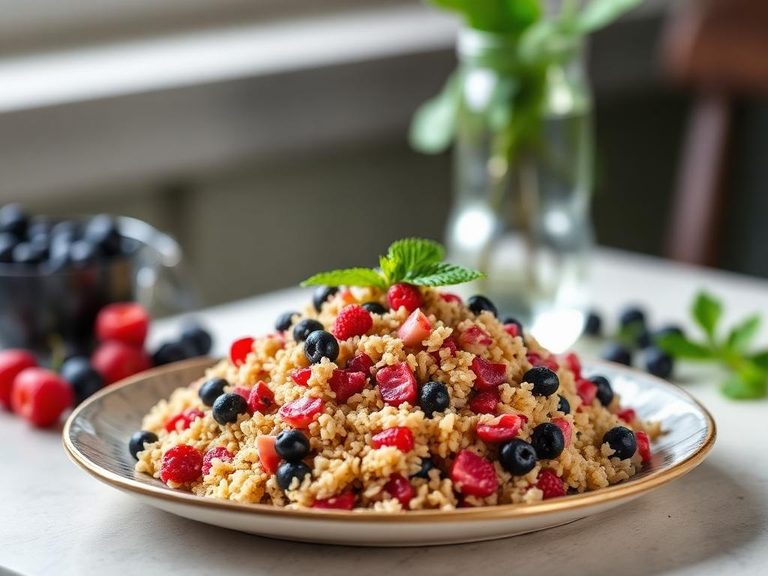
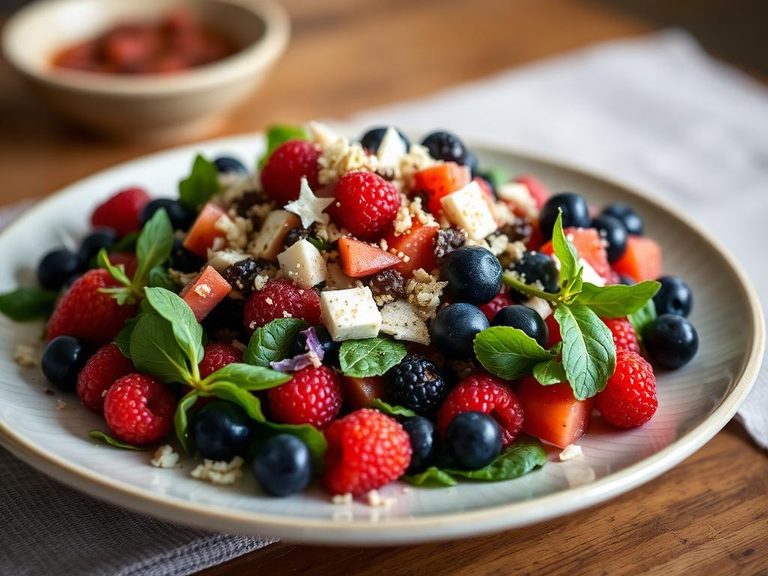
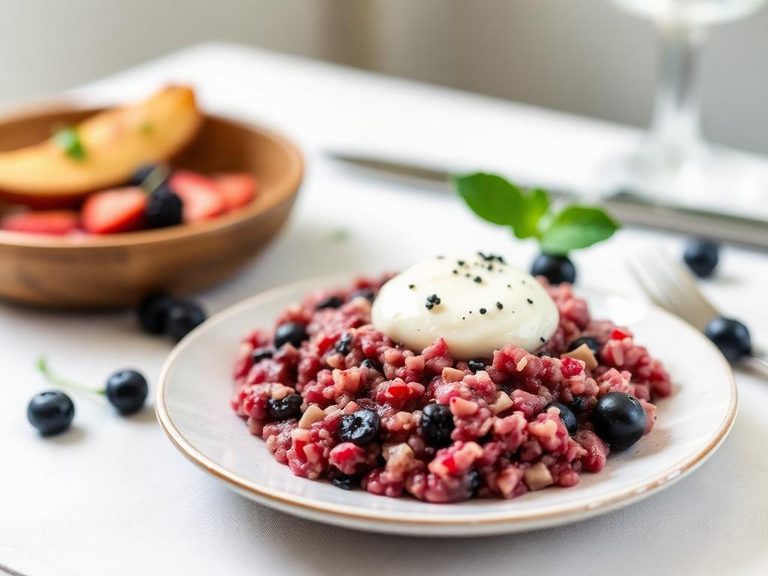
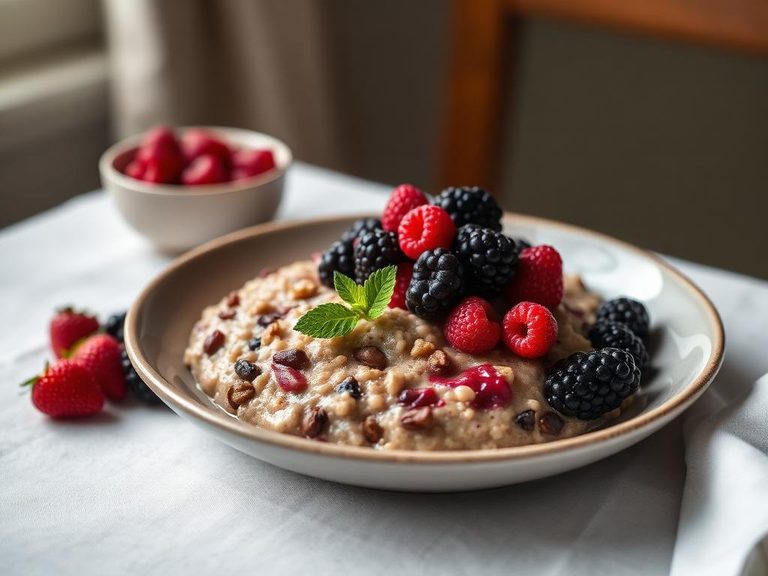
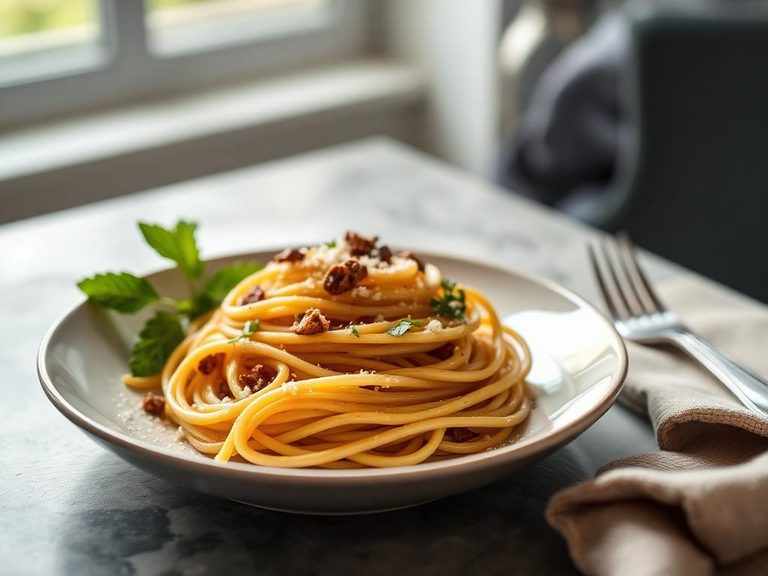
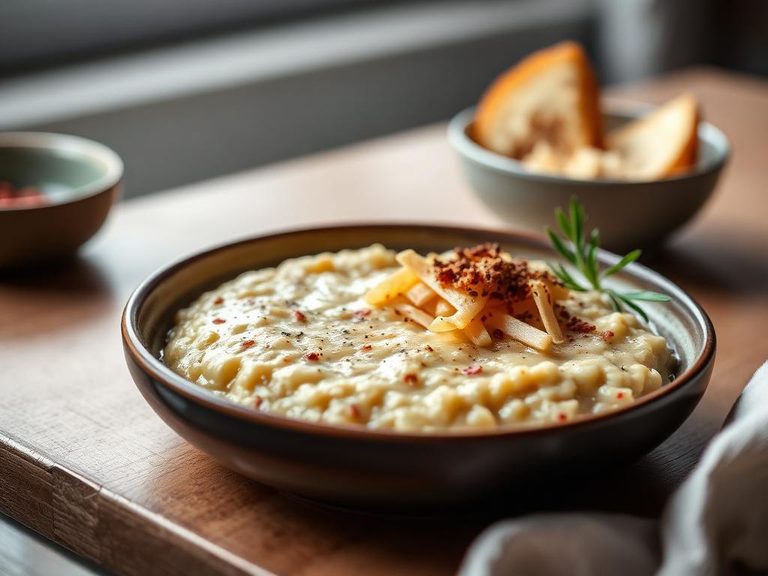
Spelt Berry Pilaf is a hearty, nutty grain dish where whole spelt berries are simmered with aromatics like onions, garlic, and herbs, often finished with toasted nuts or dried fruit. It's a rustic preparation with roots in European and Middle Eastern cuisines, where spelt has been cultivated for millennia. The dish is celebrated for its chewy texture and earthy flavor, making it a satisfying base for both vegetarian and meat-based meals.
🍽️ Nutrition at a glance
This pilaf is a balanced, high-fiber dish with a moderate amount of plant-based protein and complex carbohydrates. A typical serving provides around 300-350 calories, along with significant amounts of manganese, phosphorus, and magnesium from the whole spelt berries.
Nutrition breakdown
| Calories | 320 kcal |
| Protein | 11 g |
| Carbs | 58 g |
| Fat | 5 g |
| Fiber | 8 g |
| Sugar | 3 g |
| Sodium | 300 mg |
| Manganese | 2.5 mg |
| Phosphorus | 280 mg |
| Magnesium | 85 mg |
| Iron | 3.2 mg |
| Zinc | 2.8 mg |
| Thiamin (B1) | 0.2 mg |
| Niacin (B3) | 4.5 mg |
| Selenium | 15 mcg |
Per 1 cup (240 g) · estimated, varies by recipe
💡 What's interesting
Spelt is an ancient grain that was a staple in parts of Europe during the Roman Empire and Middle Ages, and its berries retain their whole-grain nutrition when cooked. Nutritionally, spelt offers a different gluten structure than modern wheat, which some people find easier to digest, though it is not suitable for those with celiac disease.