

Seeds, sunflower seed kernels, toasted, with salt added
Whole food · Nut and Seed Products

Photo: Wikipedia
Sunflower seed kernels are the tender, shelled hearts of the sunflower seed, boasting a satisfying crunch and a rich, nutty, slightly buttery flavor. Toasting deepens their earthy notes and amplifies their natural oils, while a light salt seasoning makes them an intensely savory snack. Nutritionally, they are a powerhouse of healthy fats and plant-based protein, providing sustained energy in a small, crunchy package.
Calorie split: 10% protein · 12% carbs · 77% fat
↓ Full nutrition💚 Why it's loved
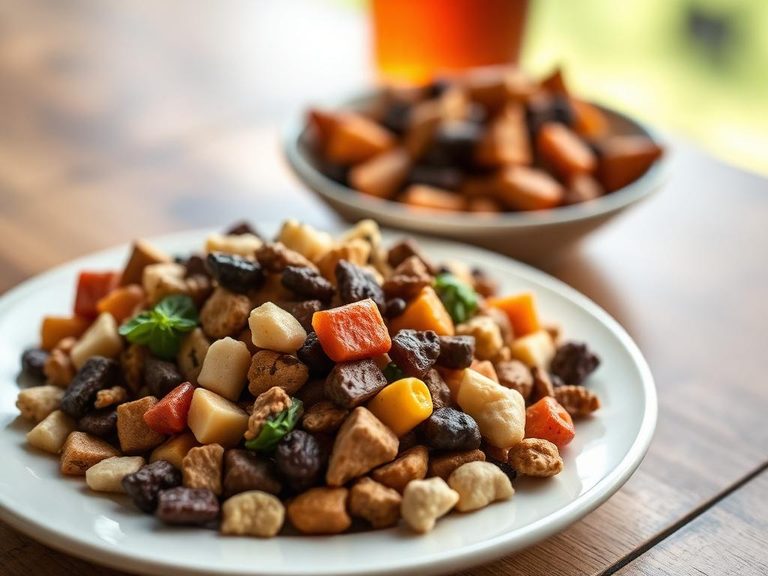
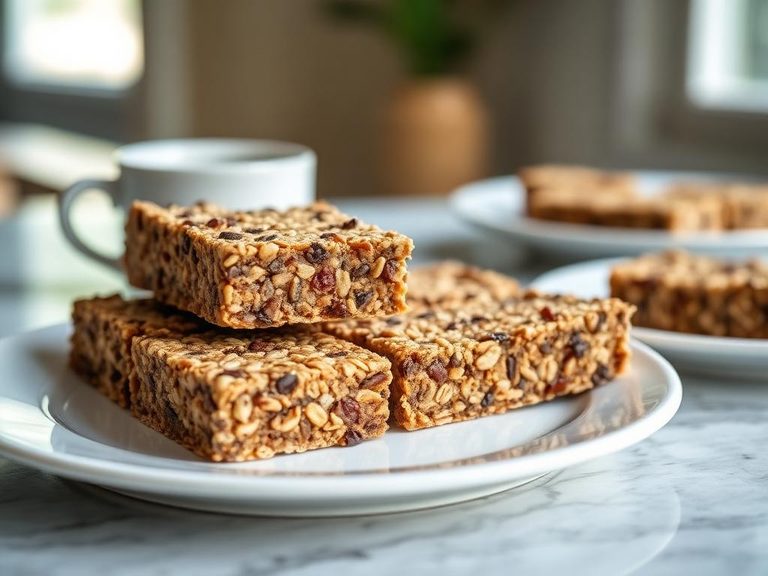
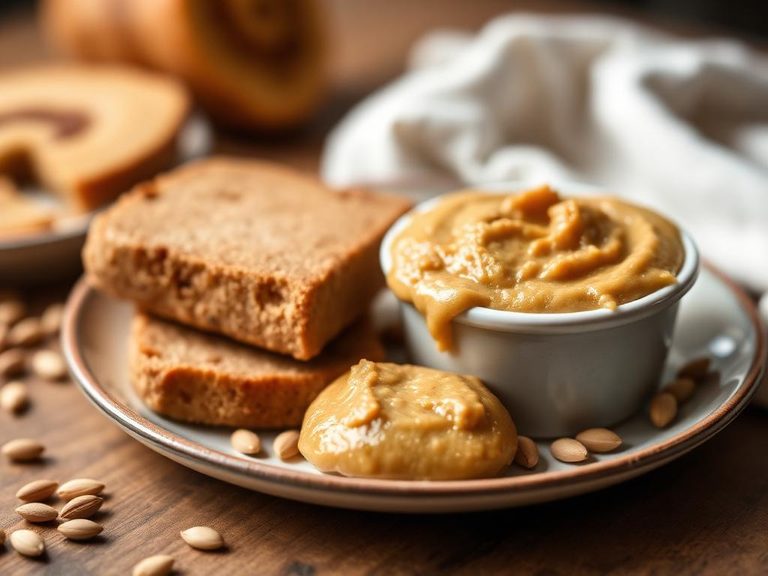
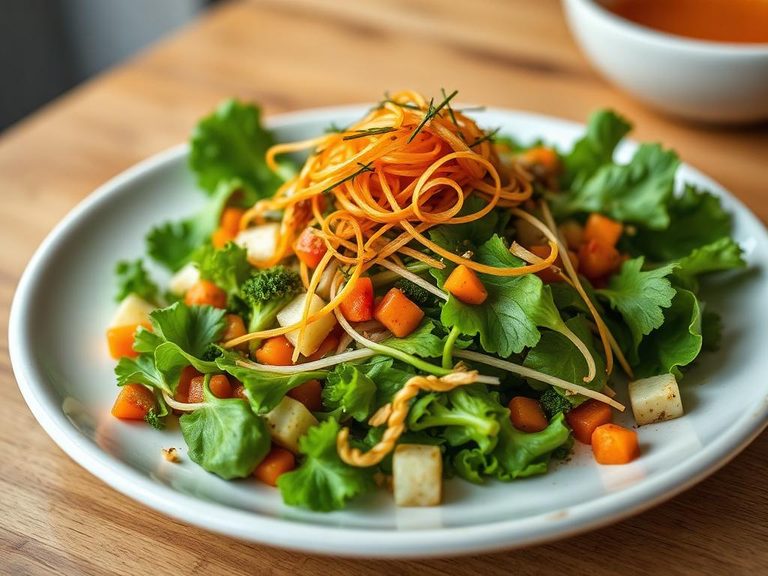
People adore them for their deeply satisfying crunch and savory, umami-rich flavor that hits the perfect spot for a salty craving. They are incredibly versatile, equally at home in a trail mix, sprinkled over salads for texture, or baked into breads and granola bars.
⚠️ Watch-outs & how to enjoy it better
The high sodium content from added salt can be a concern for those monitoring blood pressure, and the dense calorie count means portions can add up quickly. As a common allergen, they must be avoided by those with seed allergies. To counteract sodium, opt for low-salt or no-salt-added versions and pair them with potassium-rich foods like bananas or leafy greens. For portion control, pre-portion into small containers rather than eating from a large bag.
Key benefits
- Excellent source of vitamin E, a potent antioxidant.
- High in magnesium, supporting muscle and nerve function.
- Provides a substantial amount of plant-based protein.
- Rich in selenium, which supports thyroid health.
- Contains healthy monounsaturated and polyunsaturated fats.
🍽️ Popular dishes
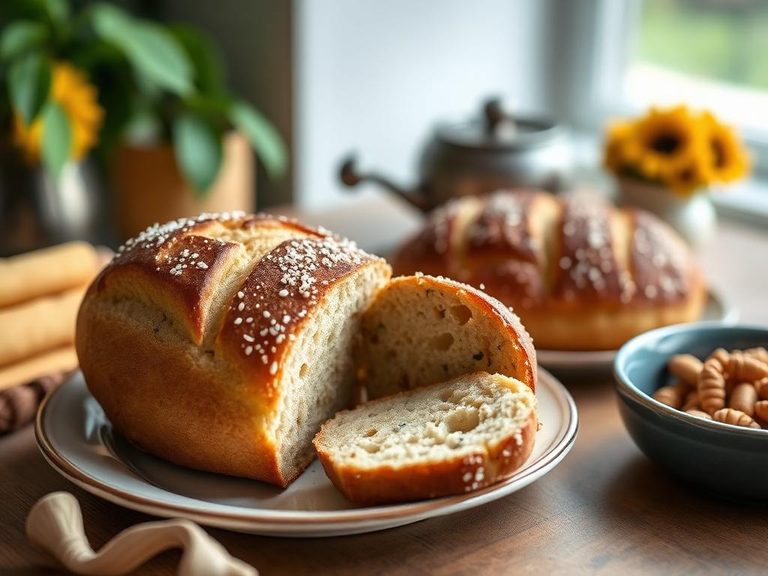
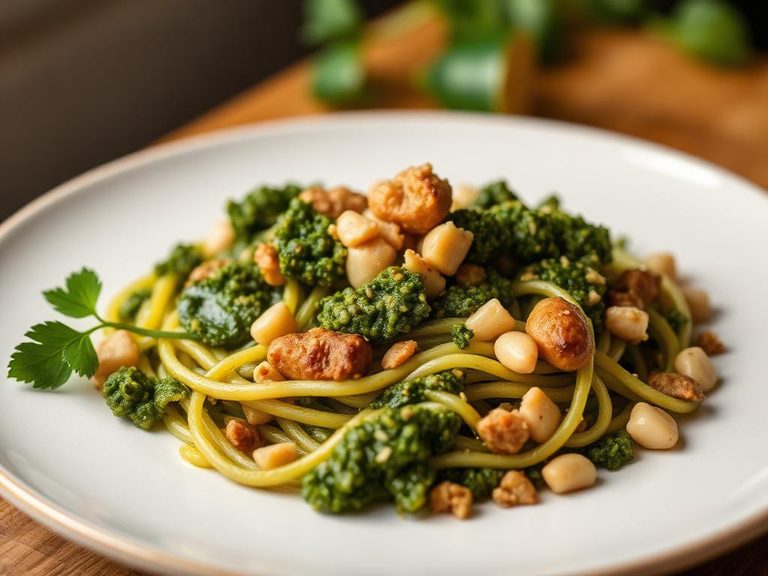
🌍 Where it's eaten
💡 Did you know?
Sunflower seeds are technically not true seeds but single-seeded fruits called achenes, and the familiar striped shell is actually the fruit wall.
Full nutrition (USDA data · scales with serving)
| Water | 1.0 g |
| Energy | 619 kcal |
| Energy | 2590 kj |
| Protein | 17.2 g |
| Total lipid (fat) | 56.8 g |
| Ash | 4.4 g |
| Carbohydrate, by difference | 20.6 g |
| Fiber, total dietary | 11.5 g |
| Calcium, Ca | 57.0 mg |
| Iron, Fe | 6.8 mg |
| Magnesium, Mg | 129 mg |
| Phosphorus, P | 1158 mg |
| Potassium, K | 491 mg |
| Sodium, Na | 613 mg |
| Zinc, Zn | 5.3 mg |
| Copper, Cu | 1.8 mg |
| Manganese, Mn | 2.1 mg |
| Selenium, Se | 62.2 ug |
| Vitamin C, total ascorbic acid | 1.4 mg |
| Thiamin | 0.33 mg |
| Riboflavin | 0.28 mg |
| Niacin | 4.2 mg |
| Pantothenic acid | 7.1 mg |
| Vitamin B-6 | 0.81 mg |
| Folate, total | 238 ug |
| Folic acid | 0.00 ug |
| Folate, food | 238 ug |
| Folate, DFE | 238 ug |
| Vitamin B-12 | 0.00 ug |
| Vitamin A, RAE | 0.00 ug |
| Retinol | 0.00 ug |
| Vitamin A, IU | 0.00 iu |
| Vitamin D (D2 + D3), International Units | 0.00 iu |
| Vitamin D (D2 + D3) | 0.00 ug |
Fat & fatty acid profile (per 100g)
| Fatty acids, total saturated | 6.0 g |
| SFA 14:0 | 0.06 g |
| SFA 16:0 | 3.2 g |
| SFA 18:0 | 2.5 g |
| Fatty acids, total monounsaturated | 10.8 g |
| MUFA 16:1 | 0.06 g |
| MUFA 18:1 | 10.7 g |
| MUFA 20:1 | 0.06 g |
| Fatty acids, total polyunsaturated | 37.5 g |
| PUFA 18:2 | 37.4 g |
| PUFA 18:3 | 0.08 g |
| Cholesterol | 0.00 mg |
Amino acid profile (per 100g)
| Tryptophan | 0.26 g |
| Threonine | 0.70 g |
| Isoleucine | 0.86 g |
| Leucine | 1.3 g |
| Lysine | 0.71 g |
| Methionine | 0.37 g |
| Cystine | 0.34 g |
| Phenylalanine | 0.88 g |
| Tyrosine | 0.50 g |
| Valine | 0.99 g |
| Arginine | 1.8 g |
| Histidine | 0.48 g |
| Alanine | 0.84 g |
| Aspartic acid | 1.8 g |
| Glutamic acid | 4.2 g |
| Glycine | 1.1 g |
| Proline | 0.89 g |
| Serine | 0.81 g |
FAQ
What's the difference between sunflower seeds and sunflower seed kernels?
Sunflower seeds refer to the entire fruit, including the hard, inedible outer shell (hull). Sunflower seed kernels are the inner, edible part after the shell has been removed.
Are toasted sunflower seeds healthier than raw?
Toasting primarily enhances flavor and texture. Nutritionally, they are very similar, though intense high-heat roasting can slightly reduce some heat-sensitive vitamins. The key health factor is the amount of added salt and oil.
Why do my sunflower seeds sometimes taste bitter?
A bitter taste can indicate that the seeds have begun to oxidize and go rancid due to their high fat content. Always store them in an airtight container in a cool, dark place, or refrigerate them for longer shelf life.
Nutrient density (calculated · NRF9.3)
Nutrient Rich Foods index: beneficial nutrients (protein, fiber, vitamins, minerals) minus saturated fat, added sugar & sodium, per 100 kcal.
NRF9.3 index — Fulgoni, Keast & Drewnowski, 2009. Computed from USDA nutrients.
Weight-loss friendliness (composite index)
Energy density 6.19 kcal/g · 11% calories from protein · 11.5 g fiber · 0.0 g sugar per 100 g.
Composite of energy density (Rolls et al., 1999), protein & fiber satiety, minus sugar. A calculated heuristic — ranks satiety-per-calorie, not a clinical measure.
Dietary load (calculated from USDA values)
Potential renal acid load. Positive = acid-forming, negative = alkaline-forming.
Sodium-to-potassium ratio: 1.25 (lower is better — aim for ≤ 1)
Sodium:potassium per WHO potassium guidance. Computed from USDA nutrients.