

Seeds, sisymbrium sp. seeds, whole, dried
Whole food · Nut and Seed Products

Photo: Wikipedia
Sisymbrium sp. seeds, also known as hedge mustard seeds, are small, dark, and pungent with a sharp, peppery, and slightly bitter flavor reminiscent of mustard and horseradish. When dried, they have a hard, crunchy texture that releases a complex, earthy aroma when ground or chewed. Nutritionally, they are a notable source of plant-based protein and carbohydrates, offering a concentrated energy boost with minimal fat.
Calorie split: 15% protein · 72% carbs · 13% fat
↓ Full nutrition💚 Why it's loved
People love these seeds for their intense, fiery kick that elevates pickles, sauces, and spice blends, adding a rustic, authentic depth. Their versatility in both whole and ground forms makes them a cherished ingredient in traditional European and Middle Eastern cuisines for creating bold, complex flavors.
⚠️ Watch-outs & how to enjoy it better
The sharp, bitter taste can be overwhelming if used excessively, and the hard seeds may be difficult to digest for some, potentially causing mild gastrointestinal discomfort. To counteract this, use them sparingly, toast lightly to mellow the bitterness, or grind them into a paste and pair with fats like yogurt or oil to balance the intensity.
Key benefits
- High in plant-based protein for muscle maintenance
- Rich in carbohydrates for quick energy
- Contains minerals like calcium and iron
- Traditionally used as a digestive aid
- Low in fat and sugar
🍽️ Popular dishes
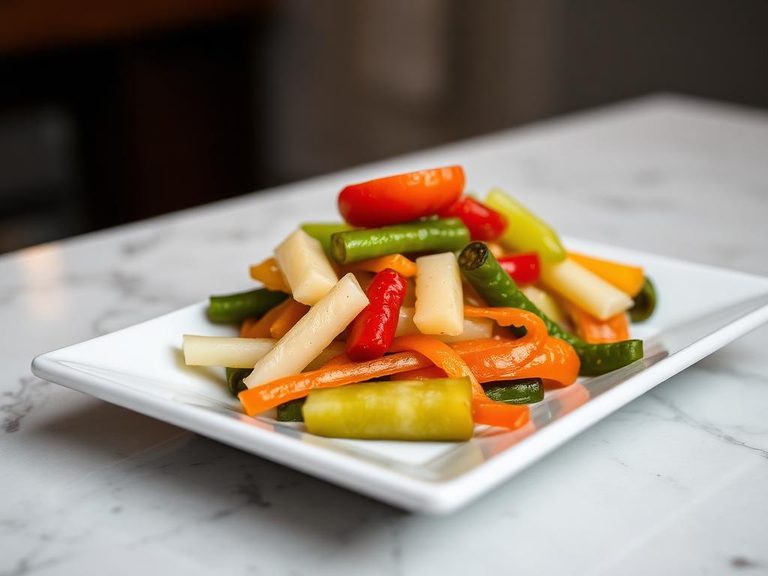
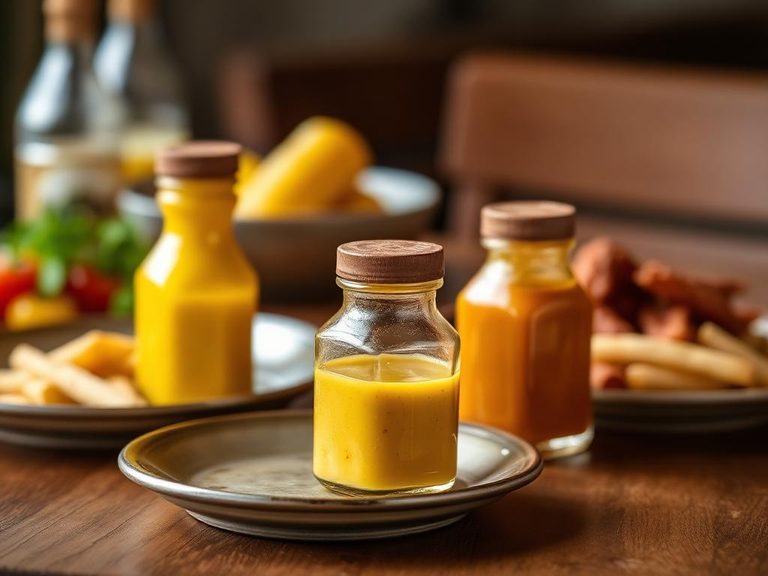
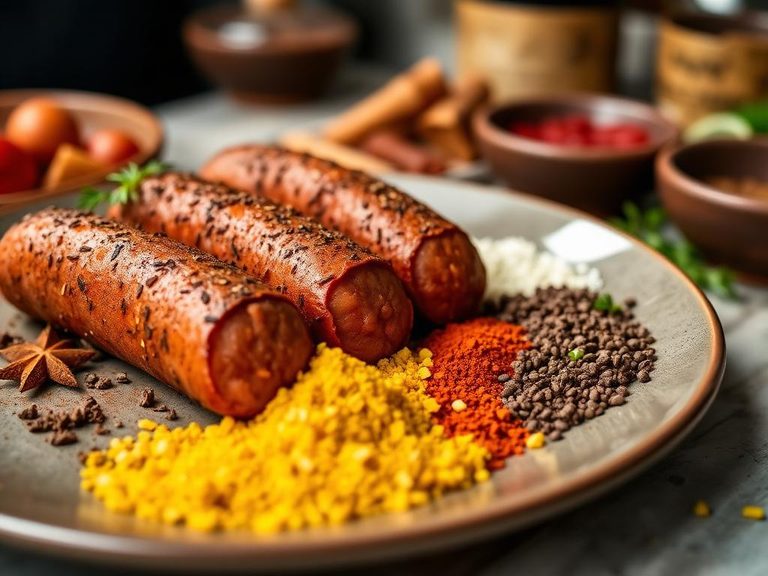
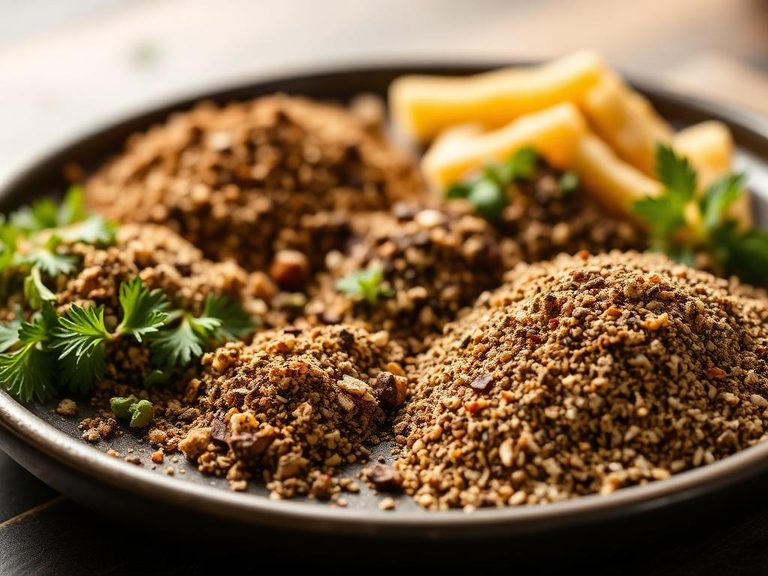
🌍 Where it's eaten
💡 Did you know?
Sisymbrium seeds were historically used as a folk remedy for sore throats and coughs, often prepared as a syrup or gargle, and are sometimes called 'hedge mustard' due to their common growth in hedgerows.
Full nutrition (USDA data · scales with serving)
| Water | 6.1 g |
| Energy | 318 kcal |
| Energy | 1331 kj |
| Protein | 12.1 g |
| Total lipid (fat) | 4.6 g |
| Ash | 18.9 g |
| Carbohydrate, by difference | 58.3 g |
| Calcium, Ca | 1633 mg |
| Iron, Fe | 0.11 mg |
| Magnesium, Mg | 314 mg |
| Phosphorus, P | 6.0 mg |
| Potassium, K | 2130 mg |
| Sodium, Na | 92.0 mg |
| Zinc, Zn | 0.30 mg |
| Copper, Cu | 0.11 mg |
| Manganese, Mn | 1.5 mg |
| Vitamin C, total ascorbic acid | 30.7 mg |
| Thiamin | 0.19 mg |
| Riboflavin | 0.42 mg |
| Niacin | 16.8 mg |
| Pantothenic acid | 1.00 mg |
| Vitamin B-6 | 0.78 mg |
| Folate, total | 95.0 ug |
| Folic acid | 0.00 ug |
| Folate, food | 95.0 ug |
| Folate, DFE | 95.0 ug |
| Vitamin B-12 | 0.00 ug |
| Vitamin A, RAE | 3.0 ug |
| Retinol | 0.00 ug |
| Vitamin A, IU | 63.0 iu |
Fat & fatty acid profile (per 100g)
| Fatty acids, total saturated | 0.90 g |
| SFA 16:0 | 0.62 g |
| SFA 18:0 | 0.13 g |
| Fatty acids, total monounsaturated | 1.5 g |
| MUFA 16:1 | 0.04 g |
| MUFA 18:1 | 0.84 g |
| MUFA 20:1 | 0.35 g |
| MUFA 22:1 | 0.26 g |
| Fatty acids, total polyunsaturated | 2.0 g |
| PUFA 18:2 | 0.57 g |
| PUFA 18:3 | 1.5 g |
| Cholesterol | 0.00 mg |
Amino acid profile (per 100g)
| Tryptophan | 0.27 g |
| Threonine | 0.69 g |
| Isoleucine | 0.65 g |
| Leucine | 1.2 g |
| Lysine | 0.81 g |
| Methionine | 0.31 g |
| Cystine | 0.24 g |
| Phenylalanine | 0.58 g |
| Tyrosine | 0.42 g |
| Valine | 0.70 g |
| Arginine | 0.80 g |
| Histidine | 0.33 g |
| Alanine | 0.69 g |
| Aspartic acid | 1.5 g |
| Glutamic acid | 1.8 g |
| Glycine | 0.70 g |
| Proline | 0.67 g |
| Serine | 0.48 g |
FAQ
What do Sisymbrium seeds taste like?
They have a sharp, peppery, and slightly bitter flavor similar to mustard and horseradish, with a crunchy texture when whole.
How are Sisymbrium seeds used in cooking?
They are often used whole or ground in pickling brines, spice blends, mustard sauces, and as a seasoning for meats and vegetables.
Are Sisymbrium seeds nutritious?
Yes, they are a good source of plant-based protein and carbohydrates, with minimal fat and sugar, and contain minerals like calcium and iron.
Can Sisymbrium seeds be eaten raw?
While they can be eaten raw, toasting or grinding them can enhance their flavor and make them easier to digest.
What are the potential downsides of consuming Sisymbrium seeds?
Their strong, bitter taste may be off-putting, and excessive consumption could cause digestive discomfort; using them in moderation and pairing with fats can help.
Nutrient density (calculated · NRF9.3)
Nutrient Rich Foods index: beneficial nutrients (protein, fiber, vitamins, minerals) minus saturated fat, added sugar & sodium, per 100 kcal.
NRF9.3 index — Fulgoni, Keast & Drewnowski, 2009. Computed from USDA nutrients.
Weight-loss friendliness (composite index)
Energy density 3.18 kcal/g · 15% calories from protein · 0.0 g fiber · 0.0 g sugar per 100 g.
Composite of energy density (Rolls et al., 1999), protein & fiber satiety, minus sugar. A calculated heuristic — ranks satiety-per-calorie, not a clinical measure.
Dietary load (calculated from USDA values)
Potential renal acid load. Positive = acid-forming, negative = alkaline-forming.
Sodium-to-potassium ratio: 0.04 (lower is better — aim for ≤ 1)
Sodium:potassium per WHO potassium guidance. Computed from USDA nutrients.