Herbal infusions
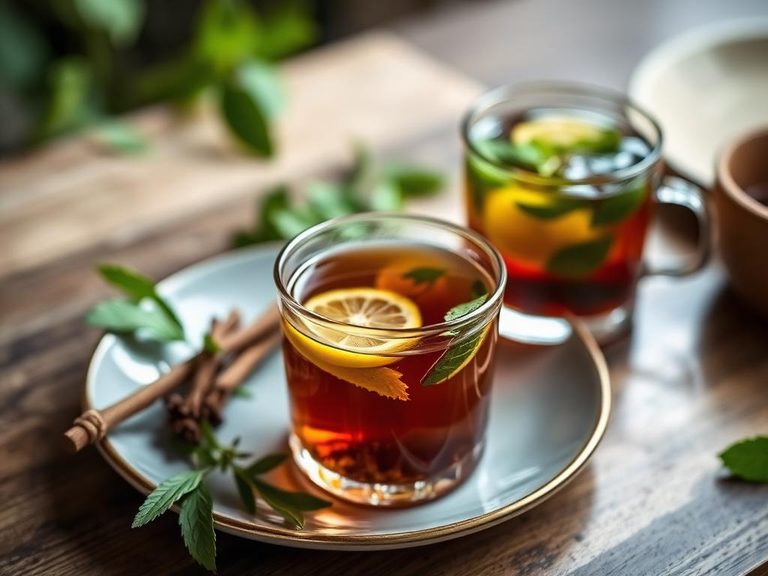
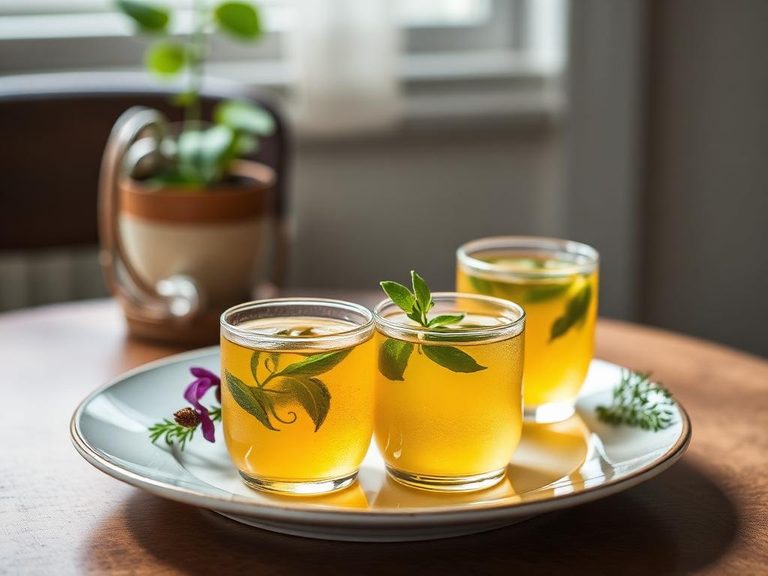
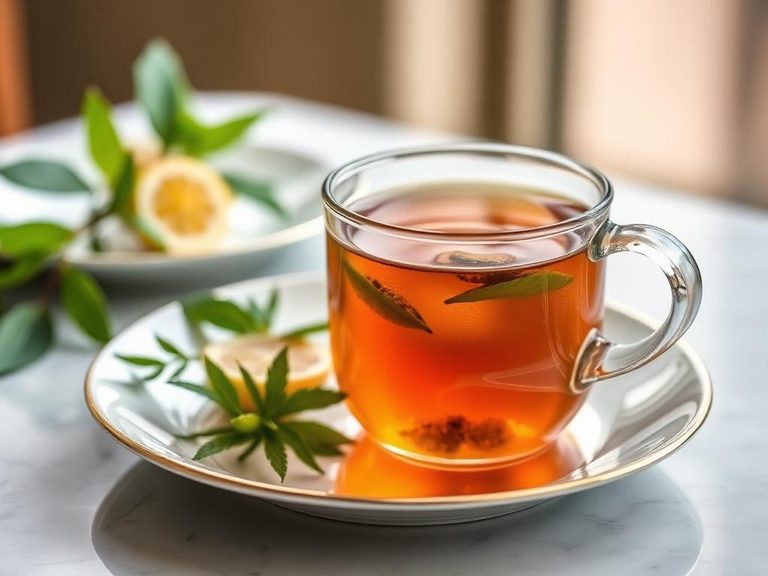
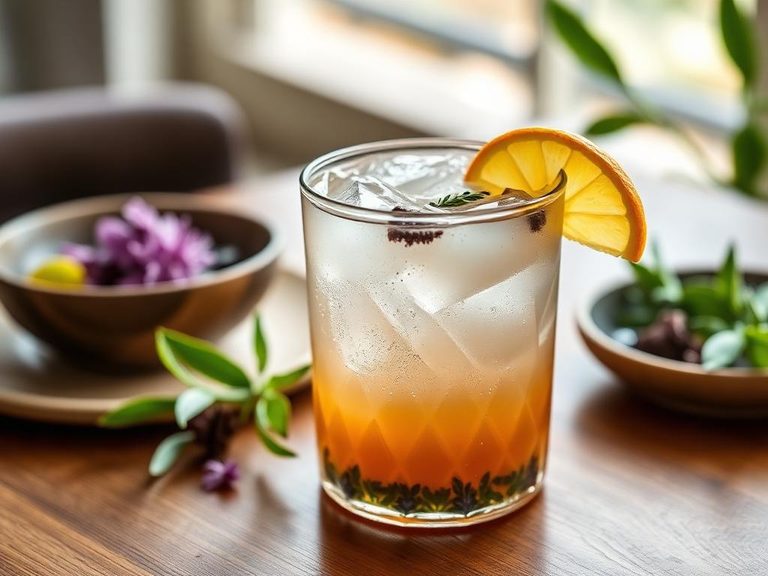
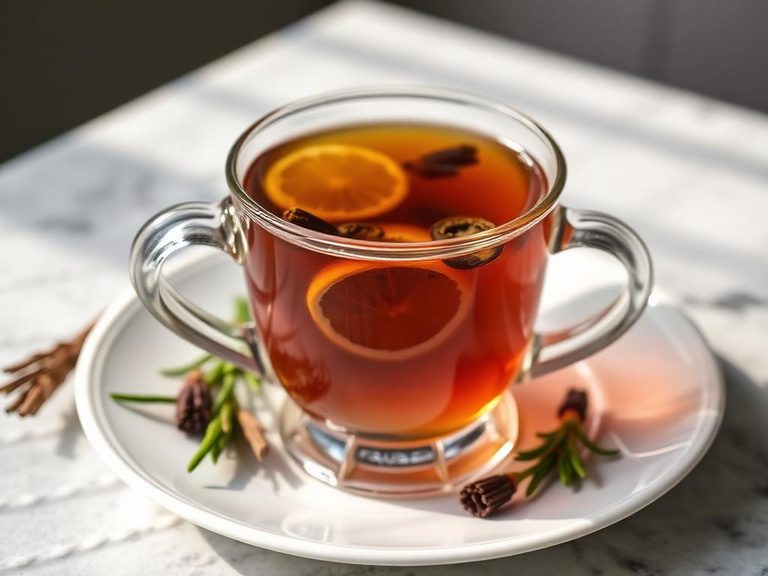
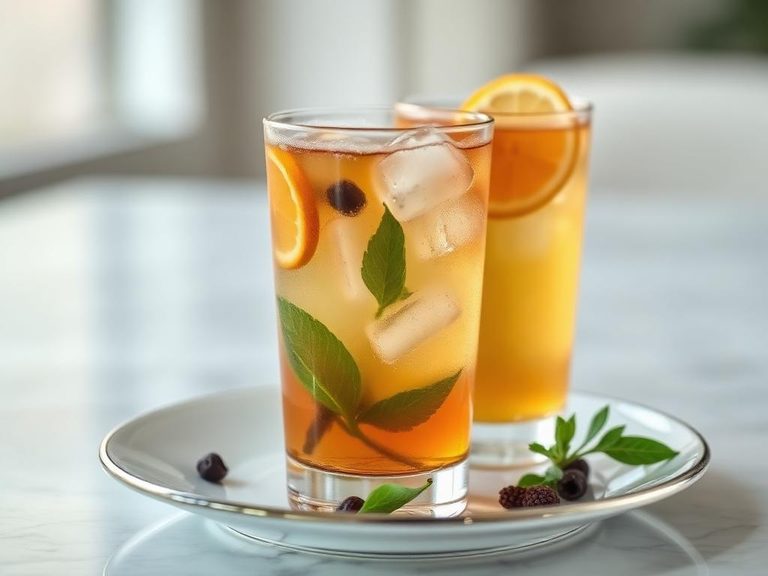
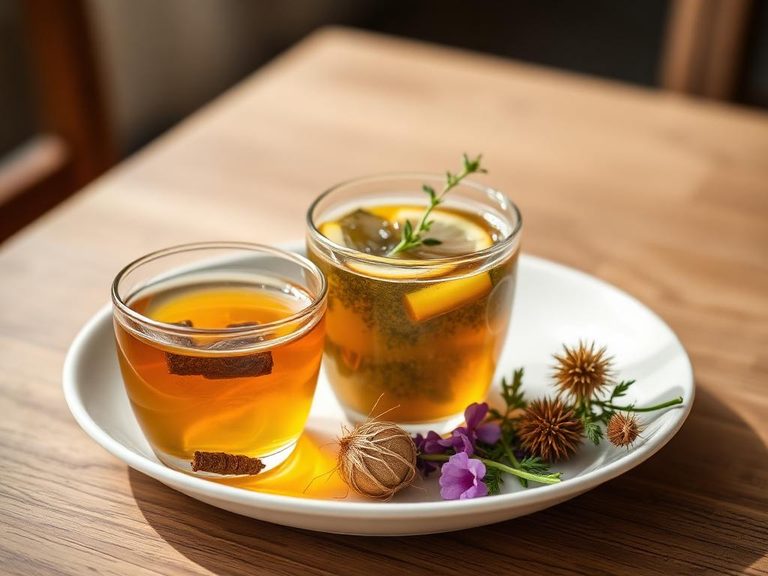
Herbal infusions, also known as tisanes, are caffeine-free beverages made by steeping herbs, flowers, fruits, or spices in hot water. Unlike true tea from the Camellia sinensis plant, they can be made from a vast array of botanicals like chamomile, peppermint, hibiscus, or rooibos. This practice of creating soothing drinks from plants has roots in ancient traditions across the globe, from Traditional Chinese Medicine to European folk remedies.
🍽️ Nutrition at a glance
Herbal infusions are virtually calorie-free and contain no significant macronutrients like carbs, fat, or protein. Their primary nutritional contribution comes from water-soluble vitamins, minerals, and beneficial plant compounds (phytonutrients) extracted from the botanicals used, with a typical serving having fewer than 5 calories.
Nutrition breakdown
| Calories | 2 kcal |
| Protein | 0 g |
| Carbs | 0.5 g |
| Fat | 0 g |
| Fiber | 0 g |
| Sugar | 0 g |
| Sodium | 5 mg |
| Potassium | 20-50 mg |
| Manganese | 0.1-0.3 mg |
| Vitamin C | 1-5 mg |
| Calcium | 10-25 mg |
| Magnesium | 5-15 mg |
| Flavonoids | Variable |
| Polyphenols | Variable |
| Volatile Oils | Trace |
Per 1 cup (240 g) · estimated, varies by recipe
💡 What's interesting
What's fascinating is that the 'nutrition' of an herbal infusion is entirely dependent on the specific plant used—each herb offers a unique profile of compounds. Culturally, they represent a form of accessible, everyday wellness, used for centuries not just as drinks but as home remedies for everything from digestion to sleep.