

Seeds, sesame meal, partially defatted
Whole food · Nut and Seed Products

Photo: Wikipedia
Partially defatted sesame meal is the protein-rich, oil-pressed residue left after sesame oil extraction, resulting in a coarse, nutty-tasting flour. It boasts a remarkably high protein content for a plant-based ingredient, delivering a concentrated dose of amino acids without the full fat of whole seeds. Its texture is dry and slightly gritty, making it ideal for boosting nutrition in baked goods and savory dishes.
Calorie split: 11% protein · 17% carbs · 72% fat
↓ Full nutrition💚 Why it's loved
People love it for its potent, earthy sesame flavor and its ability to add substantial protein and a pleasant, slightly crunchy texture to everything from breads to stir-fries. It's a staple in many cuisines for creating rich, nutty sauces and coatings.
⚠️ Watch-outs & how to enjoy it better
As a concentrated seed product, it is a common allergen and contains oxalates, which may be a concern for those prone to kidney stones. To mitigate, always use in moderation, ensure adequate hydration, and pair it with vitamin C-rich foods (like citrus or peppers) to potentially reduce oxalate absorption. Its high fat content, though healthy, means calories add up quickly, so portion control is key.
Key benefits
- Excellent source of plant-based protein (16.96g per 100g)
- Provides essential minerals like calcium, iron, and magnesium
- Adds a deep, toasty nutty flavor without added sugars
- High in unsaturated fats from residual sesame oil
- A cost-effective way to enhance the nutritional profile of recipes
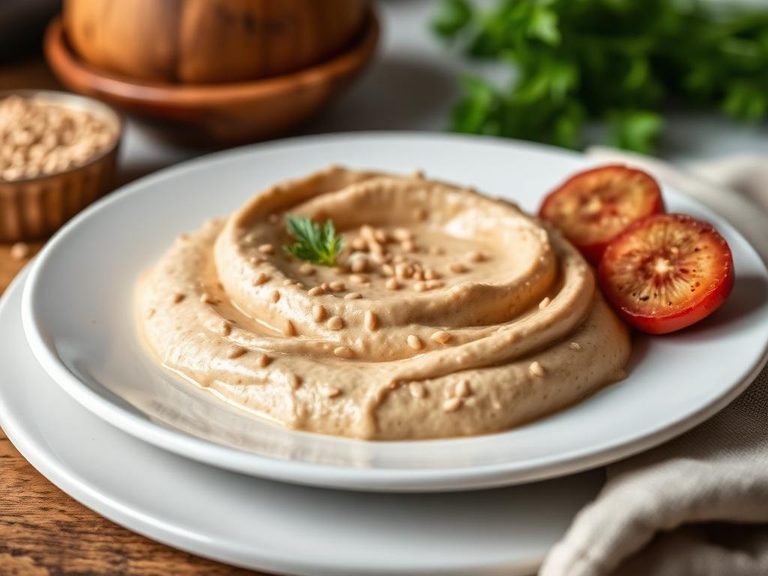
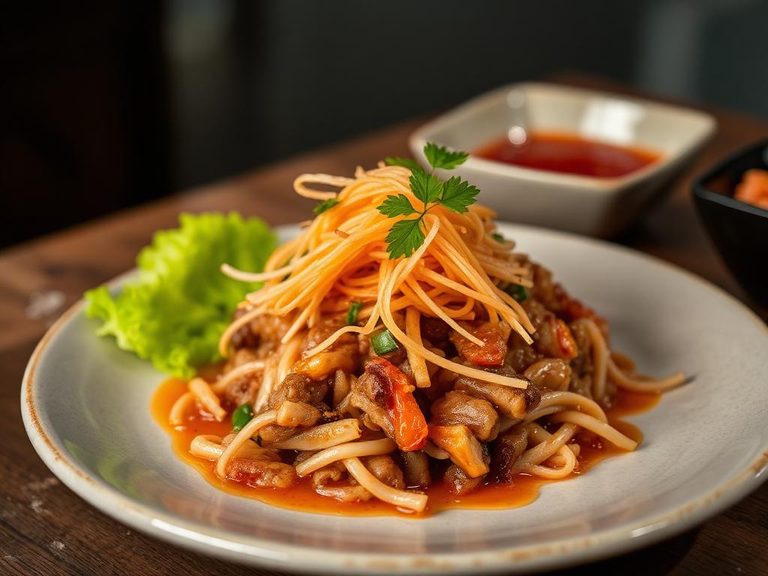
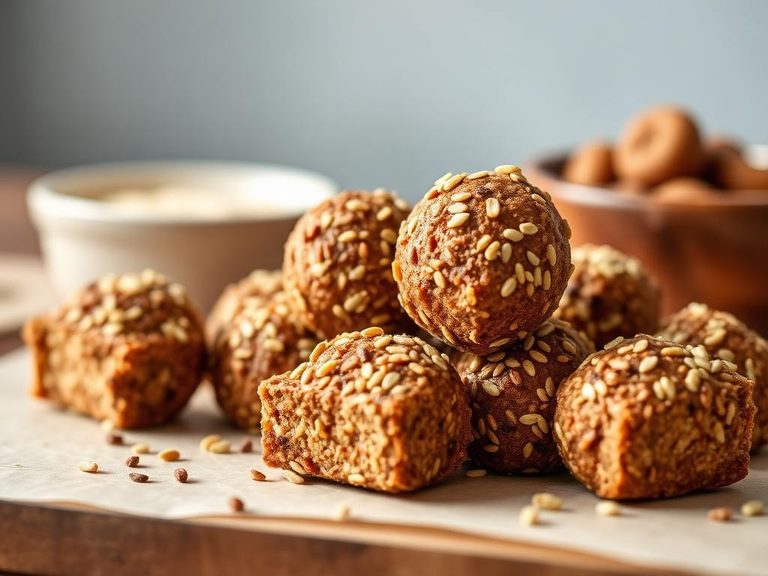
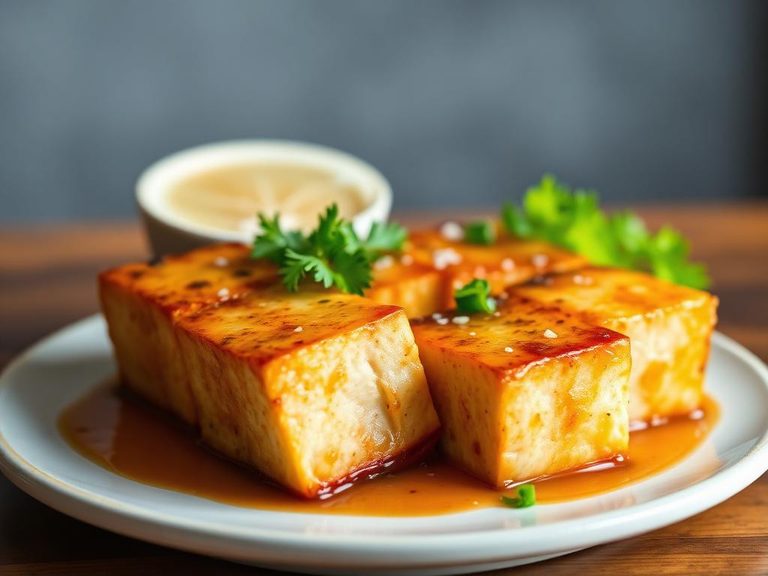
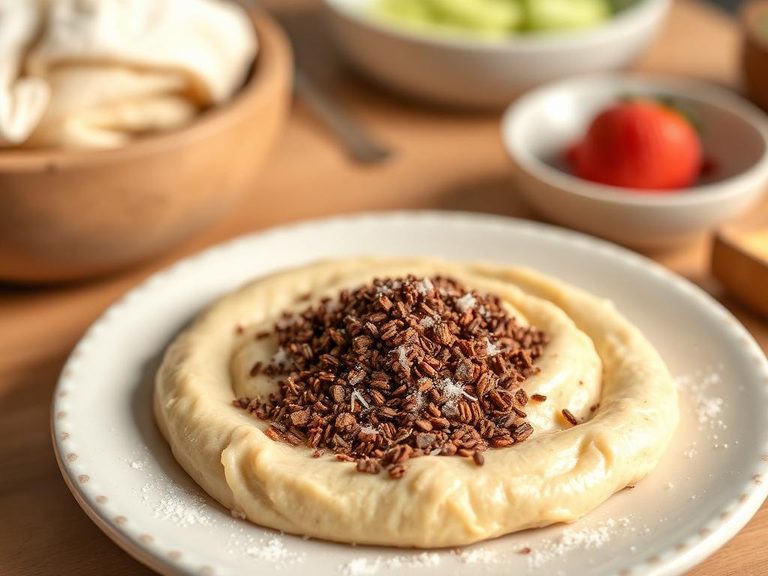
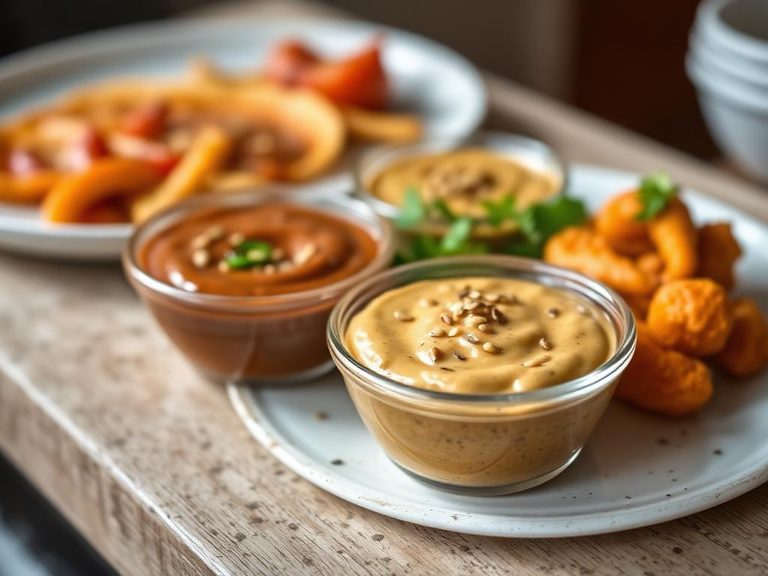
🍽️ Popular dishes
🌍 Where it's eaten
💡 Did you know?
The process of partially defatting sesame seeds to create this meal actually increases the protein concentration by weight, making it one of the most protein-dense flours available from a common seed.
Full nutrition (USDA data · scales with serving)
| Water | 5.0 g |
| Energy | 567 kcal |
| Energy | 2372 kj |
| Protein | 17.0 g |
| Total lipid (fat) | 48.0 g |
| Ash | 4.0 g |
| Carbohydrate, by difference | 26.0 g |
| Calcium, Ca | 153 mg |
| Iron, Fe | 14.6 mg |
| Magnesium, Mg | 346 mg |
| Phosphorus, P | 774 mg |
| Potassium, K | 406 mg |
| Sodium, Na | 39.0 mg |
| Zinc, Zn | 10.2 mg |
| Copper, Cu | 1.5 mg |
| Manganese, Mn | 1.4 mg |
| Vitamin C, total ascorbic acid | 0.00 mg |
| Thiamin | 2.6 mg |
| Riboflavin | 0.28 mg |
| Niacin | 12.8 mg |
| Pantothenic acid | 2.8 mg |
| Vitamin B-6 | 0.15 mg |
| Folate, total | 30.0 ug |
| Folic acid | 0.00 ug |
| Folate, food | 30.0 ug |
| Folate, DFE | 30.0 ug |
| Vitamin B-12 | 0.00 ug |
| Vitamin A, RAE | 3.0 ug |
| Retinol | 0.00 ug |
| Vitamin A, IU | 66.0 iu |
| Vitamin D (D2 + D3), International Units | 0.00 iu |
| Vitamin D (D2 + D3) | 0.00 ug |
Fat & fatty acid profile (per 100g)
| Fatty acids, total saturated | 6.7 g |
| SFA 14:0 | 0.12 g |
| SFA 16:0 | 4.3 g |
| SFA 18:0 | 2.0 g |
| Fatty acids, total monounsaturated | 18.1 g |
| MUFA 16:1 | 0.14 g |
| MUFA 18:1 | 17.9 g |
| MUFA 20:1 | 0.07 g |
| Fatty acids, total polyunsaturated | 21.0 g |
| PUFA 18:2 | 20.7 g |
| PUFA 18:3 | 0.36 g |
| Cholesterol | 0.00 mg |
Amino acid profile (per 100g)
| Tryptophan | 0.37 g |
| Threonine | 0.70 g |
| Isoleucine | 0.73 g |
| Leucine | 1.3 g |
| Lysine | 0.54 g |
| Methionine | 0.56 g |
| Cystine | 0.34 g |
| Phenylalanine | 0.90 g |
| Tyrosine | 0.71 g |
| Valine | 0.95 g |
| Arginine | 2.5 g |
| Histidine | 0.50 g |
| Alanine | 0.89 g |
| Aspartic acid | 1.6 g |
| Glutamic acid | 3.8 g |
| Glycine | 1.2 g |
| Proline | 0.77 g |
| Serine | 0.93 g |
FAQ
How is this different from regular sesame flour?
Regular sesame flour is typically made from whole, ground seeds and retains all the natural oil. Partially defatted sesame meal has had a significant portion of its oil removed, resulting in a drier, more protein-concentrated product with a lower fat content.
Can I use it as a 1:1 substitute for all-purpose flour?
No. Due to its lack of gluten and different absorption properties, it's best used as a nutritional booster, typically replacing 10-25% of the all-purpose flour in a recipe to add protein and flavor without compromising structure.
Is it safe to eat raw?
While it's not 'raw' in the sense of being unprocessed, it is typically sold ready-to-use. However, for optimal digestibility and flavor, it's often lightly toasted or incorporated into cooked dishes.
Nutrient density (calculated · NRF9.3)
Nutrient Rich Foods index: beneficial nutrients (protein, fiber, vitamins, minerals) minus saturated fat, added sugar & sodium, per 100 kcal.
NRF9.3 index — Fulgoni, Keast & Drewnowski, 2009. Computed from USDA nutrients.
Weight-loss friendliness (composite index)
Energy density 5.67 kcal/g · 12% calories from protein · 0.0 g fiber · 0.0 g sugar per 100 g.
Composite of energy density (Rolls et al., 1999), protein & fiber satiety, minus sugar. A calculated heuristic — ranks satiety-per-calorie, not a clinical measure.
Dietary load (calculated from USDA values)
Potential renal acid load. Positive = acid-forming, negative = alkaline-forming.
Sodium-to-potassium ratio: 0.10 (lower is better — aim for ≤ 1)
Sodium:potassium per WHO potassium guidance. Computed from USDA nutrients.