

Seeds, breadnut tree seeds, raw
Whole food · Nut and Seed Products
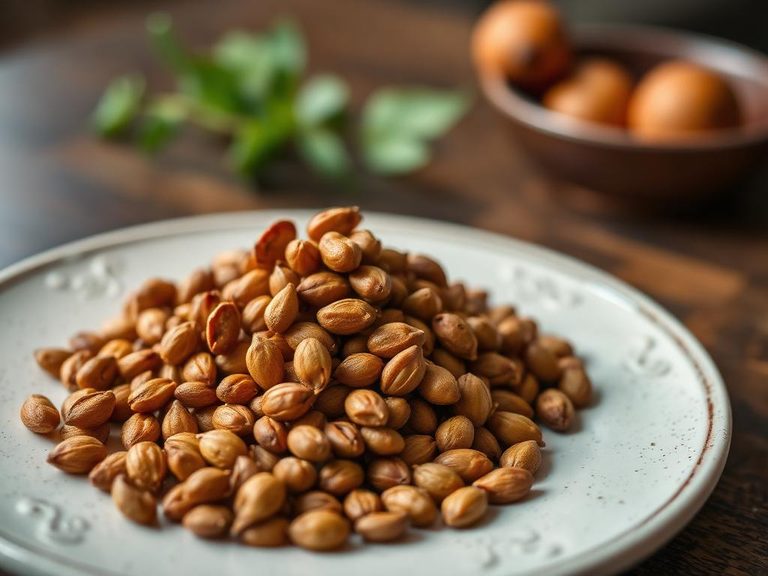
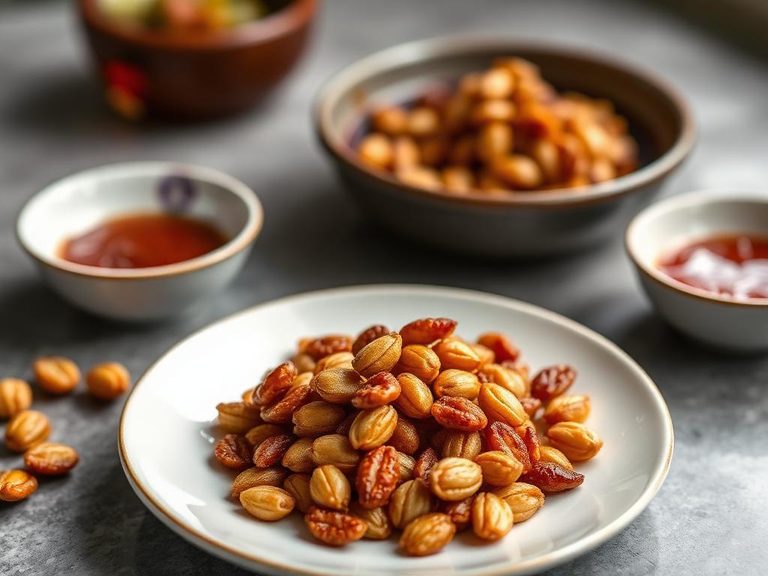
Breadnut tree seeds, also known as kola nuts or *Buchholzia coriacea* seeds, are the starchy, caffeine-free kernels of a West African tree. When raw, they have a firm, slightly chewy texture with a mild, nutty, and subtly peppery flavor. Nutritionally, they are a powerhouse of complex carbohydrates, providing sustained energy with minimal fat.
Calorie split: 11% protein · 85% carbs · 4% fat
↓ Full nutrition💚 Why it's loved
People cherish breadnut seeds for their unique, mildly stimulating properties and their role as a cultural symbol of hospitality and social bonding in West African ceremonies. Their versatile, starchy base makes them a satisfying snack or a foundation for savory dishes.
⚠️ Watch-outs & how to enjoy it better
The high carbohydrate content can cause rapid blood sugar spikes if eaten in large quantities alone. To counteract this, pair the seeds with a source of protein or healthy fat (like a small handful of nuts) and practice portion control. Some individuals may also experience mild digestive discomfort due to the starch; soaking or lightly toasting the seeds before consumption can improve digestibility.
Key benefits
- Excellent source of complex carbohydrates for steady energy.
- Provides plant-based protein with a complete amino acid profile.
- Naturally low in fat, supporting heart-healthy diets.
- Contains essential minerals like potassium and magnesium.
- Serves as a traditional, caffeine-free stimulant in its native region.
🍽️ Popular dishes
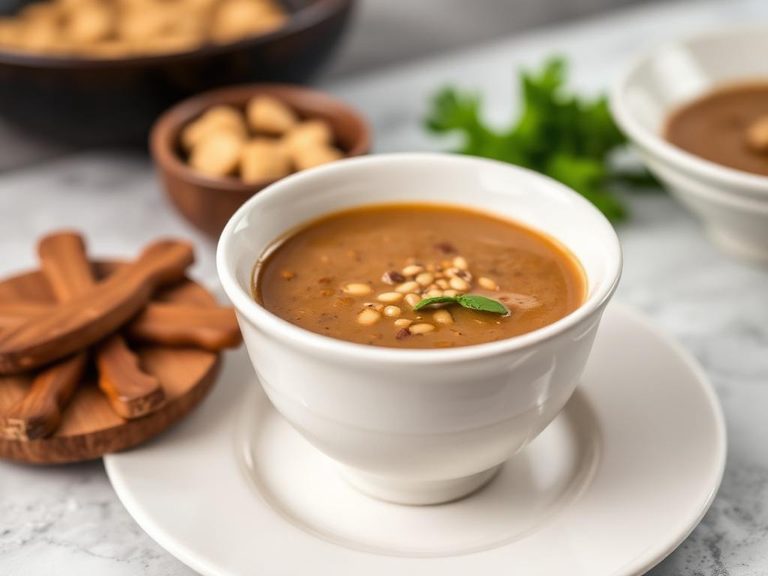
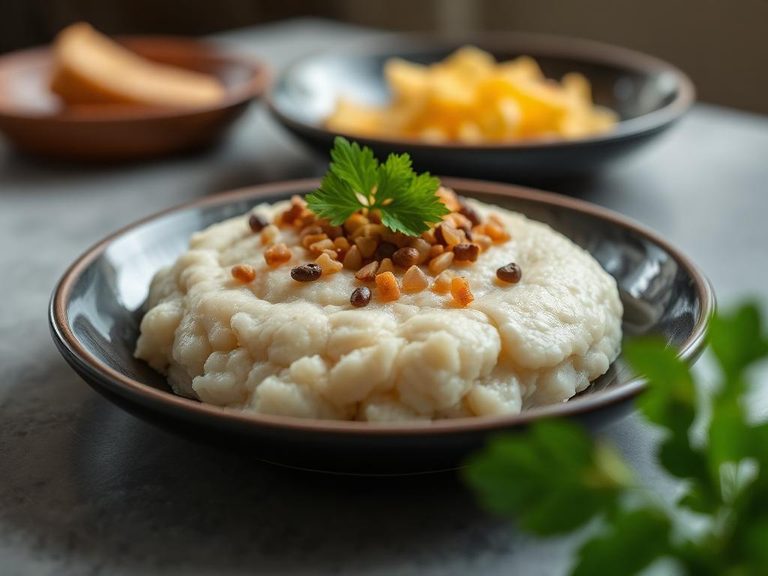
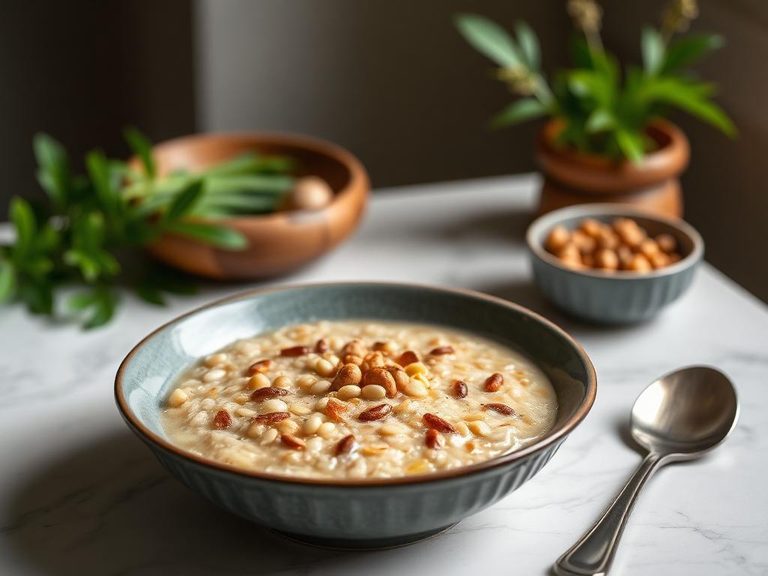
🌍 Where it's eaten
💡 Did you know?
Unlike its famous cousin the kola nut (*Cola nitida*), which contains caffeine, the breadnut tree seed (*Buchholzia coriacea*) is naturally caffeine-free but is still chewed for a mild, stimulating effect due to other alkaloids.
Full nutrition (USDA data · scales with serving)
| Water | 45.0 g |
| Energy | 217 kcal |
| Energy | 908 kj |
| Protein | 6.0 g |
| Total lipid (fat) | 0.99 g |
| Ash | 1.8 g |
| Carbohydrate, by difference | 46.3 g |
| Calcium, Ca | 98.0 mg |
| Iron, Fe | 2.1 mg |
| Magnesium, Mg | 68.0 mg |
| Phosphorus, P | 67.0 mg |
| Potassium, K | 1183 mg |
| Sodium, Na | 31.0 mg |
| Zinc, Zn | 1.1 mg |
| Copper, Cu | 1.4 mg |
| Manganese, Mn | 0.18 mg |
| Vitamin C, total ascorbic acid | 27.4 mg |
| Thiamin | 0.06 mg |
| Riboflavin | 0.06 mg |
| Niacin | 0.88 mg |
| Pantothenic acid | 1.1 mg |
| Vitamin B-6 | 0.40 mg |
| Folate, total | 66.0 ug |
| Folic acid | 0.00 ug |
| Folate, food | 66.0 ug |
| Folate, DFE | 66.0 ug |
| Vitamin B-12 | 0.00 ug |
| Vitamin A, RAE | 12.0 ug |
| Retinol | 0.00 ug |
| Vitamin A, IU | 248 iu |
| Vitamin D (D2 + D3), International Units | 0.00 iu |
| Vitamin D (D2 + D3) | 0.00 ug |
Fat & fatty acid profile (per 100g)
| Fatty acids, total saturated | 0.27 g |
| SFA 16:0 | 0.18 g |
| SFA 18:0 | 0.09 g |
| Fatty acids, total monounsaturated | 0.13 g |
| MUFA 16:1 | 0.01 g |
| MUFA 18:1 | 0.12 g |
| Fatty acids, total polyunsaturated | 0.53 g |
| PUFA 18:2 | 0.41 g |
| PUFA 18:3 | 0.12 g |
| Cholesterol | 0.00 mg |
Amino acid profile (per 100g)
| Tryptophan | 0.16 g |
| Threonine | 0.23 g |
| Isoleucine | 0.34 g |
| Leucine | 0.65 g |
| Lysine | 0.26 g |
| Methionine | 0.04 g |
| Cystine | 0.09 g |
| Phenylalanine | 0.28 g |
| Tyrosine | 0.44 g |
| Valine | 0.58 g |
| Arginine | 0.55 g |
| Histidine | 0.09 g |
| Alanine | 0.27 g |
| Aspartic acid | 0.66 g |
| Glutamic acid | 0.83 g |
| Glycine | 0.38 g |
| Proline | 0.30 g |
| Serine | 0.40 g |
FAQ
Are breadnut tree seeds the same as kola nuts?
No. While both are West African seeds often chewed for stimulation, they come from different trees. Breadnut seeds (*Buchholzia coriacea*) are caffeine-free, whereas kola nuts (*Cola nitida/acuminata*) contain significant caffeine.
How do you prepare raw breadnut seeds for eating?
Raw seeds are very hard. They are typically roasted, boiled, or pounded into a paste. Roasting brings out a nuttier flavor, while boiling softens them for use in soups or stews.
Can breadnut seeds be part of a weight-loss diet?
They can be, due to their high protein and complex carb content which promotes satiety. However, they are calorie-dense, so strict portion control (e.g., a 50g serving) is essential.
Nutrient density (calculated · NRF9.3)
Nutrient Rich Foods index: beneficial nutrients (protein, fiber, vitamins, minerals) minus saturated fat, added sugar & sodium, per 100 kcal.
NRF9.3 index — Fulgoni, Keast & Drewnowski, 2009. Computed from USDA nutrients.
Weight-loss friendliness (composite index)
Energy density 2.17 kcal/g · 11% calories from protein · 0.0 g fiber · 0.0 g sugar per 100 g.
Composite of energy density (Rolls et al., 1999), protein & fiber satiety, minus sugar. A calculated heuristic — ranks satiety-per-calorie, not a clinical measure.
Dietary load (calculated from USDA values)
Potential renal acid load. Positive = acid-forming, negative = alkaline-forming.
Sodium-to-potassium ratio: 0.03 (lower is better — aim for ≤ 1)
Sodium:potassium per WHO potassium guidance. Computed from USDA nutrients.