

Seafood dip
Common food
Seafood dip is a rich, creamy spread typically blending minced or flaked seafood (like crab, shrimp, or smoked fish) with a base of mayonnaise, cream cheese, or sour cream. Its texture is luxuriously smooth or slightly chunky, offering a burst of briny, savory flavor. Nutritionally, it is a high-fat, calorie-dense condiment, with nearly all its energy coming from fats.
Calorie split: 7% protein · 5% carbs · 88% fat
↓ Full nutrition💚 Why it's loved
People adore seafood dip for its luxurious, umami-packed flavor and effortless elegance, making it a staple for entertaining and casual snacking. It's loved for its versatility, easily adapting to various seafood bases and flavor profiles from classic crab to spicy shrimp.
⚠️ Watch-outs & how to enjoy it better
The primary downsides are its high fat and calorie content, which can be excessive for those monitoring energy intake. It often contains significant sodium and common allergens like shellfish, dairy, and eggs. To counteract, pair it with high-fiber vegetables (like cucumber slices or bell pepper strips) instead of chips, practice strict portion control, and always check labels for allergen warnings.
Key benefits
- Provides a concentrated source of omega-3 fatty acids from marine ingredients.
- Offers a quick, flavorful protein boost from the seafood component.
- Serves as a versatile flavor amplifier for vegetables, crackers, and breads.
- Can be a palatable way to increase intake of seafood-derived nutrients like iodine and selenium.
🍽️ Popular dishes
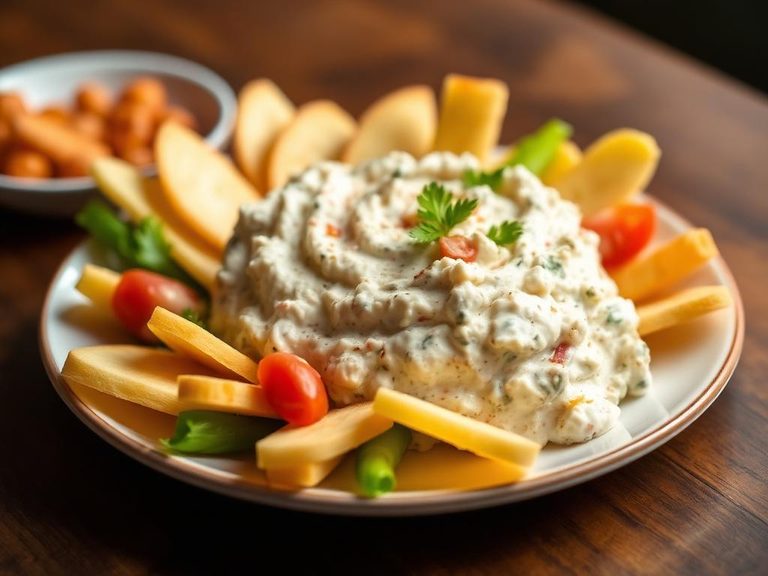
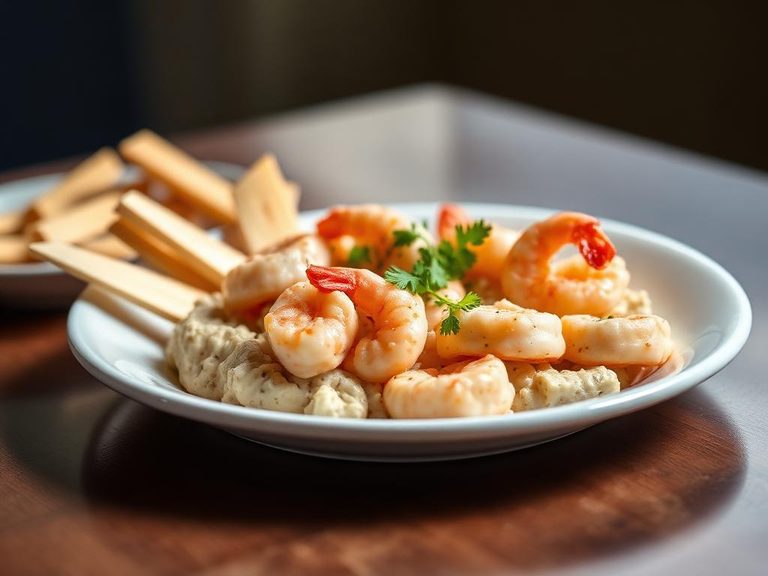
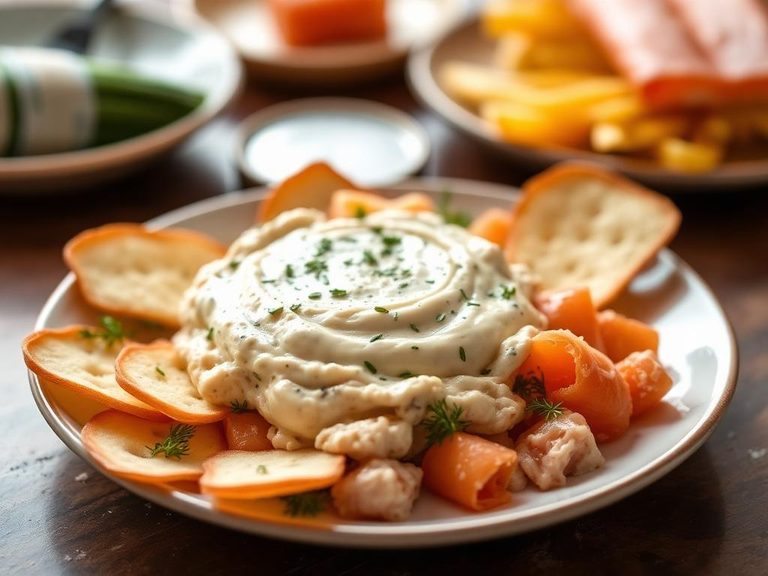
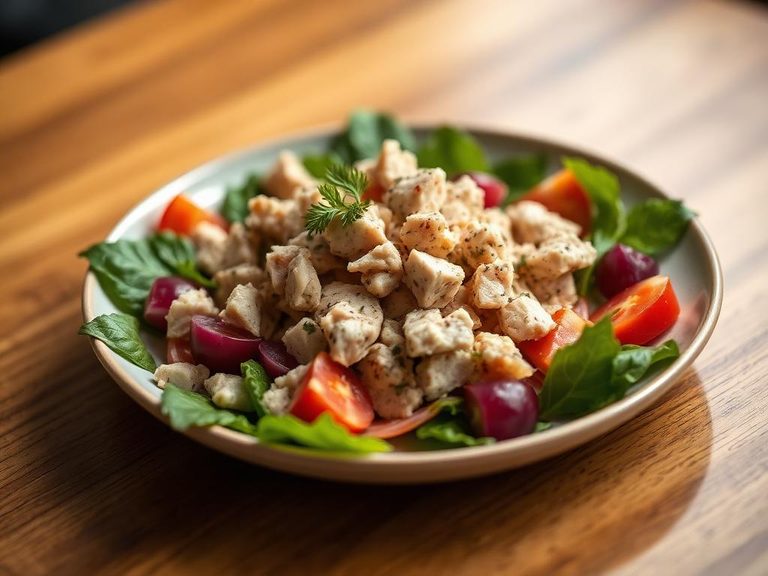
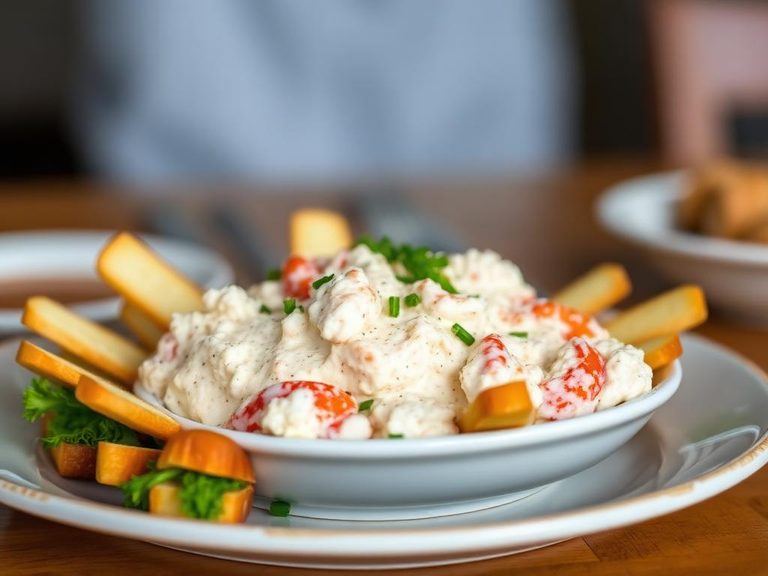
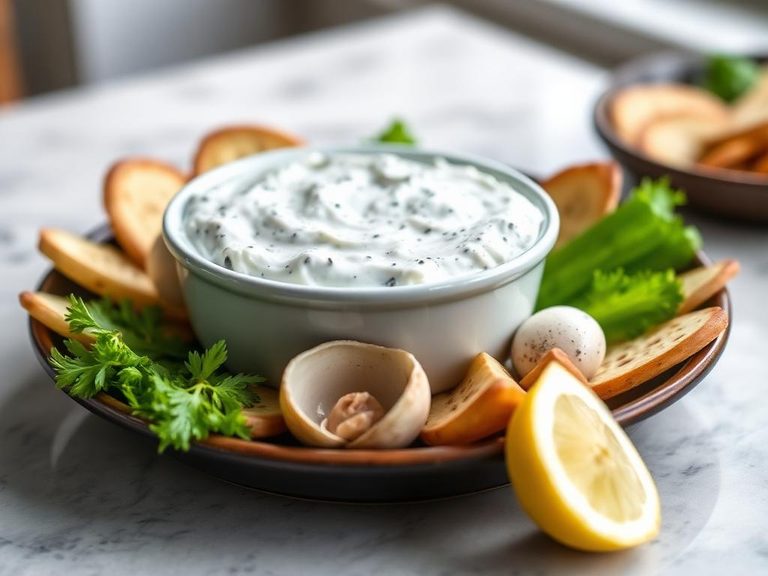
🌍 Where it's eaten
💡 Did you know?
The iconic 'clam dip' popular in American home entertaining in the 1950s and 60s was heavily popularized by the widespread availability of canned minced clams.
Full nutrition (USDA data · scales with serving)
| Water | 54.4 g |
| Energy | 337 kcal |
| Protein | 6.2 g |
| Total lipid (fat) | 32.8 g |
| Carbohydrate, by difference | 4.2 g |
| Fiber, total dietary | 0.20 g |
| Total Sugars | 1.9 g |
| Calcium, Ca | 119 mg |
| Iron, Fe | 0.41 mg |
| Magnesium, Mg | 12.0 mg |
| Phosphorus, P | 113 mg |
| Potassium, K | 102 mg |
| Sodium, Na | 715 mg |
| Zinc, Zn | 0.75 mg |
| Copper, Cu | 0.05 mg |
| Selenium, Se | 10.7 ug |
| Vitamin C, total ascorbic acid | 1.5 mg |
| Thiamin | 0.03 mg |
| Riboflavin | 0.09 mg |
| Niacin | 0.13 mg |
| Vitamin B-6 | 0.04 mg |
| Folate, total | 7.0 ug |
| Folic acid | 0.00 ug |
| Folate, food | 7.0 ug |
| Folate, DFE | 7.0 ug |
| Choline, total | 30.2 mg |
| Vitamin B-12 | 0.25 ug |
| Vitamin B-12, added | 0.00 ug |
| Vitamin A, RAE | 71.0 ug |
| Retinol | 70.0 ug |
| Carotene, beta | 2.0 ug |
| Carotene, alpha | 0.00 ug |
| Cryptoxanthin, beta | 1.0 ug |
| Lycopene | 0.00 ug |
| Lutein + zeaxanthin | 6.0 ug |
| Vitamin E (alpha-tocopherol) | 1.4 mg |
| Vitamin E, added | 0.00 mg |
| Vitamin D (D2 + D3) | 0.10 ug |
| Vitamin K (phylloquinone) | 54.6 ug |
| Alcohol, ethyl | 0.00 g |
| Caffeine | 0.00 mg |
| Theobromine | 0.00 mg |
Fat & fatty acid profile (per 100g)
| Fatty acids, total saturated | 8.5 g |
| SFA 4:0 | 0.04 g |
| SFA 6:0 | 0.10 g |
| SFA 8:0 | 0.07 g |
| SFA 10:0 | 0.17 g |
| SFA 12:0 | 0.23 g |
| SFA 14:0 | 0.76 g |
| SFA 16:0 | 4.8 g |
| SFA 18:0 | 1.7 g |
| Fatty acids, total monounsaturated | 7.3 g |
| MUFA 16:1 | 0.15 g |
| MUFA 18:1 | 7.3 g |
| MUFA 20:1 | 0.09 g |
| MUFA 22:1 | 0.01 g |
| Fatty acids, total polyunsaturated | 15.2 g |
| PUFA 18:2 | 13.2 g |
| PUFA 18:3 | 1.8 g |
| PUFA 18:4 | 0.00 g |
| PUFA 20:4 | 0.03 g |
| PUFA 20:5 n-3 (EPA) | 0.04 g |
| PUFA 22:5 n-3 (DPA) | 0.01 g |
| PUFA 22:6 n-3 (DHA) | 0.04 g |
| Cholesterol | 71.0 mg |
FAQ
Is seafood dip a good source of protein?
While it contains protein from the seafood, the high-fat base means the protein density is moderate. A typical serving provides a few grams, but it's not a primary protein source compared to lean seafood preparations.
How can I make a lighter version?
You can substitute a portion of the mayonnaise or cream cheese with Greek yogurt, cottage cheese, or pureed white beans. Using more seafood and vegetables in the mix also boosts nutrients while reducing the need for a heavy, fatty base.
What's the best way to serve it?
Serve chilled with a platter of sturdy vegetables (celery, carrots, endive), whole-grain crackers, or toasted baguette slices. For a warm dip, bake it until bubbly and serve immediately.
Nutrient density (calculated · NRF9.3)
Nutrient Rich Foods index: beneficial nutrients (protein, fiber, vitamins, minerals) minus saturated fat, added sugar & sodium, per 100 kcal.
NRF9.3 index — Fulgoni, Keast & Drewnowski, 2009. Computed from USDA nutrients.
Weight-loss friendliness (composite index)
Energy density 3.37 kcal/g · 7% calories from protein · 0.2 g fiber · 1.9 g sugar per 100 g.
Composite of energy density (Rolls et al., 1999), protein & fiber satiety, minus sugar. A calculated heuristic — ranks satiety-per-calorie, not a clinical measure.
Dietary load (calculated from USDA values)
Potential renal acid load. Positive = acid-forming, negative = alkaline-forming.
Sodium-to-potassium ratio: 7.01 (lower is better — aim for ≤ 1)
Sodium:potassium per WHO potassium guidance. Computed from USDA nutrients.