

Pigeon peas (red gram), mature seeds, cooked, boiled, without salt
Whole food · Legumes and Legume Products

Photo: Wikipedia
Pigeon peas, also known as red gram, are small, earthy legumes that turn a warm, creamy yellow when cooked. They have a pleasantly firm, slightly nutty texture and a mild, savory flavor that readily absorbs spices. Nutritionally, they are a standout source of plant-based protein and dietary fiber, providing sustained energy with minimal fat.
Calorie split: 22% protein · 75% carbs · 3% fat
↓ Full nutrition💚 Why it's loved
People love pigeon peas for their hearty, versatile nature and subtle nutty flavor that acts as a perfect canvas for bold spices. They are a beloved staple in many cuisines, forming the comforting base of stews, dals, and rice dishes across the globe.
⚠️ Watch-outs & how to enjoy it better
As a legume, pigeon peas contain oligosaccharides that can cause gas or bloating in some individuals, especially if not accustomed to high-fiber foods. To counteract this, start with smaller portions, ensure they are thoroughly cooked, and consider soaking dried peas before cooking. They are also a source of plant-based proteins that some may find harder to digest.
Key benefits
- Excellent source of plant-based protein (6.76g per 100g)
- High in dietary fiber (6.7g per 100g) for digestive health
- Very low in fat (0.38g per 100g)
- Provides complex carbohydrates for sustained energy
- Naturally free of sugar and cholesterol
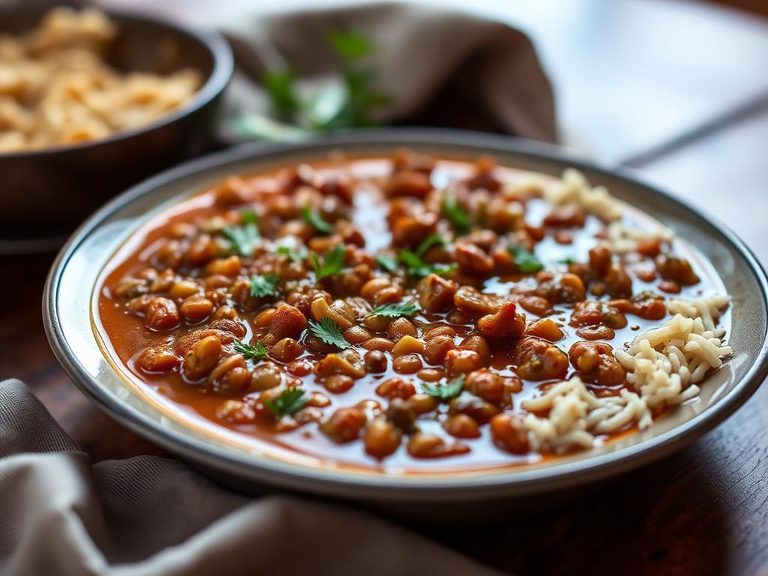
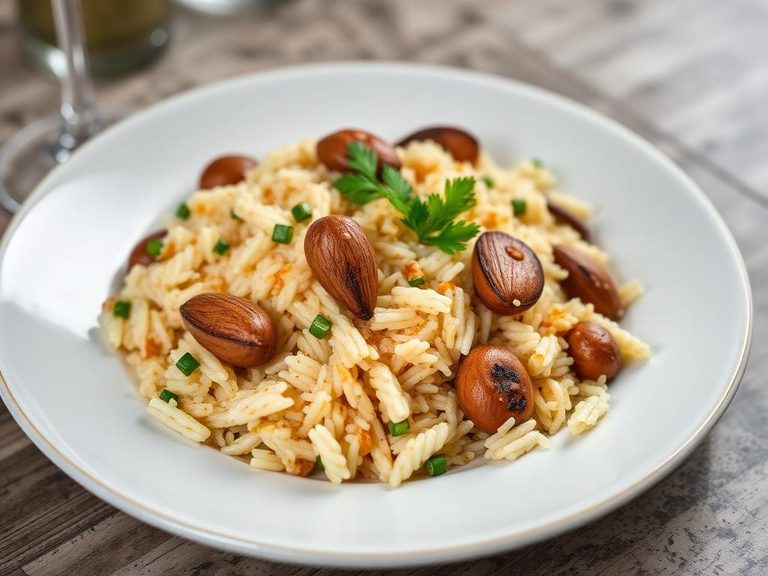
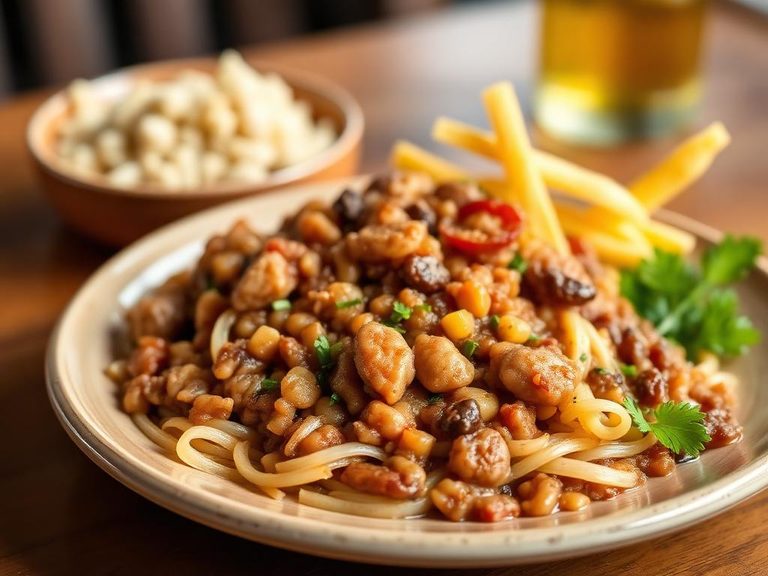
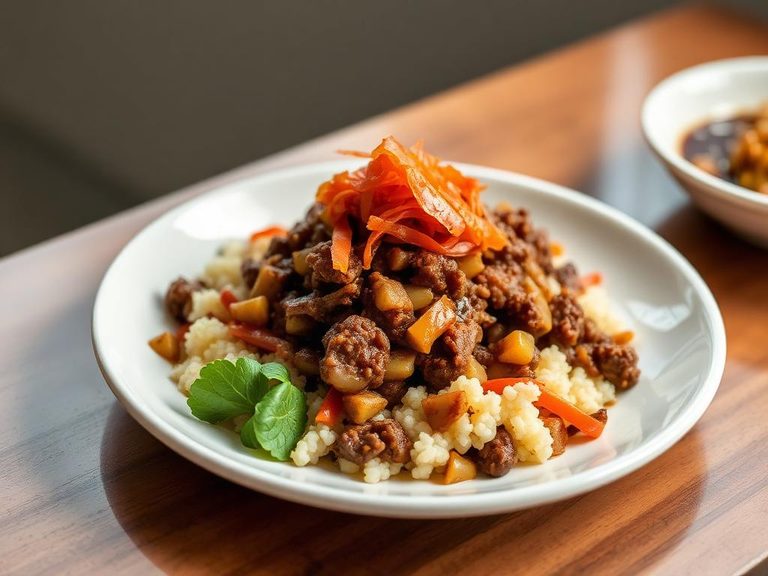
🍽️ Popular dishes
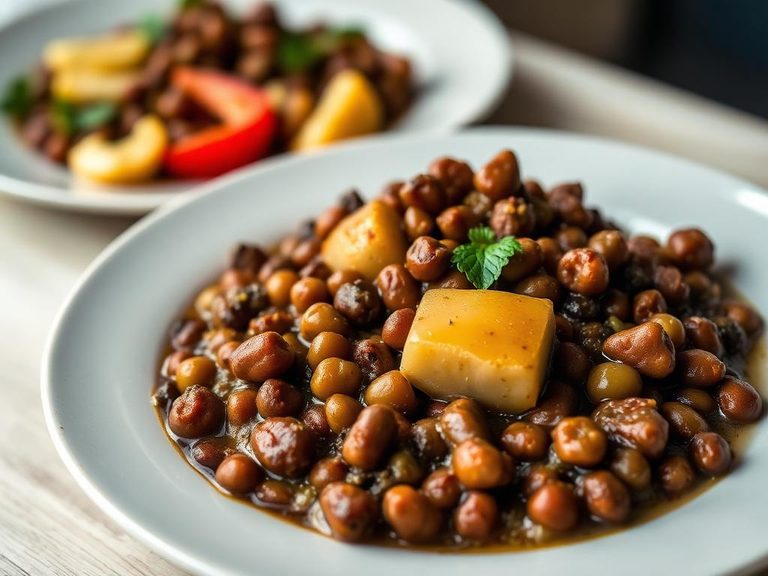
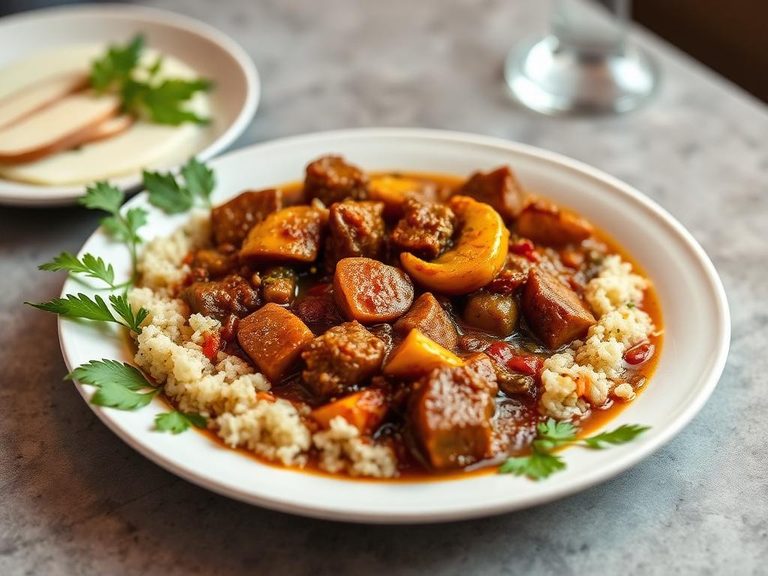
🌍 Where it's eaten
💡 Did you know?
Pigeon peas are a nitrogen-fixing plant, meaning they can improve soil health by pulling nitrogen from the air into the soil, making them a valuable rotational crop for farmers.
Full nutrition (USDA data · scales with serving)
| Water | 68.5 g |
| Energy | 121 kcal |
| Energy | 506 kj |
| Protein | 6.8 g |
| Total lipid (fat) | 0.38 g |
| Ash | 1.1 g |
| Carbohydrate, by difference | 23.3 g |
| Fiber, total dietary | 6.7 g |
| Calcium, Ca | 43.0 mg |
| Iron, Fe | 1.1 mg |
| Magnesium, Mg | 46.0 mg |
| Phosphorus, P | 119 mg |
| Potassium, K | 384 mg |
| Sodium, Na | 5.0 mg |
| Zinc, Zn | 0.90 mg |
| Copper, Cu | 0.27 mg |
| Manganese, Mn | 0.50 mg |
| Selenium, Se | 2.9 ug |
| Vitamin C, total ascorbic acid | 0.00 mg |
| Thiamin | 0.15 mg |
| Riboflavin | 0.06 mg |
| Niacin | 0.78 mg |
| Pantothenic acid | 0.32 mg |
| Vitamin B-6 | 0.05 mg |
| Folate, total | 111 ug |
| Folic acid | 0.00 ug |
| Folate, food | 111 ug |
| Folate, DFE | 111 ug |
| Vitamin B-12 | 0.00 ug |
| Vitamin A, RAE | 0.00 ug |
| Retinol | 0.00 ug |
| Vitamin A, IU | 3.0 iu |
| Vitamin D (D2 + D3), International Units | 0.00 iu |
| Vitamin D (D2 + D3) | 0.00 ug |
Fat & fatty acid profile (per 100g)
| Fatty acids, total saturated | 0.08 g |
| SFA 16:0 | 0.08 g |
| SFA 18:0 | 0.01 g |
| Fatty acids, total monounsaturated | 0.00 g |
| MUFA 18:1 | 0.00 g |
| Fatty acids, total polyunsaturated | 0.20 g |
| PUFA 18:2 | 0.20 g |
| PUFA 18:3 | 0.01 g |
| Fatty acids, total trans | 0.00 g |
| Cholesterol | 0.00 mg |
Amino acid profile (per 100g)
| Tryptophan | 0.07 g |
| Threonine | 0.24 g |
| Isoleucine | 0.24 g |
| Leucine | 0.48 g |
| Lysine | 0.47 g |
| Methionine | 0.08 g |
| Cystine | 0.08 g |
| Phenylalanine | 0.58 g |
| Tyrosine | 0.17 g |
| Valine | 0.29 g |
| Arginine | 0.41 g |
| Histidine | 0.24 g |
| Alanine | 0.30 g |
| Aspartic acid | 0.67 g |
| Glutamic acid | 1.6 g |
| Glycine | 0.25 g |
| Proline | 0.30 g |
| Serine | 0.32 g |
FAQ
What is the difference between pigeon peas and toor dal?
Toor dal is the split, hulled, and often skinned version of the pigeon pea. Whole pigeon peas (red gram) retain their outer coat and have a firmer texture, while toor dal cooks down to a softer, creamier consistency.
Are pigeon peas a good source of protein?
Yes, they are an excellent source of plant-based protein, providing about 6.76 grams per 100g of cooked seeds, making them a valuable protein source in vegetarian and vegan diets.
How should I store cooked pigeon peas?
Store cooked pigeon peas in an airtight container in the refrigerator for up to 5 days, or freeze them for up to 3 months for longer storage.
Nutrient density (calculated · NRF9.3)
Nutrient Rich Foods index: beneficial nutrients (protein, fiber, vitamins, minerals) minus saturated fat, added sugar & sodium, per 100 kcal.
NRF9.3 index — Fulgoni, Keast & Drewnowski, 2009. Computed from USDA nutrients.
Weight-loss friendliness (composite index)
Energy density 1.21 kcal/g · 22% calories from protein · 6.7 g fiber · 0.0 g sugar per 100 g.
Composite of energy density (Rolls et al., 1999), protein & fiber satiety, minus sugar. A calculated heuristic — ranks satiety-per-calorie, not a clinical measure.
Dietary load (calculated from USDA values)
Potential renal acid load. Positive = acid-forming, negative = alkaline-forming.
Sodium-to-potassium ratio: 0.01 (lower is better — aim for ≤ 1)
Sodium:potassium per WHO potassium guidance. Computed from USDA nutrients.