

Pasta with cream sauce, seafood, and added vegetables, ready-to-heat
Common food
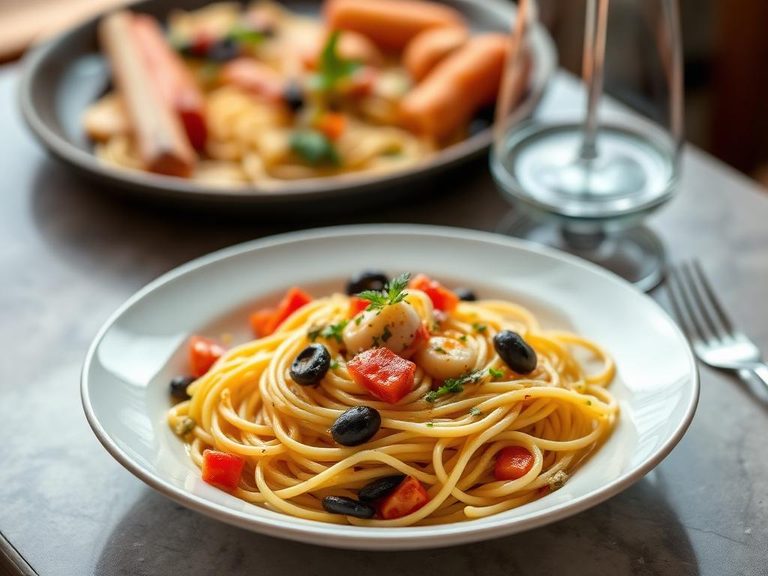
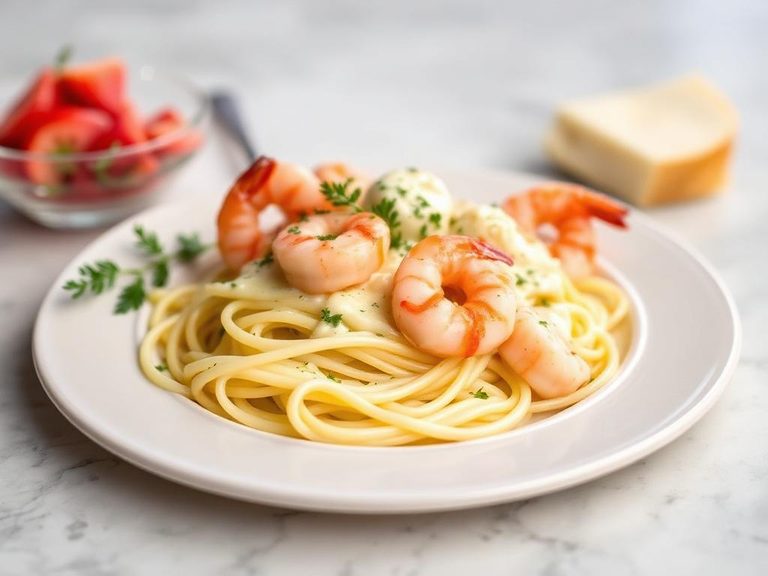
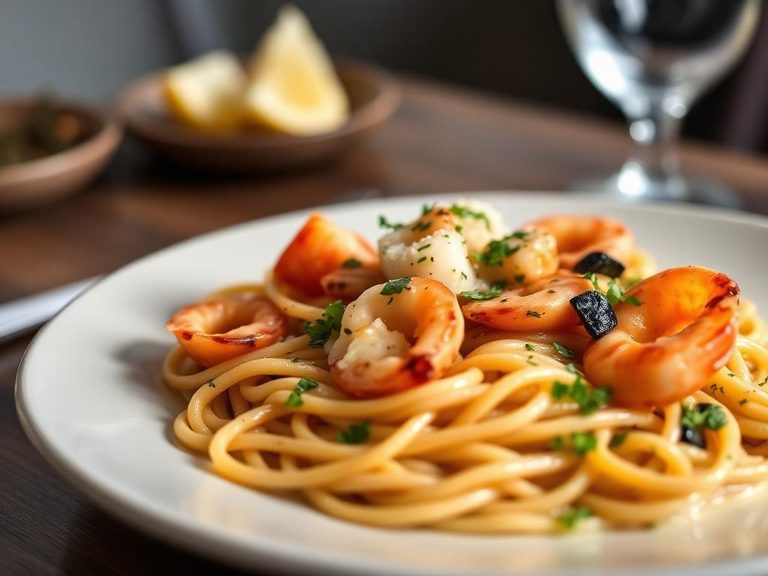
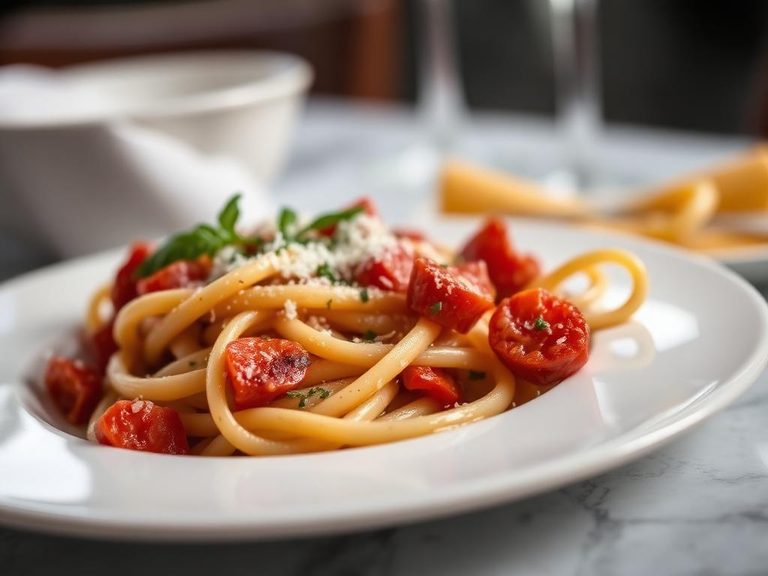
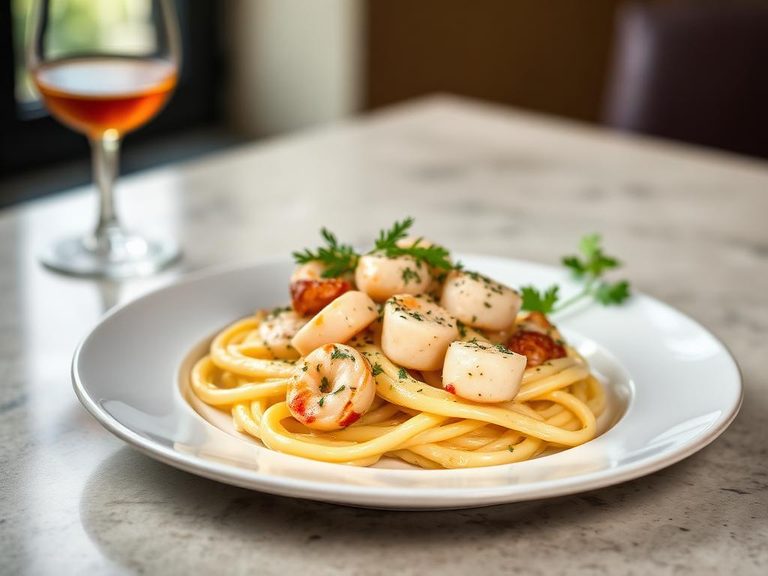
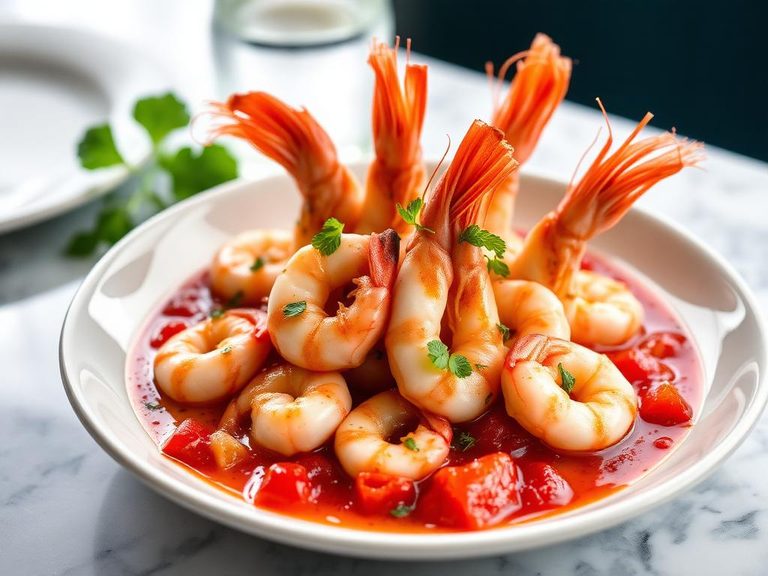
This is a convenient, ready-to-heat meal featuring tender pasta and succulent seafood (like shrimp or squid) coated in a rich, velvety cream sauce, often with added vegetables like spinach or peas for a pop of color and texture. Nutritionally, it's a moderate-calorie option that provides a decent balance of protein and carbohydrates, making it a satisfying yet not overly heavy choice for a quick meal.
Calorie split: 15% protein · 45% carbs · 40% fat
↓ Full nutrition💚 Why it's loved
People adore this dish for its luxurious, comforting flavor profile—the creamy sauce clings to each pasta strand, while the seafood adds a sweet, briny depth. It's a versatile crowd-pleaser that bridges casual weeknight dinners with a touch of elegance.
⚠️ Watch-outs & how to enjoy it better
The cream sauce can be high in saturated fat and sodium, potentially causing blood sugar spikes due to refined carbs, and it often contains common allergens like shellfish, dairy, and gluten. To counteract, pair it with a fiber-rich side salad, choose a smaller portion, and ensure it's part of a varied diet. Always check labels for allergen warnings.
Key benefits
- Provides a balanced mix of protein, carbs, and fats for sustained energy
- Contains seafood, a good source of lean protein and omega-3 fatty acids
- Ready-to-heat format offers convenience for busy schedules
- Added vegetables contribute fiber and micronutrients
- Moderate calorie count (154 kcal/100g) supports portion control
🍽️ Popular dishes
🌍 Where it's eaten
💡 Did you know?
The 'cream sauce' in many commercial versions is often a Béchamel base (butter, flour, milk), a classic French mother sauce that became a staple in Italian-American seafood pasta dishes in the 20th century.
Full nutrition (USDA data · scales with serving)
| Water | 69.2 g |
| Energy | 154 kcal |
| Protein | 5.7 g |
| Total lipid (fat) | 6.8 g |
| Carbohydrate, by difference | 16.9 g |
| Fiber, total dietary | 1.0 g |
| Total Sugars | 0.84 g |
| Calcium, Ca | 33.0 mg |
| Iron, Fe | 0.91 mg |
| Magnesium, Mg | 15.0 mg |
| Phosphorus, P | 72.0 mg |
| Potassium, K | 93.0 mg |
| Sodium, Na | 346 mg |
| Zinc, Zn | 0.50 mg |
| Copper, Cu | 0.09 mg |
| Selenium, Se | 19.2 ug |
| Vitamin C, total ascorbic acid | 4.3 mg |
| Thiamin | 0.15 mg |
| Riboflavin | 0.11 mg |
| Niacin | 1.1 mg |
| Vitamin B-6 | 0.04 mg |
| Folate, total | 41.0 ug |
| Folic acid | 33.0 ug |
| Folate, food | 7.0 ug |
| Folate, DFE | 64.0 ug |
| Choline, total | 14.6 mg |
| Vitamin B-12 | 0.88 ug |
| Vitamin B-12, added | 0.00 ug |
| Vitamin A, RAE | 50.0 ug |
| Retinol | 46.0 ug |
| Carotene, beta | 37.0 ug |
| Carotene, alpha | 1.0 ug |
| Cryptoxanthin, beta | 9.0 ug |
| Lycopene | 0.00 ug |
| Lutein + zeaxanthin | 50.0 ug |
| Vitamin E (alpha-tocopherol) | 0.60 mg |
| Vitamin E, added | 0.00 mg |
| Vitamin D (D2 + D3) | 0.20 ug |
| Vitamin K (phylloquinone) | 2.6 ug |
| Alcohol, ethyl | 0.00 g |
| Caffeine | 0.00 mg |
| Theobromine | 0.00 mg |
Fat & fatty acid profile (per 100g)
| Fatty acids, total saturated | 2.9 g |
| SFA 4:0 | 0.09 g |
| SFA 6:0 | 0.07 g |
| SFA 8:0 | 0.05 g |
| SFA 10:0 | 0.11 g |
| SFA 12:0 | 0.13 g |
| SFA 14:0 | 0.41 g |
| SFA 16:0 | 1.4 g |
| SFA 18:0 | 0.46 g |
| Fatty acids, total monounsaturated | 1.8 g |
| MUFA 16:1 | 0.08 g |
| MUFA 18:1 | 1.8 g |
| MUFA 20:1 | 0.02 g |
| MUFA 22:1 | 0.00 g |
| Fatty acids, total polyunsaturated | 1.1 g |
| PUFA 18:2 | 0.89 g |
| PUFA 18:3 | 0.11 g |
| PUFA 18:4 | 0.00 g |
| PUFA 20:4 | 0.01 g |
| PUFA 20:5 n-3 (EPA) | 0.02 g |
| PUFA 22:5 n-3 (DPA) | 0.01 g |
| PUFA 22:6 n-3 (DHA) | 0.02 g |
| Cholesterol | 26.0 mg |
FAQ
Is this a healthy meal option?
It can be part of a balanced diet. At 154 kcal per 100g, it's moderately calorie-dense. Its protein content from seafood is beneficial, but the cream sauce adds saturated fat and sodium. Pairing it with vegetables and watching portion size makes it a reasonable choice.
How should I store and reheat it?
Keep it refrigerated at 40°F (4°C) or below and consume by the 'use-by' date. Reheat thoroughly to an internal temperature of 165°F (74°C) in a microwave or on the stovetop, stirring occasionally, to ensure food safety and even heating.
What common allergens are present?
Typical allergens in this product include **gluten** (from pasta), **milk/dairy** (from cream sauce), and **shellfish** (if containing shrimp, crab, etc.). Always check the ingredient list and allergen statement on the packaging.
Nutrient density (calculated · NRF9.3)
Nutrient Rich Foods index: beneficial nutrients (protein, fiber, vitamins, minerals) minus saturated fat, added sugar & sodium, per 100 kcal.
NRF9.3 index — Fulgoni, Keast & Drewnowski, 2009. Computed from USDA nutrients.
Weight-loss friendliness (composite index)
Energy density 1.54 kcal/g · 15% calories from protein · 1.0 g fiber · 0.8 g sugar per 100 g.
Composite of energy density (Rolls et al., 1999), protein & fiber satiety, minus sugar. A calculated heuristic — ranks satiety-per-calorie, not a clinical measure.
Dietary load (calculated from USDA values)
Potential renal acid load. Positive = acid-forming, negative = alkaline-forming.
Sodium-to-potassium ratio: 3.72 (lower is better — aim for ≤ 1)
Sodium:potassium per WHO potassium guidance. Computed from USDA nutrients.