Pasta al Cartoccio
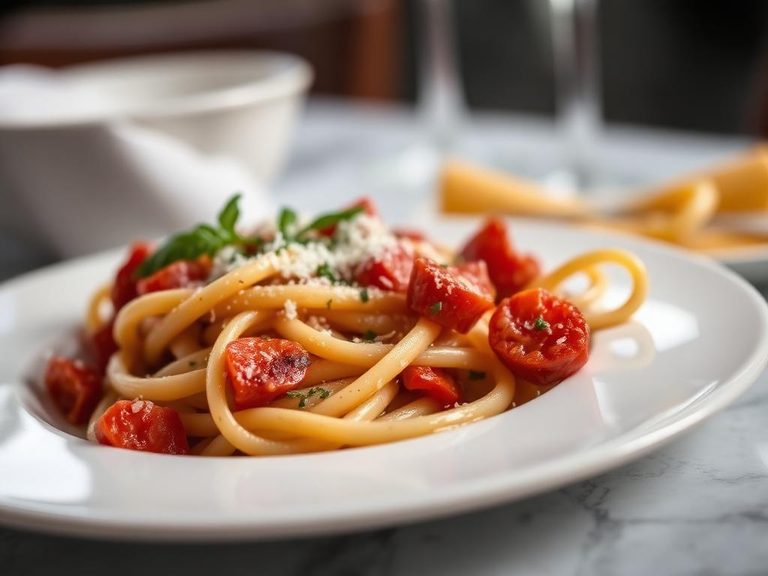
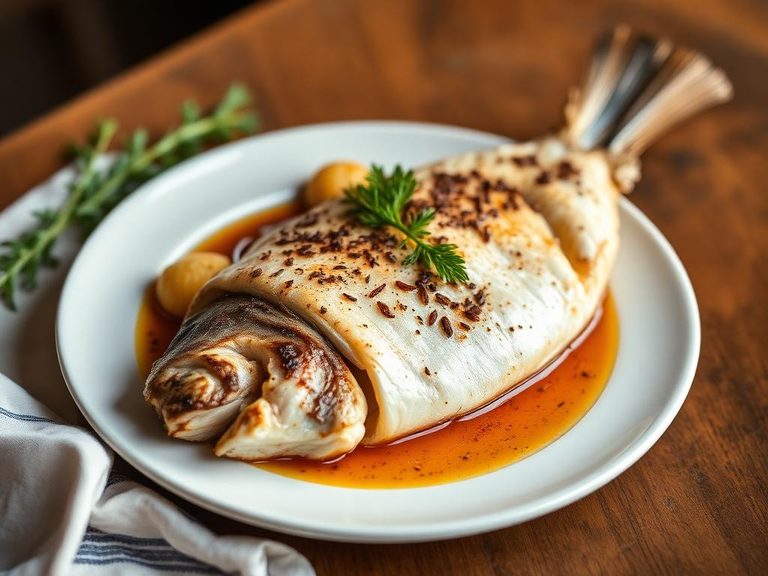
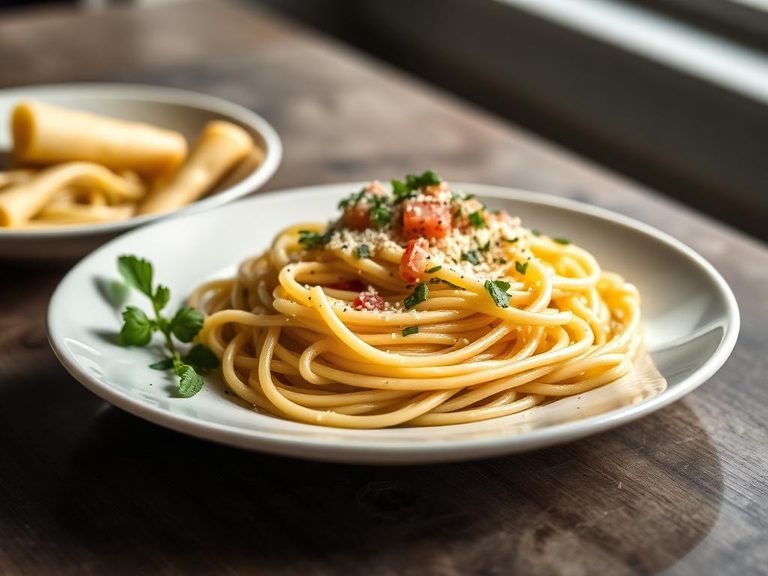
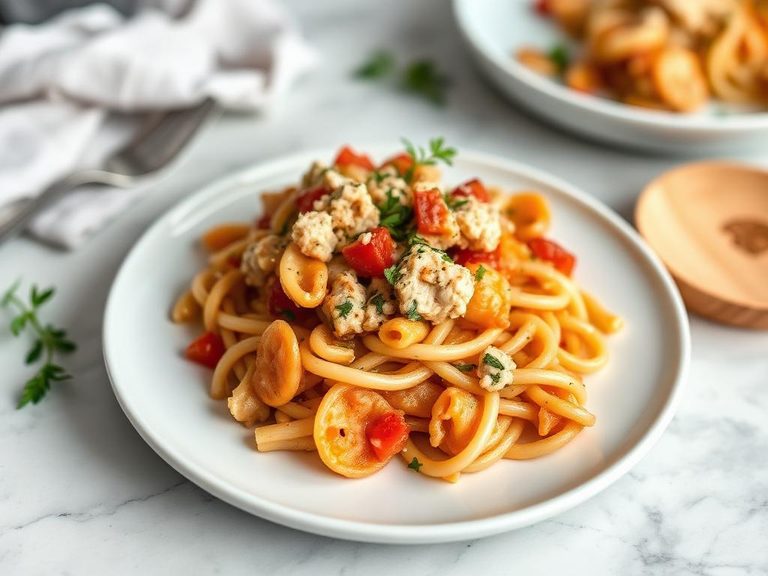
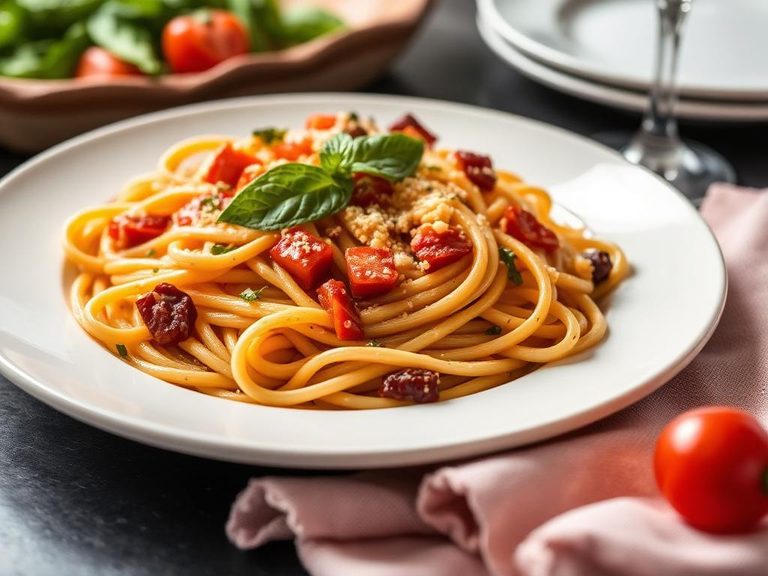
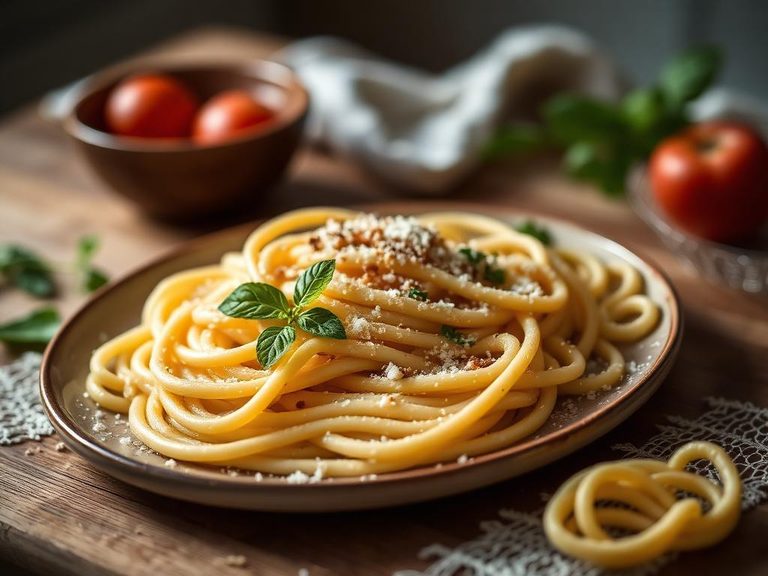
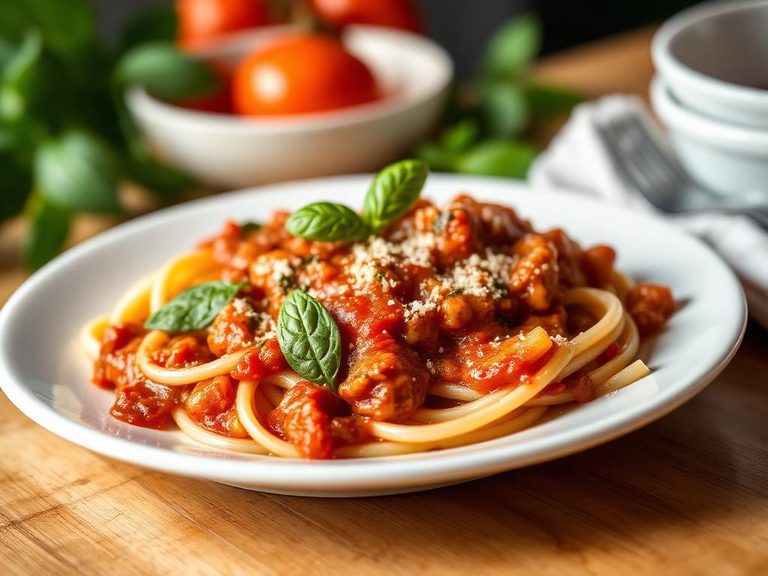
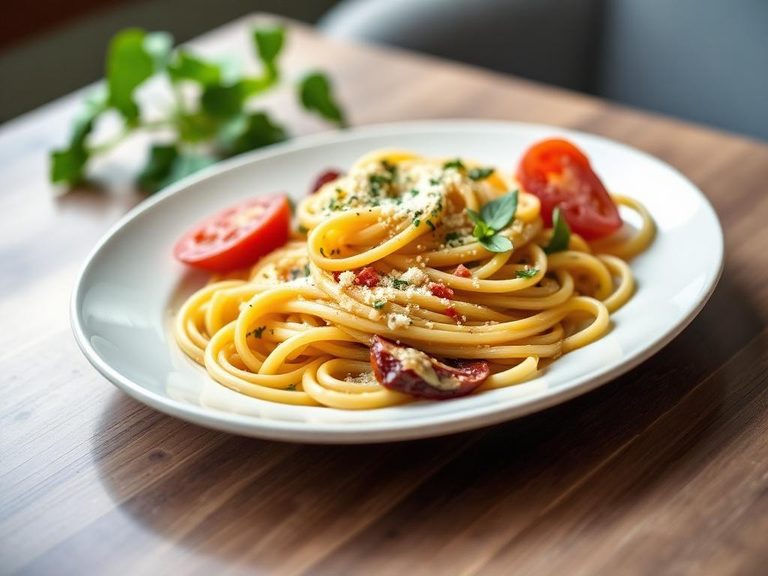
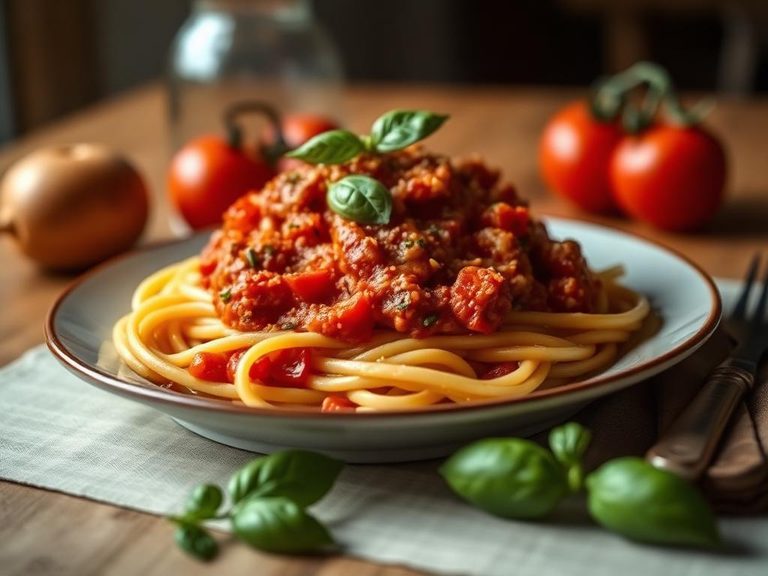
Pasta al Cartoccio is a classic Italian baked pasta dish where ingredients are sealed in a parchment paper or foil parcel (cartoccio) and cooked in the oven. The parcel traps steam, allowing the pasta, typically a short variety like penne or rigatoni, to cook in a flavorful sauce of tomatoes, garlic, olive oil, herbs, and often seafood like clams or mussels, or vegetables. It originates from Southern Italy, particularly the coastal regions of Campania and Sicily.
🍽️ Nutrition at a glance
This dish is generally high in carbohydrates from the pasta, with moderate fat from olive oil and any added cheese or seafood. It provides key nutrients like lycopene from tomatoes, omega-3s if seafood is included, and is a good source of energy, with a typical serving ranging from 500 to 700 calories.
Nutrition breakdown
| Calories | 550 kcal |
| Protein | 22 g |
| Carbs | 68 g |
| Fat | 22 g |
| Fiber | 5 g |
| Sugar | 7 g |
| Sodium | 680 mg |
| Potassium | 420 mg |
| Vitamin A | 450 IU |
| Vitamin C | 18 mg |
| Calcium | 120 mg |
| Iron | 3.2 mg |
| Magnesium | 65 mg |
| Phosphorus | 280 mg |
| Folate | 95 mcg |
Per 1 typical serving (300 g) · estimated, varies by recipe
💡 What's interesting
The cartoccio method is a unique, low-mess cooking technique that intensifies flavors by steaming the ingredients together in their own juices. Culturally, it reflects the Italian principle of 'cucina povera' (peasant cooking), using simple, fresh ingredients and minimal equipment to create a deeply flavorful and aromatic meal.