

Nuts, pine nuts, pinyon, dried
Whole food · Nut and Seed Products

Photo: Wikipedia
Pinyon pine nuts are the edible seeds of certain pine trees, prized for their rich, buttery flavor and delicate, slightly chewy texture. They are a nutritional powerhouse, offering an exceptional balance of healthy fats, plant-based protein, and dietary fiber in a small, energy-dense package.
Calorie split: 7% protein · 11% carbs · 82% fat
↓ Full nutrition💚 Why it's loved
People love them for their luxurious, sweet, and resinous flavor that elevates both sweet and savory dishes. Their unique texture and high oil content make them a coveted ingredient in cuisines worldwide, from Italian pesto to Mexican salads.
⚠️ Watch-outs & how to enjoy it better
Due to their high calorie and fat content, it's easy to overconsume, which can hinder weight management goals. They are also a common tree nut allergen, and some people may experience digestive discomfort from the fiber if eaten in large quantities. Tip: Stick to a measured portion (about a small handful) and pair with fiber-rich vegetables or whole grains to enhance satiety.
Key benefits
- Excellent source of heart-healthy monounsaturated fats
- High in plant-based protein for muscle maintenance
- Provides a good amount of dietary fiber for digestion
- Rich in minerals like magnesium, zinc, and manganese
- Contains antioxidants like vitamin E and lutein
🍽️ Popular dishes
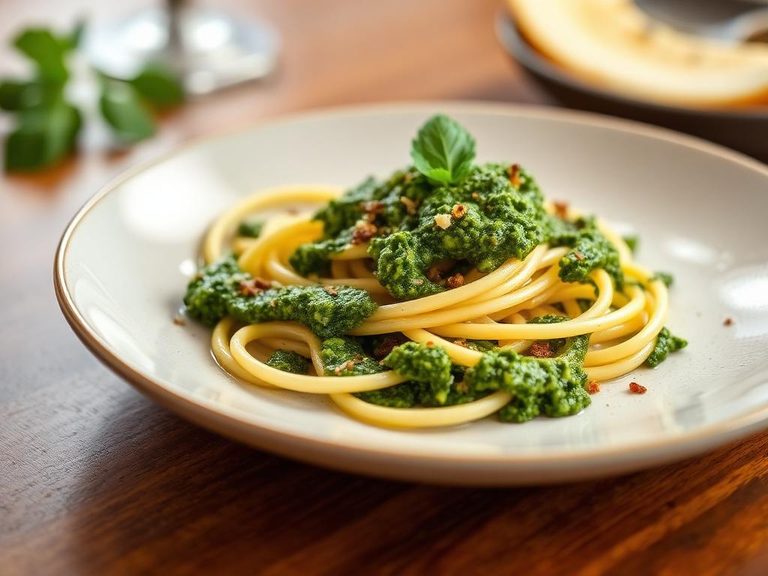
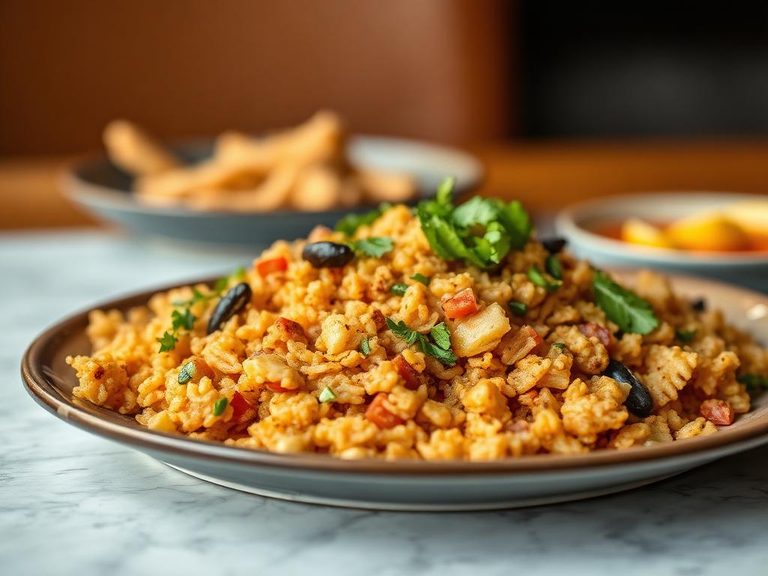
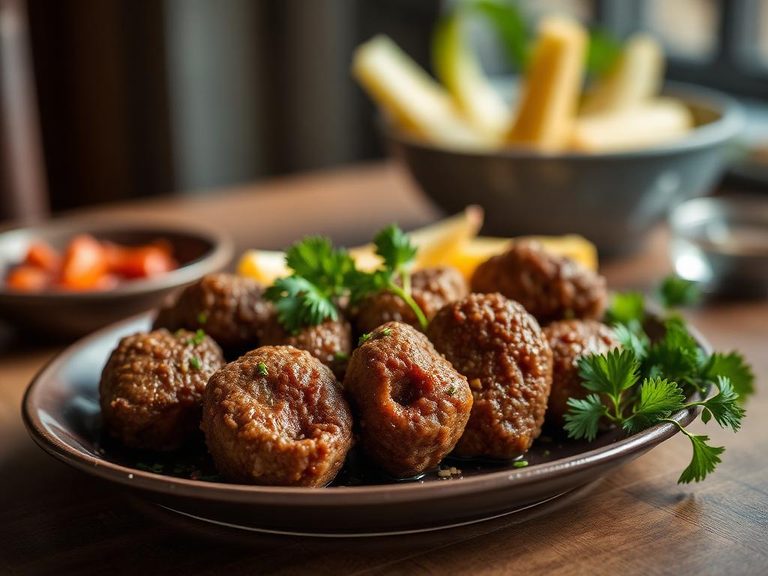

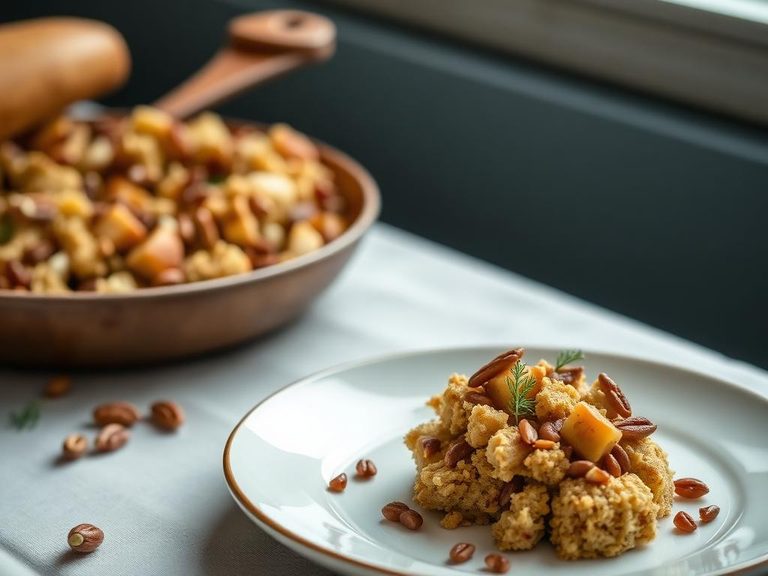
🌍 Where it's eaten
💡 Did you know?
The world's most expensive pine nuts, from the Korean pine, are so difficult to harvest that a single pound can cost over $100, as the cones must be collected by hand from steep mountain slopes.
Full nutrition (USDA data · scales with serving)
| Water | 5.9 g |
| Energy | 629 kcal |
| Energy | 2632 kj |
| Protein | 11.6 g |
| Total lipid (fat) | 61.0 g |
| Ash | 2.3 g |
| Carbohydrate, by difference | 19.3 g |
| Fiber, total dietary | 10.7 g |
| Calcium, Ca | 8.0 mg |
| Iron, Fe | 3.1 mg |
| Magnesium, Mg | 234 mg |
| Phosphorus, P | 35.0 mg |
| Potassium, K | 628 mg |
| Sodium, Na | 72.0 mg |
| Zinc, Zn | 4.3 mg |
| Copper, Cu | 1.0 mg |
| Manganese, Mn | 4.3 mg |
| Vitamin C, total ascorbic acid | 2.0 mg |
| Thiamin | 1.2 mg |
| Riboflavin | 0.22 mg |
| Niacin | 4.4 mg |
| Pantothenic acid | 0.21 mg |
| Vitamin B-6 | 0.11 mg |
| Folate, total | 58.0 ug |
| Folic acid | 0.00 ug |
| Folate, food | 58.0 ug |
| Folate, DFE | 58.0 ug |
| Vitamin B-12 | 0.00 ug |
| Vitamin A, RAE | 1.0 ug |
| Retinol | 0.00 ug |
| Vitamin A, IU | 29.0 iu |
| Vitamin D (D2 + D3), International Units | 0.00 iu |
| Vitamin D (D2 + D3) | 0.00 ug |
Fat & fatty acid profile (per 100g)
| Fatty acids, total saturated | 9.4 g |
| SFA 16:0 | 4.4 g |
| SFA 18:0 | 2.0 g |
| Fatty acids, total monounsaturated | 22.9 g |
| MUFA 16:1 | 0.25 g |
| MUFA 18:1 | 21.5 g |
| MUFA 20:1 | 1.2 g |
| Fatty acids, total polyunsaturated | 25.7 g |
| PUFA 18:2 | 24.9 g |
| PUFA 18:3 | 0.79 g |
| Cholesterol | 0.00 mg |
Amino acid profile (per 100g)
| Tryptophan | 0.15 g |
| Threonine | 0.37 g |
| Isoleucine | 0.45 g |
| Leucine | 0.83 g |
| Lysine | 0.43 g |
| Methionine | 0.21 g |
| Cystine | 0.21 g |
| Phenylalanine | 0.44 g |
| Tyrosine | 0.42 g |
| Valine | 0.60 g |
| Arginine | 2.3 g |
| Histidine | 0.28 g |
| Alanine | 0.60 g |
| Aspartic acid | 1.1 g |
| Glutamic acid | 2.0 g |
| Glycine | 0.59 g |
| Proline | 0.62 g |
| Serine | 0.49 g |
FAQ
What's the difference between pinyon and other pine nuts?
Pinyon (or piñon) nuts come from specific pine species native to the American Southwest and Mexico. They are generally smaller, more flavorful, and more expensive than the larger, milder Mediterranean or Asian pine nuts commonly found in stores.
How should I store pine nuts?
Because of their high oil content, pine nuts can go rancid quickly. Store them in an airtight container in the refrigerator for up to a few months, or in the freezer for up to a year to preserve their fresh, sweet flavor.
Can I toast pine nuts at home?
Yes, toasting greatly enhances their flavor. Spread them in a single layer on a dry skillet over medium-low heat, stirring frequently for 3-5 minutes until golden and fragrant. Watch them carefully as they burn very fast.
Nutrient density (calculated · NRF9.3)
Nutrient Rich Foods index: beneficial nutrients (protein, fiber, vitamins, minerals) minus saturated fat, added sugar & sodium, per 100 kcal.
NRF9.3 index — Fulgoni, Keast & Drewnowski, 2009. Computed from USDA nutrients.
Weight-loss friendliness (composite index)
Energy density 6.29 kcal/g · 7% calories from protein · 10.7 g fiber · 0.0 g sugar per 100 g.
Composite of energy density (Rolls et al., 1999), protein & fiber satiety, minus sugar. A calculated heuristic — ranks satiety-per-calorie, not a clinical measure.
Dietary load (calculated from USDA values)
Potential renal acid load. Positive = acid-forming, negative = alkaline-forming.
Sodium-to-potassium ratio: 0.11 (lower is better — aim for ≤ 1)
Sodium:potassium per WHO potassium guidance. Computed from USDA nutrients.