

Nuts, chestnuts, japanese, dried
Whole food · Nut and Seed Products

Photo: Wikipedia
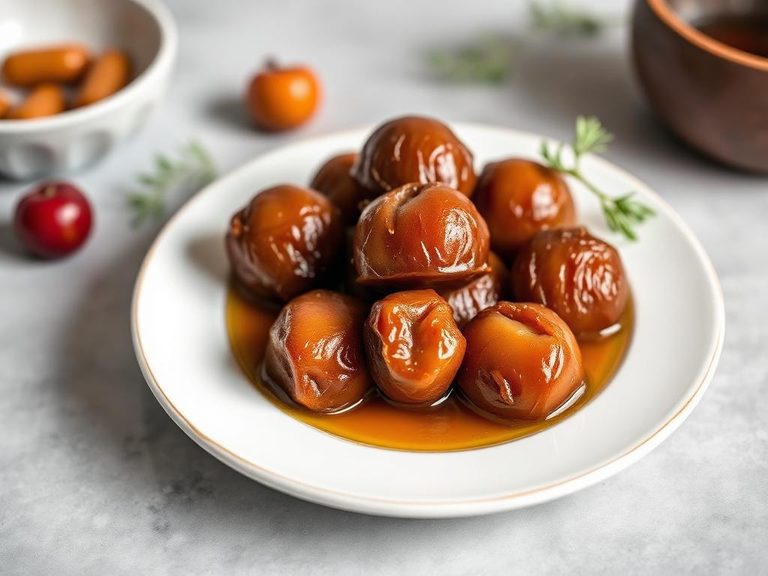
Japanese dried chestnuts, known as 'kuri no kanroni' or 'hoshi-gaki' in some contexts, are a sweet, chewy, and starchy snack with a deep, nutty, almost caramel-like flavor. Unlike fresh chestnuts, the drying process concentrates their natural sugars, resulting in a dense, satisfying texture that is both tender and slightly firm. Nutritionally, they are a standout source of quick energy, packed with complex carbohydrates while being virtually fat-free.
Calorie split: 6% protein · 91% carbs · 3% fat
↓ Full nutrition💚 Why it's loved
People love them for their intensely sweet, comforting flavor and versatile chewy texture, which makes them perfect for both snacking and cooking. They are deeply embedded in Japanese culinary culture, especially as a seasonal treat during autumn and winter festivals.
⚠️ Watch-outs & how to enjoy it better
The high carbohydrate content can cause rapid blood-sugar spikes, especially for those with diabetes or insulin resistance. To counteract this, pair them with a source of protein or healthy fat (like a handful of almonds or a piece of cheese) and practice strict portion control. They are also a tree nut allergen, so those with nut allergies must avoid them entirely.
Key benefits
- Excellent source of plant-based energy from complex carbs
- Very low in fat, making it a light yet filling snack
- Provides essential minerals like potassium and manganese
- Naturally sweet, reducing the need for added sugars
- Traditional food with a long shelf life
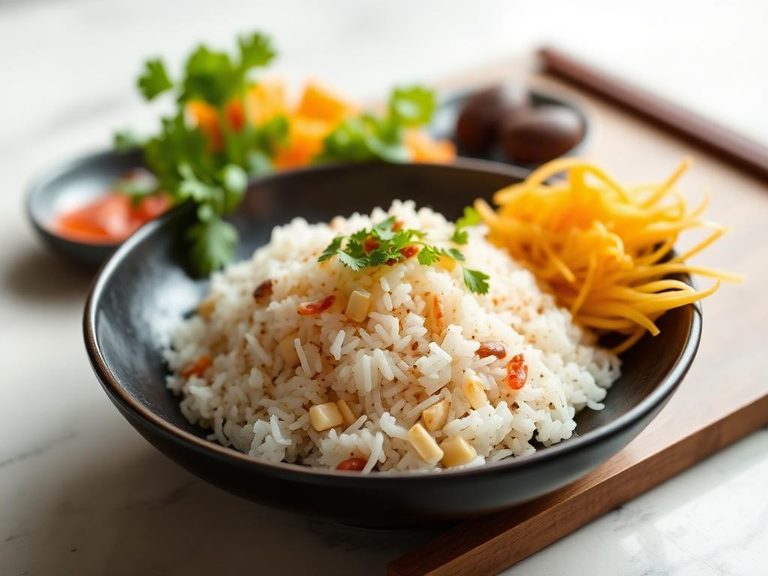
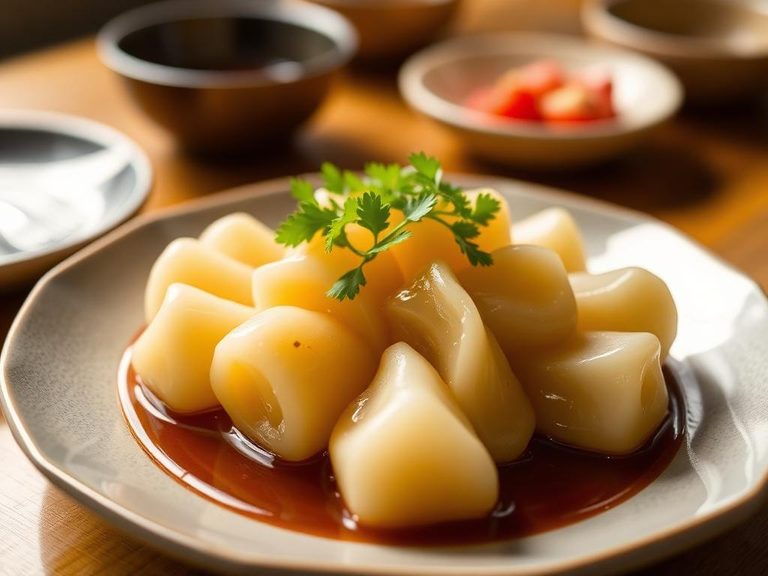
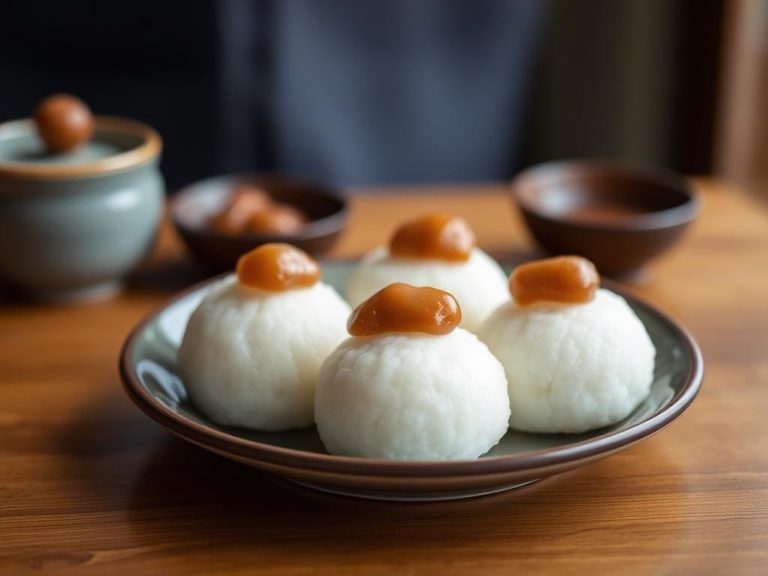
🍽️ Popular dishes

🌍 Where it's eaten
💡 Did you know?
In Japan, premium dried chestnuts from the Akiyama region are so prized that they are sometimes gifted in ornate boxes during the New Year, symbolizing good fortune and a bountiful harvest.
Full nutrition (USDA data · scales with serving)
| Water | 10.0 g |
| Energy | 360 kcal |
| Energy | 1506 kj |
| Protein | 5.3 g |
| Total lipid (fat) | 1.2 g |
| Ash | 2.1 g |
| Carbohydrate, by difference | 81.4 g |
| Calcium, Ca | 72.0 mg |
| Iron, Fe | 3.4 mg |
| Magnesium, Mg | 115 mg |
| Phosphorus, P | 169 mg |
| Potassium, K | 768 mg |
| Sodium, Na | 34.0 mg |
| Zinc, Zn | 2.6 mg |
| Copper, Cu | 1.3 mg |
| Manganese, Mn | 3.7 mg |
| Vitamin C, total ascorbic acid | 61.3 mg |
| Thiamin | 0.80 mg |
| Riboflavin | 0.38 mg |
| Niacin | 3.5 mg |
| Pantothenic acid | 0.48 mg |
| Vitamin B-6 | 0.66 mg |
| Folate, total | 109 ug |
| Folic acid | 0.00 ug |
| Folate, food | 109 ug |
| Folate, DFE | 109 ug |
| Vitamin B-12 | 0.00 ug |
| Vitamin A, RAE | 4.0 ug |
| Retinol | 0.00 ug |
| Vitamin A, IU | 86.0 iu |
| Vitamin D (D2 + D3), International Units | 0.00 iu |
| Vitamin D (D2 + D3) | 0.00 ug |
Fat & fatty acid profile (per 100g)
| Fatty acids, total saturated | 0.18 g |
| SFA 16:0 | 0.17 g |
| SFA 18:0 | 0.01 g |
| Fatty acids, total monounsaturated | 0.65 g |
| MUFA 16:1 | 0.01 g |
| MUFA 18:1 | 0.62 g |
| MUFA 20:1 | 0.01 g |
| Fatty acids, total polyunsaturated | 0.32 g |
| PUFA 18:2 | 0.29 g |
| PUFA 18:3 | 0.03 g |
| Cholesterol | 0.00 mg |
Amino acid profile (per 100g)
| Tryptophan | 0.07 g |
| Threonine | 0.21 g |
| Isoleucine | 0.26 g |
| Leucine | 0.33 g |
| Lysine | 0.34 g |
| Methionine | 0.13 g |
| Cystine | 0.15 g |
| Phenylalanine | 0.20 g |
| Tyrosine | 0.15 g |
| Valine | 0.31 g |
| Arginine | 0.34 g |
| Histidine | 0.13 g |
| Alanine | 0.47 g |
| Aspartic acid | 1.1 g |
| Glutamic acid | 1.0 g |
| Glycine | 0.27 g |
| Proline | 0.33 g |
| Serine | 0.26 g |
FAQ
How do I rehydrate dried chestnuts for cooking?
Soak them in cold water for 8-12 hours or overnight. For a quicker method, simmer them in water for 30-60 minutes until tender. The soaking liquid can be used as a flavorful broth.
Are dried chestnuts the same as roasted chestnuts?
No. Roasted chestnuts are fresh and cooked with dry heat, resulting in a softer, moister texture. Dried chestnuts are dehydrated, making them harder, chewier, and more concentrated in flavor and sugar.
Can I eat dried chestnuts straight from the package?
Yes, they are fully edible and often enjoyed as a ready-to-eat snack. However, they are very chewy and dense, so drinking water alongside them is recommended.
Nutrient density (calculated · NRF9.3)
Nutrient Rich Foods index: beneficial nutrients (protein, fiber, vitamins, minerals) minus saturated fat, added sugar & sodium, per 100 kcal.
NRF9.3 index — Fulgoni, Keast & Drewnowski, 2009. Computed from USDA nutrients.
Weight-loss friendliness (composite index)
Energy density 3.60 kcal/g · 6% calories from protein · 0.0 g fiber · 0.0 g sugar per 100 g.
Composite of energy density (Rolls et al., 1999), protein & fiber satiety, minus sugar. A calculated heuristic — ranks satiety-per-calorie, not a clinical measure.
Dietary load (calculated from USDA values)
Potential renal acid load. Positive = acid-forming, negative = alkaline-forming.
Sodium-to-potassium ratio: 0.04 (lower is better — aim for ≤ 1)
Sodium:potassium per WHO potassium guidance. Computed from USDA nutrients.