Kurikinton
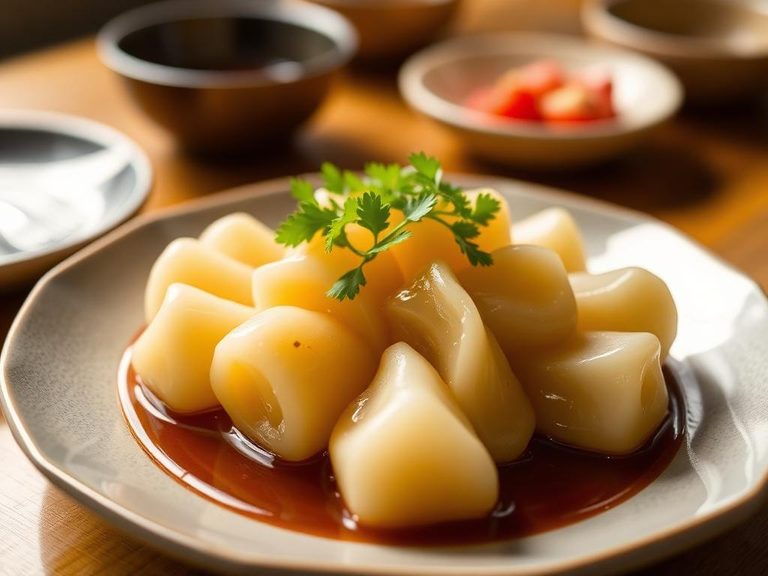
Kurikinton is a traditional Japanese New Year dish made from sweet lotus root (renkon) simmered in a sweet syrup, often with kinako (roasted soybean flour) or sugar, and sometimes garnished with chestnuts. It originates from Japan and is a staple of Osechi-ryori, the festive bento boxes prepared for the New Year celebration.
🍽️ Nutrition at a glance
This dish is high in carbohydrates due to the lotus root and sweeteners, with minimal fat and protein. A typical serving provides around 150-200 calories, along with dietary fiber, vitamin C, and minerals like potassium from the lotus root.
Nutrition breakdown
| Calories | 210 kcal |
| Protein | 3.5 g |
| Carbs | 48 g |
| Fat | 0.5 g |
| Fiber | 4 g |
| Sugar | 22 g |
| Sodium | 180 mg |
| Potassium | 520 mg |
| Manganese | 1.2 mg |
| Vitamin C | 12 mg |
| Iron | 1.5 mg |
| Phosphorus | 110 mg |
| Vitamin B6 | 0.2 mg |
| Magnesium | 45 mg |
| Copper | 0.3 mg |
Per 1 cup (240 g) · estimated, varies by recipe
💡 What's interesting
Culturally, Kurikinton symbolizes prosperity and good fortune for the coming year, as the lotus root's holes are thought to represent a clear view into the future. Nutritionally, lotus root is unique for its crunchy texture and is a good source of antioxidants, making this sweet dish a blend of tradition and subtle health benefits.