

Mushrooms, Chanterelle, raw
Whole food · Vegetables and Vegetable Products

Photo: Wikipedia
The chanterelle is a golden, funnel-shaped wild mushroom prized for its fruity, peppery aroma and a texture that is both meaty and delicate when cooked. Nutritionally, it is an exceptionally low-calorie food that provides a surprising amount of dietary fiber and a notable boost of B vitamins and minerals like potassium.
Calorie split: 16% protein · 72% carbs · 12% fat
↓ Full nutrition💚 Why it's loved
Foragers and chefs adore chanterelles for their distinct apricot-like fragrance and complex, earthy flavor that elevates simple dishes. Their firm texture holds up beautifully to sautéing, making them a versatile star in everything from creamy risottos to rustic omelets.
⚠️ Watch-outs & how to enjoy it better
As a wild mushroom, chanterelles can be confused with toxic look-alikes like the false chanterelle, requiring expert identification. Their delicate flavor can be overpowered by strong sauces, and they are often expensive and seasonal, making them inaccessible for everyday cooking.
Key benefits
- Excellent source of dietary fiber (3.8g per 100g).
- Rich in B vitamins, particularly niacin (B3) and riboflavin (B2).
- Good plant-based source of potassium and copper.
- Contains antioxidants like beta-carotene and ergothioneine.
- Very low in calories, fat, and sodium.
🍽️ Popular dishes
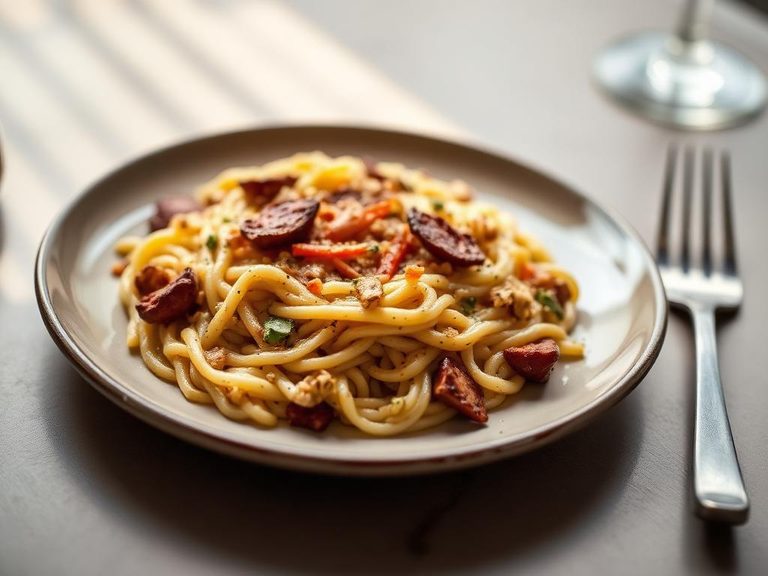
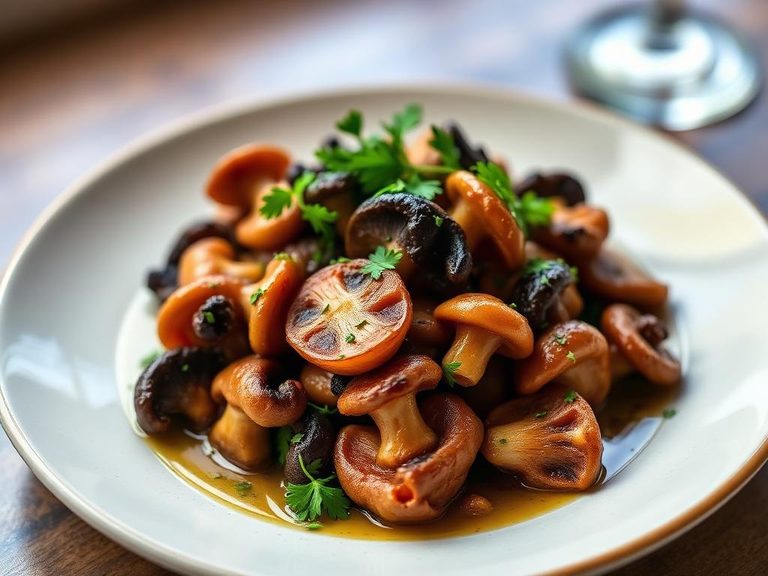
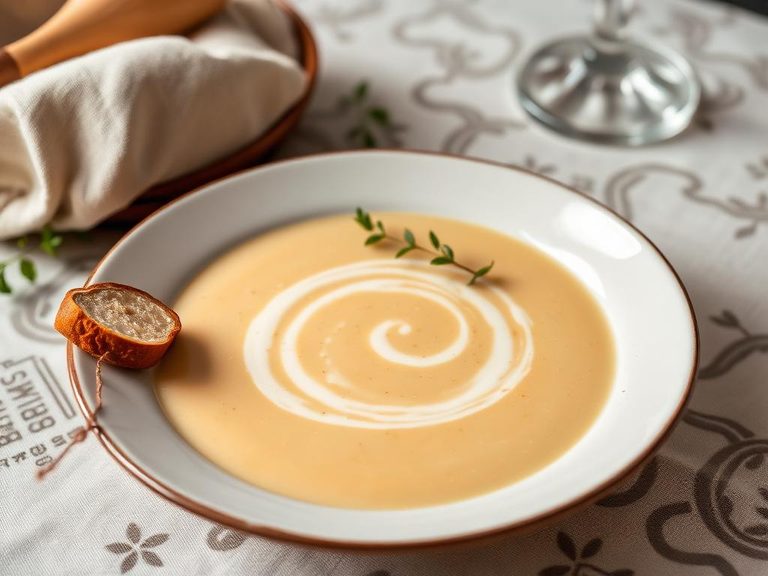
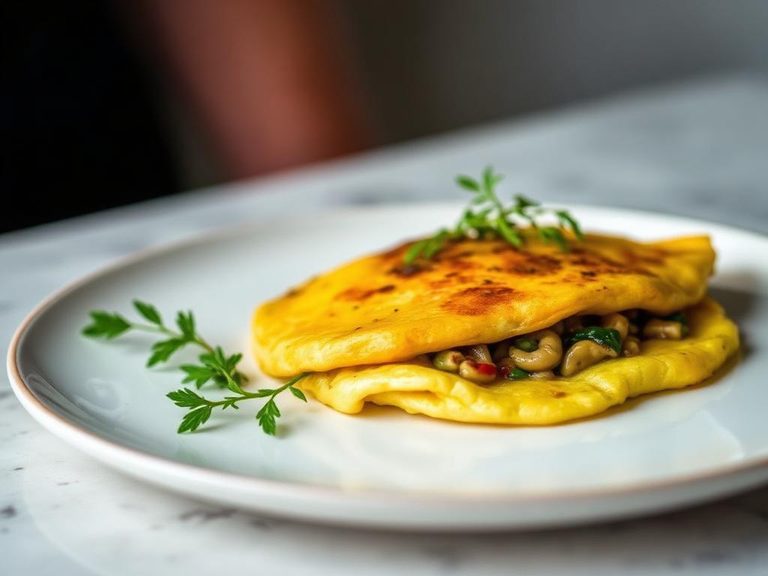
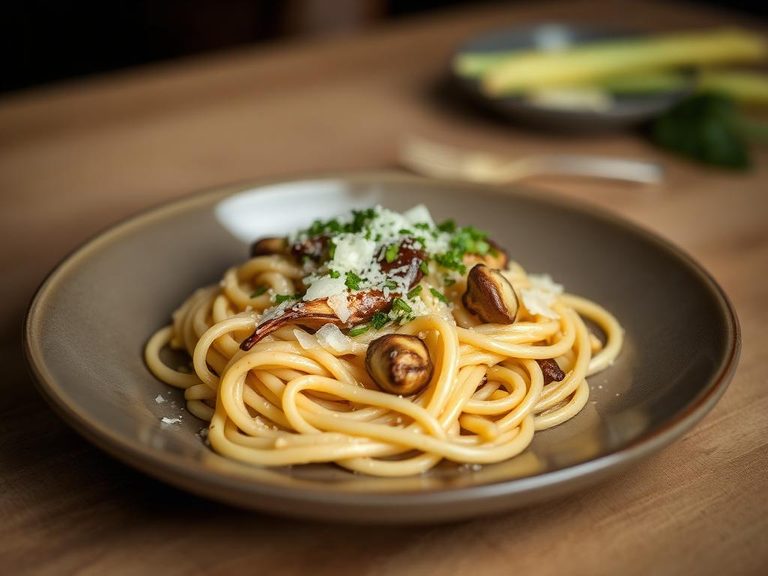
🌍 Where it's eaten
💡 Did you know?
Chanterelles are not cultivated commercially on a large scale; they are almost exclusively harvested from the wild, which is why their price can rival that of truffles.
Full nutrition (USDA data · scales with serving)
| Water | 89.8 g |
| Energy | 32.0 kcal |
| Energy | 135 kj |
| Protein | 1.5 g |
| Total lipid (fat) | 0.53 g |
| Ash | 1.3 g |
| Carbohydrate, by difference | 6.9 g |
| Fiber, total dietary | 3.8 g |
| Total Sugars | 1.2 g |
| Sucrose | 0.00 g |
| Glucose | 1.2 g |
| Fructose | 0.00 g |
| Lactose | 0.00 g |
| Maltose | 0.00 g |
| Galactose | 0.00 g |
| Calcium, Ca | 15.0 mg |
| Iron, Fe | 3.5 mg |
| Magnesium, Mg | 13.0 mg |
| Phosphorus, P | 57.0 mg |
| Potassium, K | 506 mg |
| Sodium, Na | 9.0 mg |
| Zinc, Zn | 0.71 mg |
| Copper, Cu | 0.35 mg |
| Manganese, Mn | 0.29 mg |
| Selenium, Se | 2.2 ug |
| Thiamin | 0.01 mg |
| Riboflavin | 0.21 mg |
| Niacin | 4.1 mg |
| Pantothenic acid | 1.1 mg |
| Vitamin B-6 | 0.04 mg |
| Folate, total | 2.0 ug |
| Folic acid | 0.00 ug |
| Folate, food | 2.0 ug |
| Folate, DFE | 2.0 ug |
| Vitamin D (D2 + D3), International Units | 212 iu |
| Vitamin D (D2 + D3) | 5.3 ug |
| Vitamin D2 (ergocalciferol) | 5.3 ug |
| Vitamin D3 (cholecalciferol) | 0.00 ug |
Fat & fatty acid profile (per 100g)
| Fatty acids, total trans | 0.00 g |
| Stigmasterol | 0.00 mg |
| Campesterol | 1.0 mg |
| Beta-sitosterol | 0.00 mg |
Amino acid profile (per 100g)
Estimated from Mushrooms, brown, italian, or crimini, raw — USDA does not publish this profile for Mushrooms.
| Tryptophan | 0.06 g |
| Threonine | 0.11 g |
| Isoleucine | 0.10 g |
| Leucine | 0.15 g |
| Lysine | 0.25 g |
| Methionine | 0.05 g |
| Cystine | 0.01 g |
| Phenylalanine | 0.10 g |
| Tyrosine | 0.05 g |
| Valine | 0.12 g |
| Arginine | 0.12 g |
| Histidine | 0.07 g |
| Alanine | 0.19 g |
| Aspartic acid | 0.23 g |
| Glutamic acid | 0.43 g |
| Glycine | 0.11 g |
| Proline | 0.18 g |
| Serine | 0.11 g |
FAQ
How do I clean chanterelles properly?
Brush off dirt with a soft brush or damp cloth. Avoid soaking, as they are like sponges and will absorb water, diluting their flavor and causing them to steam rather than sauté.
Can I eat chanterelles raw?
While some sources say they can be eaten raw in small amounts, cooking is strongly recommended. Heat breaks down their tough cell walls, making nutrients more bioavailable and enhancing their rich, savory flavor.
How can I tell a real chanterelle from a false one?
Real chanterelles have blunt, forked ridges (not true gills) running down the stem, a solid stem (not hollow), and often smell faintly of apricots. False chanterelles have true, sharp gills and a more orange-red color.
Nutrient density (calculated · NRF9.3)
Nutrient Rich Foods index: beneficial nutrients (protein, fiber, vitamins, minerals) minus saturated fat, added sugar & sodium, per 100 kcal.
NRF9.3 index — Fulgoni, Keast & Drewnowski, 2009. Computed from USDA nutrients.
Weight-loss friendliness (composite index)
Energy density 0.32 kcal/g · 19% calories from protein · 3.8 g fiber · 1.2 g sugar per 100 g.
Composite of energy density (Rolls et al., 1999), protein & fiber satiety, minus sugar. A calculated heuristic — ranks satiety-per-calorie, not a clinical measure.
Dietary load (calculated from USDA values)
Potential renal acid load. Positive = acid-forming, negative = alkaline-forming.
Sodium-to-potassium ratio: 0.02 (lower is better — aim for ≤ 1)
Sodium:potassium per WHO potassium guidance. Computed from USDA nutrients.