

Mojito
Common food

Photo: Wikipedia
A classic Cuban highball, the Mojito is a vibrant, effervescent cocktail built on a foundation of white rum, fresh lime juice, sugar, and soda water, with the essential aromatic punch of muddled mint leaves. It delivers a refreshing, tart, and sweet flavor profile with a crisp, bubbly texture that makes it a quintessential summer drink. Nutritionally, it is very low in calories and contains negligible protein and fat, with its energy coming almost entirely from simple carbohydrates in the form of added sugar.
Calorie split: 3% protein · 94% carbs · 3% fat
↓ Full nutrition💚 Why it's loved
People love the Mojito for its perfect balance of sweet, tart, and herbaceous flavors, which are incredibly refreshing and invigorating. Its iconic status, tied to Cuban culture and Ernest Hemingway, along with its beautiful presentation, makes it a social and celebratory drink enjoyed worldwide.
⚠️ Watch-outs & how to enjoy it better
The primary downside is the added sugar, which can cause a blood-sugar spike, especially for those with insulin sensitivity or diabetes. To counteract this, opt for a smaller portion, request less simple syrup, or use a sugar substitute like stevia. Additionally, the alcohol content (typically 10-15% ABV) means it should be consumed in moderation, and it is not suitable for pregnant individuals or those avoiding alcohol.
Key benefits
- Low-calorie alcoholic beverage option
- Contains trace amounts of vitamin C from lime juice
- Hydrating due to soda water content
- Provides a quick source of energy from sugar
- Mint can aid digestion
🍽️ Popular dishes
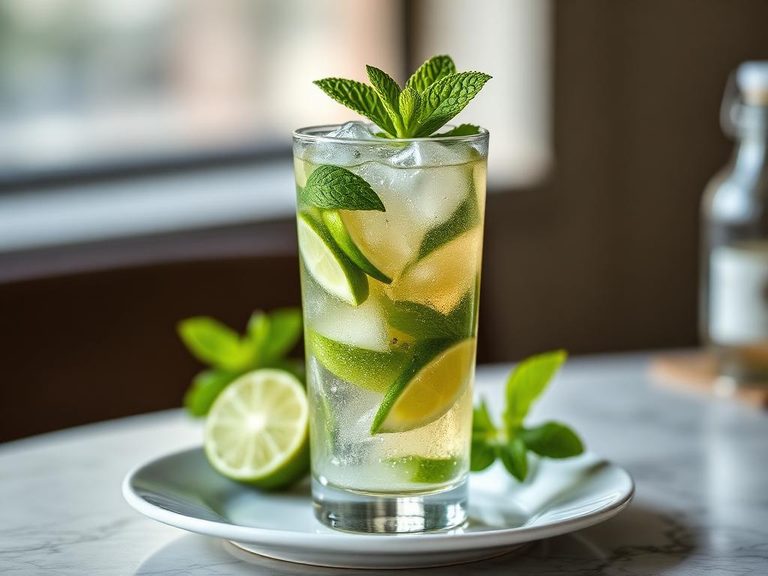
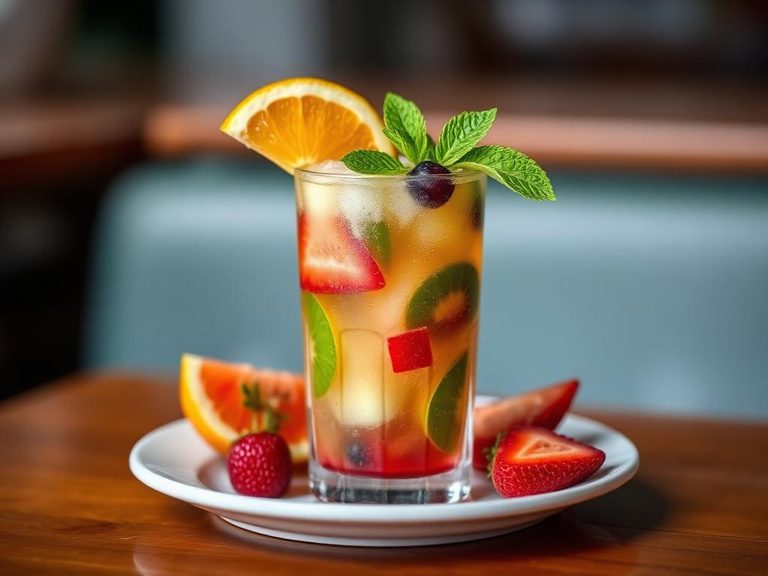
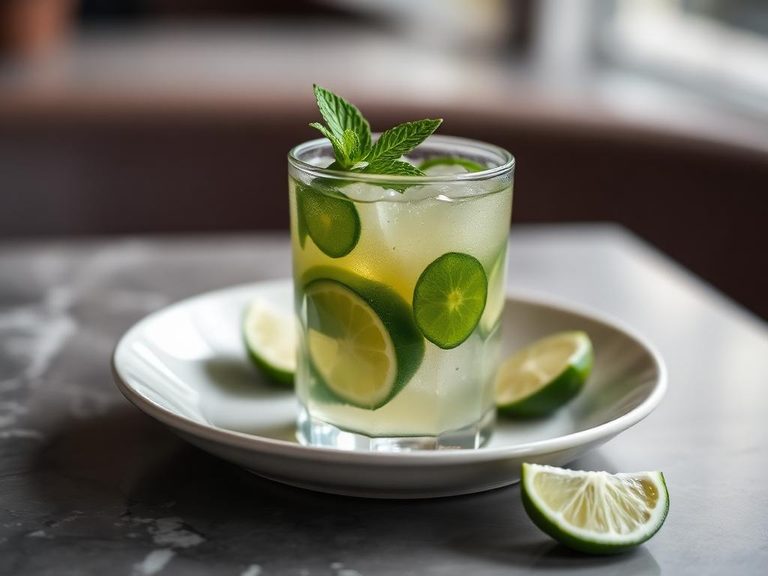
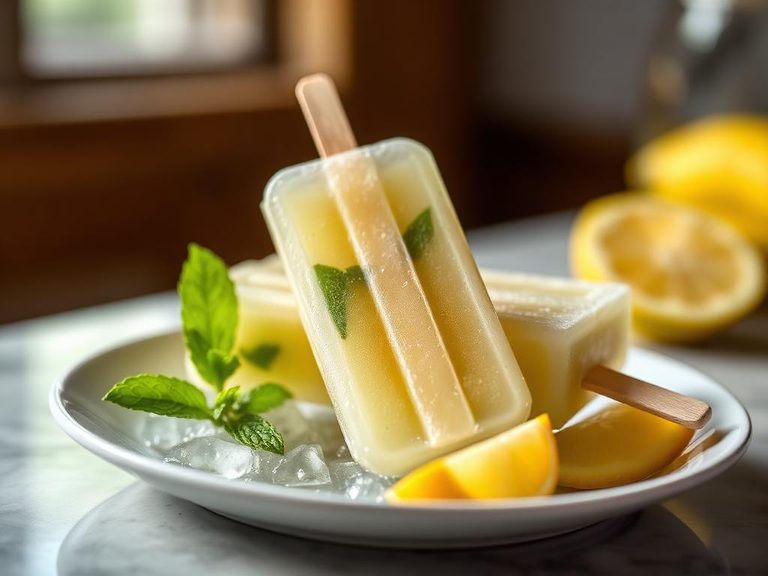
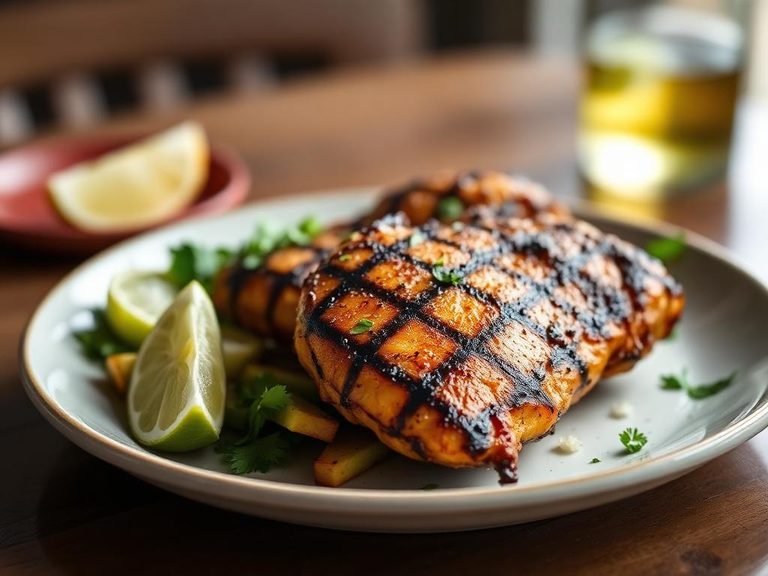
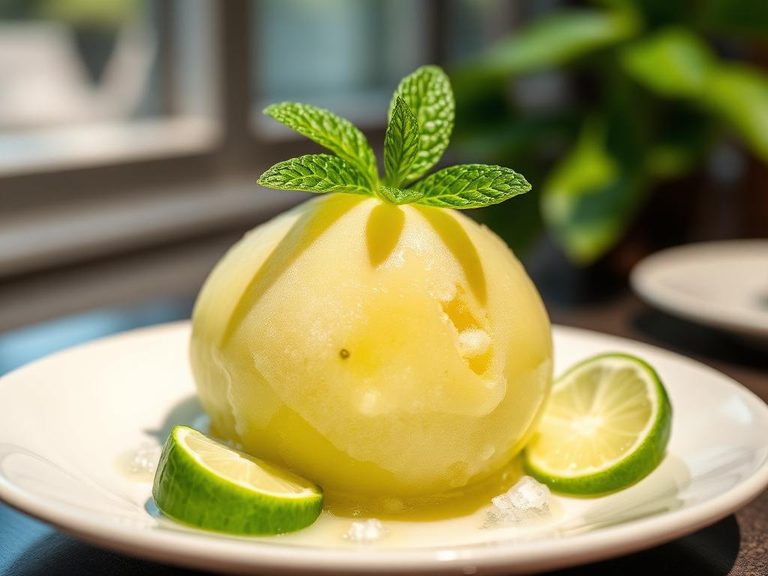
🌍 Where it's eaten
💡 Did you know?
The Mojito's origins are often traced back to a 16th-century Cuban medicinal drink called 'El Draque,' which was named after Sir Francis Drake and used lime and mint to mask the harsh taste of rum.
Full nutrition (USDA data · scales with serving)
| Water | 89.8 g |
| Energy | 61.0 kcal |
| Protein | 0.09 g |
| Total lipid (fat) | 0.03 g |
| Carbohydrate, by difference | 2.5 g |
| Fiber, total dietary | 0.20 g |
| Total Sugars | 1.8 g |
| Calcium, Ca | 7.0 mg |
| Iron, Fe | 0.11 mg |
| Magnesium, Mg | 2.0 mg |
| Phosphorus, P | 3.0 mg |
| Potassium, K | 19.0 mg |
| Sodium, Na | 15.0 mg |
| Zinc, Zn | 0.10 mg |
| Copper, Cu | 0.02 mg |
| Selenium, Se | 0.10 ug |
| Vitamin C, total ascorbic acid | 2.4 mg |
| Thiamin | 0.01 mg |
| Riboflavin | 0.01 mg |
| Niacin | 0.04 mg |
| Vitamin B-6 | 0.01 mg |
| Folate, total | 2.0 ug |
| Folic acid | 0.00 ug |
| Folate, food | 2.0 ug |
| Folate, DFE | 2.0 ug |
| Choline, total | 0.60 mg |
| Vitamin B-12 | 0.00 ug |
| Vitamin B-12, added | 0.00 ug |
| Vitamin A, RAE | 7.0 ug |
| Retinol | 0.00 ug |
| Carotene, beta | 82.0 ug |
| Carotene, alpha | 1.0 ug |
| Cryptoxanthin, beta | 4.0 ug |
| Lycopene | 0.00 ug |
| Lutein + zeaxanthin | 18.0 ug |
| Vitamin E (alpha-tocopherol) | 0.06 mg |
| Vitamin E, added | 0.00 mg |
| Vitamin D (D2 + D3) | 0.00 ug |
| Vitamin K (phylloquinone) | 6.3 ug |
| Alcohol, ethyl | 7.6 g |
| Caffeine | 0.00 mg |
| Theobromine | 0.00 mg |
Fat & fatty acid profile (per 100g)
| Fatty acids, total saturated | 0.00 g |
| SFA 4:0 | 0.00 g |
| SFA 6:0 | 0.00 g |
| SFA 8:0 | 0.00 g |
| SFA 10:0 | 0.00 g |
| SFA 12:0 | 0.00 g |
| SFA 14:0 | 0.00 g |
| SFA 16:0 | 0.00 g |
| SFA 18:0 | 0.00 g |
| Fatty acids, total monounsaturated | 0.01 g |
| MUFA 16:1 | 0.00 g |
| MUFA 18:1 | 0.01 g |
| MUFA 20:1 | 0.00 g |
| MUFA 22:1 | 0.00 g |
| Fatty acids, total polyunsaturated | 0.00 g |
| PUFA 18:2 | 0.00 g |
| PUFA 18:3 | 0.00 g |
| PUFA 18:4 | 0.00 g |
| PUFA 20:4 | 0.00 g |
| PUFA 20:5 n-3 (EPA) | 0.00 g |
| PUFA 22:5 n-3 (DPA) | 0.00 g |
| PUFA 22:6 n-3 (DHA) | 0.00 g |
| Cholesterol | 0.00 mg |
FAQ
What is the main alcohol in a Mojito?
The main alcohol is white rum, which provides the base spirit for the cocktail.
Can I make a non-alcoholic version?
Yes, a non-alcoholic version is called a 'Nojito' or 'Virgin Mojito,' which replaces the rum with extra soda water or a non-alcoholic spirit.
Is a Mojito a low-sugar drink?
No, a traditional Mojito contains added sugar (simple syrup) which contributes to its sweetness. A standard serving can have around 15-20 grams of sugar.
Nutrient density (calculated · NRF9.3)
Nutrient Rich Foods index: beneficial nutrients (protein, fiber, vitamins, minerals) minus saturated fat, added sugar & sodium, per 100 kcal.
NRF9.3 index — Fulgoni, Keast & Drewnowski, 2009. Computed from USDA nutrients.
Weight-loss friendliness (composite index)
Energy density 0.61 kcal/g · 1% calories from protein · 0.2 g fiber · 1.8 g sugar per 100 g.
Composite of energy density (Rolls et al., 1999), protein & fiber satiety, minus sugar. A calculated heuristic — ranks satiety-per-calorie, not a clinical measure.
Dietary load (calculated from USDA values)
Potential renal acid load. Positive = acid-forming, negative = alkaline-forming.
Sodium-to-potassium ratio: 0.79 (lower is better — aim for ≤ 1)
Sodium:potassium per WHO potassium guidance. Computed from USDA nutrients.