

Mahi mahi, frozen, wild caught
Whole food · Finfish and Shellfish Products
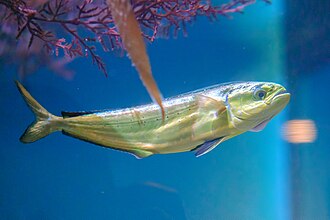
Photo: Wikipedia
Mahi mahi, or dolphinfish, is a firm, lean white fish with a mild, sweet flavor and a meaty texture that holds up well to high-heat cooking. Wild-caught and frozen, it's a nutritional powerhouse, offering a remarkable 19.8g of protein per 100g for only 84 calories, with virtually no fat or carbs. It's a favorite for its clean, satisfying taste and ability to absorb marinades and spices beautifully.
Calorie split: 95% protein · 1% carbs · 4% fat
↓ Full nutrition💚 Why it's loved
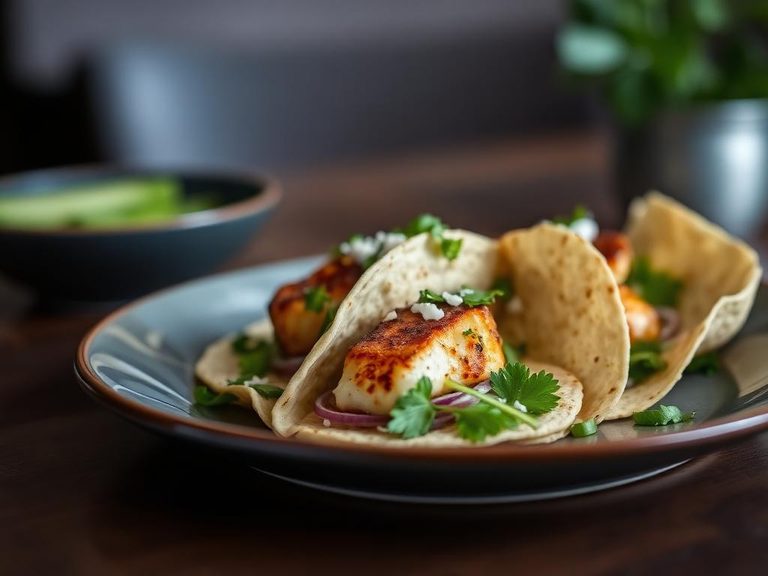
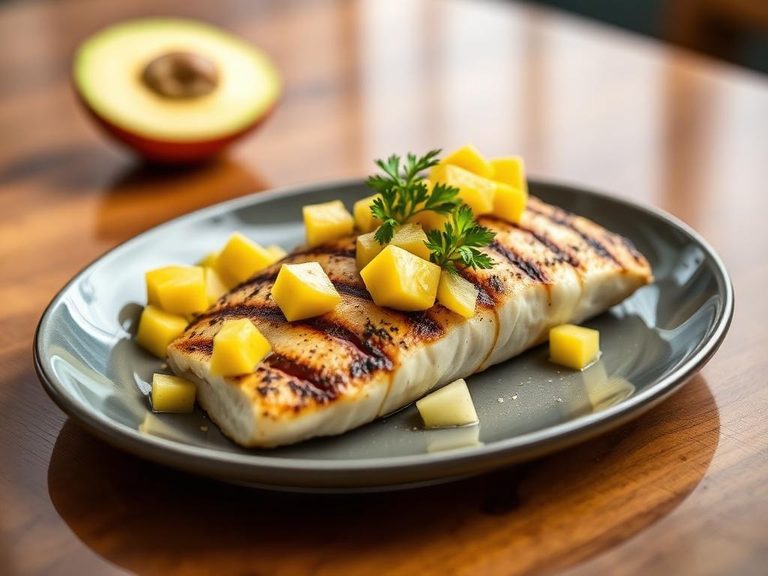
People love mahi mahi for its versatile, mild flavor that pairs with everything from tropical fruit salsas to spicy blackened seasonings. Its firm, flaky texture doesn't fall apart easily, making it perfect for grilling, searing, or tacos.
⚠️ Watch-outs & how to enjoy it better
While generally low in mercury, some individuals may be cautious due to general seafood allergen concerns. To counteract this, ensure it's cooked to an internal temperature of 145°F (63°C) to eliminate any risk, and if you have a fish allergy, avoid it entirely. For those watching sodium, use low-sodium marinades or rubs, as pre-seasoned frozen fillets can be high in salt.
Key benefits
- Exceptionally high in lean protein for muscle maintenance and satiety.
- Very low in calories, fat, and carbohydrates, making it ideal for weight management.
- Rich in essential nutrients like selenium and B vitamins (especially B12 and niacin).
- A good source of omega-3 fatty acids, supporting heart and brain health.
- Wild-caught options avoid concerns about farm-raised antibiotics or additives.
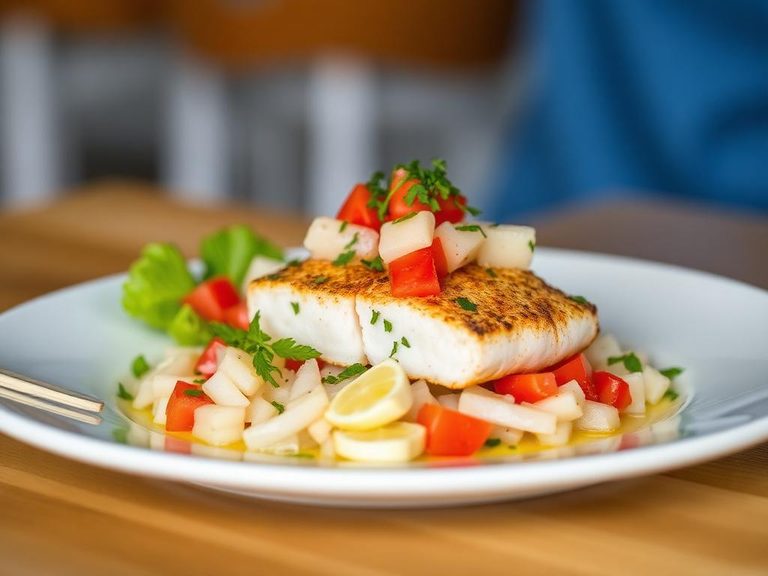
🍽️ Popular dishes
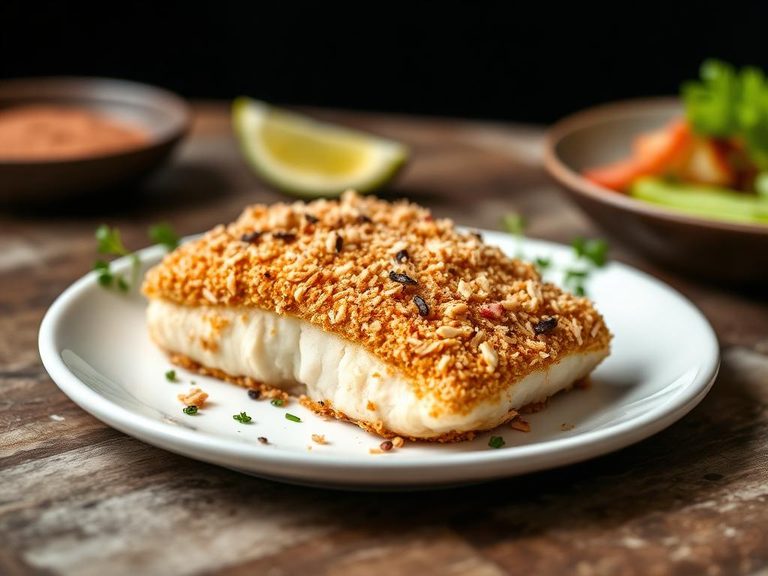
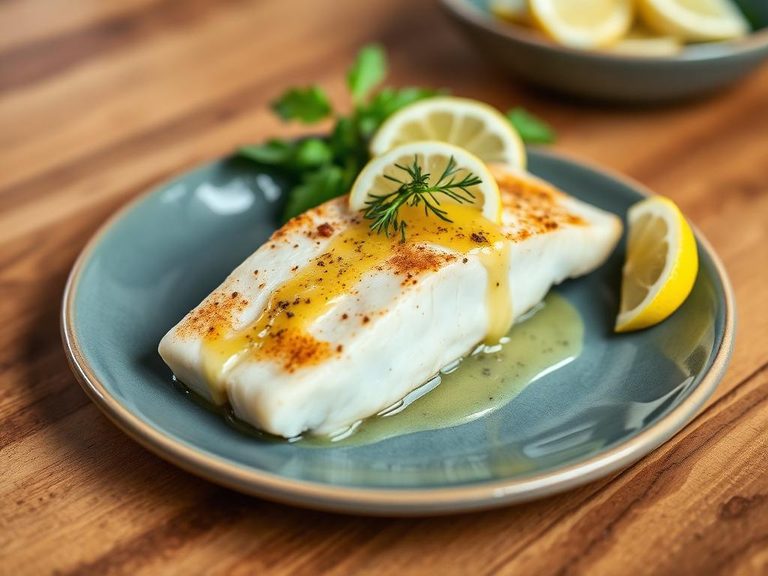
🌍 Where it's eaten
💡 Did you know?
Despite its common name 'dolphinfish,' mahi mahi is not related to dolphins at all; the name likely comes from the Portuguese 'dourado' meaning golden, referring to the fish's vibrant colors.
Full nutrition (USDA data · scales with serving)
| Water | 78.3 g |
| Energy (Atwater General Factors) | 83.7 kcal |
| Nitrogen | 3.2 g |
| Protein | 19.8 g |
| Total lipid (fat) | 0.38 g |
| Ash | 1.2 g |
| Carbohydrate, by difference | 0.29 g |
| Calcium, Ca | 6.0 mg |
| Iron, Fe | 0.05 mg |
| Magnesium, Mg | 28.0 mg |
| Phosphorus, P | 224 mg |
| Potassium, K | 408 mg |
| Sodium, Na | 51.9 mg |
| Zinc, Zn | 0.30 mg |
| Copper, Cu | 0.03 mg |
| Manganese, Mn | 0.00 mg |
| Selenium, Se | 50.2 ug |
| Vitamin B-12 | 1.3 ug |
Fat & fatty acid profile (per 100g)
Estimated from Fish, mahimahi, raw — USDA does not publish this profile for Mahi mahi.
| Fatty acids, total saturated | 0.19 g |
| SFA 4:0 | 0.00 g |
| SFA 6:0 | 0.00 g |
| SFA 8:0 | 0.00 g |
| SFA 10:0 | 0.00 g |
| SFA 12:0 | 0.00 g |
| SFA 14:0 | 0.01 g |
| SFA 16:0 | 0.12 g |
| SFA 18:0 | 0.05 g |
| Fatty acids, total monounsaturated | 0.12 g |
| MUFA 16:1 | 0.02 g |
| MUFA 18:1 | 0.09 g |
| MUFA 20:1 | 0.00 g |
| MUFA 22:1 | 0.01 g |
| Fatty acids, total polyunsaturated | 0.17 g |
| PUFA 18:2 | 0.04 g |
| PUFA 18:3 | 0.01 g |
| PUFA 18:4 | 0.01 g |
| PUFA 20:4 | 0.00 g |
| PUFA 20:5 n-3 (EPA) | 0.02 g |
| PUFA 22:5 n-3 (DPA) | 0.01 g |
| PUFA 22:6 n-3 (DHA) | 0.09 g |
| Cholesterol | 73.0 mg |
Amino acid profile (per 100g)
Estimated from Fish, mahimahi, raw — USDA does not publish this profile for Mahi mahi.
| Tryptophan | 0.21 g |
| Threonine | 0.81 g |
| Isoleucine | 0.85 g |
| Leucine | 1.5 g |
| Lysine | 1.7 g |
| Methionine | 0.55 g |
| Cystine | 0.20 g |
| Phenylalanine | 0.72 g |
| Tyrosine | 0.63 g |
| Valine | 0.95 g |
| Arginine | 1.1 g |
| Histidine | 0.55 g |
| Alanine | 1.1 g |
| Aspartic acid | 1.9 g |
| Glutamic acid | 2.8 g |
| Glycine | 0.89 g |
| Proline | 0.65 g |
| Serine | 0.76 g |
FAQ
How do I thaw frozen mahi mahi safely?
The best method is to thaw it overnight in the refrigerator on a plate. For a quicker option, place the sealed fillet in a bowl of cold water, changing the water every 30 minutes until thawed (about 1 hour). Avoid thawing at room temperature.
Is mahi mahi high in mercury?
Mahi mahi is considered a low-mercury fish, making it a safer choice for regular consumption compared to larger predatory fish like swordfish or king mackerel.
What's the best way to cook frozen mahi mahi?
You can cook it from frozen by baking at 400°F (200°C) for about 20-25 minutes, or pan-searing it (add 2-3 minutes to the cooking time). Thawing first ensures more even cooking and better texture.
Nutrient density (calculated · NRF9.3)
Nutrient Rich Foods index: beneficial nutrients (protein, fiber, vitamins, minerals) minus saturated fat, added sugar & sodium, per 100 kcal.
NRF9.3 index — Fulgoni, Keast & Drewnowski, 2009. Computed from USDA nutrients.
Weight-loss friendliness (composite index)
Energy density 0.84 kcal/g · 95% calories from protein · 0.0 g fiber · 0.0 g sugar per 100 g.
Composite of energy density (Rolls et al., 1999), protein & fiber satiety, minus sugar. A calculated heuristic — ranks satiety-per-calorie, not a clinical measure.
Dietary load (calculated from USDA values)
Potential renal acid load. Positive = acid-forming, negative = alkaline-forming.
Sodium-to-potassium ratio: 0.13 (lower is better — aim for ≤ 1)
Sodium:potassium per WHO potassium guidance. Computed from USDA nutrients.