

Lamb, Australian, imported, fresh, shoulder, whole (arm and blade), separable lean and fat, trimmed to 1/8" fat, cooked
Whole food · Lamb, Veal, and Game Products
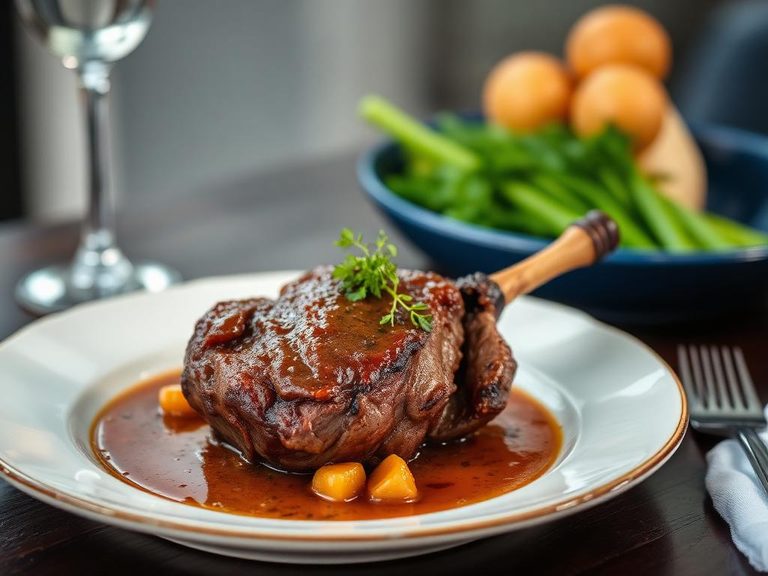
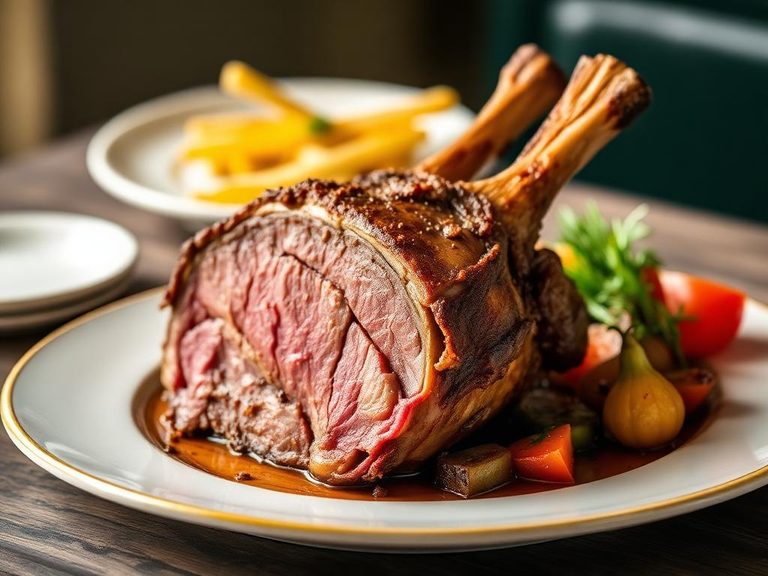
This is a whole, bone-in shoulder cut from Australian lamb, trimmed to a lean 1/8-inch fat cap and cooked. The meat is rich, succulent, and deeply savory, with a tender, pull-apart texture when slow-cooked. It's a powerhouse of high-quality protein and contains zero carbohydrates or sugar.
Calorie split: 33% protein · 0% carbs · 67% fat
↓ Full nutrition💚 Why it's loved
People adore it for its robust, distinctive lamb flavor and incredibly versatile texture, which becomes meltingly tender with slow cooking. It's a centerpiece for festive gatherings and comforting family meals across many cultures.
⚠️ Watch-outs & how to enjoy it better
The high saturated fat content (about 9g per 100g) may be a concern for those managing cholesterol. To balance this, pair it with fiber-rich vegetables like roasted root vegetables or a fresh salad, and practice portion control. The strong flavor can be off-putting to some; marinating in acidic ingredients like lemon juice or yogurt can mellow it.
Key benefits
- Excellent source of complete protein for muscle maintenance.
- Rich in iron, zinc, and B vitamins, especially B12.
- Provides conjugated linoleic acid (CLA), a naturally occurring fatty acid.
- Contains no carbohydrates, making it suitable for keto and carnivore diets.
🍽️ Popular dishes
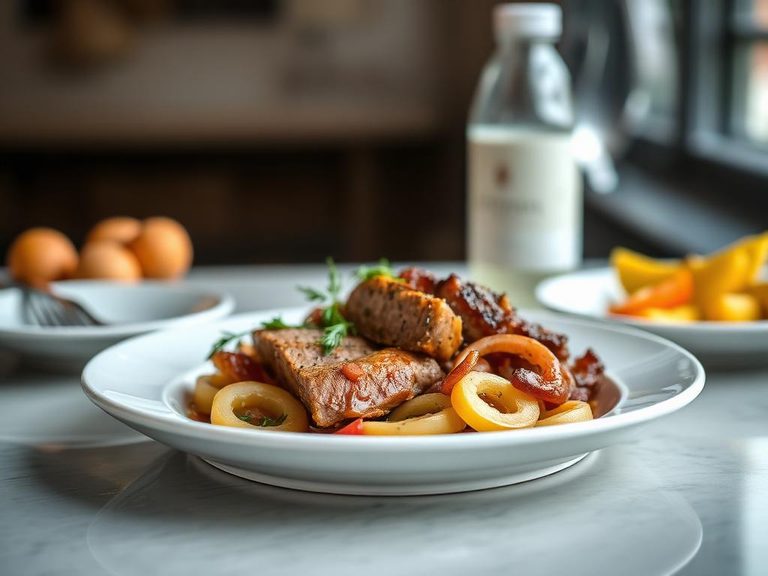
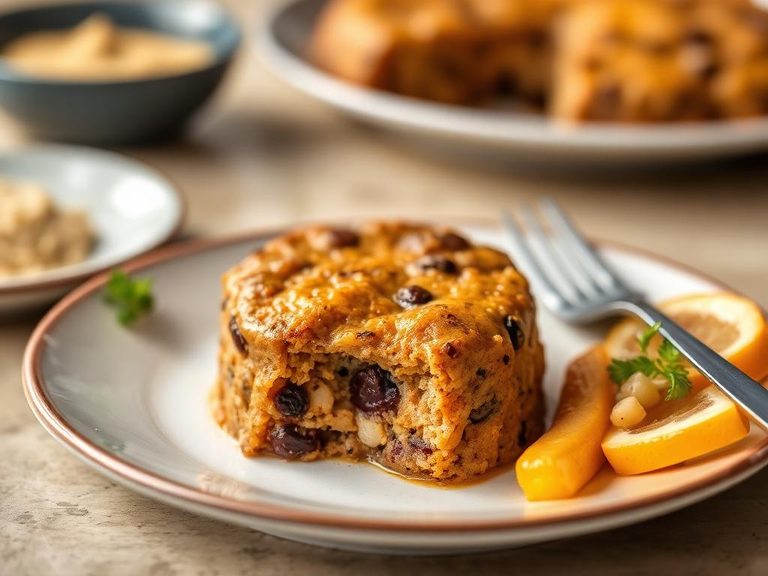
🌍 Where it's eaten
💡 Did you know?
The 'arm' and 'blade' in the shoulder cut refer to the specific bones within it—the humerus (arm) and the scapula (blade)—which act as natural flavor conduits during cooking.
Full nutrition (USDA data · scales with serving)
| Water | 55.3 g |
| Energy | 296 kcal |
| Energy | 1238 kj |
| Protein | 23.6 g |
| Total lipid (fat) | 21.6 g |
| Ash | 0.96 g |
| Carbohydrate, by difference | 0.00 g |
| Calcium, Ca | 28.0 mg |
| Iron, Fe | 1.8 mg |
| Magnesium, Mg | 21.0 mg |
| Phosphorus, P | 183 mg |
| Potassium, K | 288 mg |
| Sodium, Na | 85.0 mg |
| Zinc, Zn | 5.8 mg |
| Copper, Cu | 0.14 mg |
| Manganese, Mn | 0.01 mg |
| Selenium, Se | 4.5 ug |
| Thiamin | 0.09 mg |
| Riboflavin | 0.27 mg |
| Niacin | 4.4 mg |
| Pantothenic acid | 0.72 mg |
| Vitamin B-6 | 0.20 mg |
| Vitamin B-12 | 3.3 ug |
Fat & fatty acid profile (per 100g)
| Fatty acids, total saturated | 10.3 g |
| SFA 10:0 | 0.04 g |
| SFA 12:0 | 0.07 g |
| SFA 14:0 | 0.83 g |
| SFA 15:0 | 0.13 g |
| SFA 16:0 | 4.8 g |
| SFA 17:0 | 0.33 g |
| SFA 18:0 | 4.1 g |
| SFA 20:0 | 0.07 g |
| Fatty acids, total monounsaturated | 8.5 g |
| MUFA 14:1 | 0.04 g |
| MUFA 16:1 | 0.39 g |
| MUFA 18:1 | 7.9 g |
| MUFA 20:1 | 0.07 g |
| Fatty acids, total polyunsaturated | 0.82 g |
| PUFA 18:2 | 0.50 g |
| PUFA 18:3 | 0.24 g |
| PUFA 20:4 | 0.05 g |
| Cholesterol | 89.0 mg |
Amino acid profile (per 100g)
| Tryptophan | 0.28 g |
| Threonine | 1.0 g |
| Isoleucine | 1.1 g |
| Leucine | 1.8 g |
| Lysine | 2.1 g |
| Methionine | 0.60 g |
| Cystine | 0.28 g |
| Phenylalanine | 0.96 g |
| Tyrosine | 0.79 g |
| Valine | 1.3 g |
| Arginine | 1.4 g |
| Histidine | 0.75 g |
| Alanine | 1.4 g |
| Aspartic acid | 2.1 g |
| Glutamic acid | 3.4 g |
| Glycine | 1.2 g |
| Proline | 0.99 g |
| Serine | 0.88 g |
FAQ
What's the best way to cook this cut?
Slow, moist heat is key. Braise, roast, or stew it at a low temperature for several hours until the connective tissue breaks down, making it fork-tender.
How does it differ from a leg of lamb?
The shoulder is a harder-working muscle with more connective tissue and fat, making it more flavorful and better for slow cooking. The leg is leaner and more suited to quicker roasting or grilling.
Is the fat cap necessary?
Yes, the 1/8-inch fat cap bastes the meat during cooking, adding moisture and flavor. You can trim it further after cooking if desired.
Nutrient density (calculated · NRF9.3)
Nutrient Rich Foods index: beneficial nutrients (protein, fiber, vitamins, minerals) minus saturated fat, added sugar & sodium, per 100 kcal.
NRF9.3 index — Fulgoni, Keast & Drewnowski, 2009. Computed from USDA nutrients.
Weight-loss friendliness (composite index)
Energy density 2.96 kcal/g · 32% calories from protein · 0.0 g fiber · 0.0 g sugar per 100 g.
Composite of energy density (Rolls et al., 1999), protein & fiber satiety, minus sugar. A calculated heuristic — ranks satiety-per-calorie, not a clinical measure.
Dietary load (calculated from USDA values)
Potential renal acid load. Positive = acid-forming, negative = alkaline-forming.
Sodium-to-potassium ratio: 0.30 (lower is better — aim for ≤ 1)
Sodium:potassium per WHO potassium guidance. Computed from USDA nutrients.