

Lamb, Australian, imported, fresh, loin, separable lean only, trimmed to 1/8" fat, cooked, broiled
Whole food · Lamb, Veal, and Game Products
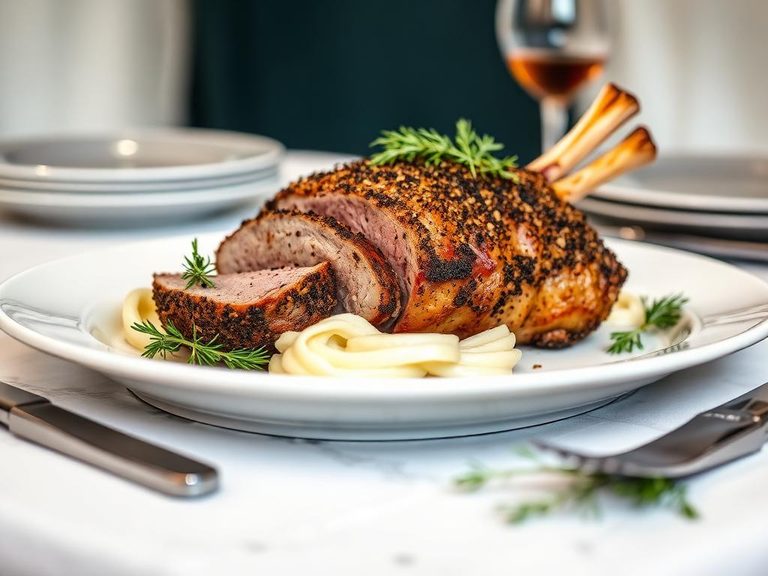
This is premium, lean Australian lamb loin, broiled to a perfect sear that locks in juices while rendering the fat cap. The result is a tender, deeply savory cut with a clean, mineral-rich flavor and a satisfying, non-greasy texture. Nutritionally, it's a powerhouse of complete protein with a very favorable lean-to-fat ratio.
Calorie split: 57% protein · 0% carbs · 43% fat
↓ Full nutrition💚 Why it's loved
People love it for its refined, meaty flavor that's robust without being gamey, and its tender, steak-like texture that cooks quickly and impresses. It's a versatile centerpiece that elevates both simple weeknight grills and elegant weekend roasts.
⚠️ Watch-outs & how to enjoy it better
As a red meat, it is higher in saturated fat than poultry or fish, so portion control is key for those monitoring heart health. To counteract, pair it with fiber-rich vegetables (like roasted broccoli or a leafy salad) and use herbs like rosemary and garlic instead of heavy salt-based rubs.
Key benefits
- Exceptional source of high-quality, complete protein
- Rich in bioavailable iron and zinc for energy and immunity
- Provides B-vitamins like B12 and niacin for nervous system health
- Naturally low in carbohydrates and sugars
🍽️ Popular dishes
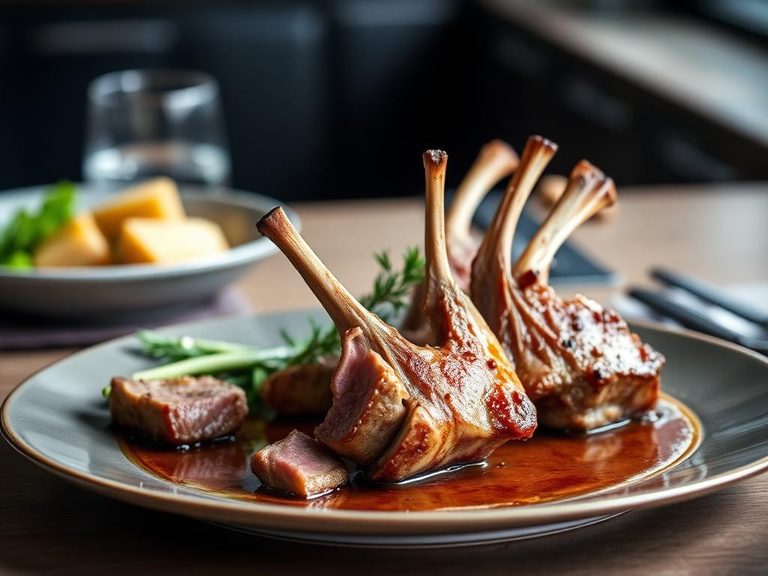
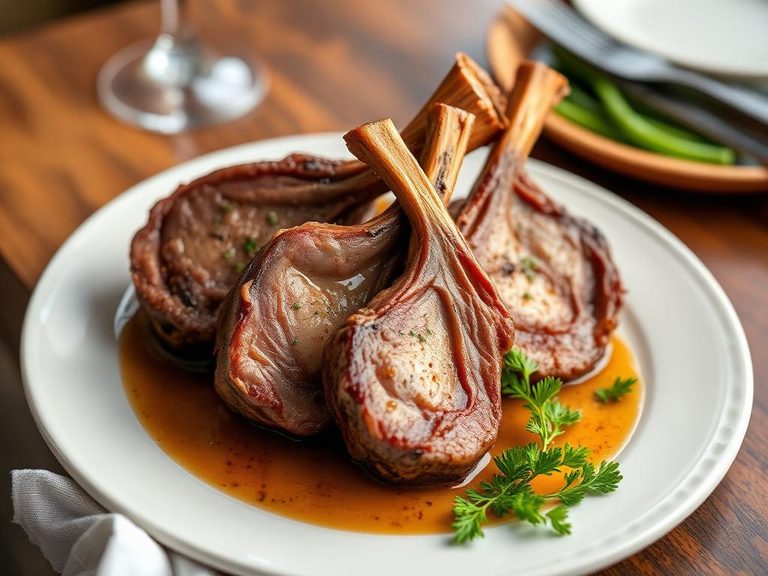
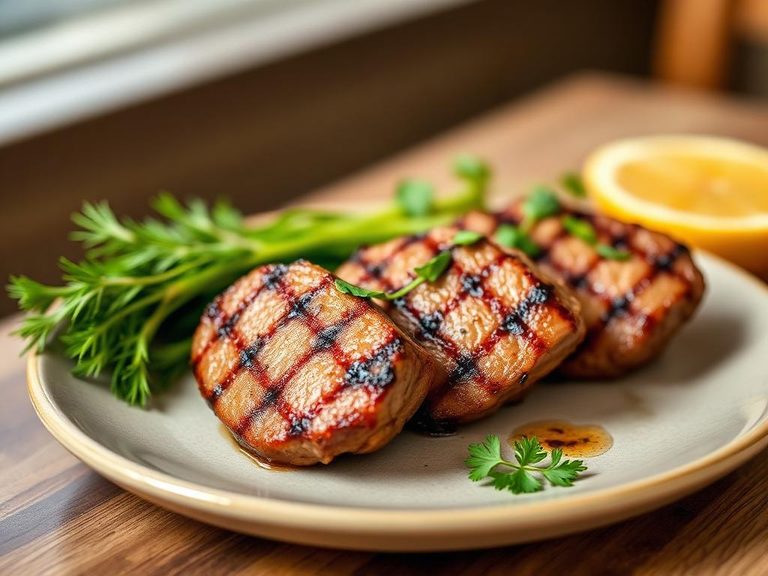
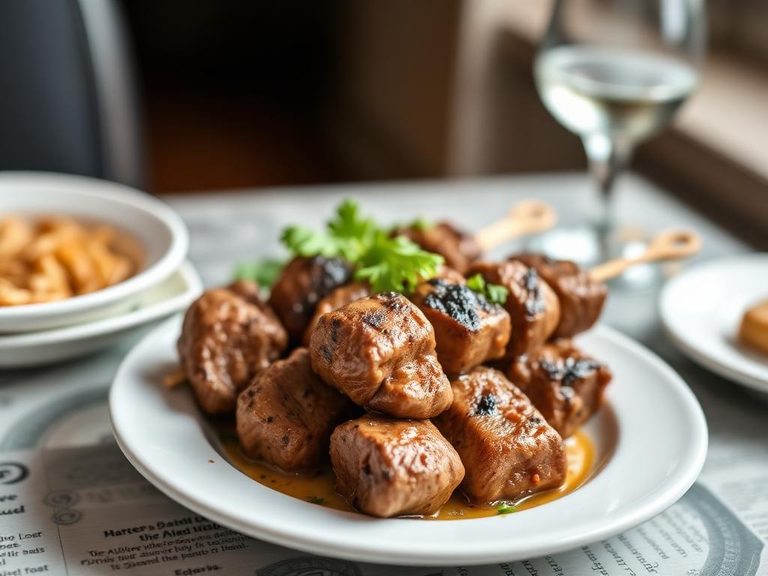
🌍 Where it's eaten
💡 Did you know?
The term 'loin' comes from the Old French 'loigne,' and the cut is prized for being the most tender part of the animal because these muscles do very little work.
Full nutrition (USDA data · scales with serving)
| Water | 64.5 g |
| Energy | 192 kcal |
| Energy | 803 kj |
| Protein | 26.5 g |
| Total lipid (fat) | 8.8 g |
| Ash | 1.1 g |
| Carbohydrate, by difference | 0.00 g |
| Calcium, Ca | 21.0 mg |
| Iron, Fe | 2.2 mg |
| Magnesium, Mg | 26.0 mg |
| Phosphorus, P | 220 mg |
| Potassium, K | 340 mg |
| Sodium, Na | 80.0 mg |
| Zinc, Zn | 3.5 mg |
| Copper, Cu | 0.16 mg |
| Manganese, Mn | 0.01 mg |
| Selenium, Se | 10.3 ug |
| Thiamin | 0.18 mg |
| Riboflavin | 0.33 mg |
| Niacin | 8.2 mg |
| Pantothenic acid | 0.84 mg |
| Vitamin B-6 | 0.51 mg |
| Vitamin B-12 | 2.0 ug |
Fat & fatty acid profile (per 100g)
| Fatty acids, total saturated | 3.7 g |
| SFA 10:0 | 0.01 g |
| SFA 12:0 | 0.02 g |
| SFA 14:0 | 0.27 g |
| SFA 15:0 | 0.04 g |
| SFA 16:0 | 1.9 g |
| SFA 17:0 | 0.10 g |
| SFA 18:0 | 1.3 g |
| SFA 20:0 | 0.01 g |
| Fatty acids, total monounsaturated | 3.5 g |
| MUFA 14:1 | 0.01 g |
| MUFA 16:1 | 0.15 g |
| MUFA 18:1 | 3.3 g |
| MUFA 20:1 | 0.03 g |
| Fatty acids, total polyunsaturated | 0.37 g |
| PUFA 18:2 | 0.23 g |
| PUFA 18:3 | 0.11 g |
| PUFA 20:4 | 0.04 g |
| Cholesterol | 81.0 mg |
Amino acid profile (per 100g)
| Tryptophan | 0.31 g |
| Threonine | 1.1 g |
| Isoleucine | 1.3 g |
| Leucine | 2.1 g |
| Lysine | 2.3 g |
| Methionine | 0.68 g |
| Cystine | 0.32 g |
| Phenylalanine | 1.1 g |
| Tyrosine | 0.89 g |
| Valine | 1.4 g |
| Arginine | 1.6 g |
| Histidine | 0.84 g |
| Alanine | 1.6 g |
| Aspartic acid | 2.3 g |
| Glutamic acid | 3.9 g |
| Glycine | 1.3 g |
| Proline | 1.1 g |
| Serine | 0.98 g |
FAQ
How is this different from lamb leg?
The loin is smaller, more tender, and cooks faster than the leg. It's ideal for quick, high-heat methods like broiling or grilling, while the leg is better suited for roasting or slow-cooking.
What does 'trimmed to 1/8" fat' mean?
It means the butcher has carefully removed excess external fat, leaving only a thin, 1/8-inch layer. This provides flavor and moisture during cooking without excessive greasiness.
Is broiling the best way to cook it?
Broiling is excellent as it mimics the intense, direct heat of a grill, creating a delicious crust while keeping the interior juicy. Pan-searing and then finishing in the oven is another top method.
Nutrient density (calculated · NRF9.3)
Nutrient Rich Foods index: beneficial nutrients (protein, fiber, vitamins, minerals) minus saturated fat, added sugar & sodium, per 100 kcal.
NRF9.3 index — Fulgoni, Keast & Drewnowski, 2009. Computed from USDA nutrients.
Weight-loss friendliness (composite index)
Energy density 1.92 kcal/g · 55% calories from protein · 0.0 g fiber · 0.0 g sugar per 100 g.
Composite of energy density (Rolls et al., 1999), protein & fiber satiety, minus sugar. A calculated heuristic — ranks satiety-per-calorie, not a clinical measure.
Dietary load (calculated from USDA values)
Potential renal acid load. Positive = acid-forming, negative = alkaline-forming.
Sodium-to-potassium ratio: 0.24 (lower is better — aim for ≤ 1)
Sodium:potassium per WHO potassium guidance. Computed from USDA nutrients.