

Lamb, Australian, imported, fresh, leg, sirloin half, boneless, separable lean and fat, trimmed to 1/8" fat, cooked, roasted
Whole food · Lamb, Veal, and Game Products

Photo: Wikipedia
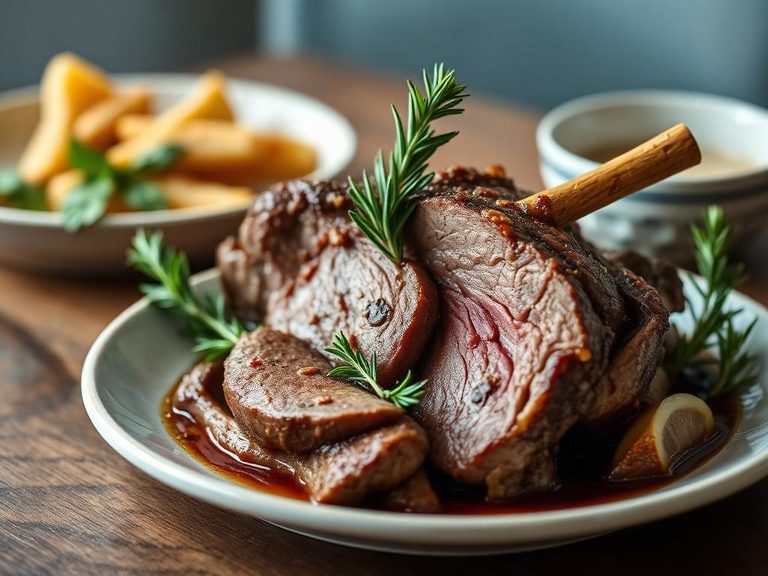
This is a premium, boneless cut from the sirloin half of an Australian lamb leg, roasted to a rich, savory perfection. The meat offers a tender, succulent texture with a balanced blend of lean muscle and flavorful fat, delivering a deep, slightly gamey taste that is quintessentially lamb. Nutritionally, it is a powerhouse of high-quality protein and essential fats, with virtually no carbohydrates.
Calorie split: 36% protein · 0% carbs · 64% fat
↓ Full nutrition💚 Why it's loved
People cherish this cut for its robust, savory flavor that stands up beautifully to roasting, becoming tender and juicy. Its versatility makes it a centerpiece for both elegant Sunday roasts and hearty, comforting family meals.
⚠️ Watch-outs & how to enjoy it better
The relatively high saturated fat content may be a concern for those managing cholesterol or heart health. To enjoy it mindfully, practice portion control (a palm-sized serving) and pair it with fiber-rich vegetables like roasted carrots or a fresh salad to balance the meal. Those sensitive to red meat may also experience digestive discomfort.
Key benefits
- Excellent source of complete, high-quality protein for muscle maintenance.
- Rich in heme iron, which is highly bioavailable and supports energy levels.
- Provides essential B vitamins, particularly B12, crucial for nerve function.
- Contains zinc, important for immune health and wound healing.
- A source of conjugated linoleic acid (CLA), a naturally occurring fatty acid.
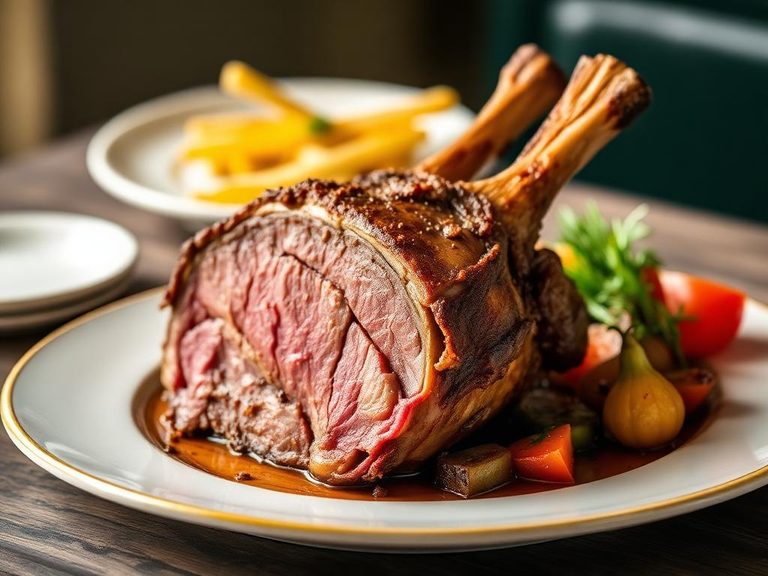
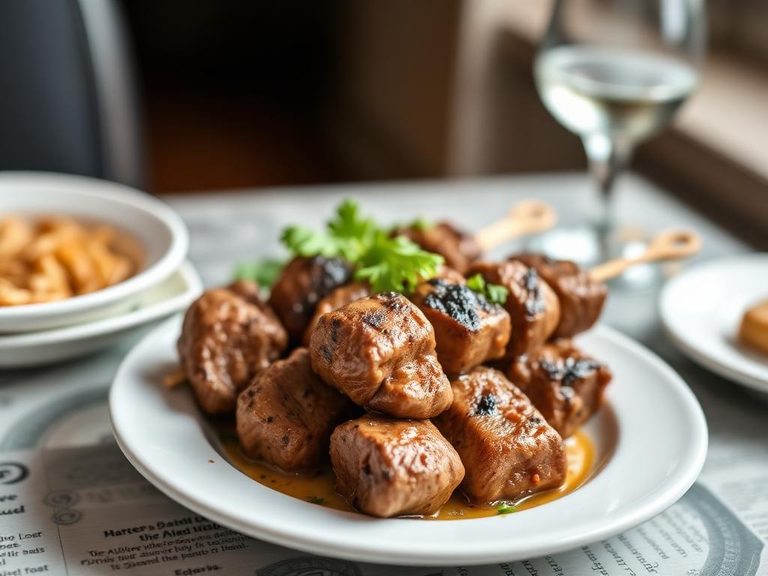
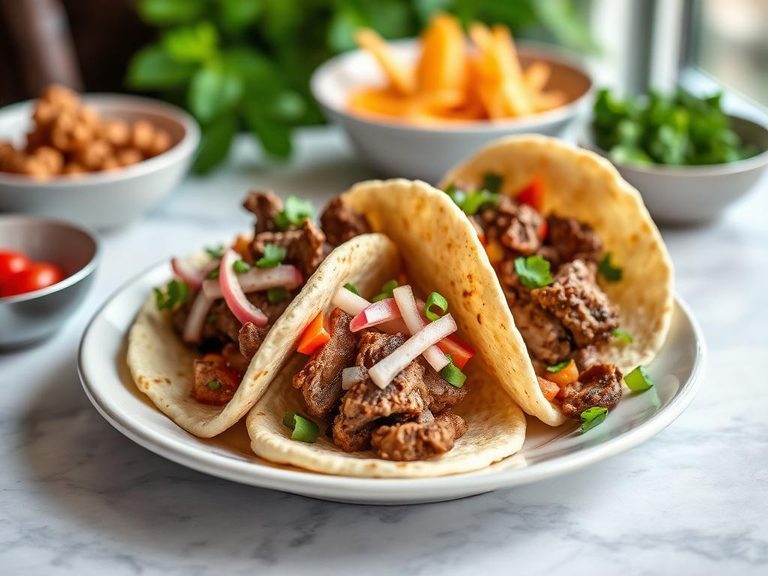
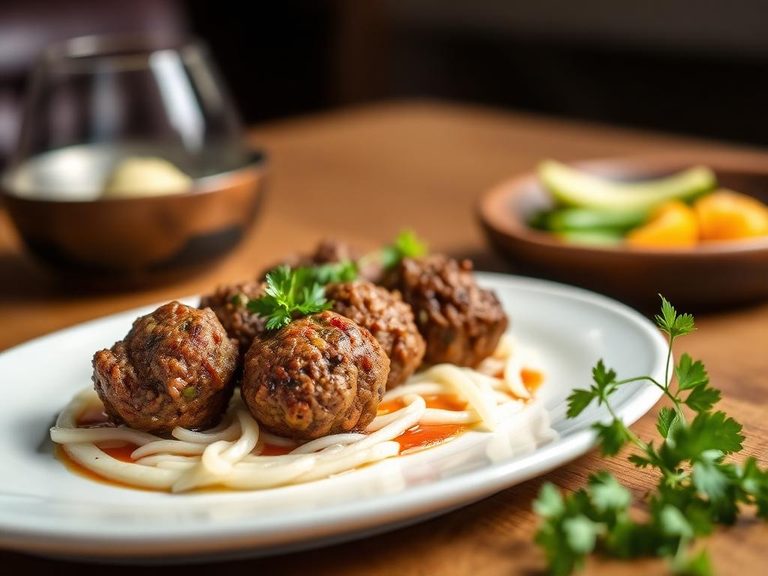
🍽️ Popular dishes
🌍 Where it's eaten
💡 Did you know?
Australia is one of the world's largest exporters of lamb, and the 'sirloin half' of the leg is considered the more tender and premium portion compared to the shank end.
Full nutrition (USDA data · scales with serving)
| Water | 56.2 g |
| Energy | 281 kcal |
| Energy | 1176 kj |
| Protein | 24.9 g |
| Total lipid (fat) | 19.4 g |
| Ash | 0.96 g |
| Carbohydrate, by difference | 0.00 g |
| Calcium, Ca | 15.0 mg |
| Iron, Fe | 2.1 mg |
| Magnesium, Mg | 23.0 mg |
| Phosphorus, P | 199 mg |
| Potassium, K | 297 mg |
| Sodium, Na | 78.0 mg |
| Zinc, Zn | 4.2 mg |
| Copper, Cu | 0.17 mg |
| Manganese, Mn | 0.02 mg |
| Selenium, Se | 11.7 ug |
| Thiamin | 0.12 mg |
| Riboflavin | 0.38 mg |
| Niacin | 5.3 mg |
| Pantothenic acid | 0.90 mg |
| Vitamin B-6 | 0.41 mg |
| Vitamin B-12 | 3.0 ug |
Fat & fatty acid profile (per 100g)
| Fatty acids, total saturated | 9.2 g |
| SFA 10:0 | 0.04 g |
| SFA 12:0 | 0.06 g |
| SFA 14:0 | 0.74 g |
| SFA 15:0 | 0.11 g |
| SFA 16:0 | 4.3 g |
| SFA 17:0 | 0.30 g |
| SFA 18:0 | 3.7 g |
| SFA 20:0 | 0.04 g |
| Fatty acids, total monounsaturated | 7.7 g |
| MUFA 14:1 | 0.03 g |
| MUFA 16:1 | 0.35 g |
| MUFA 18:1 | 7.1 g |
| MUFA 20:1 | 0.07 g |
| Fatty acids, total polyunsaturated | 0.77 g |
| PUFA 18:2 | 0.48 g |
| PUFA 18:3 | 0.23 g |
| PUFA 20:4 | 0.04 g |
| Cholesterol | 102 mg |
Amino acid profile (per 100g)
| Tryptophan | 0.29 g |
| Threonine | 1.1 g |
| Isoleucine | 1.2 g |
| Leucine | 1.9 g |
| Lysine | 2.2 g |
| Methionine | 0.64 g |
| Cystine | 0.30 g |
| Phenylalanine | 1.0 g |
| Tyrosine | 0.84 g |
| Valine | 1.3 g |
| Arginine | 1.5 g |
| Histidine | 0.79 g |
| Alanine | 1.5 g |
| Aspartic acid | 2.2 g |
| Glutamic acid | 3.6 g |
| Glycine | 1.2 g |
| Proline | 1.0 g |
| Serine | 0.92 g |
FAQ
How is this different from a regular leg of lamb?
This specifies the 'sirloin half' of the leg, which is the upper, meatier, and generally more tender portion. It's also 'boneless' and 'trimmed to 1/8" fat,' meaning much of the connective tissue and excess fat has been removed for a leaner, more uniform roast.
What's the best way to cook it to keep it tender?
Roasting is ideal. Sear it first for a flavorful crust, then roast at a moderate temperature (around 325-350°F / 160-175°C) until it reaches your desired doneness (medium-rare is about 135°F / 57°C internal temp). Let it rest for 10-15 minutes before slicing to allow juices to redistribute.
Can I use this cut for slow cooking or stewing?
While possible, it's not the most economical choice. This premium, lean cut is best for dry-heat methods like roasting or grilling. For stews or braises, a tougher, more marbled cut like lamb shoulder is often preferred and more forgiving.
Nutrient density (calculated · NRF9.3)
Nutrient Rich Foods index: beneficial nutrients (protein, fiber, vitamins, minerals) minus saturated fat, added sugar & sodium, per 100 kcal.
NRF9.3 index — Fulgoni, Keast & Drewnowski, 2009. Computed from USDA nutrients.
Weight-loss friendliness (composite index)
Energy density 2.81 kcal/g · 35% calories from protein · 0.0 g fiber · 0.0 g sugar per 100 g.
Composite of energy density (Rolls et al., 1999), protein & fiber satiety, minus sugar. A calculated heuristic — ranks satiety-per-calorie, not a clinical measure.
Dietary load (calculated from USDA values)
Potential renal acid load. Positive = acid-forming, negative = alkaline-forming.
Sodium-to-potassium ratio: 0.26 (lower is better — aim for ≤ 1)
Sodium:potassium per WHO potassium guidance. Computed from USDA nutrients.