

Lamb, Australian, imported, fresh, leg, shank half, separable lean only, trimmed to 1/8" fat, cooked, roasted
Whole food · Lamb, Veal, and Game Products

Photo: Wikipedia
This is a lean, roasted cut from the lower part of the lamb leg, prized for its deep, savory flavor and firm yet tender texture when cooked properly. With an exceptionally high protein content of over 27g per 100g and virtually no carbohydrates, it's a powerhouse for muscle maintenance and satiety. The minimal fat trim results in a clean, meaty taste that absorbs marinades and rubs beautifully.
Calorie split: 62% protein · 0% carbs · 38% fat
↓ Full nutrition💚 Why it's loved
People love this cut for its robust, distinctive lamb flavor that isn't overly gamey, combined with a satisfying, meaty chew. Its versatility allows it to be the star of a simple roast or a complex curry, making it a beloved centerpiece in many cuisines.
⚠️ Watch-outs & how to enjoy it better
The lean nature of this cut means it can become dry and tough if overcooked, requiring careful temperature control or braising. Those monitoring red meat intake for saturated fat or cholesterol should practice portion control. To counteract dryness, consider slow-roasting with a liquid (like broth or wine) or marinating beforehand to add moisture and flavor.
Key benefits
- Extremely high in complete protein for muscle repair and growth.
- Very low in carbohydrates, making it ideal for low-carb or ketogenic diets.
- Rich in essential minerals like zinc, iron, and selenium.
- Provides B vitamins, particularly B12, crucial for nerve function and energy.
- A lean, nutrient-dense red meat option with minimal saturated fat when trimmed.
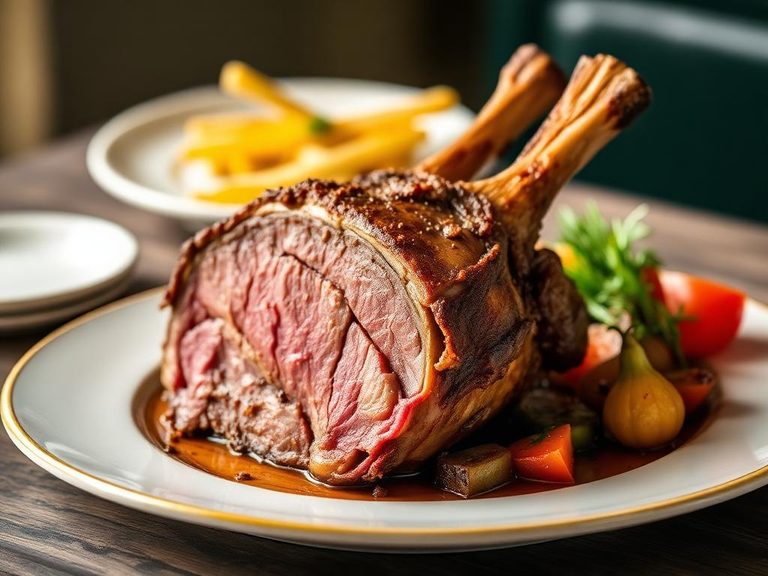
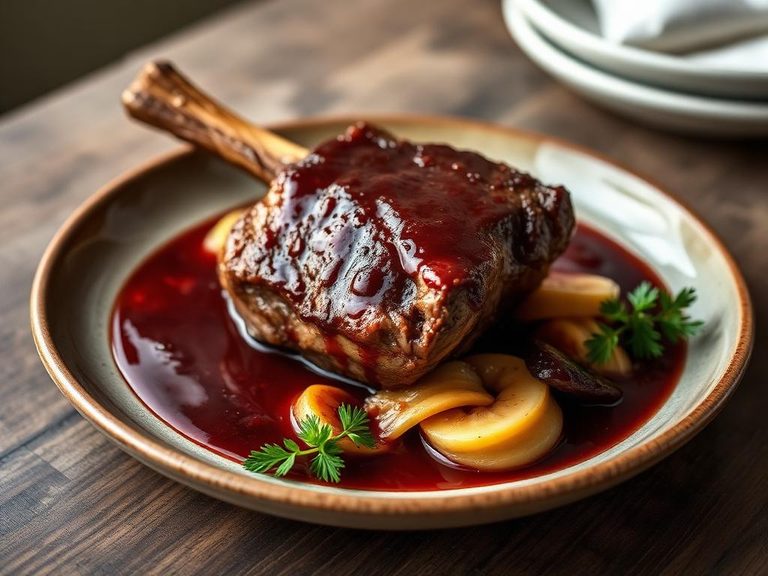
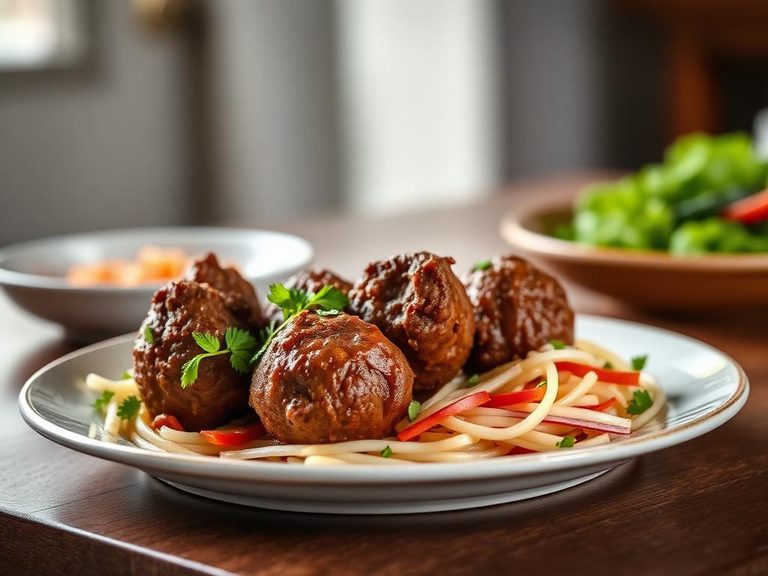
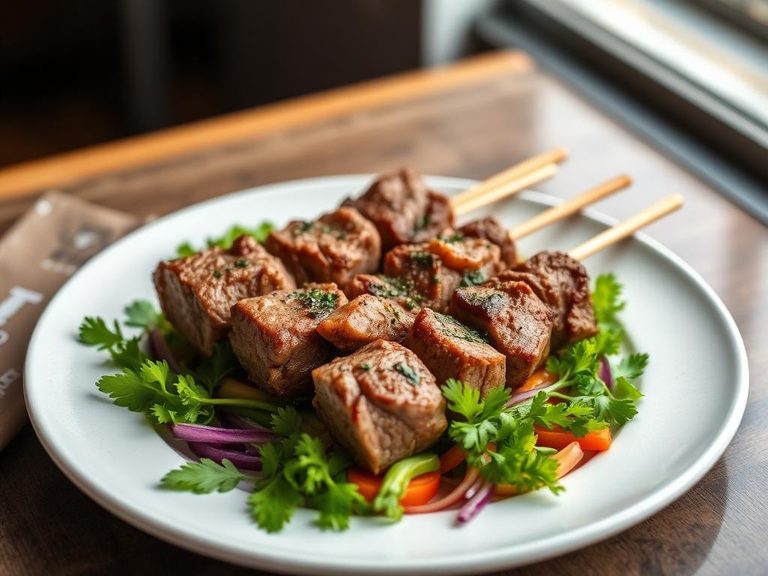
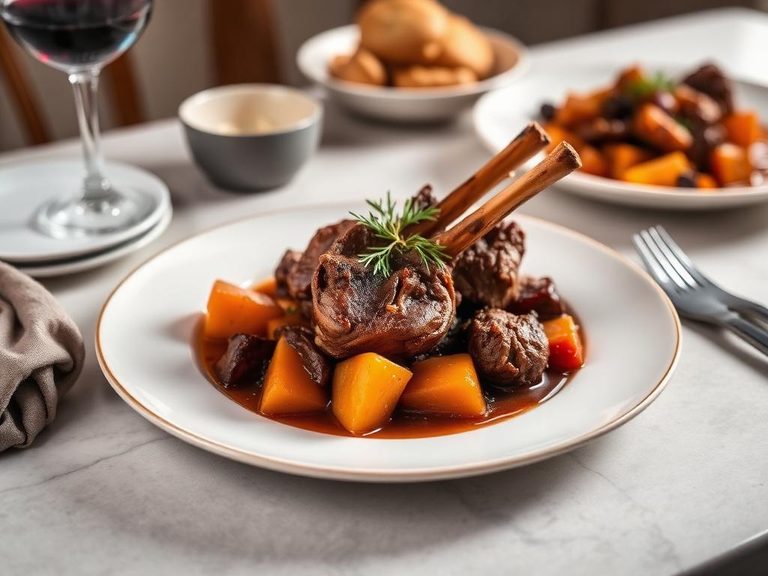
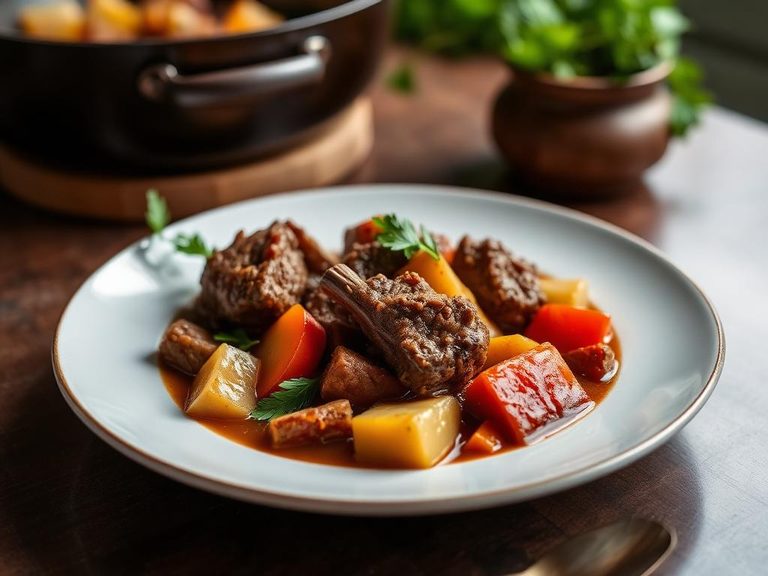
🍽️ Popular dishes
🌍 Where it's eaten
💡 Did you know?
The shank half of the leg contains more connective tissue than the upper portion, which, when cooked low and slow, breaks down into rich collagen, creating a luscious, gelatinous texture that's highly prized in slow-cooked dishes.
Full nutrition (USDA data · scales with serving)
| Water | 65.3 g |
| Energy | 182 kcal |
| Energy | 761 kj |
| Protein | 27.2 g |
| Total lipid (fat) | 7.3 g |
| Ash | 1.1 g |
| Carbohydrate, by difference | 0.00 g |
| Calcium, Ca | 8.0 mg |
| Iron, Fe | 2.1 mg |
| Magnesium, Mg | 25.0 mg |
| Phosphorus, P | 213 mg |
| Potassium, K | 329 mg |
| Sodium, Na | 69.0 mg |
| Zinc, Zn | 4.9 mg |
| Copper, Cu | 0.15 mg |
| Manganese, Mn | 0.01 mg |
| Selenium, Se | 11.5 ug |
| Thiamin | 0.14 mg |
| Riboflavin | 0.42 mg |
| Niacin | 5.7 mg |
| Pantothenic acid | 0.99 mg |
| Vitamin B-6 | 0.46 mg |
| Vitamin B-12 | 3.2 ug |
Fat & fatty acid profile (per 100g)
| Fatty acids, total saturated | 2.9 g |
| SFA 12:0 | 0.01 g |
| SFA 14:0 | 0.21 g |
| SFA 15:0 | 0.03 g |
| SFA 16:0 | 1.5 g |
| SFA 17:0 | 0.09 g |
| SFA 18:0 | 1.1 g |
| Fatty acids, total monounsaturated | 3.0 g |
| MUFA 14:1 | 0.01 g |
| MUFA 16:1 | 0.14 g |
| MUFA 18:1 | 2.8 g |
| MUFA 20:1 | 0.03 g |
| Fatty acids, total polyunsaturated | 0.35 g |
| PUFA 18:2 | 0.21 g |
| PUFA 18:3 | 0.09 g |
| PUFA 20:4 | 0.03 g |
| Cholesterol | 83.0 mg |
Amino acid profile (per 100g)
| Tryptophan | 0.32 g |
| Threonine | 1.2 g |
| Isoleucine | 1.3 g |
| Leucine | 2.1 g |
| Lysine | 2.4 g |
| Methionine | 0.70 g |
| Cystine | 0.33 g |
| Phenylalanine | 1.1 g |
| Tyrosine | 0.91 g |
| Valine | 1.5 g |
| Arginine | 1.6 g |
| Histidine | 0.86 g |
| Alanine | 1.6 g |
| Aspartic acid | 2.4 g |
| Glutamic acid | 3.9 g |
| Glycine | 1.3 g |
| Proline | 1.1 g |
| Serine | 1.0 g |
FAQ
What is the best cooking method for this lean cut?
While roasting is classic, this lean cut benefits from methods that add moisture, such as braising, slow-roasting, or marinating. For roasting, use a meat thermometer to avoid overcooking, aiming for medium-rare to medium (145-160°F internal temp).
Is this a fatty cut of meat?
No, this specific preparation is trimmed to 1/8 inch of fat, making it quite lean with only 7.27g of fat per 100g. It's a good choice for those seeking a lower-fat red meat option.
How does it compare nutritionally to other lamb cuts?
Compared to fattier cuts like shoulder or rib, this shank half is significantly leaner and higher in protein per calorie. It provides similar mineral benefits but with less total fat and calories.
Nutrient density (calculated · NRF9.3)
Nutrient Rich Foods index: beneficial nutrients (protein, fiber, vitamins, minerals) minus saturated fat, added sugar & sodium, per 100 kcal.
NRF9.3 index — Fulgoni, Keast & Drewnowski, 2009. Computed from USDA nutrients.
Weight-loss friendliness (composite index)
Energy density 1.82 kcal/g · 60% calories from protein · 0.0 g fiber · 0.0 g sugar per 100 g.
Composite of energy density (Rolls et al., 1999), protein & fiber satiety, minus sugar. A calculated heuristic — ranks satiety-per-calorie, not a clinical measure.
Dietary load (calculated from USDA values)
Potential renal acid load. Positive = acid-forming, negative = alkaline-forming.
Sodium-to-potassium ratio: 0.21 (lower is better — aim for ≤ 1)
Sodium:potassium per WHO potassium guidance. Computed from USDA nutrients.