

Jam or jelly, sugar free
Common food

Photo: Wikipedia
Sugar-free jam or jelly is a fruit spread that delivers the classic sweet and tangy flavor without the high sugar content of traditional versions. It typically has a smooth, gel-like texture and is made using sugar alcohols or artificial sweeteners, making it a popular choice for those monitoring their sugar intake. With only 121 calories and 3.39g of sugar per 100g, it offers a lower-calorie alternative while still providing a burst of fruit flavor.
Calorie split: 2% protein · 98% carbs · 0% fat
↓ Full nutrition💚 Why it's loved
People love it because it allows them to enjoy the familiar taste of fruit preserves without the guilt of high sugar, making it a staple for health-conscious individuals. Its versatility in spreading on toast, mixing into yogurt, or using as a topping makes it a convenient and flavorful addition to daily meals.
⚠️ Watch-outs & how to enjoy it better
Some sugar-free jams may contain sugar alcohols like sorbitol, which can cause digestive discomfort or bloating in sensitive individuals, especially if consumed in large amounts. To counteract this, start with small portions and pair the jam with protein or healthy fats, such as nuts or cheese, to slow absorption and reduce potential blood sugar fluctuations.
Key benefits
- Lower in calories and sugar than regular jam
- Suitable for low-carb and diabetic-friendly diets
- Provides a small amount of dietary fiber
- Can help satisfy sweet cravings without a sugar spike
- Versatile for use in various recipes and meals
🍽️ Popular dishes
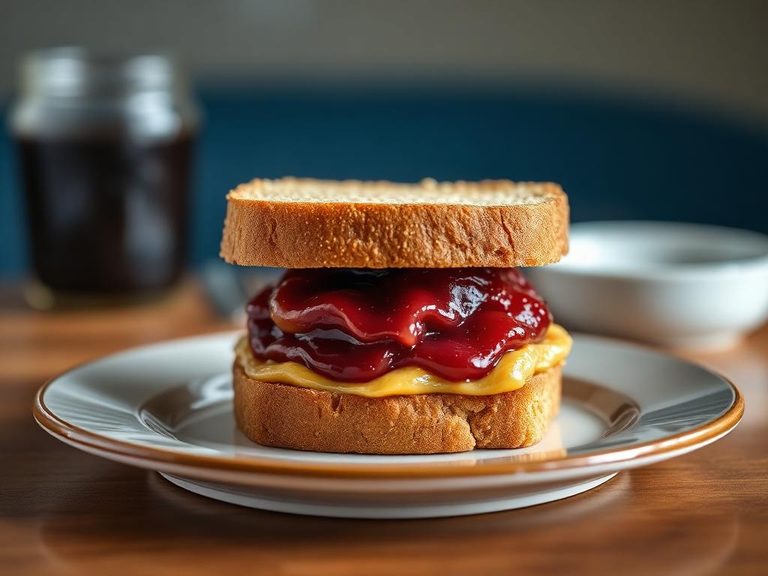
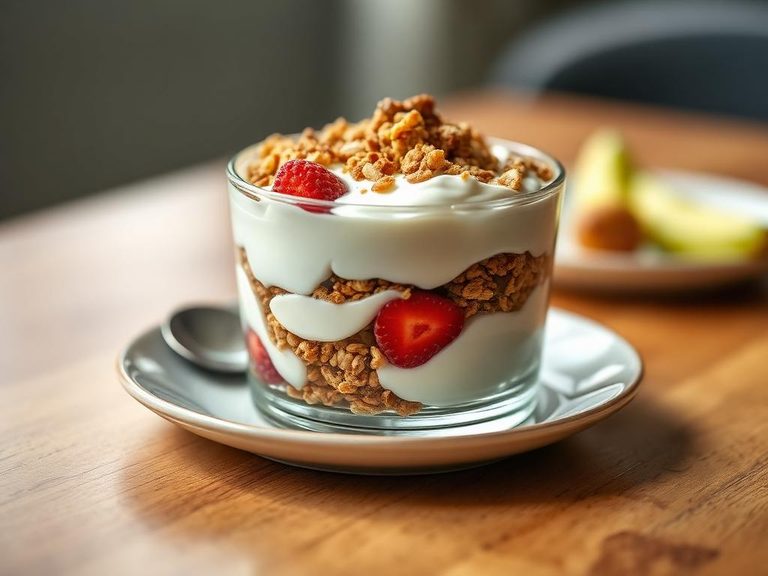

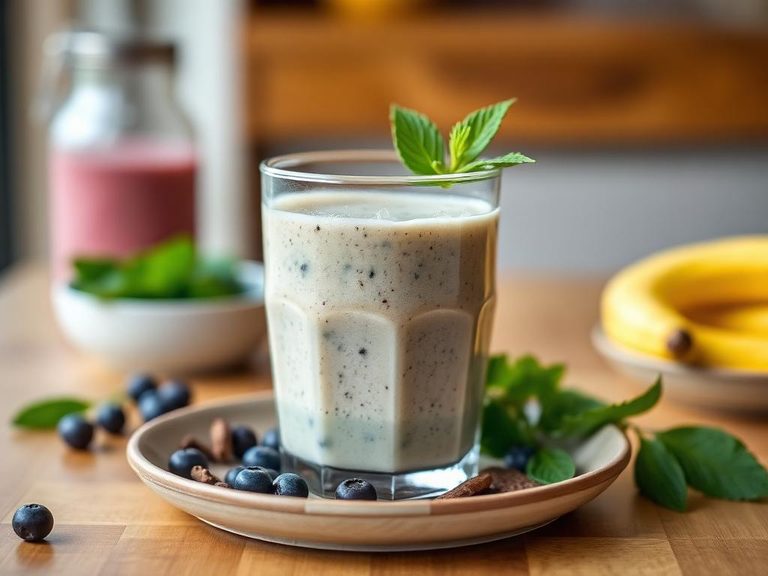
🌍 Where it's eaten
💡 Did you know?
The first commercial sugar-free jam was introduced in the 1960s as part of the growing trend towards low-sugar and diabetic-friendly foods, often using cyclamate as a sweetener before it was banned in some countries.
Full nutrition (USDA data · scales with serving)
| Water | 69.5 g |
| Energy | 121 kcal |
| Protein | 0.55 g |
| Total lipid (fat) | 0.00 g |
| Carbohydrate, by difference | 29.6 g |
| Fiber, total dietary | 2.2 g |
| Total Sugars | 3.4 g |
| Calcium, Ca | 31.0 mg |
| Iron, Fe | 0.15 mg |
| Magnesium, Mg | 4.0 mg |
| Phosphorus, P | 9.0 mg |
| Potassium, K | 96.0 mg |
| Sodium, Na | 3.0 mg |
| Zinc, Zn | 0.07 mg |
| Copper, Cu | 0.03 mg |
| Selenium, Se | 0.00 ug |
| Vitamin C, total ascorbic acid | 0.00 mg |
| Thiamin | 0.01 mg |
| Riboflavin | 0.01 mg |
| Niacin | 0.22 mg |
| Vitamin B-6 | 0.02 mg |
| Folate, total | 3.0 ug |
| Folic acid | 0.00 ug |
| Folate, food | 3.0 ug |
| Folate, DFE | 3.0 ug |
| Choline, total | 1.0 mg |
| Vitamin B-12 | 0.00 ug |
| Vitamin B-12, added | 0.00 ug |
| Vitamin A, RAE | 35.0 ug |
| Retinol | 0.00 ug |
| Carotene, beta | 402 ug |
| Carotene, alpha | 7.0 ug |
| Cryptoxanthin, beta | 38.0 ug |
| Lycopene | 0.00 ug |
| Lutein + zeaxanthin | 33.0 ug |
| Vitamin E (alpha-tocopherol) | 0.33 mg |
| Vitamin E, added | 0.00 mg |
| Vitamin D (D2 + D3) | 0.00 ug |
| Vitamin K (phylloquinone) | 1.2 ug |
| Alcohol, ethyl | 0.00 g |
| Caffeine | 0.00 mg |
| Theobromine | 0.00 mg |
Fat & fatty acid profile (per 100g)
| Fatty acids, total saturated | 0.00 g |
| SFA 4:0 | 0.00 g |
| SFA 6:0 | 0.00 g |
| SFA 8:0 | 0.00 g |
| SFA 10:0 | 0.00 g |
| SFA 12:0 | 0.00 g |
| SFA 14:0 | 0.00 g |
| SFA 16:0 | 0.00 g |
| SFA 18:0 | 0.00 g |
| Fatty acids, total monounsaturated | 0.00 g |
| MUFA 16:1 | 0.00 g |
| MUFA 18:1 | 0.00 g |
| MUFA 20:1 | 0.00 g |
| MUFA 22:1 | 0.00 g |
| Fatty acids, total polyunsaturated | 0.00 g |
| PUFA 18:2 | 0.00 g |
| PUFA 18:3 | 0.00 g |
| PUFA 18:4 | 0.00 g |
| PUFA 20:4 | 0.00 g |
| PUFA 20:5 n-3 (EPA) | 0.00 g |
| PUFA 22:5 n-3 (DPA) | 0.00 g |
| PUFA 22:6 n-3 (DHA) | 0.00 g |
| Cholesterol | 0.00 mg |
FAQ
Is sugar-free jam suitable for diabetics?
Yes, it is often suitable for diabetics as it contains minimal sugar and uses sweeteners that have a lower impact on blood sugar levels, but it's best to check the specific ingredients and consult a healthcare provider.
Does sugar-free jam have the same taste as regular jam?
It can have a similar taste, but some people notice a slight aftertaste from artificial sweeteners or sugar alcohols, and the texture might be slightly different.
Can I use sugar-free jam in baking?
Yes, it can be used in baking, but it may not caramelize or set the same way as regular jam, so adjustments in recipes might be needed.
Nutrient density (calculated · NRF9.3)
Nutrient Rich Foods index: beneficial nutrients (protein, fiber, vitamins, minerals) minus saturated fat, added sugar & sodium, per 100 kcal.
NRF9.3 index — Fulgoni, Keast & Drewnowski, 2009. Computed from USDA nutrients.
Weight-loss friendliness (composite index)
Energy density 1.21 kcal/g · 2% calories from protein · 2.2 g fiber · 3.4 g sugar per 100 g.
Composite of energy density (Rolls et al., 1999), protein & fiber satiety, minus sugar. A calculated heuristic — ranks satiety-per-calorie, not a clinical measure.
Dietary load (calculated from USDA values)
Potential renal acid load. Positive = acid-forming, negative = alkaline-forming.
Sodium-to-potassium ratio: 0.03 (lower is better — aim for ≤ 1)
Sodium:potassium per WHO potassium guidance. Computed from USDA nutrients.