

Infant formula, PBM PRODUCTS, store brand, soy, ready-to-feed
Whole food · Baby Foods
This is a pre-mixed, shelf-stable infant formula designed as a complete nutritional substitute for breast milk or cow's milk-based formulas. It has a smooth, thin liquid texture and a mild, slightly sweet, beany taste characteristic of soy protein. Its nutrition is precisely engineered for infant growth, providing a balanced 63 kcal per 100g with protein, fats, and carbohydrates in ratios suitable for a baby's digestive system.
Calorie split: 11% protein · 39% carbs · 50% fat
↓ Full nutrition💚 Why it's loved
Parents of infants with specific allergies or sensitivities rely on it as a safe, nutritionally complete feeding option. Its ready-to-feed convenience is a lifesaver for nighttime feedings or on-the-go needs.
⚠️ Watch-outs & how to enjoy it better
Some infants may dislike the distinct soy-based taste or experience digestive fussiness during the transition. Concerns exist about phytoestrogens in soy formula, though regulatory bodies deem it safe. Tip: For taste, try serving at the recommended temperature; for digestion, introduce gradually and consult a pediatrician.
Key benefits
- Lactose-free and dairy-free for infants with cow's milk protein allergy or lactose intolerance.
- Complete nutrition with added iron, DHA, and essential vitamins for brain and immune development.
- Convenient ready-to-feed format requires no mixing, reducing preparation error.
- Soy-based protein isolate is gentle on sensitive digestive systems.
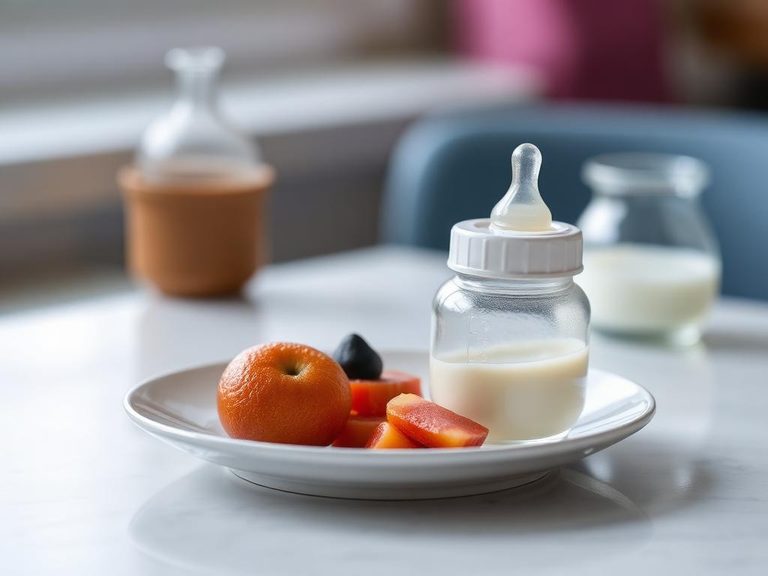
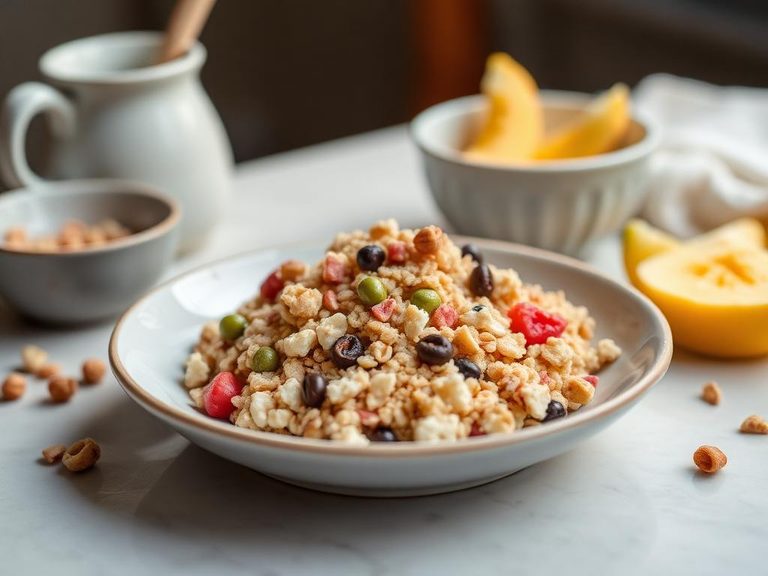
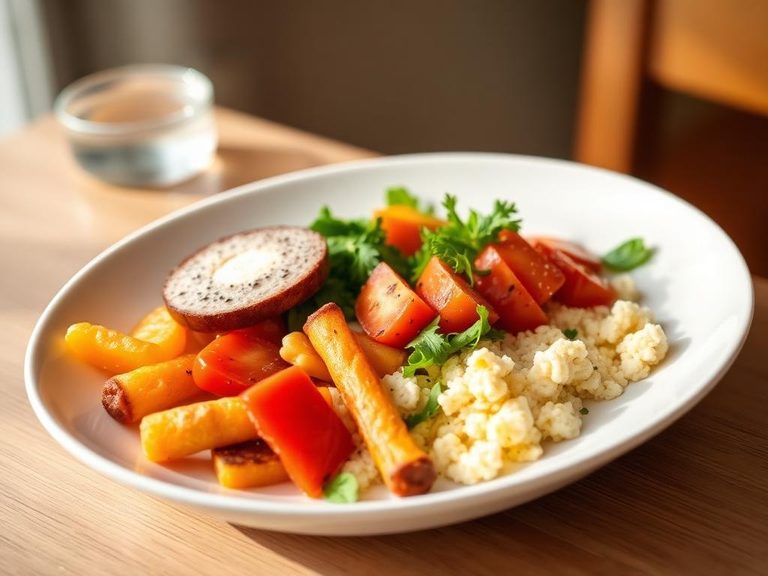
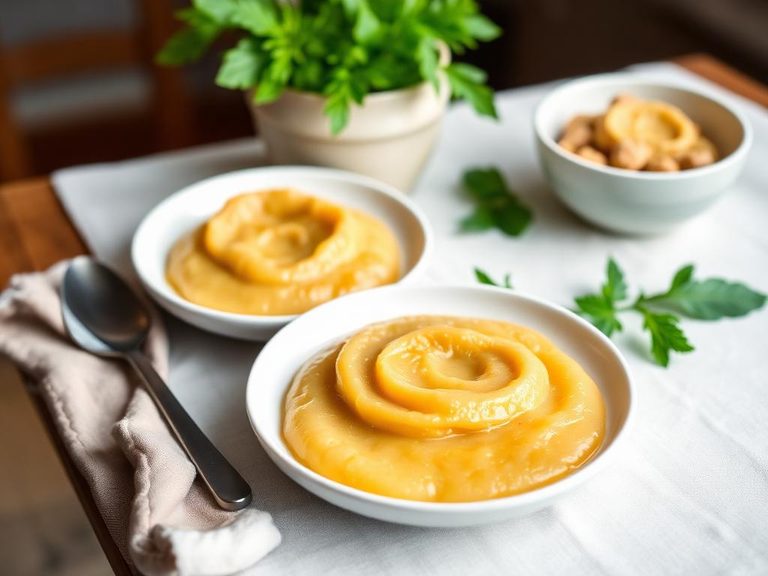
🍽️ Popular dishes
🌍 Where it's eaten
💡 Did you know?
The 'ready-to-feed' format is sterilized and sealed in cans or bottles, making it the safest formula option for immunocompromised infants as it eliminates the risk of waterborne pathogens during preparation.
Full nutrition (USDA data · scales with serving)
| Water | 88.0 g |
| Energy | 63.0 kcal |
| Energy | 264 kj |
| Protein | 1.8 g |
| Total lipid (fat) | 3.5 g |
| Ash | 0.61 g |
| Carbohydrate, by difference | 6.1 g |
| Fiber, total dietary | 0.00 g |
| Total Sugars | 6.1 g |
| Calcium, Ca | 59.0 mg |
| Iron, Fe | 1.2 mg |
| Magnesium, Mg | 7.0 mg |
| Phosphorus, P | 41.0 mg |
| Potassium, K | 69.0 mg |
| Sodium, Na | 18.0 mg |
| Zinc, Zn | 0.53 mg |
| Copper, Cu | 0.05 mg |
| Selenium, Se | 1.4 ug |
| Vitamin C, total ascorbic acid | 5.4 mg |
| Thiamin | 0.07 mg |
| Riboflavin | 0.10 mg |
| Niacin | 0.49 mg |
| Vitamin B-6 | 0.04 mg |
| Folate, total | 5.0 ug |
| Folic acid | 5.0 ug |
| Folate, food | 0.00 ug |
| Folate, DFE | 9.0 ug |
| Choline, total | 9.0 mg |
| Vitamin B-12 | 0.20 ug |
| Vitamin B-12, added | 0.20 ug |
| Vitamin A, RAE | 59.0 ug |
| Retinol | 56.0 ug |
| Carotene, beta | 37.0 ug |
| Carotene, alpha | 0.00 ug |
| Cryptoxanthin, beta | 0.00 ug |
| Vitamin A, IU | 247 iu |
| Lycopene | 0.00 ug |
| Lutein + zeaxanthin | 0.00 ug |
| Vitamin E (alpha-tocopherol) | 0.42 mg |
| Vitamin E, added | 0.42 mg |
| Vitamin D (D2 + D3), International Units | 37.0 iu |
| Vitamin D (D2 + D3) | 0.90 ug |
| Vitamin K (phylloquinone) | 5.1 ug |
| Alcohol, ethyl | 0.00 g |
| Caffeine | 0.00 mg |
| Theobromine | 0.00 mg |
Fat & fatty acid profile (per 100g)
| Fatty acids, total saturated | 1.6 g |
| SFA 4:0 | 0.00 g |
| SFA 6:0 | 0.00 g |
| SFA 8:0 | 0.09 g |
| SFA 10:0 | 0.07 g |
| SFA 12:0 | 0.48 g |
| SFA 14:0 | 0.23 g |
| SFA 16:0 | 0.47 g |
| SFA 18:0 | 0.25 g |
| Fatty acids, total monounsaturated | 1.4 g |
| MUFA 16:1 | 0.04 g |
| MUFA 18:1 | 1.3 g |
| MUFA 20:1 | 0.01 g |
| MUFA 22:1 | 0.00 g |
| Fatty acids, total polyunsaturated | 0.50 g |
| PUFA 18:2 | 0.45 g |
| PUFA 18:3 | 0.05 g |
| PUFA 18:4 | 0.00 g |
| PUFA 20:4 | 0.02 g |
| PUFA 20:5 n-3 (EPA) | 0.00 g |
| PUFA 22:5 n-3 (DPA) | 0.00 g |
| PUFA 22:6 n-3 (DHA) | 0.01 g |
| Cholesterol | 0.00 mg |
FAQ
Is this formula suitable for a healthy infant without allergies?
Yes, it is nutritionally complete and can be used for any infant, but it's typically chosen specifically for those with cow's milk protein allergy, lactose intolerance, or on a vegan diet.
How does the taste differ from cow's milk formula?
Soy formula has a milder, slightly vegetal or beany flavor compared to the sweeter, creamier taste of cow's milk-based formulas. Most infants adapt readily.
Can I warm the ready-to-feed formula?
Yes, you can warm a bottle by placing it in a bowl of warm water. Never use a microwave, as it can create dangerous hot spots and degrade nutrients. Test the temperature on your wrist before feeding.
Nutrient density (calculated · NRF9.3)
Nutrient Rich Foods index: beneficial nutrients (protein, fiber, vitamins, minerals) minus saturated fat, added sugar & sodium, per 100 kcal.
NRF9.3 index — Fulgoni, Keast & Drewnowski, 2009. Computed from USDA nutrients.
Weight-loss friendliness (composite index)
Energy density 0.63 kcal/g · 11% calories from protein · 0.0 g fiber · 6.1 g sugar per 100 g.
Composite of energy density (Rolls et al., 1999), protein & fiber satiety, minus sugar. A calculated heuristic — ranks satiety-per-calorie, not a clinical measure.
Dietary load (calculated from USDA values)
Potential renal acid load. Positive = acid-forming, negative = alkaline-forming.
Sodium-to-potassium ratio: 0.26 (lower is better — aim for ≤ 1)
Sodium:potassium per WHO potassium guidance. Computed from USDA nutrients.