

Hard cider
Common food

Photo: Wikipedia
Hard cider is a fermented alcoholic beverage made from apple juice, offering a crisp, effervescent drink with a flavor profile ranging from dry and tart to sweet and fruity. Its nutrition is characterized by being low in calories and fat-free, with all its energy coming from residual apple sugars and alcohol. Unlike beer, it is naturally gluten-free, making it a popular alternative for many.
Calorie split: 0% protein · 100% carbs · 0% fat
↓ Full nutrition💚 Why it's loved
People love hard cider for its refreshing, approachable taste that balances sweet apple notes with a pleasant tang, making it a versatile drink for casual sipping. It's deeply tied to autumnal and harvest traditions in many cultures, offering a comforting, festive beverage.
⚠️ Watch-outs & how to enjoy it better
The primary downside is its sugar and alcohol content, which can contribute to blood sugar spikes and empty calories if consumed in excess. To mitigate, choose dry varieties with lower residual sugar, and always practice portion control by sticking to a standard 12 oz (355ml) serving.
Key benefits
- Naturally gluten-free
- Lower in calories than many beers or wines
- Contains antioxidants from apples
- No fat or cholesterol
- Source of quick, natural carbohydrates
🍽️ Popular dishes
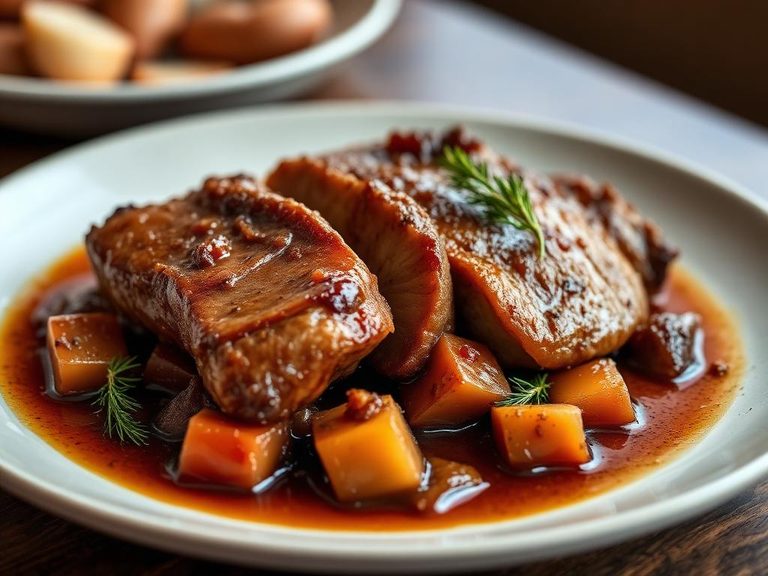
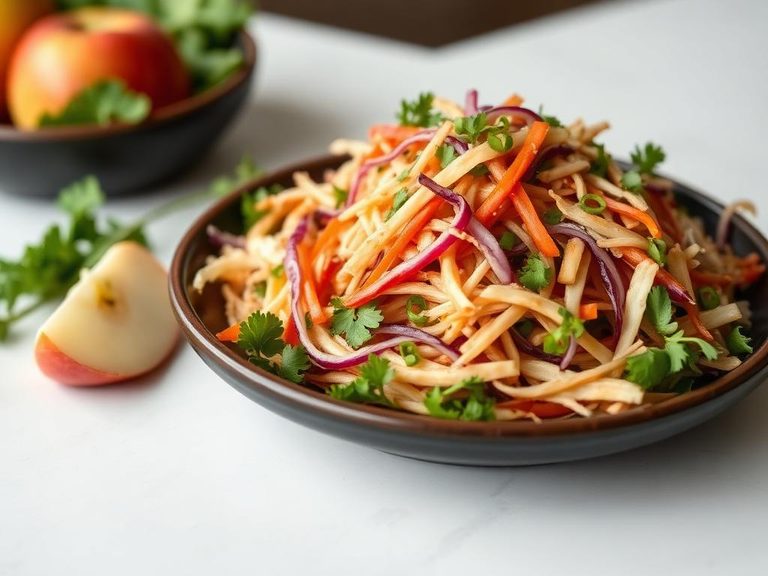
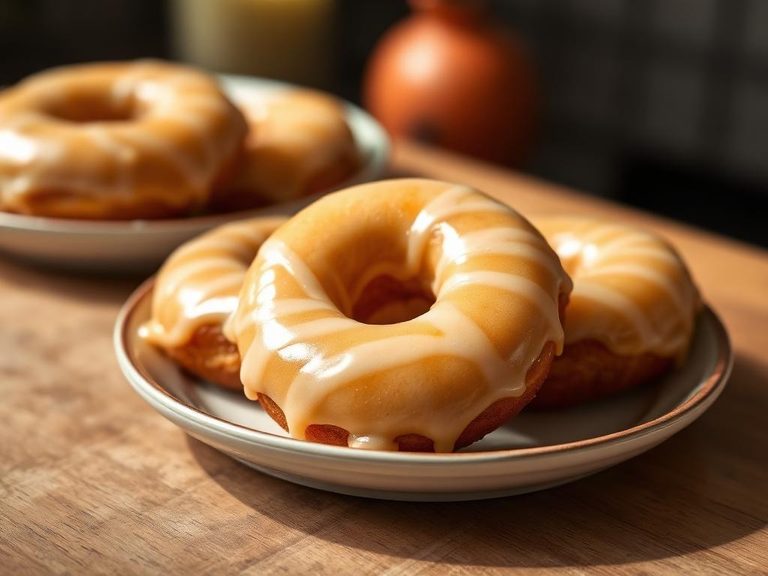


🌍 Where it's eaten
💡 Did you know?
The world's oldest known orchard, planted around 1170, is at Westminster Abbey in London and was originally grown to produce cider for the king's court.
Full nutrition (USDA data · scales with serving)
| Water | 89.0 g |
| Energy | 56.0 kcal |
| Protein | 0.00 g |
| Total lipid (fat) | 0.00 g |
| Carbohydrate, by difference | 5.9 g |
| Fiber, total dietary | 0.00 g |
| Total Sugars | 5.9 g |
| Calcium, Ca | 4.0 mg |
| Iron, Fe | 0.06 mg |
| Magnesium, Mg | 3.0 mg |
| Phosphorus, P | 6.0 mg |
| Potassium, K | 54.0 mg |
| Sodium, Na | 4.0 mg |
| Zinc, Zn | 0.02 mg |
| Copper, Cu | 0.02 mg |
| Selenium, Se | 0.00 ug |
| Vitamin C, total ascorbic acid | 2.3 mg |
| Thiamin | 0.01 mg |
| Riboflavin | 0.01 mg |
| Niacin | 0.04 mg |
| Vitamin B-6 | 0.02 mg |
| Folate, total | 1.0 ug |
| Folic acid | 0.00 ug |
| Folate, food | 1.0 ug |
| Folate, DFE | 1.0 ug |
| Choline, total | 1.7 mg |
| Vitamin B-12 | 0.00 ug |
| Vitamin B-12, added | 0.00 ug |
| Vitamin A, RAE | 1.0 ug |
| Retinol | 0.00 ug |
| Carotene, beta | 14.0 ug |
| Carotene, alpha | 0.00 ug |
| Cryptoxanthin, beta | 5.0 ug |
| Lycopene | 0.00 ug |
| Lutein + zeaxanthin | 15.0 ug |
| Vitamin E (alpha-tocopherol) | 0.09 mg |
| Vitamin E, added | 0.00 mg |
| Vitamin D (D2 + D3) | 0.00 ug |
| Vitamin K (phylloquinone) | 1.1 ug |
| Alcohol, ethyl | 4.0 g |
| Caffeine | 0.00 mg |
| Theobromine | 0.00 mg |
Fat & fatty acid profile (per 100g)
| Fatty acids, total saturated | 0.00 g |
| SFA 4:0 | 0.00 g |
| SFA 6:0 | 0.00 g |
| SFA 8:0 | 0.00 g |
| SFA 10:0 | 0.00 g |
| SFA 12:0 | 0.00 g |
| SFA 14:0 | 0.00 g |
| SFA 16:0 | 0.00 g |
| SFA 18:0 | 0.00 g |
| Fatty acids, total monounsaturated | 0.00 g |
| MUFA 16:1 | 0.00 g |
| MUFA 18:1 | 0.00 g |
| MUFA 20:1 | 0.00 g |
| MUFA 22:1 | 0.00 g |
| Fatty acids, total polyunsaturated | 0.00 g |
| PUFA 18:2 | 0.00 g |
| PUFA 18:3 | 0.00 g |
| PUFA 18:4 | 0.00 g |
| PUFA 20:4 | 0.00 g |
| PUFA 20:5 n-3 (EPA) | 0.00 g |
| PUFA 22:5 n-3 (DPA) | 0.00 g |
| PUFA 22:6 n-3 (DHA) | 0.00 g |
| Cholesterol | 0.00 mg |
FAQ
What is the main difference between hard cider and apple juice?
Hard cider is fermented, which converts the apple juice's sugars into alcohol and carbon dioxide, giving it its alcoholic content and often a drier, more complex flavor than non-fermented apple juice.
Is hard cider gluten-free?
Yes, traditional hard cider made from apples is naturally gluten-free. However, always check labels for any added flavors or ingredients that might introduce gluten.
How does the nutrition of hard cider compare to beer?
Hard cider generally has fewer calories and carbohydrates than most beers and contains no gluten. However, it can have a similar or slightly higher alcohol content by volume, so moderation is key.
Nutrient density (calculated · NRF9.3)
Nutrient Rich Foods index: beneficial nutrients (protein, fiber, vitamins, minerals) minus saturated fat, added sugar & sodium, per 100 kcal.
NRF9.3 index — Fulgoni, Keast & Drewnowski, 2009. Computed from USDA nutrients.
Weight-loss friendliness (composite index)
Energy density 0.56 kcal/g · 0% calories from protein · 0.0 g fiber · 5.9 g sugar per 100 g.
Composite of energy density (Rolls et al., 1999), protein & fiber satiety, minus sugar. A calculated heuristic — ranks satiety-per-calorie, not a clinical measure.
Dietary load (calculated from USDA values)
Potential renal acid load. Positive = acid-forming, negative = alkaline-forming.
Sodium-to-potassium ratio: 0.07 (lower is better — aim for ≤ 1)
Sodium:potassium per WHO potassium guidance. Computed from USDA nutrients.