Cider-braised pork
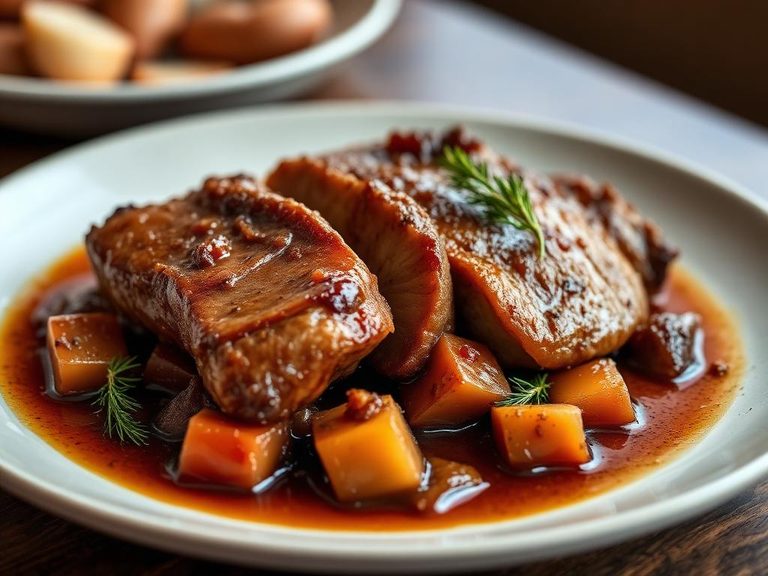
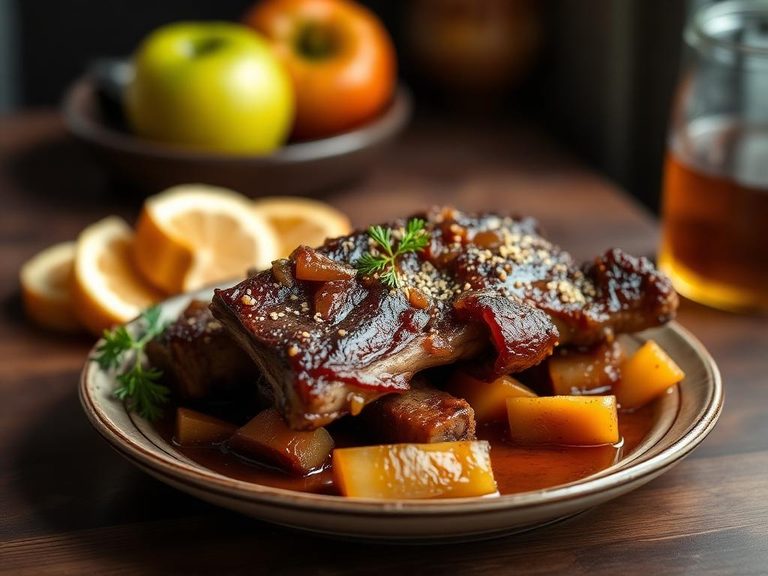
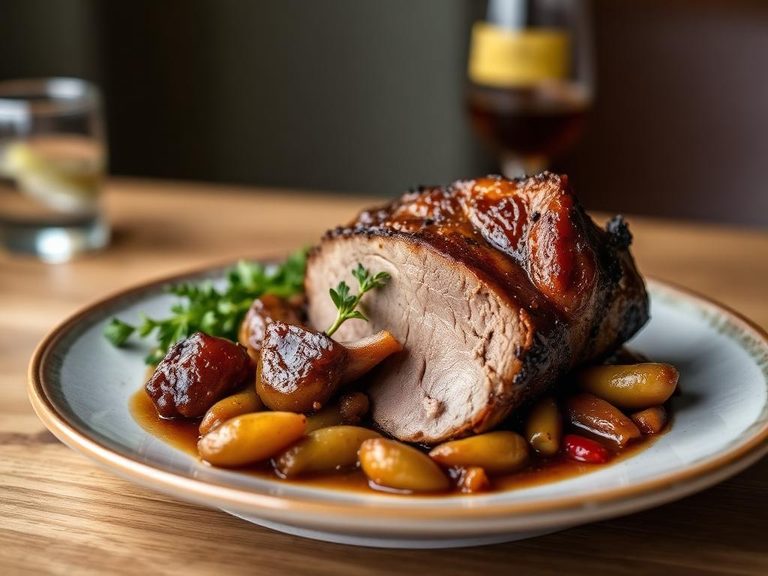
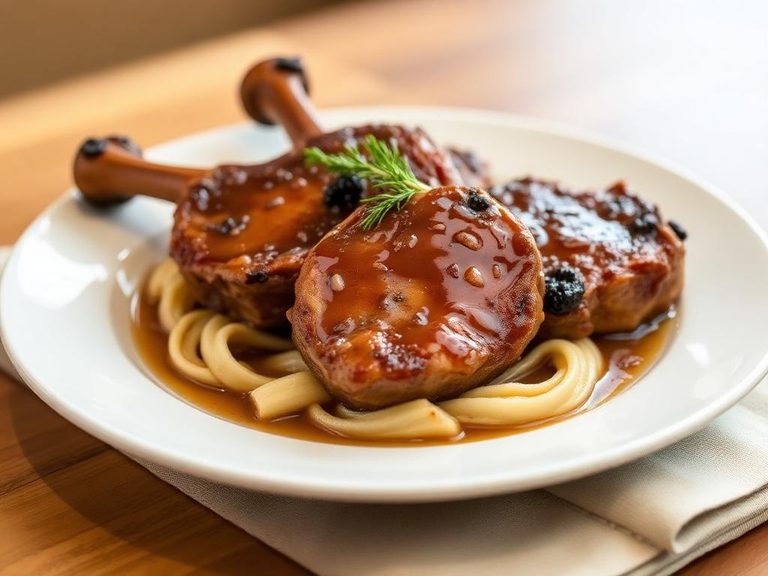
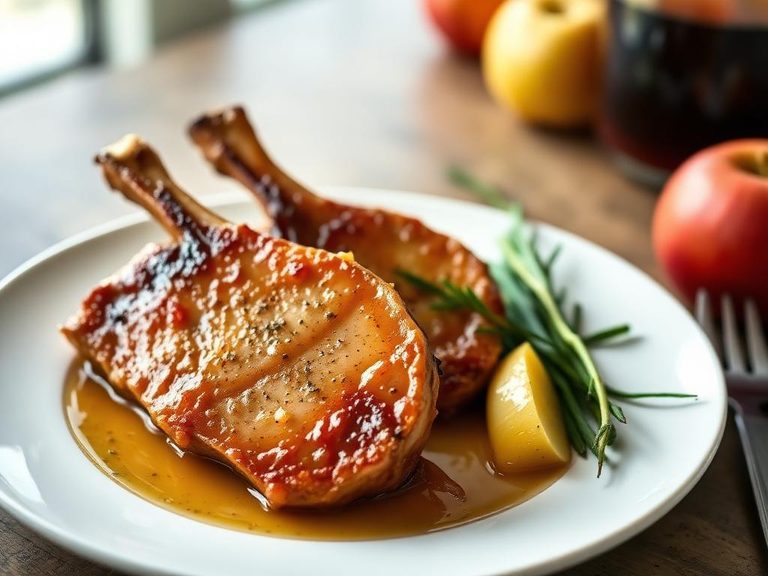
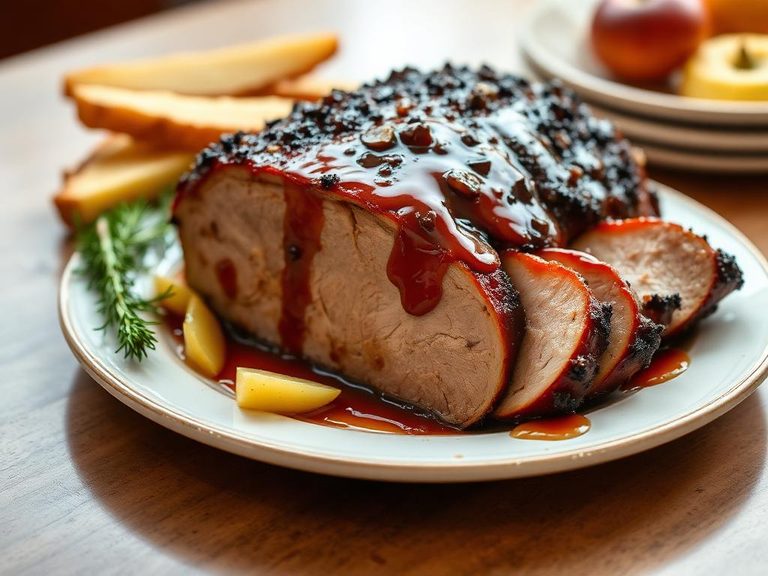
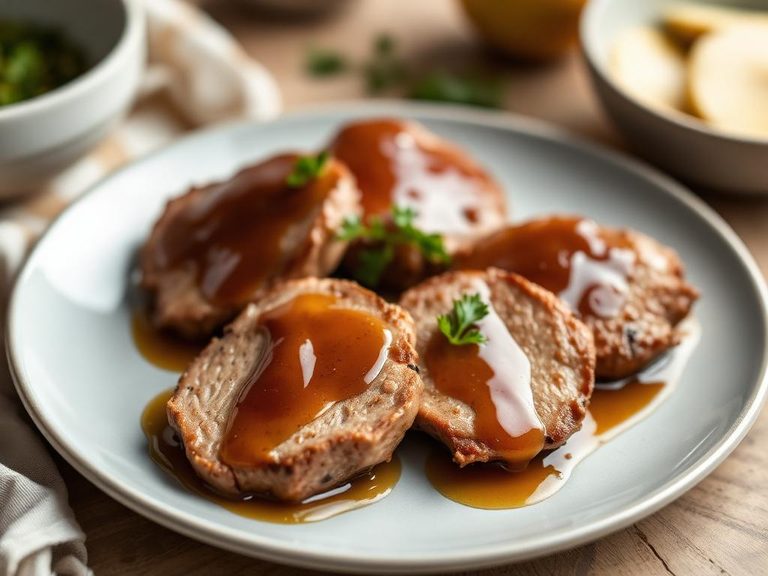
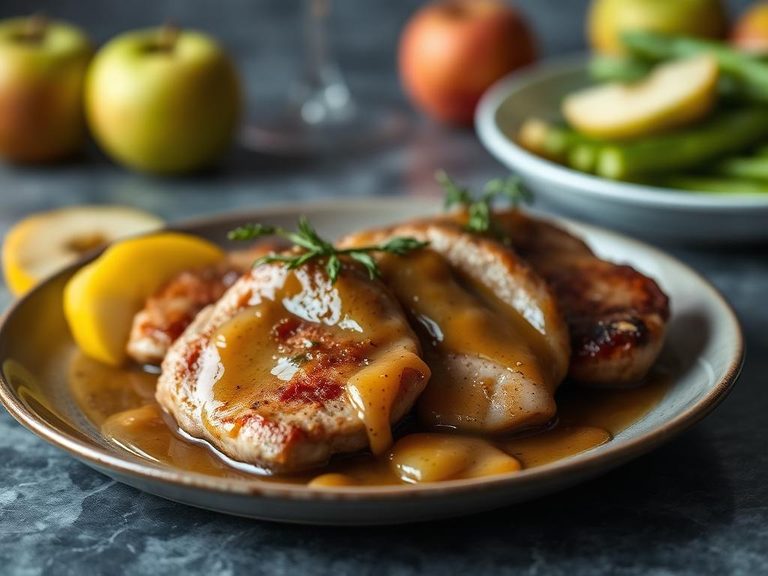
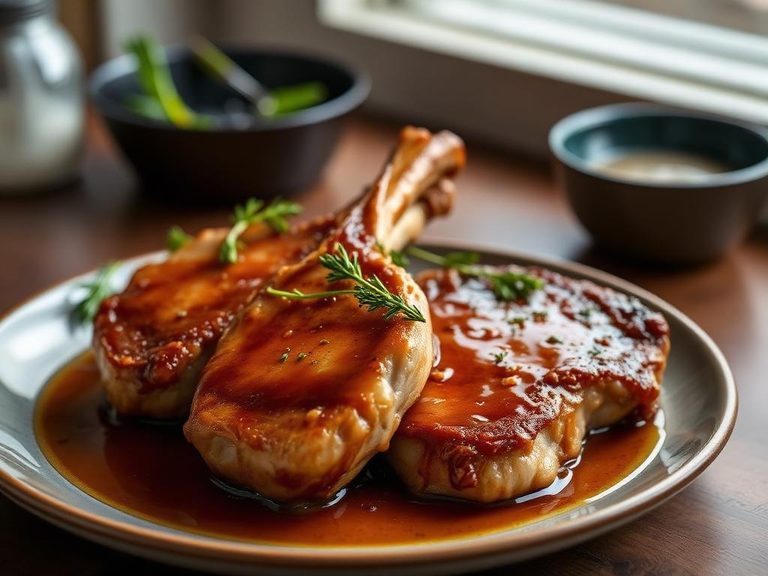
Cider-braised pork is a comforting, rustic dish where pork (often shoulder or belly) is slow-cooked in apple cider until tender and flavorful. The braising liquid typically includes aromatics like onions, garlic, and herbs such as thyme or rosemary, creating a rich, slightly sweet and tangy sauce. This cooking method is popular in various European cuisines, particularly in regions where apples and pork are agricultural staples, such as parts of France, Germany, and the United Kingdom.
🍽️ Nutrition at a glance
This dish is generally high in fat and protein due to the cut of pork used, with the cider adding some natural sugars and carbohydrates. It provides key nutrients like iron, zinc, and B vitamins from the meat, along with some antioxidants from the apples and herbs. A typical serving can range from 400 to 600 calories, depending on the specific cut of pork and amount of sauce consumed.
Nutrition breakdown
| Calories | 450 kcal |
| Protein | 25 g |
| Carbs | 15 g |
| Fat | 30 g |
| Fiber | 1 g |
| Sugar | 10 g |
| Sodium | 800 mg |
| Potassium | 450 mg |
| Iron | 3.5 mg |
| Vitamin B12 | 1.5 mcg |
| Zinc | 5 mg |
| Phosphorus | 250 mg |
| Niacin (B3) | 8 mg |
| Selenium | 30 mcg |
| Vitamin B6 | 0.6 mg |
Per 1 cup (240 g) · estimated, varies by recipe
💡 What's interesting
Culturally, this dish highlights the classic pairing of pork and apples, a combination valued for balancing the richness of the meat with the fruit's acidity. Nutritionally, slow-braising can help break down collagen in tougher cuts, making them more digestible while allowing the meat to absorb the cider's flavors, resulting in a dish that's both hearty and nuanced.