

Fry sauce
Common food

Photo: Wikipedia
Fry sauce is a creamy, pinkish-orange condiment with a smooth, thick texture, typically made from a base of mayonnaise and ketchup. It delivers a tangy, sweet, and savory flavor profile that is rich and indulgent. Nutritionally, it is extremely high in fat, with over 56g per 100g, and provides minimal protein or fiber.
Calorie split: 1% protein · 5% carbs · 94% fat
↓ Full nutrition💚 Why it's loved
People love it for its perfect balance of creamy richness from mayonnaise and the sweet-tangy kick from ketchup, which elevates simple dishes like fries and burgers. It's a nostalgic comfort food staple in many diners and home kitchens, especially in the American West.
⚠️ Watch-outs & how to enjoy it better
Its extremely high fat and calorie density can contribute to excess calorie intake if used liberally. The sugar content can cause blood sugar spikes, and it often contains significant sodium. To counteract this, use it sparingly as a dip rather than a pour-over sauce, and pair it with fiber-rich vegetables or lean protein to create a more balanced meal.
Key benefits
- Adds instant flavor and moisture to fried foods.
- Quick and simple to prepare at home.
- Highly customizable with spices and other condiments.
- Provides a creamy texture contrast to crispy foods.
🍽️ Popular dishes
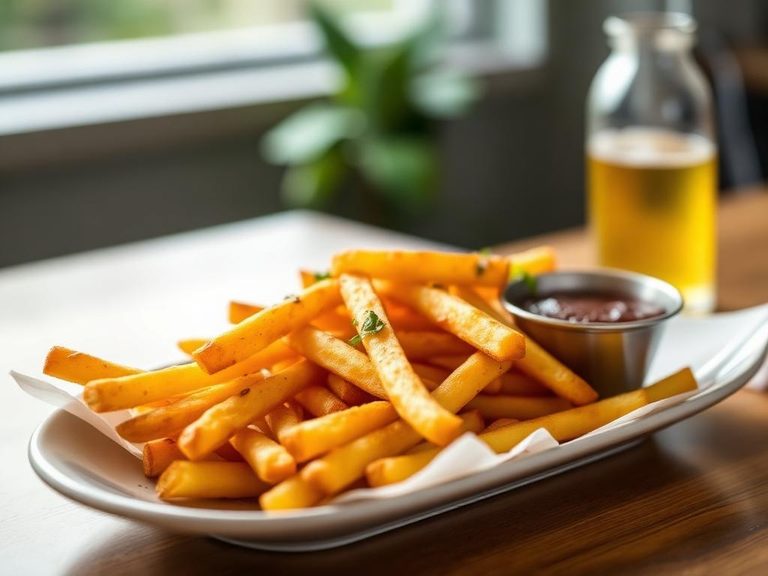
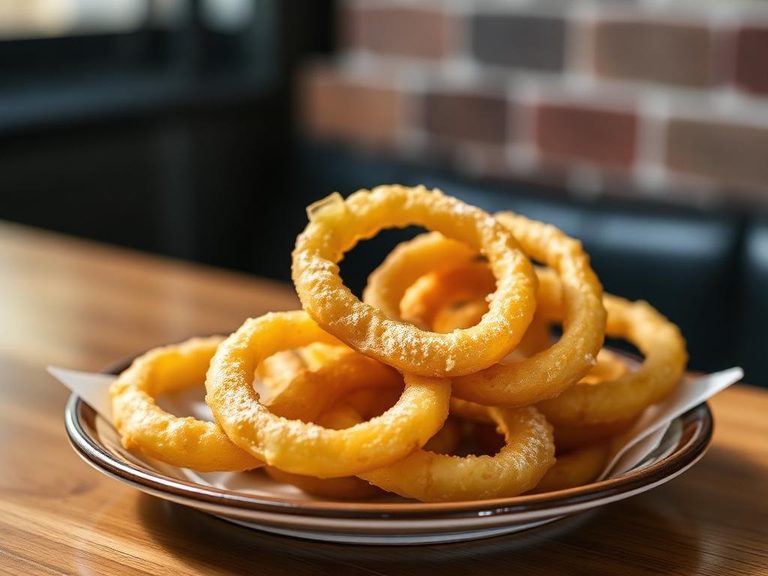
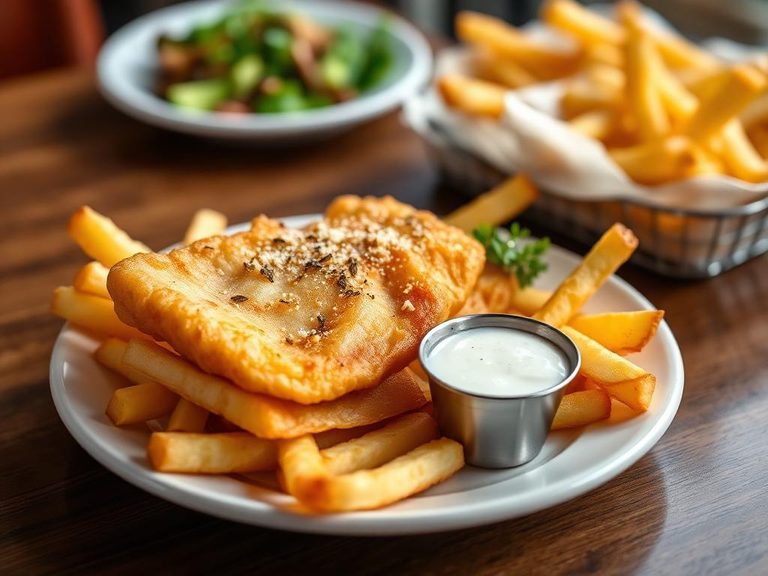
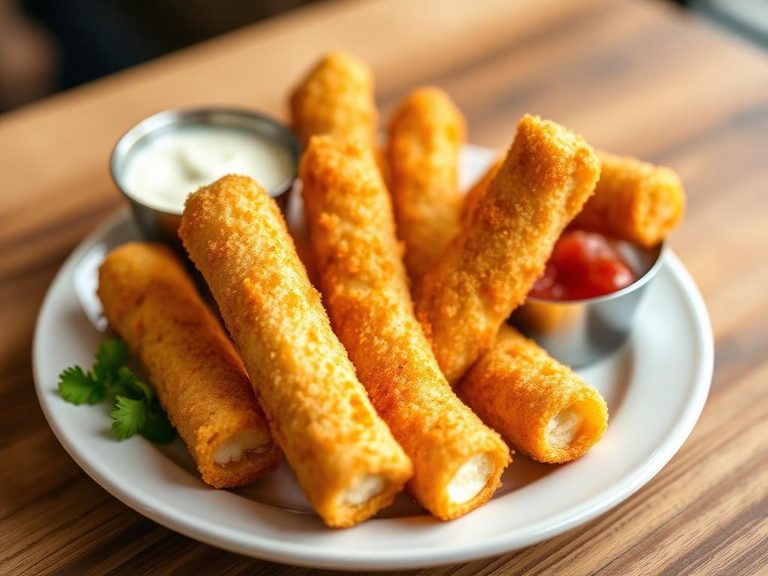
🌍 Where it's eaten
💡 Did you know?
While often associated with American diners, a very similar condiment called 'cocktail sauce' (mayo-ketchup) is a ubiquitous table staple in Swedish fast-food culture, where it's simply called 'dressing'.
Full nutrition (USDA data · scales with serving)
| Water | 33.4 g |
| Energy | 535 kcal |
| Protein | 0.98 g |
| Total lipid (fat) | 56.2 g |
| Carbohydrate, by difference | 7.3 g |
| Fiber, total dietary | 0.10 g |
| Total Sugars | 5.7 g |
| Calcium, Ca | 10.0 mg |
| Iron, Fe | 0.24 mg |
| Magnesium, Mg | 4.0 mg |
| Phosphorus, P | 22.0 mg |
| Potassium, K | 85.0 mg |
| Sodium, Na | 481 mg |
| Zinc, Zn | 0.16 mg |
| Copper, Cu | 0.04 mg |
| Selenium, Se | 1.9 ug |
| Vitamin C, total ascorbic acid | 1.0 mg |
| Thiamin | 0.01 mg |
| Riboflavin | 0.06 mg |
| Niacin | 0.36 mg |
| Vitamin B-6 | 0.05 mg |
| Folate, total | 6.0 ug |
| Folic acid | 0.00 ug |
| Folate, food | 6.0 ug |
| Folate, DFE | 6.0 ug |
| Choline, total | 28.8 mg |
| Vitamin B-12 | 0.09 ug |
| Vitamin B-12, added | 0.00 ug |
| Vitamin A, RAE | 18.0 ug |
| Retinol | 11.0 ug |
| Carotene, beta | 84.0 ug |
| Carotene, alpha | 0.00 ug |
| Cryptoxanthin, beta | 3.0 ug |
| Lycopene | 3016 ug |
| Lutein + zeaxanthin | 49.0 ug |
| Vitamin E (alpha-tocopherol) | 2.8 mg |
| Vitamin E, added | 0.00 mg |
| Vitamin D (D2 + D3) | 0.20 ug |
| Vitamin K (phylloquinone) | 123 ug |
| Alcohol, ethyl | 0.00 g |
| Caffeine | 0.00 mg |
| Theobromine | 0.00 mg |
Fat & fatty acid profile (per 100g)
| Fatty acids, total saturated | 8.8 g |
| SFA 4:0 | 0.00 g |
| SFA 6:0 | 0.00 g |
| SFA 8:0 | 0.00 g |
| SFA 10:0 | 0.00 g |
| SFA 12:0 | 0.00 g |
| SFA 14:0 | 0.04 g |
| SFA 16:0 | 5.9 g |
| SFA 18:0 | 2.3 g |
| Fatty acids, total monounsaturated | 12.6 g |
| MUFA 16:1 | 0.07 g |
| MUFA 18:1 | 12.3 g |
| MUFA 20:1 | 0.18 g |
| MUFA 22:1 | 0.02 g |
| Fatty acids, total polyunsaturated | 33.5 g |
| PUFA 18:2 | 29.4 g |
| PUFA 18:3 | 4.1 g |
| PUFA 18:4 | 0.00 g |
| PUFA 20:4 | 0.04 g |
| PUFA 20:5 n-3 (EPA) | 0.00 g |
| PUFA 22:5 n-3 (DPA) | 0.00 g |
| PUFA 22:6 n-3 (DHA) | 0.00 g |
| Cholesterol | 32.0 mg |
FAQ
What is fry sauce made of?
The classic recipe is a simple mix of mayonnaise and ketchup, often enhanced with a splash of vinegar, Worcestershire sauce, or spices like garlic powder and paprika.
Is fry sauce the same as cocktail sauce?
In the U.S., 'cocktail sauce' is typically a ketchup and horseradish mix for seafood. In many other countries, especially in Scandinavia, 'cocktail sauce' refers to a mayo-ketchup blend very similar to fry sauce.
Can I make a healthier version?
Yes, you can use light mayonnaise or Greek yogurt as the base, reduce the ketchup amount, and add flavor with herbs, spices, and a dash of hot sauce to cut down on fat and sugar.
Nutrient density (calculated · NRF9.3)
Nutrient Rich Foods index: beneficial nutrients (protein, fiber, vitamins, minerals) minus saturated fat, added sugar & sodium, per 100 kcal.
NRF9.3 index — Fulgoni, Keast & Drewnowski, 2009. Computed from USDA nutrients.
Weight-loss friendliness (composite index)
Energy density 5.35 kcal/g · 1% calories from protein · 0.1 g fiber · 5.7 g sugar per 100 g.
Composite of energy density (Rolls et al., 1999), protein & fiber satiety, minus sugar. A calculated heuristic — ranks satiety-per-calorie, not a clinical measure.
Dietary load (calculated from USDA values)
Potential renal acid load. Positive = acid-forming, negative = alkaline-forming.
Sodium-to-potassium ratio: 5.66 (lower is better — aim for ≤ 1)
Sodium:potassium per WHO potassium guidance. Computed from USDA nutrients.