

Flowers or blossoms of sesbania, squash, or lily, cooked
Common food

Photo: Wikipedia
Delicate, lightly cooked flower blossoms from plants like sesbania, squash, or lily, offering a tender, slightly crisp texture and a mild, subtly sweet or vegetal flavor. At just 37 calories per 100g, they are an exceptionally light yet nutrient-dense addition to meals, providing a good source of fiber and a modest amount of protein.
Calorie split: 10% protein · 32% carbs · 58% fat
↓ Full nutrition💚 Why it's loved
People love these blossoms for their delicate, elegant appearance and their ability to absorb flavors while maintaining a pleasant, subtle crunch. They are cherished in many cuisines for transforming simple dishes into something special and celebratory.
⚠️ Watch-outs & how to enjoy it better
Some individuals may find the texture too delicate or the flavor too mild. Those monitoring blood sugar should be aware that while low in sugar, the carbohydrate content is primarily from starch and fiber. To maximize nutrient absorption and balance the meal, pair them with a source of healthy fat (like a drizzle of sesame oil) or protein (like tofu or shrimp).
Key benefits
- Very low in calories, ideal for volume eating
- Good source of dietary fiber for digestive health
- Contains plant-based protein
- Naturally low in sugar
- Adds unique texture and visual appeal to dishes
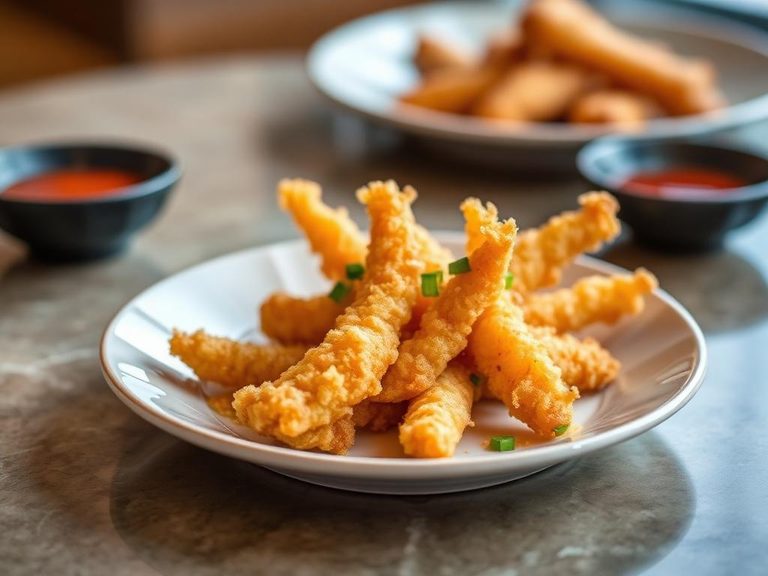
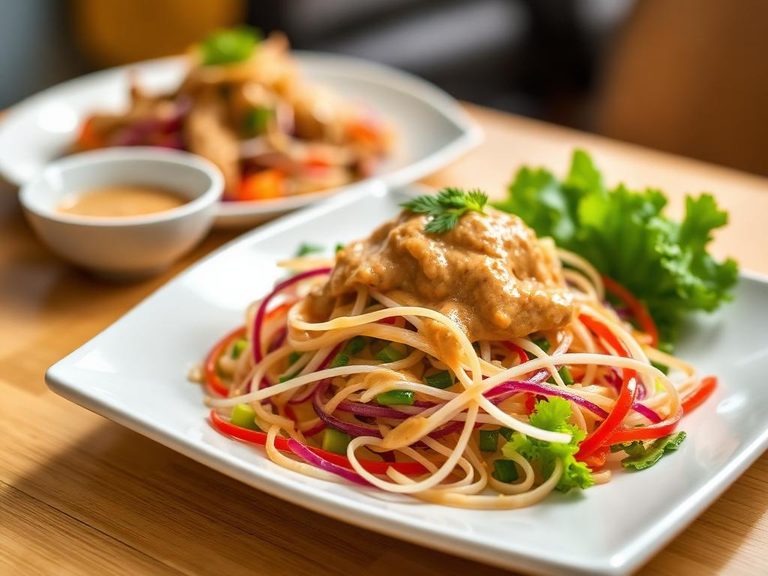
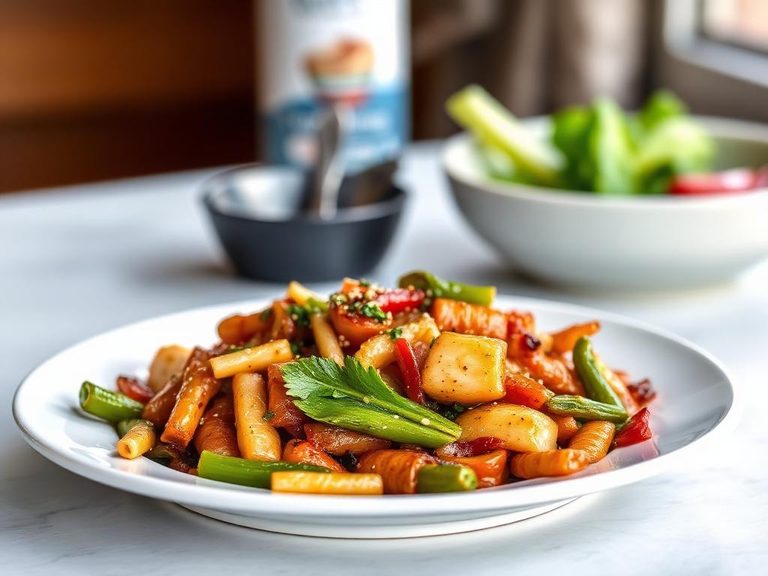
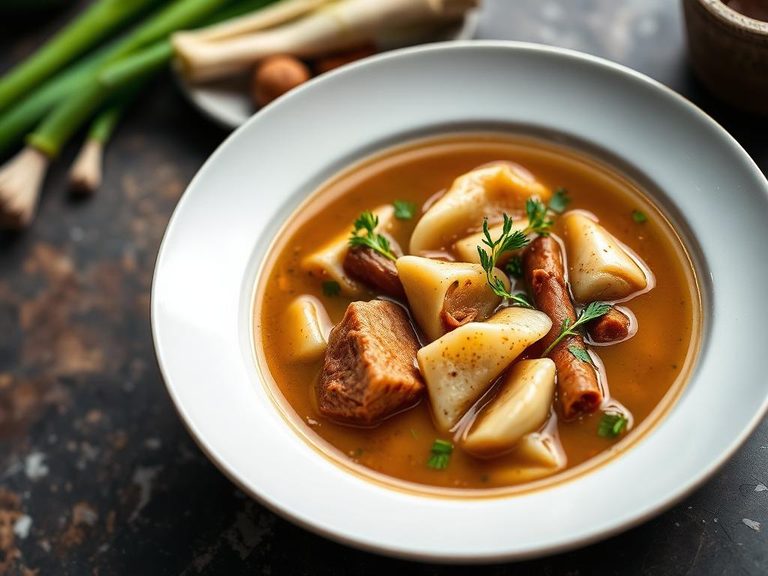
🍽️ Popular dishes
🌍 Where it's eaten
💡 Did you know?
Squash blossoms are not just a garnish; they are a prized seasonal ingredient, often harvested in the early morning when fully open and used within hours for peak freshness and texture.
Full nutrition (USDA data · scales with serving)
| Water | 92.5 g |
| Energy | 37.0 kcal |
| Protein | 1.1 g |
| Total lipid (fat) | 2.6 g |
| Carbohydrate, by difference | 3.2 g |
| Fiber, total dietary | 0.90 g |
| Total Sugars | 2.3 g |
| Calcium, Ca | 36.0 mg |
| Iron, Fe | 0.86 mg |
| Magnesium, Mg | 24.0 mg |
| Phosphorus, P | 33.0 mg |
| Potassium, K | 103 mg |
| Sodium, Na | 127 mg |
| Zinc, Zn | 0.10 mg |
| Copper, Cu | 0.10 mg |
| Selenium, Se | 0.70 ug |
| Vitamin C, total ascorbic acid | 4.8 mg |
| Thiamin | 0.02 mg |
| Riboflavin | 0.03 mg |
| Niacin | 0.30 mg |
| Vitamin B-6 | 0.07 mg |
| Folate, total | 40.0 ug |
| Folic acid | 0.00 ug |
| Folate, food | 40.0 ug |
| Folate, DFE | 40.0 ug |
| Choline, total | 13.2 mg |
| Vitamin B-12 | 0.00 ug |
| Vitamin B-12, added | 0.00 ug |
| Vitamin A, RAE | 96.0 ug |
| Retinol | 11.0 ug |
| Carotene, beta | 1012 ug |
| Carotene, alpha | 0.00 ug |
| Cryptoxanthin, beta | 0.00 ug |
| Lycopene | 0.00 ug |
| Lutein + zeaxanthin | 0.00 ug |
| Vitamin E (alpha-tocopherol) | 0.42 mg |
| Vitamin E, added | 0.00 mg |
| Vitamin D (D2 + D3) | 0.00 ug |
| Vitamin K (phylloquinone) | 2.1 ug |
| Alcohol, ethyl | 0.00 g |
| Caffeine | 0.00 mg |
| Theobromine | 0.00 mg |
Fat & fatty acid profile (per 100g)
| Fatty acids, total saturated | 0.71 g |
| SFA 4:0 | 0.02 g |
| SFA 6:0 | 0.01 g |
| SFA 8:0 | 0.01 g |
| SFA 10:0 | 0.02 g |
| SFA 12:0 | 0.02 g |
| SFA 14:0 | 0.07 g |
| SFA 16:0 | 0.39 g |
| SFA 18:0 | 0.14 g |
| Fatty acids, total monounsaturated | 0.91 g |
| MUFA 16:1 | 0.02 g |
| MUFA 18:1 | 0.87 g |
| MUFA 20:1 | 0.01 g |
| MUFA 22:1 | 0.00 g |
| Fatty acids, total polyunsaturated | 0.73 g |
| PUFA 18:2 | 0.65 g |
| PUFA 18:3 | 0.08 g |
| PUFA 18:4 | 0.00 g |
| PUFA 20:4 | 0.00 g |
| PUFA 20:5 n-3 (EPA) | 0.00 g |
| PUFA 22:5 n-3 (DPA) | 0.00 g |
| PUFA 22:6 n-3 (DHA) | 0.00 g |
| Cholesterol | 2.0 mg |
FAQ
Are all flower blossoms edible?
No, only specific varieties like those from squash, pumpkin, lily, sesbania, and certain others are safe and commonly eaten. Never consume flowers unless you are 100% certain they are edible and have not been treated with pesticides.
How do you prepare them for cooking?
Gently rinse and pat dry. For squash blossoms, carefully remove the pistil/stamen from the center before cooking. They cook very quickly, often in just a minute or two when stir-fried or sautéed.
What do they taste like?
The flavor is generally mild, slightly sweet, and vegetal, with a hint of the parent plant (e.g., squash blossoms have a faint squash flavor). The texture is tender-crisp when lightly cooked.
Nutrient density (calculated · NRF9.3)
Nutrient Rich Foods index: beneficial nutrients (protein, fiber, vitamins, minerals) minus saturated fat, added sugar & sodium, per 100 kcal.
NRF9.3 index — Fulgoni, Keast & Drewnowski, 2009. Computed from USDA nutrients.
Weight-loss friendliness (composite index)
Energy density 0.37 kcal/g · 11% calories from protein · 0.9 g fiber · 2.3 g sugar per 100 g.
Composite of energy density (Rolls et al., 1999), protein & fiber satiety, minus sugar. A calculated heuristic — ranks satiety-per-calorie, not a clinical measure.
Dietary load (calculated from USDA values)
Potential renal acid load. Positive = acid-forming, negative = alkaline-forming.
Sodium-to-potassium ratio: 1.23 (lower is better — aim for ≤ 1)
Sodium:potassium per WHO potassium guidance. Computed from USDA nutrients.