

Fish, salmon, Atlantic, farm raised, raw
Whole food · Finfish and Shellfish Products
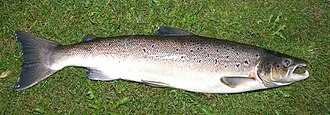
Photo: Wikipedia
Farm-raised Atlantic salmon offers a consistently rich, buttery flavor with a tender, flaky texture that melts in the mouth. Its vibrant coral-pink flesh is a hallmark of its diet and farming practices. Nutritionally, it's a powerhouse of high-quality protein and healthy fats, providing over 20 grams of protein and heart-healthy omega-3s per 100-gram serving.
Calorie split: 41% protein · 0% carbs · 59% fat
↓ Full nutrition💚 Why it's loved
People adore its luxurious, melt-in-your-mouth texture and rich, savory flavor that pairs beautifully with everything from sweet glazes to bright herbs. Its versatility in cooking—equally good grilled, baked, poached, or raw—makes it a staple for both weeknight dinners and elegant occasions.
⚠️ Watch-outs & how to enjoy it better
As a common allergen, fish can cause reactions in sensitive individuals. Farmed salmon may contain trace contaminants like PCBs, though levels are regulated and generally considered safe. To minimize any risk, opt for salmon from reputable sources and vary your seafood choices. Pairing with vegetables and whole grains creates a balanced meal.
Key benefits
- Excellent source of complete protein for muscle maintenance.
- Rich in omega-3 fatty acids (EPA and DHA) for heart and brain health.
- Provides significant vitamin D and B12.
- Contains selenium, an important antioxidant mineral.
🍽️ Popular dishes
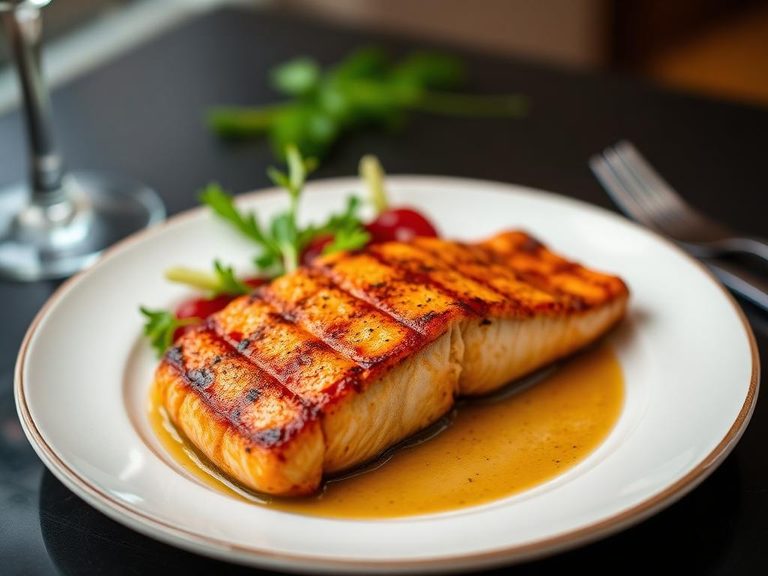
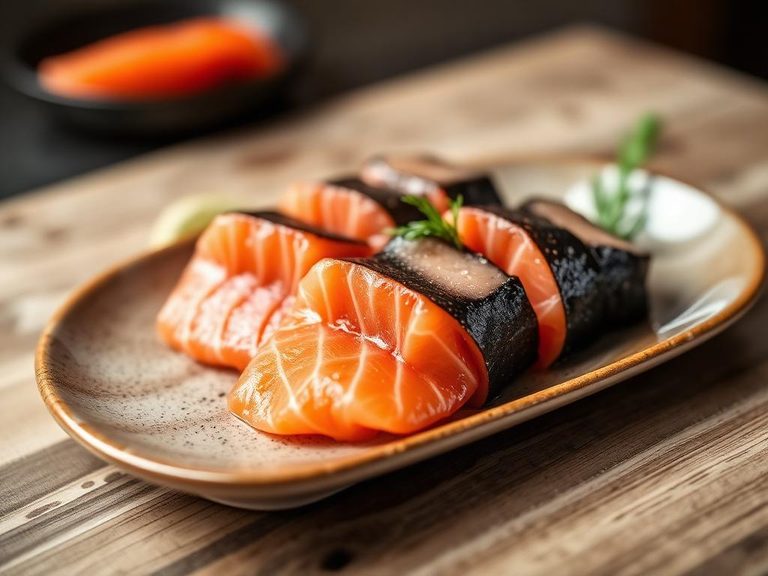
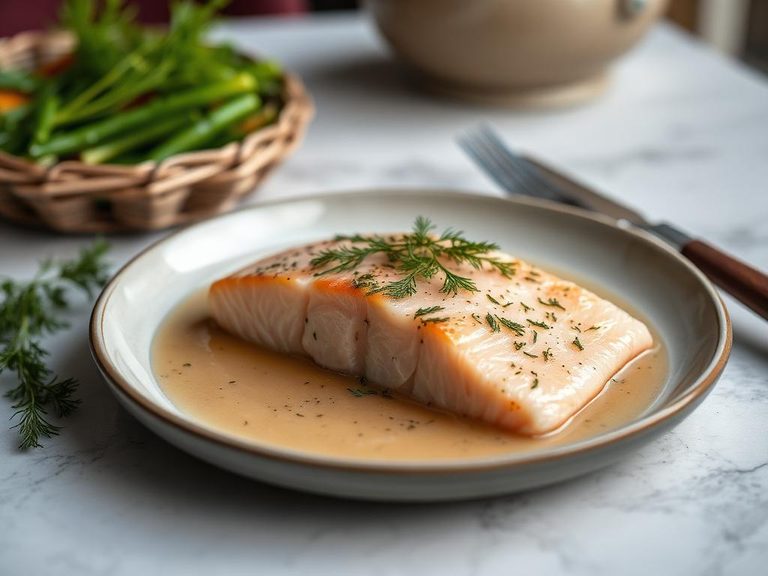
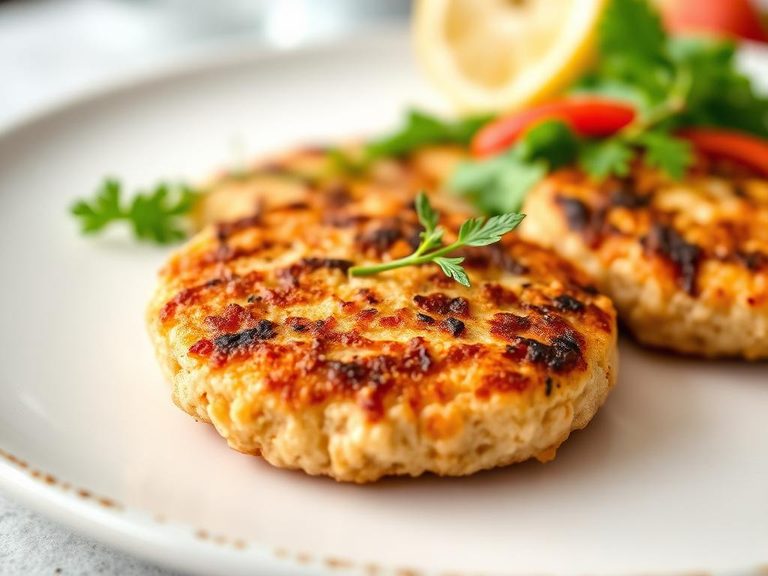
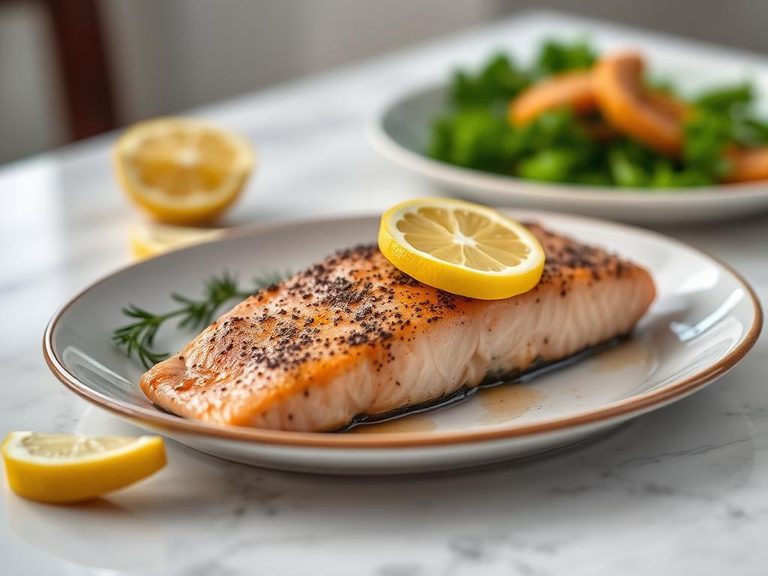
🌍 Where it's eaten
💡 Did you know?
The pink color of farmed salmon flesh is not natural; it comes from added astaxanthin in their feed, a pigment also found in the wild salmon's diet of krill and shrimp.
Full nutrition (USDA data · scales with serving)
| Water | 65.8 g |
| Energy (Atwater General Factors) | 197 kcal |
| Energy (Atwater Specific Factors) | 203 kcal |
| Nitrogen | 3.3 g |
| Protein | 20.3 g |
| Total lipid (fat) | 13.1 g |
| Ash | 1.2 g |
| Carbohydrate, by difference | 0.00 g |
| Calcium, Ca | 9.4 mg |
| Iron, Fe | 0.26 mg |
| Magnesium, Mg | 25.4 mg |
| Phosphorus, P | 230 mg |
| Potassium, K | 378 mg |
| Sodium, Na | 49.5 mg |
| Zinc, Zn | 0.34 mg |
| Copper, Cu | 0.02 mg |
| Manganese, Mn | 0.00 mg |
| Iodine, I | 3.2 ug |
| Selenium, Se | 22.8 ug |
| Vitamin B-12 | 5.7 ug |
| Retinol | 2.2 ug |
Fat & fatty acid profile (per 100g)
| Fatty acids, total saturated | 2.3 g |
| SFA 4:0 | 0.00 g |
| SFA 6:0 | 0.00 g |
| SFA 8:0 | 0.00 g |
| SFA 10:0 | 0.00 g |
| SFA 12:0 | 0.01 g |
| SFA 14:0 | 0.24 g |
| SFA 16:0 | 1.4 g |
| SFA 18:0 | 0.47 g |
| Fatty acids, total monounsaturated | 5.0 g |
| MUFA 18:1 c | 4.1 g |
| Fatty acids, total polyunsaturated | 4.1 g |
| PUFA 18:2 n-6 c,c | 2.1 g |
| PUFA 18:3 n-3 c,c,c (ALA) | 0.54 g |
| PUFA 20:5 n-3 (EPA) | 0.32 g |
| PUFA 22:5 n-3 (DPA) | 0.17 g |
| PUFA 22:6 n-3 (DHA) | 0.58 g |
| Cholesterol | 62.1 mg |
Amino acid profile (per 100g)
Estimated from Fish, fish sticks, frozen, prepared — USDA does not publish this profile for Fish.
| Tryptophan | 0.12 g |
| Threonine | 0.37 g |
| Isoleucine | 0.43 g |
| Leucine | 0.85 g |
| Lysine | 0.80 g |
| Methionine | 0.30 g |
| Phenylalanine | 0.47 g |
| Tyrosine | 0.29 g |
| Valine | 0.50 g |
| Arginine | 0.59 g |
| Histidine | 0.23 g |
| Alanine | 0.55 g |
| Aspartic acid | 0.82 g |
| Glutamic acid | 2.3 g |
| Glycine | 0.47 g |
| Proline | 0.78 g |
| Serine | 0.49 g |
| Hydroxyproline | 0.00 g |
FAQ
Is farmed salmon as healthy as wild salmon?
Both are excellent sources of protein and omega-3s. Farmed salmon often has a higher fat content (and thus more omega-3s per serving) but may have slightly lower levels of certain minerals. The key is choosing high-quality, responsibly farmed fish.
How can I tell if my salmon is fresh?
Fresh salmon should have a mild, ocean-like smell, not a strong 'fishy' odor. The flesh should be firm and elastic, springing back when pressed. Avoid fillets with dull color, dry spots, or excessive liquid in the packaging.
What's the best way to cook it without it drying out?
Salmon cooks quickly. For moist results, bake at 400°F (200°C) for 10-12 minutes per inch of thickness, or until it just flakes. Pan-searing with the skin on creates a delicious crust and helps retain moisture. Always avoid overcooking.
Nutrient density (calculated · NRF9.3)
Nutrient Rich Foods index: beneficial nutrients (protein, fiber, vitamins, minerals) minus saturated fat, added sugar & sodium, per 100 kcal.
NRF9.3 index — Fulgoni, Keast & Drewnowski, 2009. Computed from USDA nutrients.
Weight-loss friendliness (composite index)
Energy density 1.97 kcal/g · 41% calories from protein · 0.0 g fiber · 0.0 g sugar per 100 g.
Composite of energy density (Rolls et al., 1999), protein & fiber satiety, minus sugar. A calculated heuristic — ranks satiety-per-calorie, not a clinical measure.
Dietary load (calculated from USDA values)
Potential renal acid load. Positive = acid-forming, negative = alkaline-forming.
Sodium-to-potassium ratio: 0.13 (lower is better — aim for ≤ 1)
Sodium:potassium per WHO potassium guidance. Computed from USDA nutrients.