

Cress, raw
Common food

Photo: Wikipedia
Cress is a peppery, fast-growing microgreen with delicate, lacy leaves and thin stems. Its sharp, mustardy bite is surprisingly potent for its tiny size. Nutritionally, it's a vitamin-packed powerhouse, offering exceptional amounts of vitamin K and vitamin C for very few calories.
Calorie split: 27% protein · 57% carbs · 16% fat
↓ Full nutrition💚 Why it's loved
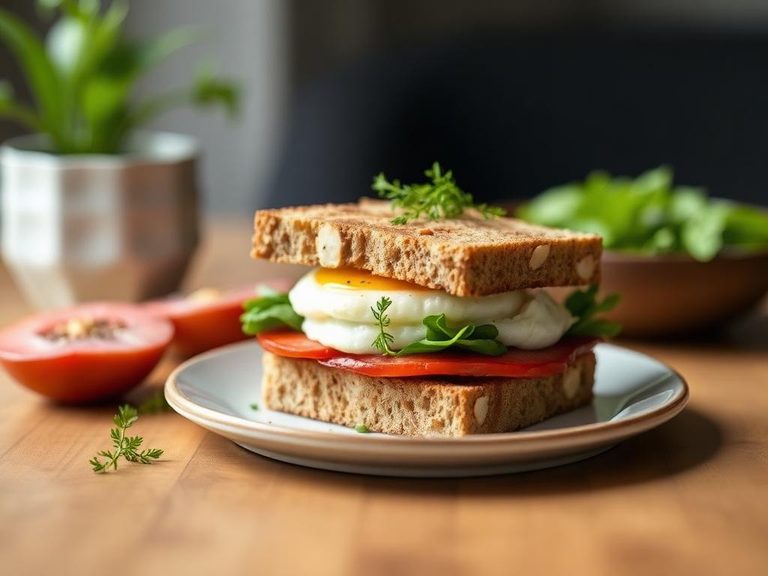
People love cress for its instant, zesty flavor that can elevate a simple sandwich or salad without any cooking. It's a symbol of spring and renewal in many cultures, often grown on windowsills for a fresh, year-round garnish.
⚠️ Watch-outs & how to enjoy it better
Its strong, peppery flavor can be overwhelming if used in excess, potentially overpowering other ingredients. For individuals on blood-thinning medications (like warfarin), the very high vitamin K content requires consistent intake, not sporadic large amounts. To enjoy it, use it as a potent accent rather than a main green, and mix it with milder lettuces to balance the flavor.
Key benefits
- Extremely high in vitamin K, supporting bone health.
- Excellent source of vitamin C, an important antioxidant.
- Very low in calories and carbohydrates.
- Contains glucosinolates, compounds studied for their potential health benefits.
- Provides a quick, fresh crunch to meals.
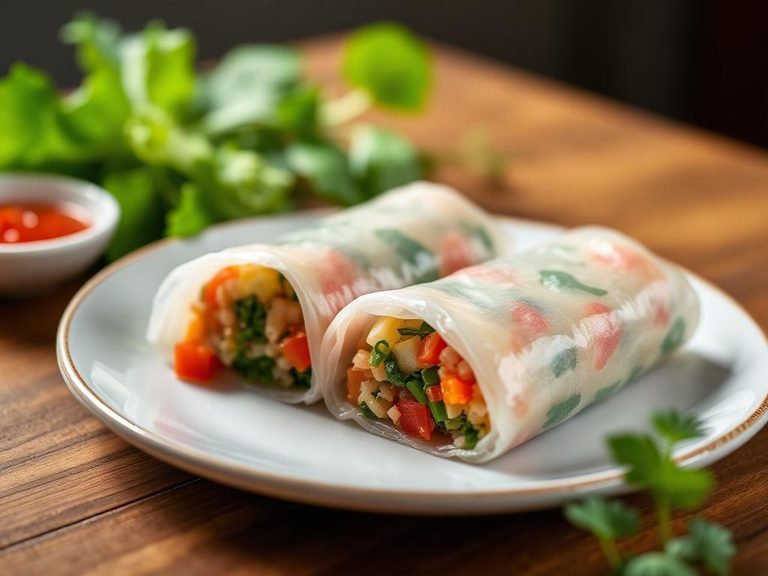
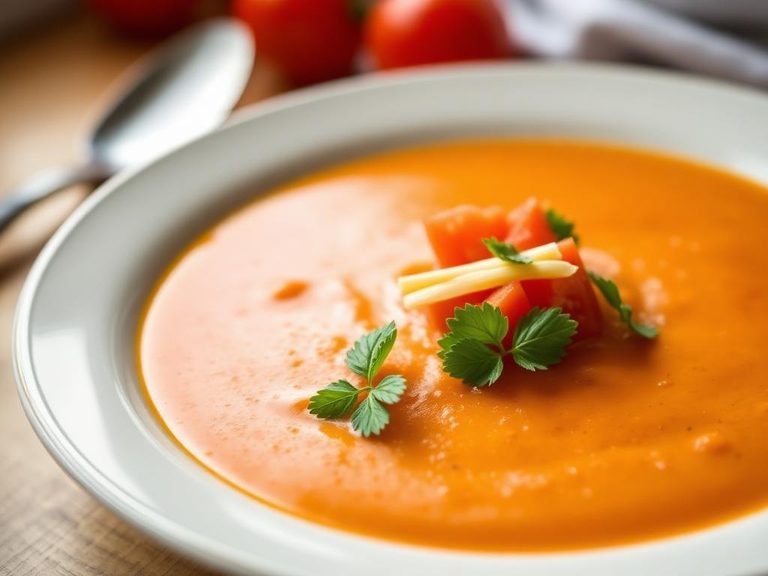
🍽️ Popular dishes
🌍 Where it's eaten
💡 Did you know?
Garden cress is a relative of mustard and watercress, and its seeds can be sprouted to produce 'cress microgreens' in just 5-7 days, making it one of the fastest foods you can grow at home.
Full nutrition (USDA data · scales with serving)
| Water | 89.4 g |
| Energy | 32.0 kcal |
| Protein | 2.6 g |
| Total lipid (fat) | 0.70 g |
| Carbohydrate, by difference | 5.5 g |
| Fiber, total dietary | 1.1 g |
| Total Sugars | 4.4 g |
| Calcium, Ca | 81.0 mg |
| Iron, Fe | 1.3 mg |
| Magnesium, Mg | 38.0 mg |
| Phosphorus, P | 76.0 mg |
| Potassium, K | 606 mg |
| Sodium, Na | 14.0 mg |
| Zinc, Zn | 0.23 mg |
| Copper, Cu | 0.17 mg |
| Selenium, Se | 0.90 ug |
| Vitamin C, total ascorbic acid | 69.0 mg |
| Thiamin | 0.08 mg |
| Riboflavin | 0.26 mg |
| Niacin | 1.0 mg |
| Vitamin B-6 | 0.25 mg |
| Folate, total | 80.0 ug |
| Folic acid | 0.00 ug |
| Folate, food | 80.0 ug |
| Folate, DFE | 80.0 ug |
| Choline, total | 19.5 mg |
| Vitamin B-12 | 0.00 ug |
| Vitamin B-12, added | 0.00 ug |
| Vitamin A, RAE | 346 ug |
| Retinol | 0.00 ug |
| Carotene, beta | 4150 ug |
| Carotene, alpha | 0.00 ug |
| Cryptoxanthin, beta | 0.00 ug |
| Lycopene | 0.00 ug |
| Lutein + zeaxanthin | 12500 ug |
| Vitamin E (alpha-tocopherol) | 0.70 mg |
| Vitamin E, added | 0.00 mg |
| Vitamin D (D2 + D3) | 0.00 ug |
| Vitamin K (phylloquinone) | 542 ug |
| Alcohol, ethyl | 0.00 g |
| Caffeine | 0.00 mg |
| Theobromine | 0.00 mg |
Fat & fatty acid profile (per 100g)
| Fatty acids, total saturated | 0.02 g |
| SFA 4:0 | 0.00 g |
| SFA 6:0 | 0.00 g |
| SFA 8:0 | 0.00 g |
| SFA 10:0 | 0.00 g |
| SFA 12:0 | 0.00 g |
| SFA 14:0 | 0.00 g |
| SFA 16:0 | 0.02 g |
| SFA 18:0 | 0.01 g |
| Fatty acids, total monounsaturated | 0.24 g |
| MUFA 16:1 | 0.00 g |
| MUFA 18:1 | 0.09 g |
| MUFA 20:1 | 0.06 g |
| MUFA 22:1 | 0.09 g |
| Fatty acids, total polyunsaturated | 0.23 g |
| PUFA 18:2 | 0.15 g |
| PUFA 18:3 | 0.08 g |
| PUFA 18:4 | 0.00 g |
| PUFA 20:4 | 0.00 g |
| PUFA 20:5 n-3 (EPA) | 0.00 g |
| PUFA 22:5 n-3 (DPA) | 0.00 g |
| PUFA 22:6 n-3 (DHA) | 0.00 g |
| Cholesterol | 0.00 mg |
FAQ
What's the difference between cress, watercress, and garden cress?
They are related but distinct. Garden cress (Lepidium sativum) has a sharper, more mustard-like flavor. Watercress (Nasturtium officinale) grows in water and has rounder leaves with a peppery, slightly bitter taste. Both are often simply called 'cress' in recipes.
How should I store fresh cress?
Treat it like a bouquet of flowers. Trim the stems, place the bunch upright in a jar with an inch of water, cover loosely with a plastic bag, and refrigerate. It should stay fresh for several days. Alternatively, wrap it in a damp paper towel inside a container.
Can I cook cress?
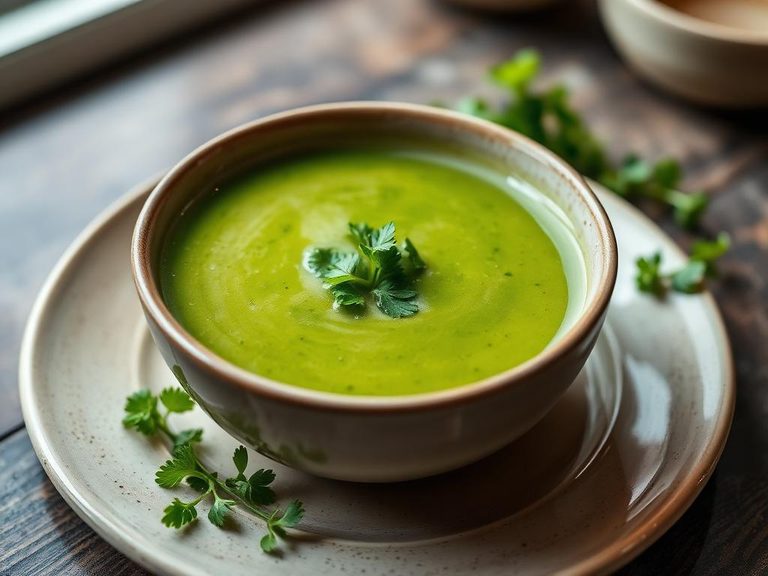
While typically eaten raw to preserve its delicate texture and sharp flavor, cress can be wilted into hot dishes like soups, stews, or scrambled eggs at the very end of cooking. Cooking will mellow its peppery bite significantly.
Nutrient density (calculated · NRF9.3)
Nutrient Rich Foods index: beneficial nutrients (protein, fiber, vitamins, minerals) minus saturated fat, added sugar & sodium, per 100 kcal.
NRF9.3 index — Fulgoni, Keast & Drewnowski, 2009. Computed from USDA nutrients.
Weight-loss friendliness (composite index)
Energy density 0.32 kcal/g · 33% calories from protein · 1.1 g fiber · 4.4 g sugar per 100 g.
Composite of energy density (Rolls et al., 1999), protein & fiber satiety, minus sugar. A calculated heuristic — ranks satiety-per-calorie, not a clinical measure.
Dietary load (calculated from USDA values)
Potential renal acid load. Positive = acid-forming, negative = alkaline-forming.
Sodium-to-potassium ratio: 0.02 (lower is better — aim for ≤ 1)
Sodium:potassium per WHO potassium guidance. Computed from USDA nutrients.