

Cress, cooked
Common food

Photo: Wikipedia
Cooked cress is a delicate, peppery green that wilts quickly into a vibrant, tender morsel. Its sharp, mustard-like bite mellows slightly with heat, while its fine stems provide a subtle, pleasant texture. Nutritionally, it's a concentrated source of vitamins K and C, offering a significant antioxidant boost in a very low-calorie package.
Calorie split: 17% protein · 35% carbs · 48% fat
↓ Full nutrition💚 Why it's loved
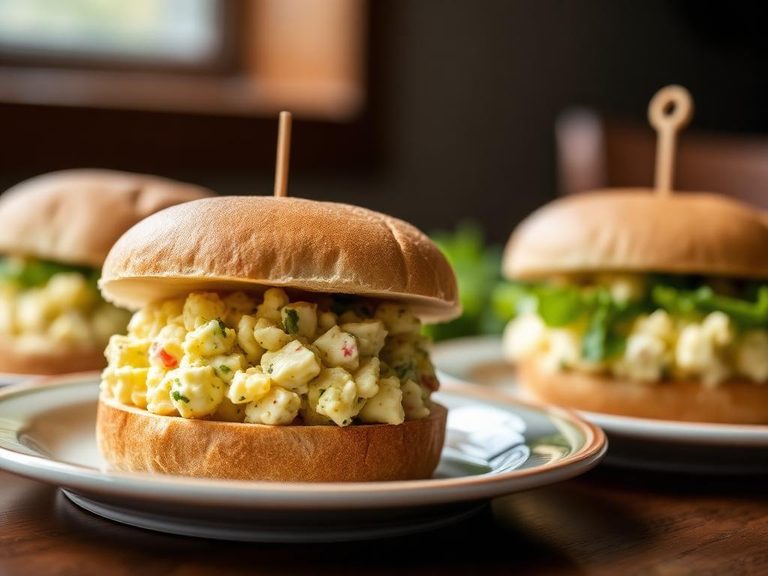
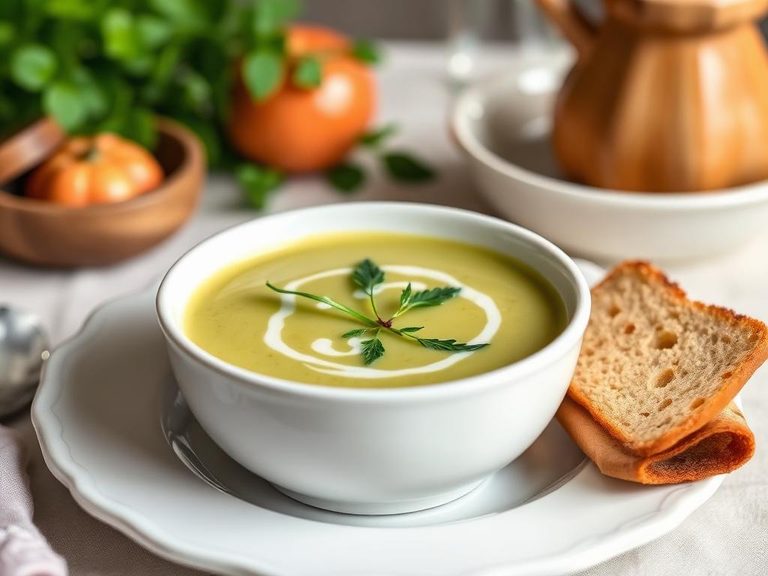
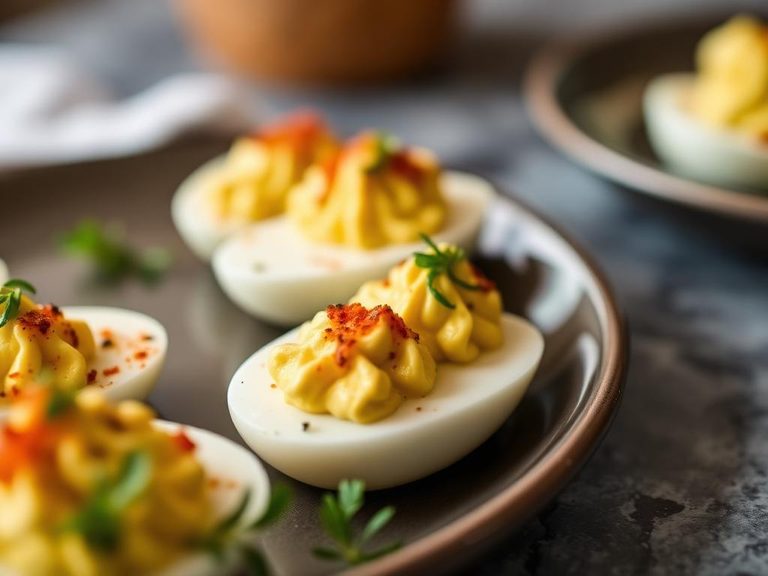
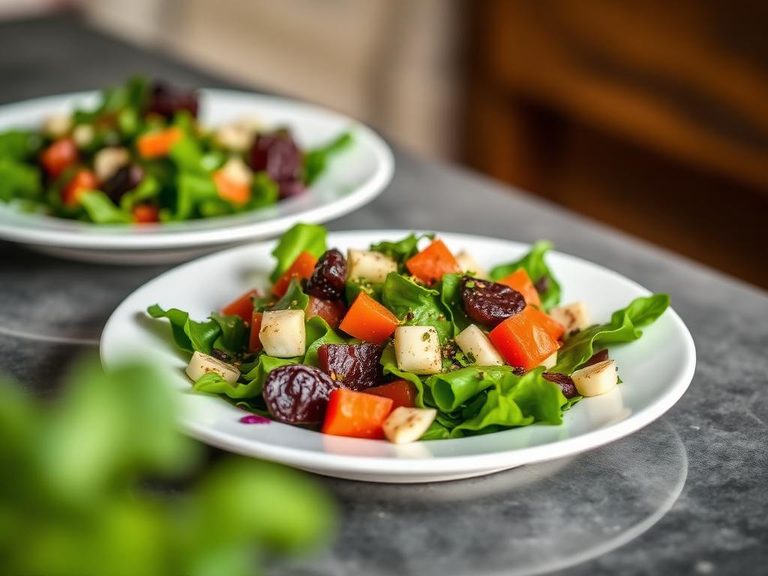
People love cress for its intense, peppery flavor that can instantly elevate a simple dish without adding calories. It's a culinary workhorse, used raw for a sharp bite or cooked to add a sophisticated, green note to eggs, soups, and sauces.
⚠️ Watch-outs & how to enjoy it better
Its strong, pungent flavor can be overpowering for some palates, and it may not be suitable for those on low-vitamin K diets (e.g., certain blood thinners). To manage the intensity, cook it briefly or pair it with rich, creamy elements like eggs or cheese to balance the bite.
Key benefits
- Exceptionally high in vitamin K for bone health.
- Rich in vitamin C, supporting immune function.
- Provides plant-based omega-3 fatty acids (ALA).
- Contains glucosinolates, compounds studied for health benefits.
- Very low in calories, aiding in weight management.
🍽️ Popular dishes
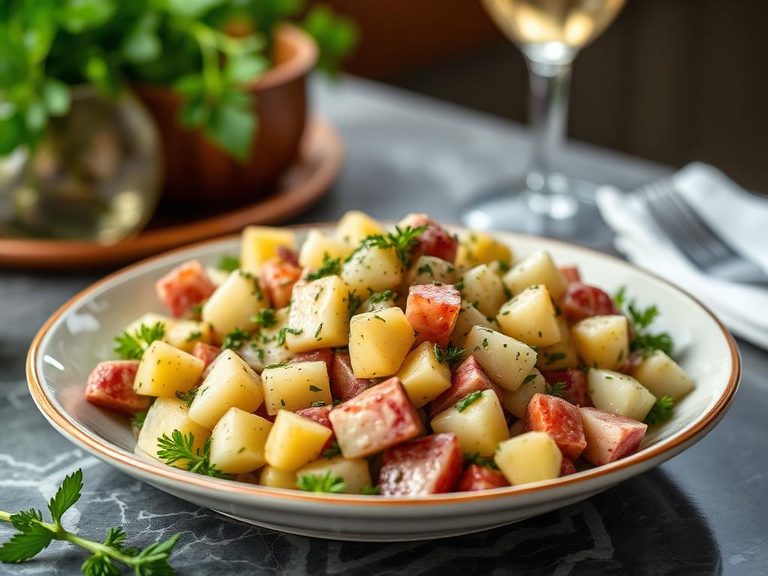
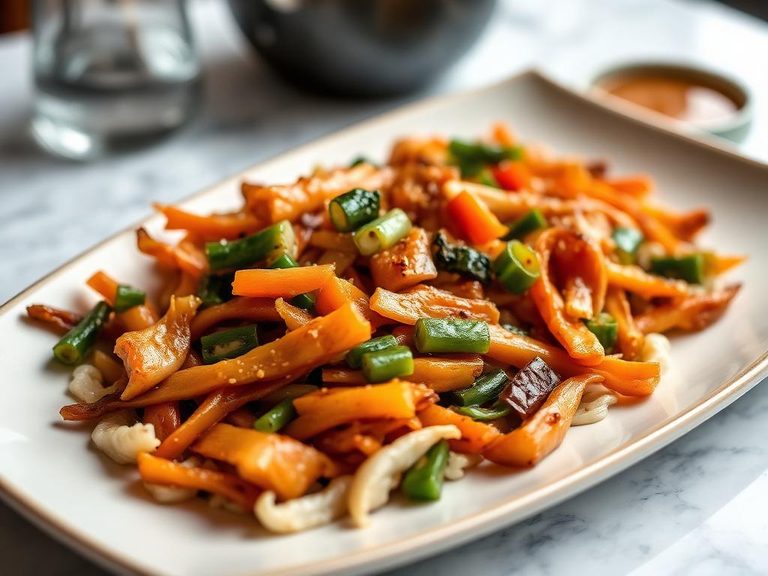
🌍 Where it's eaten
💡 Did you know?
Cress is a member of the Brassicaceae family, making it a close relative of mustard, radish, and even broccoli.
Full nutrition (USDA data · scales with serving)
| Water | 85.9 g |
| Energy | 58.0 kcal |
| Protein | 2.7 g |
| Total lipid (fat) | 3.5 g |
| Carbohydrate, by difference | 5.7 g |
| Fiber, total dietary | 1.1 g |
| Total Sugars | 4.6 g |
| Calcium, Ca | 85.0 mg |
| Iron, Fe | 1.4 mg |
| Magnesium, Mg | 40.0 mg |
| Phosphorus, P | 79.0 mg |
| Potassium, K | 631 mg |
| Sodium, Na | 145 mg |
| Zinc, Zn | 0.24 mg |
| Copper, Cu | 0.18 mg |
| Selenium, Se | 0.90 ug |
| Vitamin C, total ascorbic acid | 50.3 mg |
| Thiamin | 0.07 mg |
| Riboflavin | 0.26 mg |
| Niacin | 0.99 mg |
| Vitamin B-6 | 0.26 mg |
| Folate, total | 63.0 ug |
| Folic acid | 0.00 ug |
| Folate, food | 63.0 ug |
| Folate, DFE | 63.0 ug |
| Choline, total | 20.5 mg |
| Vitamin B-12 | 0.00 ug |
| Vitamin B-12, added | 0.00 ug |
| Vitamin A, RAE | 354 ug |
| Retinol | 12.0 ug |
| Carotene, beta | 4109 ug |
| Carotene, alpha | 0.00 ug |
| Cryptoxanthin, beta | 0.00 ug |
| Lycopene | 0.00 ug |
| Lutein + zeaxanthin | 12361 ug |
| Vitamin E (alpha-tocopherol) | 1.1 mg |
| Vitamin E, added | 0.00 mg |
| Vitamin D (D2 + D3) | 0.00 ug |
| Vitamin K (phylloquinone) | 566 ug |
| Alcohol, ethyl | 0.00 g |
| Caffeine | 0.00 mg |
| Theobromine | 0.00 mg |
Fat & fatty acid profile (per 100g)
| Fatty acids, total saturated | 0.74 g |
| SFA 4:0 | 0.02 g |
| SFA 6:0 | 0.01 g |
| SFA 8:0 | 0.01 g |
| SFA 10:0 | 0.02 g |
| SFA 12:0 | 0.02 g |
| SFA 14:0 | 0.07 g |
| SFA 16:0 | 0.41 g |
| SFA 18:0 | 0.15 g |
| Fatty acids, total monounsaturated | 1.2 g |
| MUFA 16:1 | 0.01 g |
| MUFA 18:1 | 1.0 g |
| MUFA 20:1 | 0.08 g |
| MUFA 22:1 | 0.10 g |
| Fatty acids, total polyunsaturated | 1.0 g |
| PUFA 18:2 | 0.86 g |
| PUFA 18:3 | 0.17 g |
| PUFA 18:4 | 0.00 g |
| PUFA 20:4 | 0.00 g |
| PUFA 20:5 n-3 (EPA) | 0.00 g |
| PUFA 22:5 n-3 (DPA) | 0.00 g |
| PUFA 22:6 n-3 (DHA) | 0.00 g |
| Cholesterol | 2.0 mg |
FAQ
How is cooked cress different from raw?
Cooking wilts the leaves, softens the stems, and mellows the sharp, peppery bite, making the flavor more integrated and less pungent.
What can I use if I can't find cress?
For a similar peppery flavor, watercress or arugula are the best substitutes. For cooking, baby spinach can work in texture but lacks the signature bite.
Is cress the same as watercress?
No. They are related but different plants. Watercress (Nasturtium officinale) grows in water and has rounder leaves. Garden cress (Lepidium sativum) is grown in soil and has narrower, more jagged leaves with a sharper, more mustard-like flavor.
Nutrient density (calculated · NRF9.3)
Nutrient Rich Foods index: beneficial nutrients (protein, fiber, vitamins, minerals) minus saturated fat, added sugar & sodium, per 100 kcal.
NRF9.3 index — Fulgoni, Keast & Drewnowski, 2009. Computed from USDA nutrients.
Weight-loss friendliness (composite index)
Energy density 0.58 kcal/g · 19% calories from protein · 1.1 g fiber · 4.6 g sugar per 100 g.
Composite of energy density (Rolls et al., 1999), protein & fiber satiety, minus sugar. A calculated heuristic — ranks satiety-per-calorie, not a clinical measure.
Dietary load (calculated from USDA values)
Potential renal acid load. Positive = acid-forming, negative = alkaline-forming.
Sodium-to-potassium ratio: 0.23 (lower is better — aim for ≤ 1)
Sodium:potassium per WHO potassium guidance. Computed from USDA nutrients.