

Cowpeas, leafy tips, cooked, boiled, drained, without salt
Whole food · Vegetables and Vegetable Products

Photo: Wikipedia
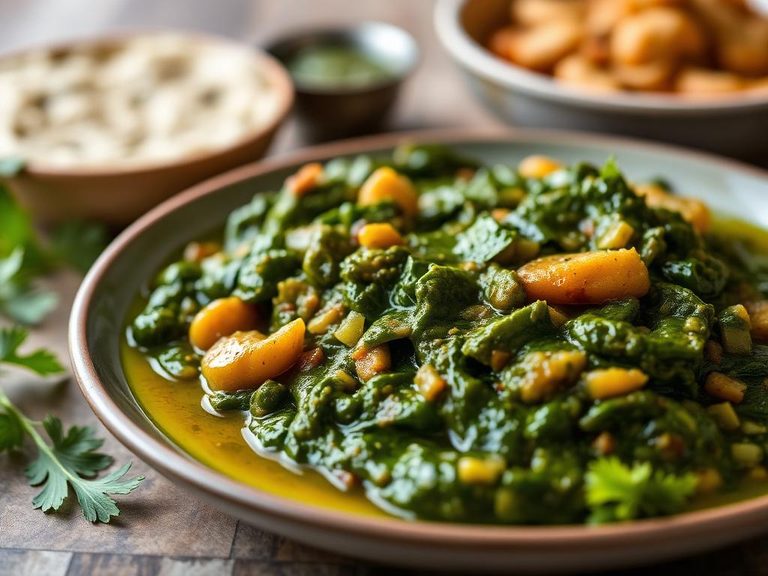
Cowpea leafy tips, when boiled and drained, are a tender, dark green vegetable with a mild, slightly earthy flavor reminiscent of spinach. They have a soft, delicate texture that readily absorbs seasonings. Nutritionally, they are a standout for their high protein-to-calorie ratio, providing nearly 5 grams of protein per 100 grams for just 22 calories.
Calorie split: 61% protein · 36% carbs · 3% fat
↓ Full nutrition💚 Why it's loved
People love cowpea leaves for their mild, versatile flavor that complements a wide range of spices and broths, and for their cultural significance in many cuisines as a humble, nourishing staple.
⚠️ Watch-outs & how to enjoy it better
The leaves contain oxalates, which can bind to minerals like calcium and may be a concern for those prone to kidney stones. To counteract this, always boil and drain them thoroughly as this recipe specifies, which significantly reduces oxalate content. Pairing them with a source of fat or vitamin C (like tomatoes or lemon juice) can also enhance mineral absorption.
Key benefits
- Excellent source of plant-based protein for muscle maintenance.
- Very low in calories and fat, supporting weight management.
- Provides essential minerals like iron and calcium.
- Contains antioxidants like beta-carotene and vitamin C.
- A sustainable and nutrient-dense leafy green option.
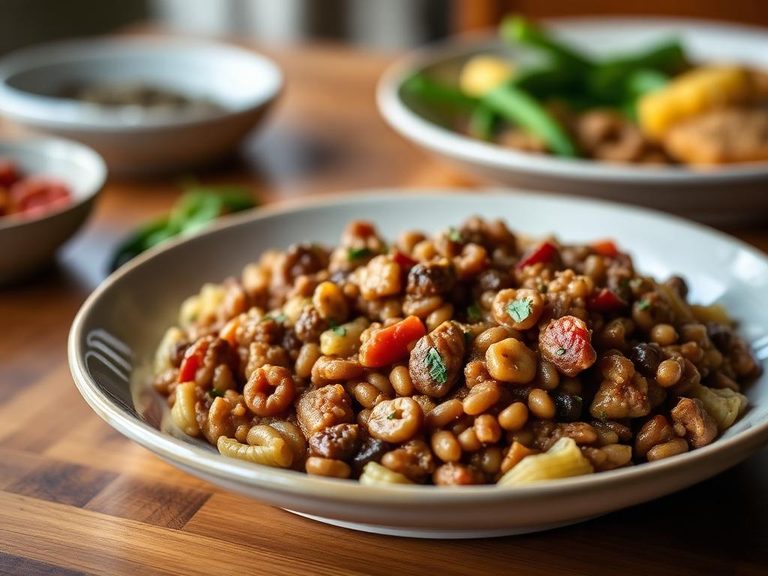
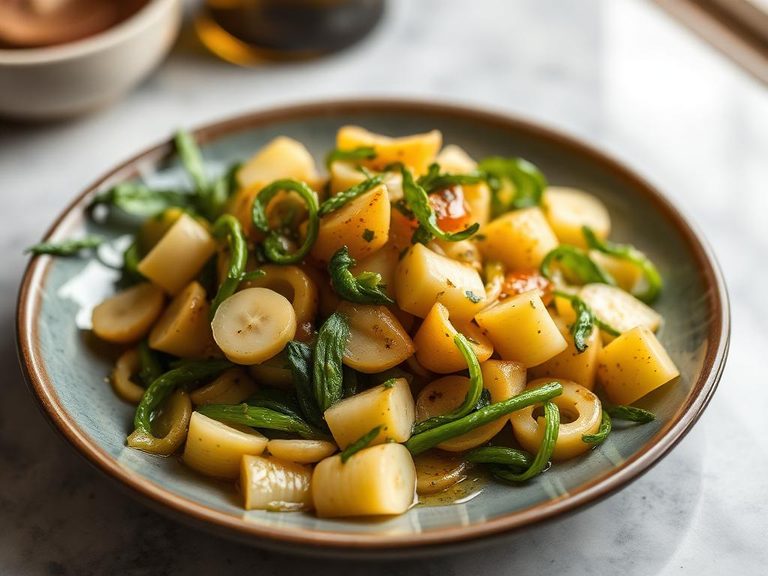
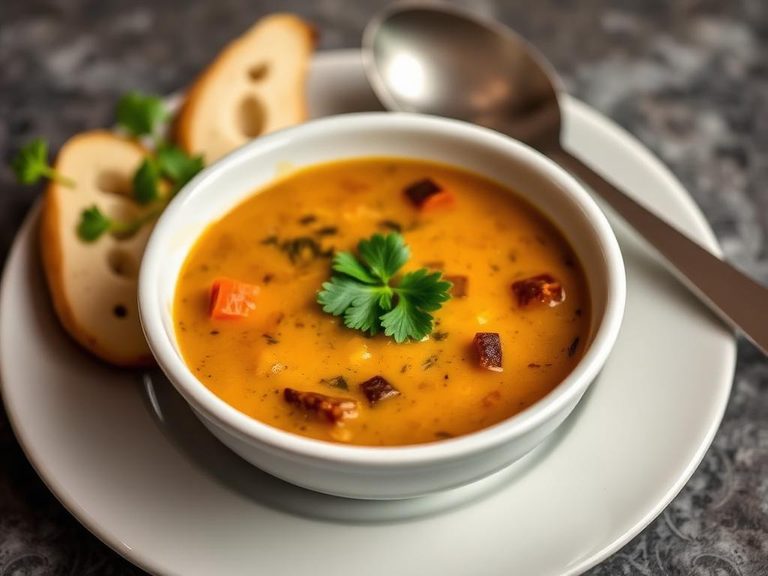
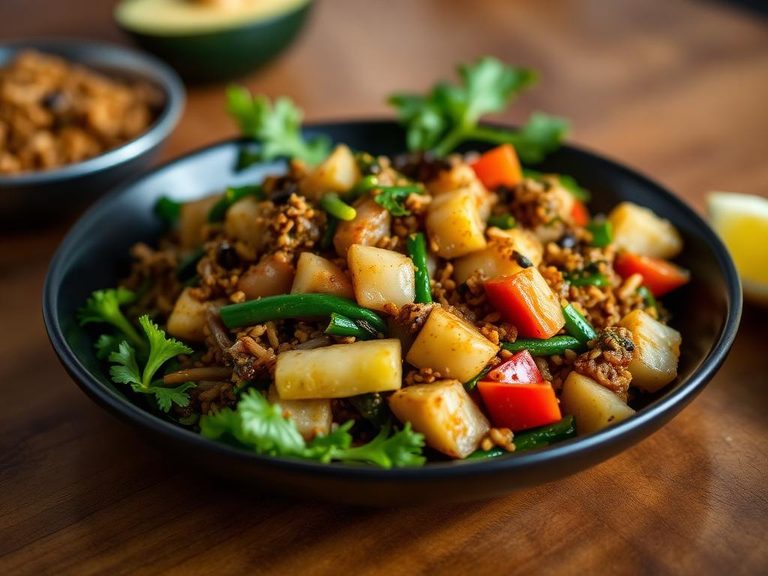
🍽️ Popular dishes
🌍 Where it's eaten
💡 Did you know?
Cowpea leaves are often more nutritious than the cowpea (black-eyed pea) itself, containing significantly higher concentrations of protein, iron, and vitamin A per calorie.
Full nutrition (USDA data · scales with serving)
| Water | 91.3 g |
| Energy | 22.0 kcal |
| Energy | 92.0 kj |
| Protein | 4.7 g |
| Total lipid (fat) | 0.10 g |
| Ash | 1.1 g |
| Carbohydrate, by difference | 2.8 g |
| Calcium, Ca | 69.0 mg |
| Iron, Fe | 1.1 mg |
| Magnesium, Mg | 62.0 mg |
| Phosphorus, P | 42.0 mg |
| Potassium, K | 351 mg |
| Sodium, Na | 6.0 mg |
| Zinc, Zn | 0.24 mg |
| Copper, Cu | 0.15 mg |
| Manganese, Mn | 0.41 mg |
| Selenium, Se | 0.90 ug |
| Vitamin C, total ascorbic acid | 18.4 mg |
| Thiamin | 0.26 mg |
| Riboflavin | 0.14 mg |
| Niacin | 1.0 mg |
| Pantothenic acid | 0.05 mg |
| Vitamin B-6 | 0.14 mg |
| Folate, total | 60.0 ug |
| Folic acid | 0.00 ug |
| Folate, food | 60.0 ug |
| Folate, DFE | 60.0 ug |
| Vitamin B-12 | 0.00 ug |
| Vitamin A, RAE | 29.0 ug |
| Retinol | 0.00 ug |
| Vitamin A, IU | 576 iu |
| Vitamin D (D2 + D3), International Units | 0.00 iu |
| Vitamin D (D2 + D3) | 0.00 ug |
Fat & fatty acid profile (per 100g)
| Fatty acids, total saturated | 0.03 g |
| SFA 14:0 | 0.00 g |
| SFA 16:0 | 0.02 g |
| SFA 18:0 | 0.00 g |
| Fatty acids, total monounsaturated | 0.01 g |
| MUFA 16:1 | 0.00 g |
| MUFA 18:1 | 0.01 g |
| MUFA 22:1 | 0.00 g |
| Fatty acids, total polyunsaturated | 0.04 g |
| PUFA 18:2 | 0.02 g |
| PUFA 18:3 | 0.02 g |
| Fatty acids, total trans | 0.00 g |
| Cholesterol | 0.00 mg |
Amino acid profile (per 100g)
Estimated from Cowpeas (blackeyes), immature seeds, frozen, unprepared — USDA does not publish this profile for Cowpeas.
| Tryptophan | 0.10 g |
| Threonine | 0.34 g |
| Isoleucine | 0.48 g |
| Leucine | 0.64 g |
| Lysine | 0.59 g |
| Methionine | 0.13 g |
| Cystine | 0.13 g |
| Phenylalanine | 0.49 g |
| Tyrosine | 0.37 g |
| Valine | 0.52 g |
| Arginine | 0.63 g |
| Histidine | 0.29 g |
FAQ
Are cowpea leaves the same as spinach?
No, they are from a different plant (Vigna unguiculata). While they share a similar appearance and use, cowpea leaves have a milder flavor and a distinct nutritional profile, notably higher in protein.
Why must they be boiled and drained?
This cooking method serves two key purposes: it tenderizes the leaves and, crucially, reduces their natural oxalate content, making minerals like calcium more bioavailable and lowering the risk of kidney stone formation.
Can I eat the stems?
Yes, the young, tender stems are edible and nutritious. They should be chopped and cooked along with the leaves, as they require similar cooking time.
Nutrient density (calculated · NRF9.3)
Nutrient Rich Foods index: beneficial nutrients (protein, fiber, vitamins, minerals) minus saturated fat, added sugar & sodium, per 100 kcal.
NRF9.3 index — Fulgoni, Keast & Drewnowski, 2009. Computed from USDA nutrients.
Weight-loss friendliness (composite index)
Energy density 0.22 kcal/g · 85% calories from protein · 0.0 g fiber · 0.0 g sugar per 100 g.
Composite of energy density (Rolls et al., 1999), protein & fiber satiety, minus sugar. A calculated heuristic — ranks satiety-per-calorie, not a clinical measure.
Dietary load (calculated from USDA values)
Potential renal acid load. Positive = acid-forming, negative = alkaline-forming.
Sodium-to-potassium ratio: 0.02 (lower is better — aim for ≤ 1)
Sodium:potassium per WHO potassium guidance. Computed from USDA nutrients.