

Classic mixed vegetables, canned, reduced sodium, cooked with butter or margarine
Common food
This is a convenient, pre-cooked medley of vegetables like carrots, corn, green beans, and peas, typically found in a can. The reduced-sodium version is finished with a pat of butter or margarine, giving it a richer mouthfeel and a subtle, savory sheen compared to plain canned veggies. At just 64 calories per 100g, it's a light side dish that provides a modest fiber boost (2.3g) and a small amount of plant-based protein.
Calorie split: 11% protein · 52% carbs · 37% fat
↓ Full nutrition💚 Why it's loved
People appreciate it for its ultimate convenience and nostalgic, comforting flavor—a quick way to add color and nutrients to a meal. Its mild, sweet, and buttery taste makes it a universally palatable side that pairs easily with countless main dishes.
⚠️ Watch-outs & how to enjoy it better
The primary concern is the potential for blood-sugar spikes due to the combination of starchy vegetables (like corn) and added sugar (2.85g per 100g). To counteract this, pair it with a source of protein (like grilled chicken or beans) and healthy fat (like avocado or olive oil) to slow digestion. Those monitoring sodium should still check labels, as 'reduced sodium' varies by brand.
Key benefits
- Convenient source of multiple vegetable servings
- Lower sodium than standard canned mixes
- Provides dietary fiber for digestive health
- Low calorie density aids in weight management
- Butter/margarine adds flavor without excessive calories
🍽️ Popular dishes
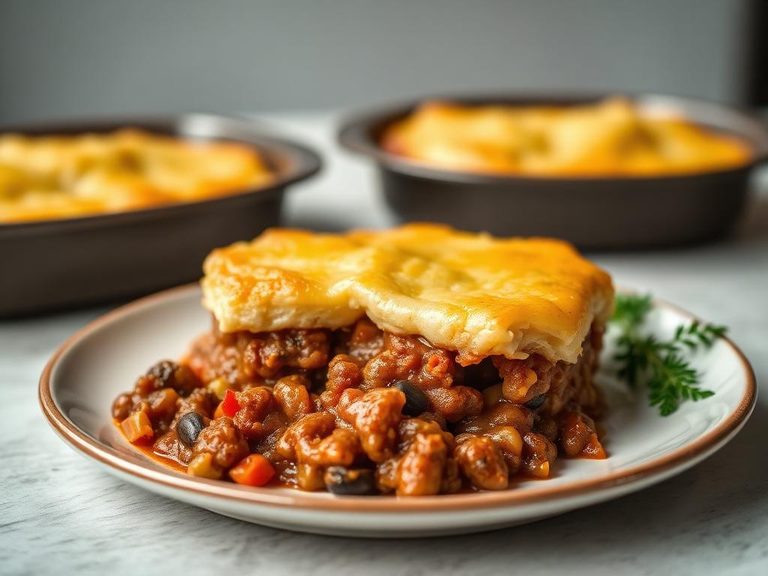

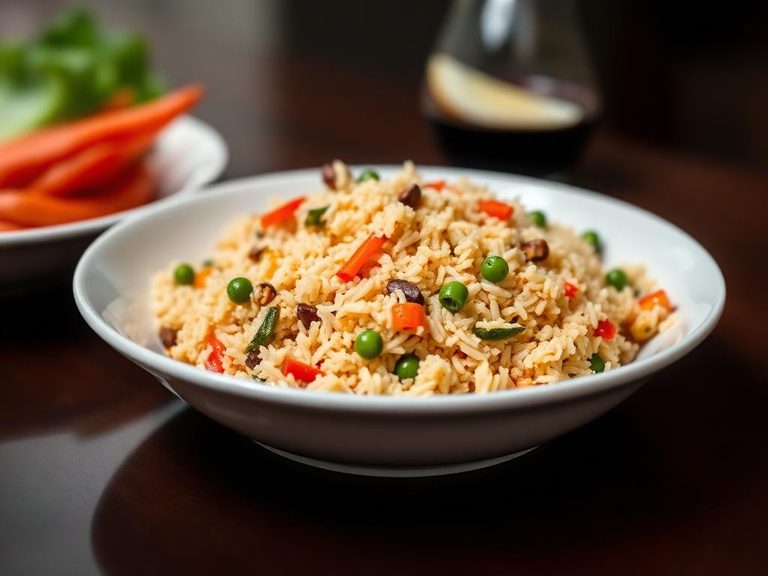
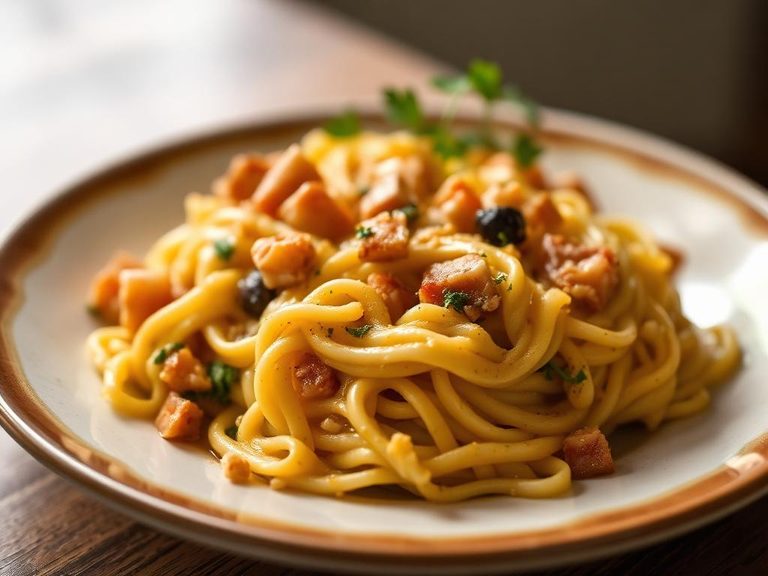
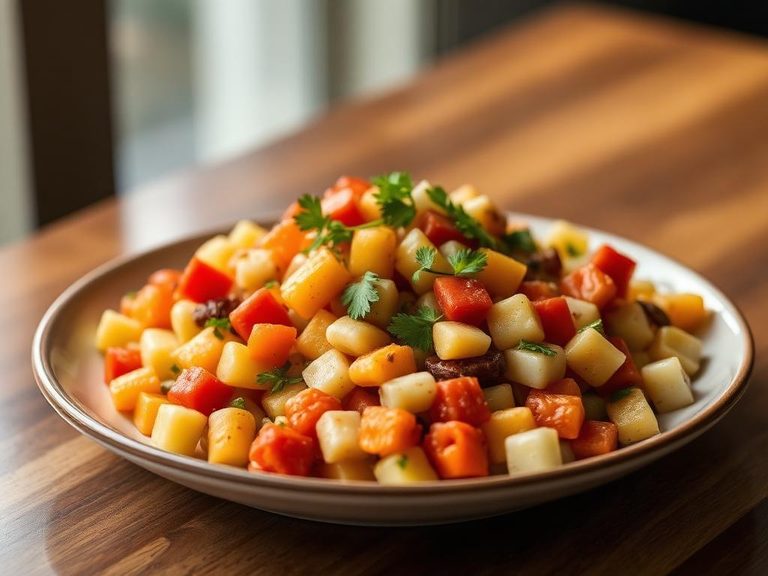
🌍 Where it's eaten
💡 Did you know?
The specific blend of vegetables in these cans is often referred to as 'mixed vegetables' and is standardized by the USDA to include a specific ratio of carrots, corn, green beans, and peas, ensuring consistency across brands.
Full nutrition (USDA data · scales with serving)
| Water | 85.4 g |
| Energy | 64.0 kcal |
| Protein | 1.9 g |
| Total lipid (fat) | 2.8 g |
| Carbohydrate, by difference | 8.9 g |
| Fiber, total dietary | 2.3 g |
| Total Sugars | 2.9 g |
| Calcium, Ca | 24.0 mg |
| Iron, Fe | 0.79 mg |
| Magnesium, Mg | 14.0 mg |
| Phosphorus, P | 38.0 mg |
| Potassium, K | 128 mg |
| Sodium, Na | 33.0 mg |
| Zinc, Zn | 0.43 mg |
| Copper, Cu | 0.07 mg |
| Selenium, Se | 0.70 ug |
| Vitamin C, total ascorbic acid | 4.3 mg |
| Thiamin | 0.04 mg |
| Riboflavin | 0.04 mg |
| Niacin | 0.64 mg |
| Vitamin B-6 | 0.10 mg |
| Folate, total | 26.0 ug |
| Folic acid | 0.00 ug |
| Folate, food | 26.0 ug |
| Folate, DFE | 26.0 ug |
| Choline, total | 15.7 mg |
| Vitamin B-12 | 0.00 ug |
| Vitamin B-12, added | 0.00 ug |
| Vitamin A, RAE | 187 ug |
| Retinol | 24.0 ug |
| Carotene, beta | 1597 ug |
| Carotene, alpha | 711 ug |
| Cryptoxanthin, beta | 10.0 ug |
| Lycopene | 0.00 ug |
| Lutein + zeaxanthin | 780 ug |
| Vitamin E (alpha-tocopherol) | 0.43 mg |
| Vitamin E, added | 0.00 mg |
| Vitamin D (D2 + D3) | 0.10 ug |
| Vitamin K (phylloquinone) | 18.2 ug |
| Alcohol, ethyl | 0.00 g |
| Caffeine | 0.00 mg |
| Theobromine | 0.00 mg |
Fat & fatty acid profile (per 100g)
| Fatty acids, total saturated | 1.1 g |
| SFA 4:0 | 0.04 g |
| SFA 6:0 | 0.03 g |
| SFA 8:0 | 0.02 g |
| SFA 10:0 | 0.04 g |
| SFA 12:0 | 0.04 g |
| SFA 14:0 | 0.14 g |
| SFA 16:0 | 0.55 g |
| SFA 18:0 | 0.21 g |
| Fatty acids, total monounsaturated | 0.68 g |
| MUFA 16:1 | 0.02 g |
| MUFA 18:1 | 0.64 g |
| MUFA 20:1 | 0.00 g |
| MUFA 22:1 | 0.00 g |
| Fatty acids, total polyunsaturated | 0.55 g |
| PUFA 18:2 | 0.47 g |
| PUFA 18:3 | 0.09 g |
| PUFA 18:4 | 0.00 g |
| PUFA 20:4 | 0.00 g |
| PUFA 20:5 n-3 (EPA) | 0.00 g |
| PUFA 22:5 n-3 (DPA) | 0.00 g |
| PUFA 22:6 n-3 (DHA) | 0.00 g |
| Cholesterol | 4.0 mg |
FAQ
How does 'reduced sodium' compare to regular canned mixed vegetables?
Reduced sodium versions typically contain at least 25% less sodium than their regular counterparts. However, the exact amount varies by brand, so checking the nutrition label is essential for precise tracking.
Is the butter or margarine added during canning or at home?
In most commercial 'cooked with butter' products, the fat is added during the canning process for flavor and preservation. If you buy plain canned vegetables, you can add your own butter or oil when reheating.
Can I use this in a raw salad?
It's not recommended. The vegetables are pre-cooked and canned for safety and shelf-stability. Their texture is soft, and they are preserved in liquid, making them unsuitable for fresh, crisp salads but perfect for cooked dishes.
Nutrient density (calculated · NRF9.3)
Nutrient Rich Foods index: beneficial nutrients (protein, fiber, vitamins, minerals) minus saturated fat, added sugar & sodium, per 100 kcal.
NRF9.3 index — Fulgoni, Keast & Drewnowski, 2009. Computed from USDA nutrients.
Weight-loss friendliness (composite index)
Energy density 0.64 kcal/g · 12% calories from protein · 2.3 g fiber · 2.9 g sugar per 100 g.
Composite of energy density (Rolls et al., 1999), protein & fiber satiety, minus sugar. A calculated heuristic — ranks satiety-per-calorie, not a clinical measure.
Dietary load (calculated from USDA values)
Potential renal acid load. Positive = acid-forming, negative = alkaline-forming.
Sodium-to-potassium ratio: 0.26 (lower is better — aim for ≤ 1)
Sodium:potassium per WHO potassium guidance. Computed from USDA nutrients.