

Chorizo
Common food

Photo: Wikipedia
Chorizo is a vibrant, deeply seasoned pork sausage, its signature red hue coming from smoked paprika. It offers a bold, spicy-savory flavor with a rich, fatty texture that can range from soft and spreadable to firm and sliceable. Nutritionally, it's a dense source of protein and fat, with virtually no carbohydrates.
Calorie split: 23% protein · 3% carbs · 74% fat
↓ Full nutrition💚 Why it's loved
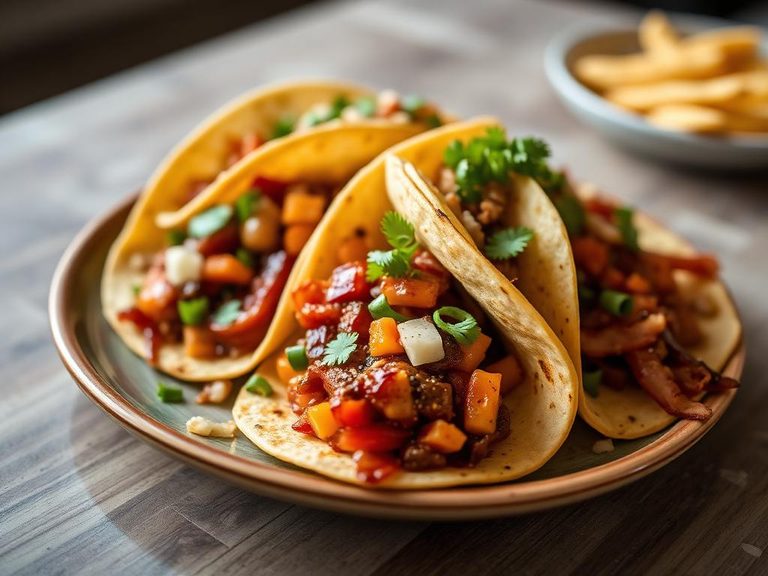
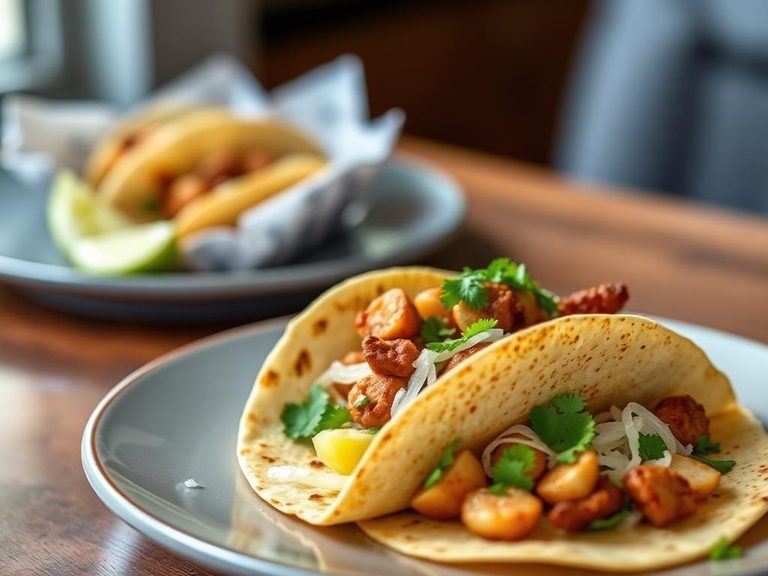
People love chorizo for its explosive, complex flavor—a perfect balance of smoky, spicy, and garlicky—that instantly elevates any dish. Its versatility is legendary, equally at home fried with eggs, simmered in stews, or stuffed into tacos.
⚠️ Watch-outs & how to enjoy it better
Its high saturated fat and sodium content can be a concern for heart health and blood pressure. To enjoy it wisely, practice strict portion control (a little goes a long way) and pair it with fiber-rich vegetables or legumes to balance the meal. Those monitoring cholesterol should limit frequency.
Key benefits
- Excellent source of high-quality protein
- Provides essential B vitamins like thiamine and niacin
- Contains minerals such as iron and zinc
- Offers a concentrated source of energy from fat
- Smoked paprika adds antioxidants like capsanthin
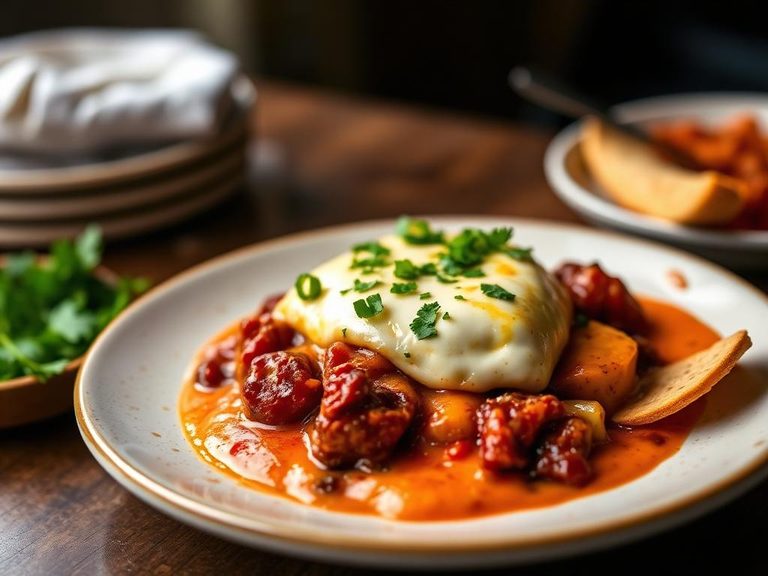
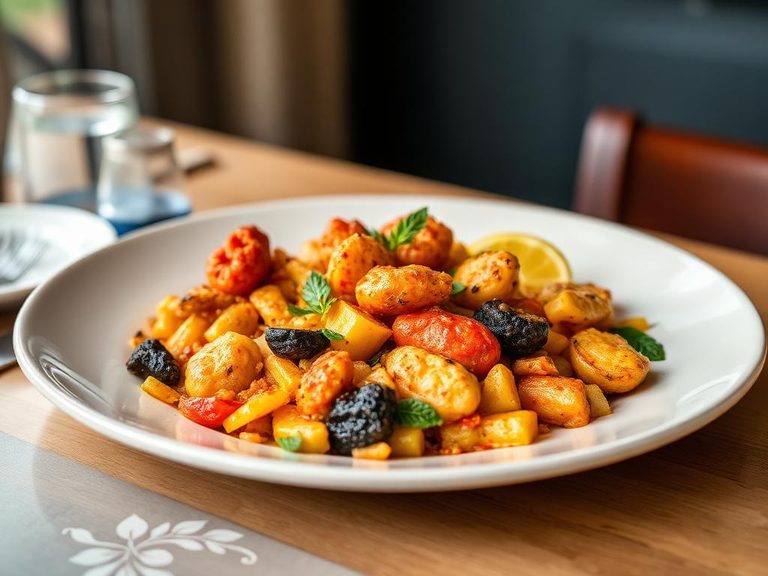
🍽️ Popular dishes

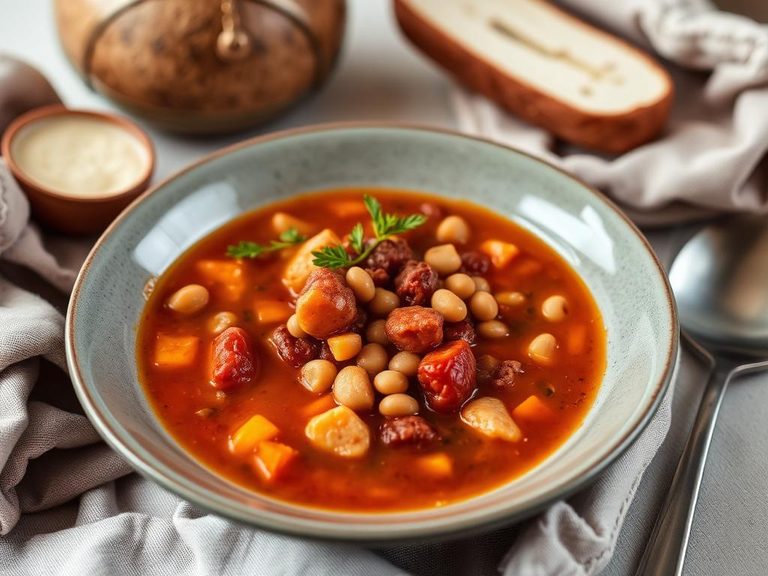
🌍 Where it's eaten
💡 Did you know?
In Spain, fresh chorizo is often cured and aged like salami, while in Mexico, the fresh, raw version is the staple, meant to be cooked before eating.
Full nutrition (USDA data · scales with serving)
| Water | 46.3 g |
| Energy | 341 kcal |
| Protein | 19.3 g |
| Total lipid (fat) | 28.1 g |
| Carbohydrate, by difference | 2.6 g |
| Fiber, total dietary | 0.00 g |
| Total Sugars | 0.00 g |
| Calcium, Ca | 37.0 mg |
| Iron, Fe | 2.3 mg |
| Magnesium, Mg | 30.0 mg |
| Phosphorus, P | 207 mg |
| Potassium, K | 435 mg |
| Sodium, Na | 983 mg |
| Zinc, Zn | 2.2 mg |
| Copper, Cu | 0.13 mg |
| Selenium, Se | 25.9 ug |
| Vitamin C, total ascorbic acid | 0.00 mg |
| Thiamin | 0.36 mg |
| Riboflavin | 0.42 mg |
| Niacin | 7.1 mg |
| Vitamin B-6 | 0.55 mg |
| Folate, total | 10.0 ug |
| Folic acid | 0.00 ug |
| Folate, food | 10.0 ug |
| Folate, DFE | 10.0 ug |
| Choline, total | 97.1 mg |
| Vitamin B-12 | 1.2 ug |
| Vitamin B-12, added | 0.00 ug |
| Vitamin A, RAE | 0.00 ug |
| Retinol | 0.00 ug |
| Carotene, beta | 0.00 ug |
| Carotene, alpha | 0.00 ug |
| Cryptoxanthin, beta | 0.00 ug |
| Lycopene | 0.00 ug |
| Lutein + zeaxanthin | 0.00 ug |
| Vitamin E (alpha-tocopherol) | 1.5 mg |
| Vitamin E, added | 0.00 mg |
| Vitamin D (D2 + D3) | 1.5 ug |
| Vitamin K (phylloquinone) | 6.0 ug |
| Alcohol, ethyl | 0.00 g |
| Caffeine | 0.00 mg |
| Theobromine | 0.00 mg |
Fat & fatty acid profile (per 100g)
| Fatty acids, total saturated | 9.4 g |
| SFA 4:0 | 0.01 g |
| SFA 6:0 | 0.00 g |
| SFA 8:0 | 0.00 g |
| SFA 10:0 | 0.02 g |
| SFA 12:0 | 0.02 g |
| SFA 14:0 | 0.35 g |
| SFA 16:0 | 5.9 g |
| SFA 18:0 | 3.0 g |
| Fatty acids, total monounsaturated | 11.7 g |
| MUFA 16:1 | 0.57 g |
| MUFA 18:1 | 10.9 g |
| MUFA 20:1 | 0.25 g |
| MUFA 22:1 | 0.01 g |
| Fatty acids, total polyunsaturated | 4.7 g |
| PUFA 18:2 | 4.2 g |
| PUFA 18:3 | 0.19 g |
| PUFA 18:4 | 0.00 g |
| PUFA 20:4 | 0.13 g |
| PUFA 20:5 n-3 (EPA) | 0.00 g |
| PUFA 22:5 n-3 (DPA) | 0.02 g |
| PUFA 22:6 n-3 (DHA) | 0.01 g |
| Cholesterol | 107 mg |
Amino acid profile (per 100g)
Estimated from Sausage, pork, chorizo, link or ground, raw — USDA does not publish this profile for Chorizo.
| Hydroxyproline | 0.01 g |
FAQ
What's the difference between Spanish and Mexican chorizo?
Spanish chorizo is typically cured and ready to eat, often sliced and used like a deli meat. Mexican chorizo is raw and fresh, sold as a ground meat mixture that must be cooked before consumption, usually crumbled in a pan.
Is chorizo gluten-free?
Many traditional chorizo recipes are naturally gluten-free, as they rely on pork, fat, spices, and vinegar. However, some commercial brands may use gluten-containing fillers or additives, so it's essential to check the label for certified gluten-free products if you have celiac disease or sensitivity.
Can I substitute chorizo in recipes?
For a similar smoky-spicy profile, you can use a mix of ground pork, smoked paprika, cayenne, garlic powder, and a splash of vinegar. For a non-pork alternative, some spicy Italian sausages or even seasoned turkey can work, though the flavor will differ.
Nutrient density (calculated · NRF9.3)
Nutrient Rich Foods index: beneficial nutrients (protein, fiber, vitamins, minerals) minus saturated fat, added sugar & sodium, per 100 kcal.
NRF9.3 index — Fulgoni, Keast & Drewnowski, 2009. Computed from USDA nutrients.
Weight-loss friendliness (composite index)
Energy density 3.41 kcal/g · 23% calories from protein · 0.0 g fiber · 0.0 g sugar per 100 g.
Composite of energy density (Rolls et al., 1999), protein & fiber satiety, minus sugar. A calculated heuristic — ranks satiety-per-calorie, not a clinical measure.
Dietary load (calculated from USDA values)
Potential renal acid load. Positive = acid-forming, negative = alkaline-forming.
Sodium-to-potassium ratio: 2.26 (lower is better — aim for ≤ 1)
Sodium:potassium per WHO potassium guidance. Computed from USDA nutrients.