

Chocolate hazelnut spread
Common food
A smooth, rich, and decadent spread blending roasted hazelnuts with cocoa and sugar into a velvety, sweet paste. It offers a luxurious, nutty-chocolate flavor with a creamy, melt-on-the-tongue texture. Nutritionally, it is very energy-dense, packing nearly 540 calories and over 50g of sugar per 100g.
Calorie split: 4% protein · 46% carbs · 50% fat
↓ Full nutrition💚 Why it's loved
People adore it for its irresistible combination of roasted nut and chocolate flavors, which is both comforting and indulgent. Its incredible versatility makes it a beloved ingredient for everything from simple toast to elaborate pastries.
⚠️ Watch-outs & how to enjoy it better
Its high sugar and calorie content can contribute to blood sugar spikes and weight gain if consumed in excess. It is also a common allergen (tree nuts, may contain milk) and is not suitable for low-sugar or low-fat diets. To counteract this, practice strict portion control (e.g., a thin scrape), pair it with protein or fiber-rich foods like whole-grain bread or apple slices to slow sugar absorption, and consider it an occasional treat.
Key benefits
- Provides quick energy from carbohydrates and fats
- Contains some plant-based protein from hazelnuts
- Source of dietary fiber, albeit modest
- Offers minerals like magnesium and iron from cocoa and nuts
🍽️ Popular dishes

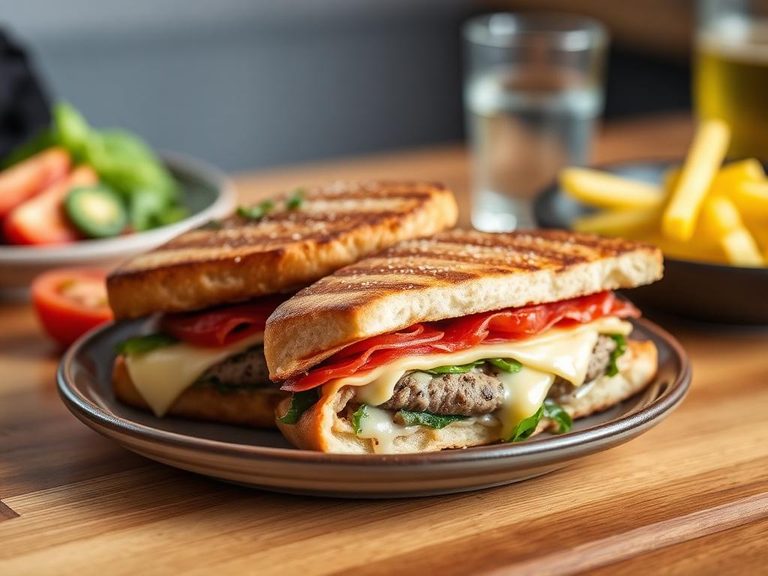



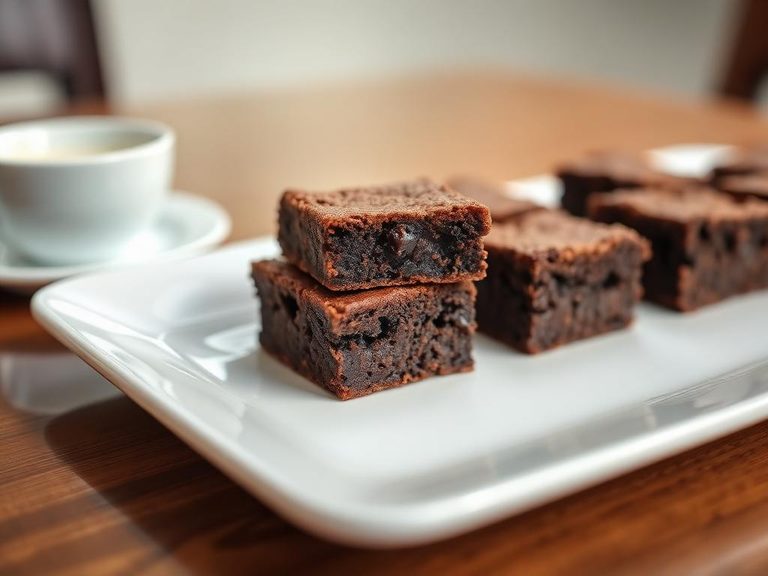
🌍 Where it's eaten
💡 Did you know?
The most famous brand, Nutella, was created in Italy in the 1960s as a response to a cocoa shortage after World War II, stretching scarce chocolate by blending it with abundant hazelnuts.
Full nutrition (USDA data · scales with serving)
| Water | 1.1 g |
| Energy | 539 kcal |
| Protein | 5.4 g |
| Total lipid (fat) | 29.7 g |
| Carbohydrate, by difference | 62.4 g |
| Fiber, total dietary | 5.4 g |
| Total Sugars | 54.0 g |
| Calcium, Ca | 108 mg |
| Iron, Fe | 4.4 mg |
| Magnesium, Mg | 64.0 mg |
| Phosphorus, P | 152 mg |
| Potassium, K | 407 mg |
| Sodium, Na | 41.0 mg |
| Zinc, Zn | 1.1 mg |
| Copper, Cu | 0.47 mg |
| Selenium, Se | 3.6 ug |
| Vitamin C, total ascorbic acid | 0.00 mg |
| Thiamin | 0.09 mg |
| Riboflavin | 0.17 mg |
| Niacin | 0.43 mg |
| Vitamin B-6 | 0.08 mg |
| Folate, total | 14.0 ug |
| Folic acid | 0.00 ug |
| Folate, food | 14.0 ug |
| Folate, DFE | 14.0 ug |
| Choline, total | 17.6 mg |
| Vitamin B-12 | 0.27 ug |
| Vitamin B-12, added | 0.00 ug |
| Vitamin A, RAE | 1.0 ug |
| Retinol | 0.00 ug |
| Carotene, beta | 1.0 ug |
| Carotene, alpha | 0.00 ug |
| Cryptoxanthin, beta | 0.00 ug |
| Lycopene | 0.00 ug |
| Lutein + zeaxanthin | 10.0 ug |
| Vitamin E (alpha-tocopherol) | 5.0 mg |
| Vitamin E, added | 0.00 mg |
| Vitamin D (D2 + D3) | 0.00 ug |
| Vitamin K (phylloquinone) | 1.9 ug |
| Alcohol, ethyl | 0.00 g |
| Caffeine | 7.0 mg |
| Theobromine | 230 mg |
Fat & fatty acid profile (per 100g)
| Fatty acids, total saturated | 28.4 g |
| SFA 4:0 | 0.01 g |
| SFA 6:0 | 0.00 g |
| SFA 8:0 | 0.00 g |
| SFA 10:0 | 0.01 g |
| SFA 12:0 | 0.01 g |
| SFA 14:0 | 0.17 g |
| SFA 16:0 | 15.9 g |
| SFA 18:0 | 5.6 g |
| Fatty acids, total monounsaturated | 0.00 g |
| MUFA 16:1 | 0.00 g |
| MUFA 18:1 | 0.00 g |
| MUFA 20:1 | 0.00 g |
| MUFA 22:1 | 0.00 g |
| Fatty acids, total polyunsaturated | 0.00 g |
| PUFA 18:2 | 0.00 g |
| PUFA 18:3 | 0.00 g |
| PUFA 18:4 | 0.00 g |
| PUFA 20:4 | 0.00 g |
| PUFA 20:5 n-3 (EPA) | 0.00 g |
| PUFA 22:5 n-3 (DPA) | 0.00 g |
| PUFA 22:6 n-3 (DHA) | 0.00 g |
| Cholesterol | 0.00 mg |
FAQ
Is chocolate hazelnut spread vegan?
Most commercial brands are not vegan as they typically contain skim milk powder. However, some specialty or homemade versions use plant-based milk alternatives.
How should I store it after opening?
Store it in a cool, dry place like a pantry. Refrigeration is not necessary and can make the spread harder and less spreadable, though it will extend its shelf life.
Can I use it in baking?
Absolutely. It's excellent as a filling for cakes and pastries, swirled into brownie batter, or melted into a glaze for cookies and donuts.
Nutrient density (calculated · NRF9.3)
Nutrient Rich Foods index: beneficial nutrients (protein, fiber, vitamins, minerals) minus saturated fat, added sugar & sodium, per 100 kcal.
NRF9.3 index — Fulgoni, Keast & Drewnowski, 2009. Computed from USDA nutrients.
Weight-loss friendliness (composite index)
Energy density 5.39 kcal/g · 4% calories from protein · 5.4 g fiber · 54.0 g sugar per 100 g.
Composite of energy density (Rolls et al., 1999), protein & fiber satiety, minus sugar. A calculated heuristic — ranks satiety-per-calorie, not a clinical measure.
Dietary load (calculated from USDA values)
Potential renal acid load. Positive = acid-forming, negative = alkaline-forming.
Sodium-to-potassium ratio: 0.10 (lower is better — aim for ≤ 1)
Sodium:potassium per WHO potassium guidance. Computed from USDA nutrients.