

Cactus, cooked, fat added
Common food

Photo: Wikipedia
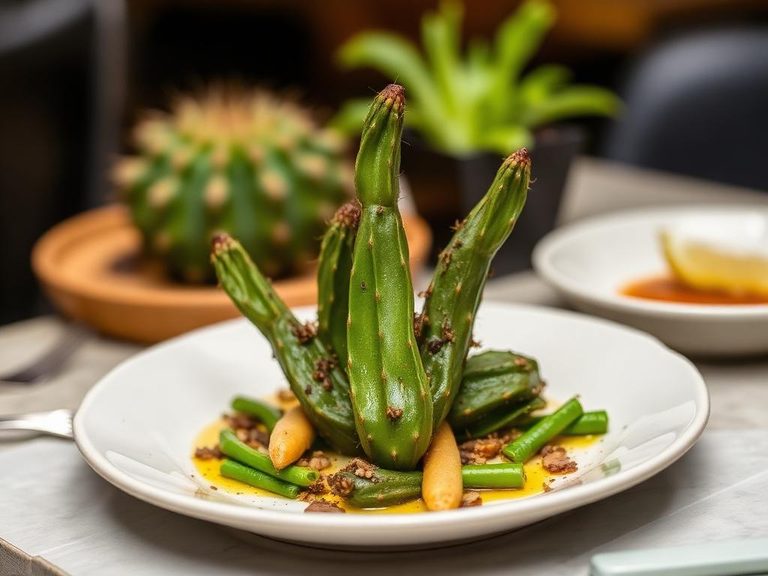
Cooked cactus, often the pads of the prickly pear (nopales), has a tender-crisp texture and a mild, slightly tart flavor reminiscent of green beans or asparagus. At just 38 calories per 100g, it's a low-calorie, high-fiber vegetable that adds a unique, earthy element to dishes. The addition of fat in its preparation helps carry its fat-soluble vitamins and adds a richer mouthfeel.
Calorie split: 12% protein · 31% carbs · 57% fat
↓ Full nutrition💚 Why it's loved
People love cactus for its satisfying, crunchy texture and its ability to absorb the flavors of spices and sauces it's cooked with. It's a beloved staple in Mexican and Southwestern cuisine, valued for its versatility in everything from salads to tacos.
⚠️ Watch-outs & how to enjoy it better
The mucilaginous (slimy) texture can be off-putting to some; this can be minimized by boiling or grilling the pads before adding them to dishes. Those with kidney issues should be mindful of its oxalate content, and pairing it with a source of calcium (like cheese) can help mitigate this.
Key benefits
- Excellent source of dietary fiber (2.1g per 100g) for digestive health.
- Very low in calories, making it ideal for weight management.
- Contains mucilage, a soluble fiber that may help regulate blood sugar levels.
- Provides antioxidants like vitamin C and flavonoids.
- A good source of minerals such as magnesium and potassium.
🍽️ Popular dishes
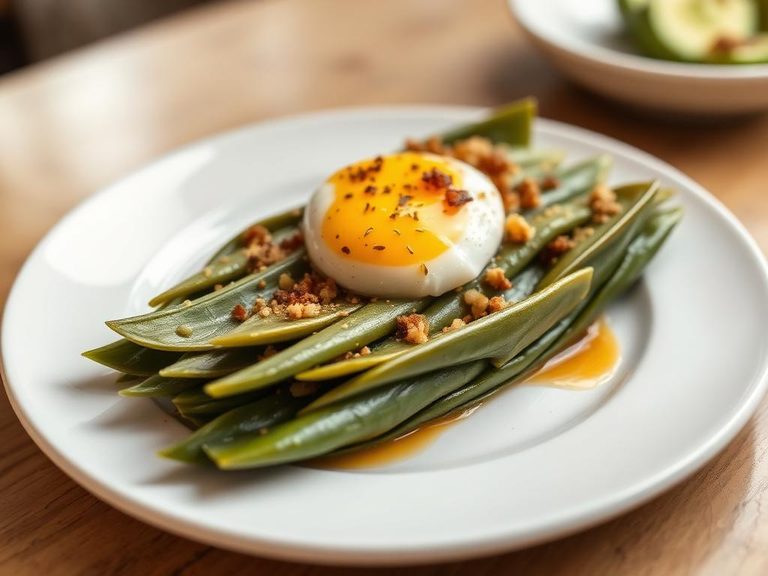
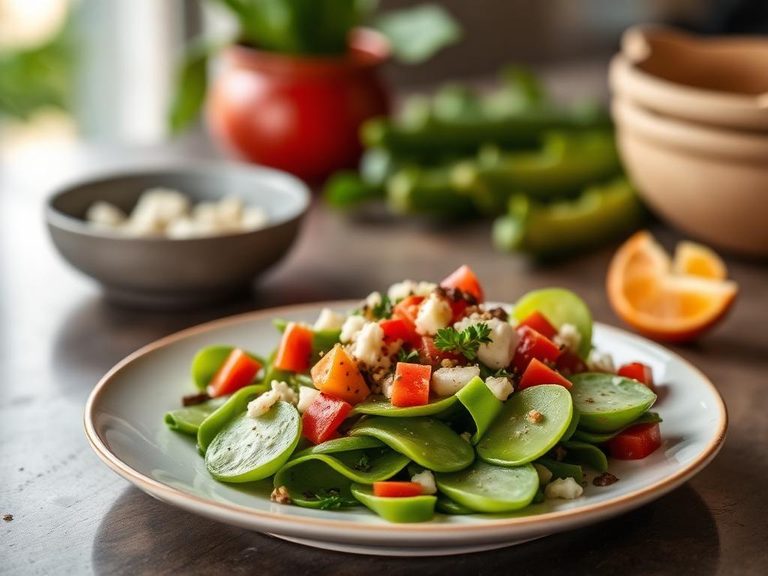
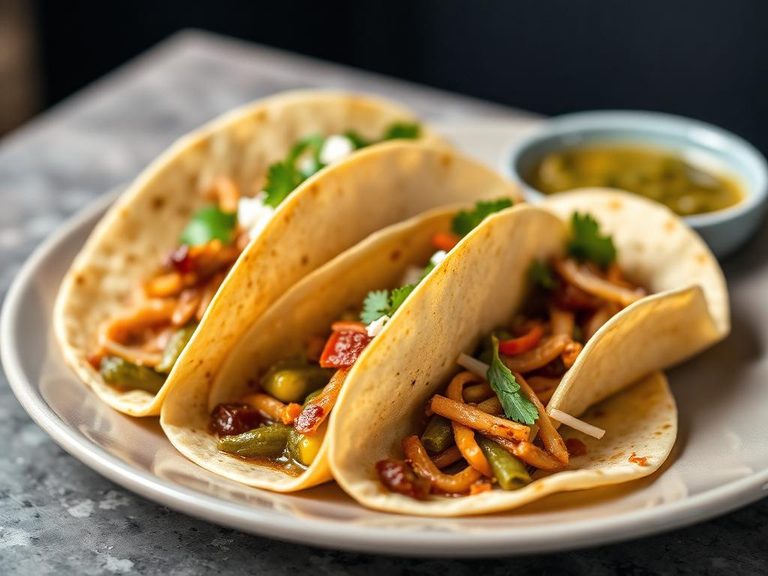
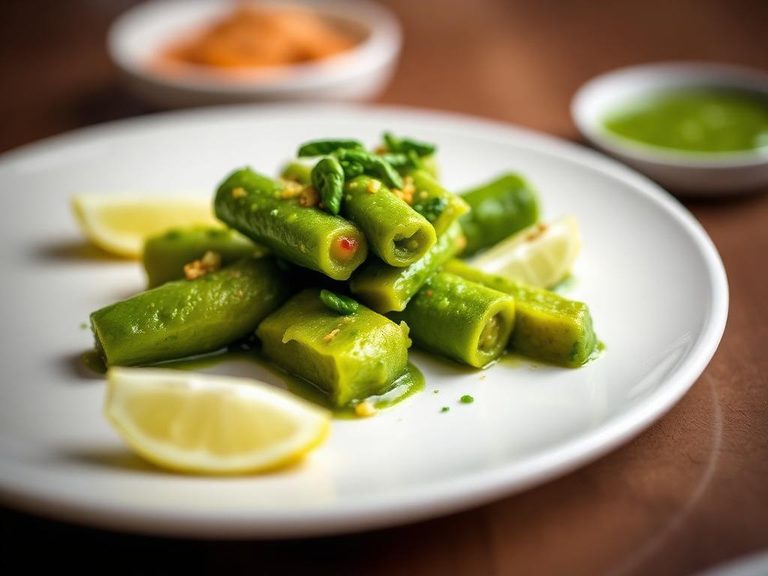
🌍 Where it's eaten
💡 Did you know?
The prickly pear cactus (Opuntia) is the only plant to be used as both a food source and a host for the cochineal insect, which produces a vibrant red dye used for centuries.
Full nutrition (USDA data · scales with serving)
| Water | 91.4 g |
| Energy | 38.0 kcal |
| Protein | 1.3 g |
| Total lipid (fat) | 2.6 g |
| Carbohydrate, by difference | 3.2 g |
| Fiber, total dietary | 2.1 g |
| Total Sugars | 1.1 g |
| Calcium, Ca | 159 mg |
| Iron, Fe | 0.57 mg |
| Magnesium, Mg | 50.0 mg |
| Phosphorus, P | 16.0 mg |
| Potassium, K | 249 mg |
| Sodium, Na | 141 mg |
| Zinc, Zn | 0.24 mg |
| Copper, Cu | 0.05 mg |
| Selenium, Se | 0.70 ug |
| Vitamin C, total ascorbic acid | 7.7 mg |
| Thiamin | 0.01 mg |
| Riboflavin | 0.04 mg |
| Niacin | 0.38 mg |
| Vitamin B-6 | 0.08 mg |
| Folate, total | 3.0 ug |
| Folic acid | 0.00 ug |
| Folate, food | 3.0 ug |
| Folate, DFE | 3.0 ug |
| Choline, total | 7.3 mg |
| Vitamin B-12 | 0.00 ug |
| Vitamin B-12, added | 0.00 ug |
| Vitamin A, RAE | 33.0 ug |
| Retinol | 11.0 ug |
| Carotene, beta | 235 ug |
| Carotene, alpha | 44.0 ug |
| Cryptoxanthin, beta | 0.00 ug |
| Lycopene | 0.00 ug |
| Lutein + zeaxanthin | 0.00 ug |
| Vitamin E (alpha-tocopherol) | 0.38 mg |
| Vitamin E, added | 0.00 mg |
| Vitamin D (D2 + D3) | 0.00 ug |
| Vitamin K (phylloquinone) | 7.2 ug |
| Alcohol, ethyl | 0.00 g |
| Caffeine | 0.00 mg |
| Theobromine | 0.00 mg |
Fat & fatty acid profile (per 100g)
| Fatty acids, total saturated | 0.68 g |
| SFA 4:0 | 0.02 g |
| SFA 6:0 | 0.01 g |
| SFA 8:0 | 0.01 g |
| SFA 10:0 | 0.02 g |
| SFA 12:0 | 0.02 g |
| SFA 14:0 | 0.06 g |
| SFA 16:0 | 0.38 g |
| SFA 18:0 | 0.14 g |
| Fatty acids, total monounsaturated | 0.92 g |
| MUFA 16:1 | 0.02 g |
| MUFA 18:1 | 0.89 g |
| MUFA 20:1 | 0.01 g |
| MUFA 22:1 | 0.00 g |
| Fatty acids, total polyunsaturated | 0.78 g |
| PUFA 18:2 | 0.69 g |
| PUFA 18:3 | 0.09 g |
| PUFA 18:4 | 0.00 g |
| PUFA 20:4 | 0.00 g |
| PUFA 20:5 n-3 (EPA) | 0.00 g |
| PUFA 22:5 n-3 (DPA) | 0.00 g |
| PUFA 22:6 n-3 (DHA) | 0.00 g |
| Cholesterol | 2.0 mg |
FAQ
How do I prepare fresh cactus pads?
Wear gloves to handle the pads, as they have tiny, hair-like spines (glochids). Use a knife to scrape off the spines and trim the edges. Slice or dice as needed, then boil or grill to reduce the slimy texture before adding to your dish.
Is cooked cactus good for blood sugar?
Yes, its high fiber and mucilage content may help slow sugar absorption, making it a potentially beneficial food for blood sugar management when part of a balanced diet.
What does cooked cactus taste like?
It has a mild, slightly tart flavor, often compared to green beans or asparagus, with a texture that can range from tender-crisp to soft depending on cooking time.
Nutrient density (calculated · NRF9.3)
Nutrient Rich Foods index: beneficial nutrients (protein, fiber, vitamins, minerals) minus saturated fat, added sugar & sodium, per 100 kcal.
NRF9.3 index — Fulgoni, Keast & Drewnowski, 2009. Computed from USDA nutrients.
Weight-loss friendliness (composite index)
Energy density 0.38 kcal/g · 14% calories from protein · 2.1 g fiber · 1.1 g sugar per 100 g.
Composite of energy density (Rolls et al., 1999), protein & fiber satiety, minus sugar. A calculated heuristic — ranks satiety-per-calorie, not a clinical measure.
Dietary load (calculated from USDA values)
Potential renal acid load. Positive = acid-forming, negative = alkaline-forming.
Sodium-to-potassium ratio: 0.57 (lower is better — aim for ≤ 1)
Sodium:potassium per WHO potassium guidance. Computed from USDA nutrients.