

Cactus, cooked, no added fat
Common food

Photo: Wikipedia
Cooked cactus, often the tender pads of the prickly pear cactus (nopales), has a unique texture reminiscent of green beans or asparagus, with a mild, slightly tart flavor. It's a remarkably low-calorie, high-fiber ingredient that adds a satisfying crunch and subtle vegetal note to dishes. Its standout nutritional feature is its exceptional fiber content, which aids digestion and promotes satiety.
Calorie split: 27% protein · 69% carbs · 4% fat
↓ Full nutrition💚 Why it's loved
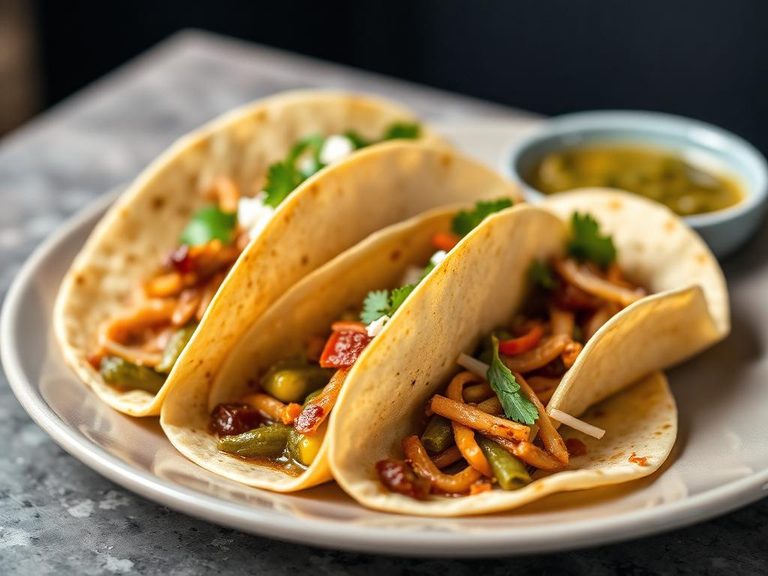
People love it for its versatile, mild flavor that readily absorbs spices and sauces, and its satisfying, crisp-tender texture. It's a beloved staple in Mexican cuisine, celebrated for its ability to add bulk and nutrition to everything from tacos to eggs without overpowering other ingredients.
⚠️ Watch-outs & how to enjoy it better
Some may be cautious of its natural oxalate content, which can be a concern for individuals prone to certain kidney stones. To mitigate this, ensure it's thoroughly cooked (boiling and changing the water can reduce oxalates) and maintain good hydration. Its mild tartness can also be off-putting if not balanced with other flavors.
Key benefits
- Excellent source of dietary fiber (2.2g per 100g).
- Very low in calories (16 kcal per 100g).
- Contains beneficial antioxidants like betalains and flavonoids.
- May support healthy blood sugar levels due to its fiber and pectin content.
- A good source of minerals like magnesium and potassium.
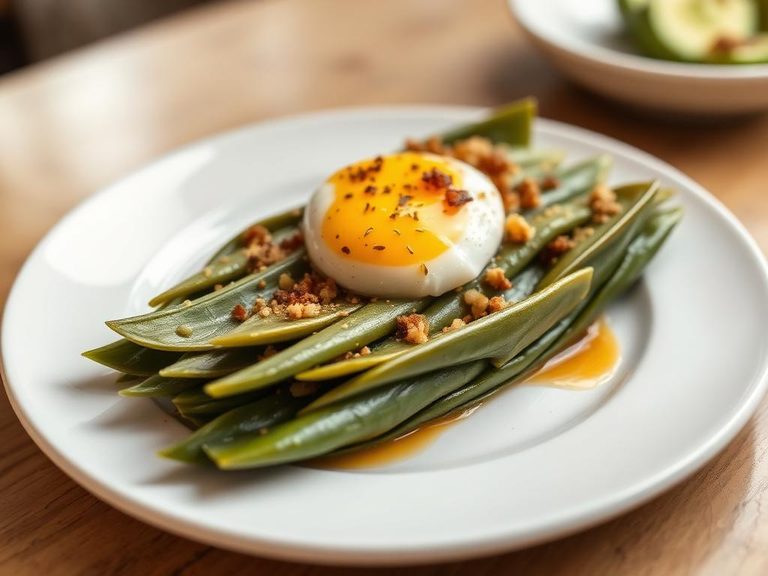
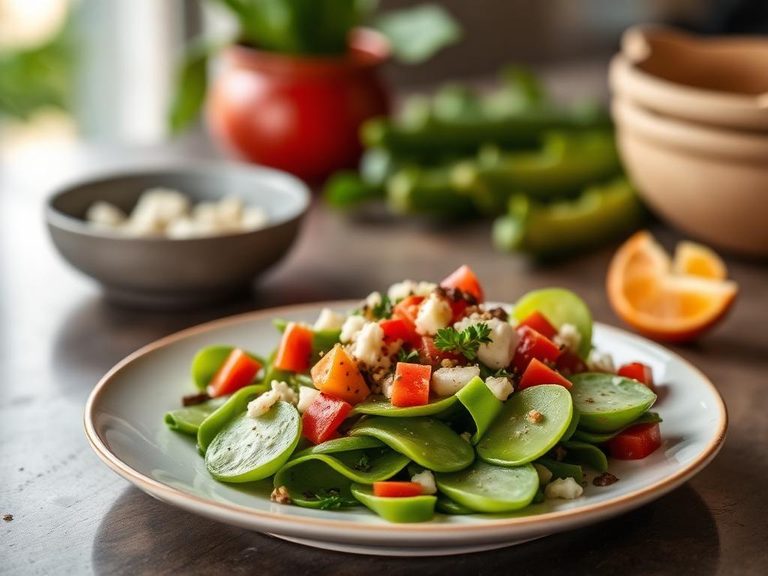
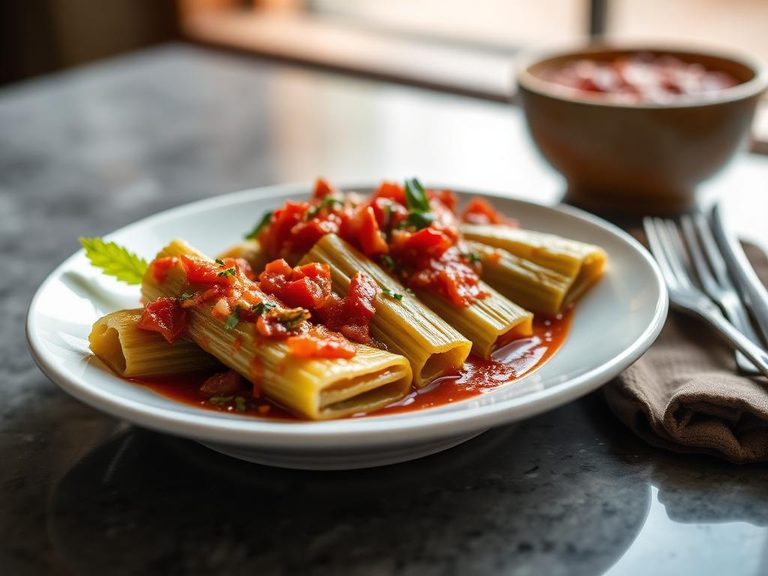
🍽️ Popular dishes
🌍 Where it's eaten
💡 Did you know?
The prickly pear cactus is a succulent, meaning it stores water in its pads, which is why it can thrive in arid deserts and why its cooked texture can be juicy.
Full nutrition (USDA data · scales with serving)
| Water | 93.8 g |
| Energy | 16.0 kcal |
| Protein | 1.3 g |
| Total lipid (fat) | 0.09 g |
| Carbohydrate, by difference | 3.3 g |
| Fiber, total dietary | 2.2 g |
| Total Sugars | 1.1 g |
| Calcium, Ca | 164 mg |
| Iron, Fe | 0.59 mg |
| Magnesium, Mg | 52.0 mg |
| Phosphorus, P | 16.0 mg |
| Potassium, K | 256 mg |
| Sodium, Na | 137 mg |
| Zinc, Zn | 0.25 mg |
| Copper, Cu | 0.05 mg |
| Selenium, Se | 0.70 ug |
| Vitamin C, total ascorbic acid | 7.9 mg |
| Thiamin | 0.01 mg |
| Riboflavin | 0.04 mg |
| Niacin | 0.39 mg |
| Vitamin B-6 | 0.06 mg |
| Folate, total | 3.0 ug |
| Folic acid | 0.00 ug |
| Folate, food | 3.0 ug |
| Folate, DFE | 3.0 ug |
| Choline, total | 7.3 mg |
| Vitamin B-12 | 0.00 ug |
| Vitamin B-12, added | 0.00 ug |
| Vitamin A, RAE | 22.0 ug |
| Retinol | 0.00 ug |
| Carotene, beta | 237 ug |
| Carotene, alpha | 45.0 ug |
| Cryptoxanthin, beta | 0.00 ug |
| Lycopene | 0.00 ug |
| Lutein + zeaxanthin | 0.00 ug |
| Vitamin E (alpha-tocopherol) | 0.00 mg |
| Vitamin E, added | 0.00 mg |
| Vitamin D (D2 + D3) | 0.00 ug |
| Vitamin K (phylloquinone) | 5.3 ug |
| Alcohol, ethyl | 0.00 g |
| Caffeine | 0.00 mg |
| Theobromine | 0.00 mg |
Fat & fatty acid profile (per 100g)
| Fatty acids, total saturated | 0.02 g |
| SFA 4:0 | 0.00 g |
| SFA 6:0 | 0.00 g |
| SFA 8:0 | 0.00 g |
| SFA 10:0 | 0.00 g |
| SFA 12:0 | 0.00 g |
| SFA 14:0 | 0.00 g |
| SFA 16:0 | 0.01 g |
| SFA 18:0 | 0.00 g |
| Fatty acids, total monounsaturated | 0.02 g |
| MUFA 16:1 | 0.00 g |
| MUFA 18:1 | 0.02 g |
| MUFA 20:1 | 0.00 g |
| MUFA 22:1 | 0.00 g |
| Fatty acids, total polyunsaturated | 0.05 g |
| PUFA 18:2 | 0.04 g |
| PUFA 18:3 | 0.01 g |
| PUFA 18:4 | 0.00 g |
| PUFA 20:4 | 0.00 g |
| PUFA 20:5 n-3 (EPA) | 0.00 g |
| PUFA 22:5 n-3 (DPA) | 0.00 g |
| PUFA 22:6 n-3 (DHA) | 0.00 g |
| Cholesterol | 0.00 mg |
FAQ
How do I prepare fresh cactus pads?
Wash them, then use a knife or vegetable peeler to carefully remove all spines and the tough outer skin. Slice into strips or cubes. To reduce slime and tartness, boil in salted water for 10-15 minutes, drain, and rinse before using.
What does cooked cactus taste like?
It has a very mild, slightly tart or citrusy flavor, often compared to green beans, asparagus, or okra. The texture is crisp-tender when cooked properly.
Is cactus a good food for weight management?
Yes, it's an excellent choice. It's extremely low in calories and high in fiber, which helps you feel full and satisfied, making it a great volume food for adding bulk to meals without significant calories.
Nutrient density (calculated · NRF9.3)
Nutrient Rich Foods index: beneficial nutrients (protein, fiber, vitamins, minerals) minus saturated fat, added sugar & sodium, per 100 kcal.
NRF9.3 index — Fulgoni, Keast & Drewnowski, 2009. Computed from USDA nutrients.
Weight-loss friendliness (composite index)
Energy density 0.16 kcal/g · 33% calories from protein · 2.2 g fiber · 1.1 g sugar per 100 g.
Composite of energy density (Rolls et al., 1999), protein & fiber satiety, minus sugar. A calculated heuristic — ranks satiety-per-calorie, not a clinical measure.
Dietary load (calculated from USDA values)
Potential renal acid load. Positive = acid-forming, negative = alkaline-forming.
Sodium-to-potassium ratio: 0.54 (lower is better — aim for ≤ 1)
Sodium:potassium per WHO potassium guidance. Computed from USDA nutrients.