

Cactus, raw
Common food

Photo: Wikipedia
Prickly pear cactus pads, known as nopales, are the flattened, oval-shaped stems of the Opuntia cactus. They offer a crisp, slightly tart flavor reminiscent of green beans or asparagus, with a texture that softens to a tender, mucilory consistency when cooked. Nutritionally, they are a standout source of dietary fiber and are exceptionally low in calories.
Calorie split: 27% protein · 69% carbs · 4% fat
↓ Full nutrition💚 Why it's loved
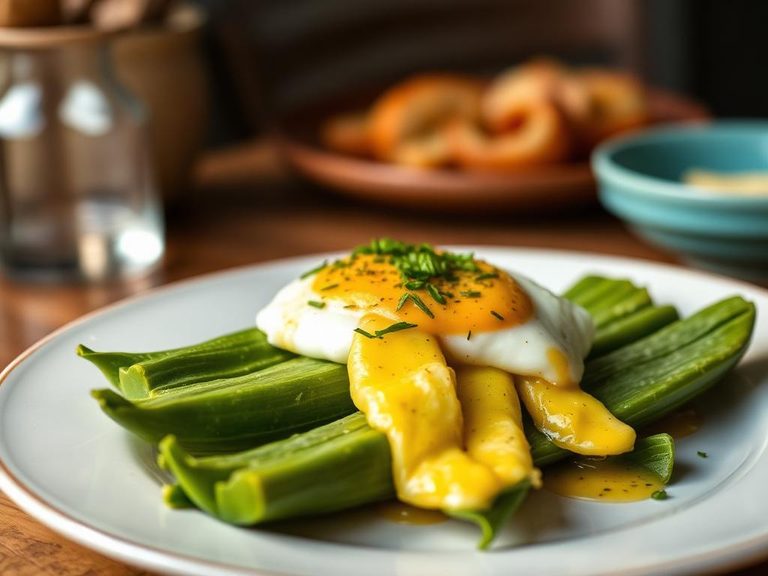
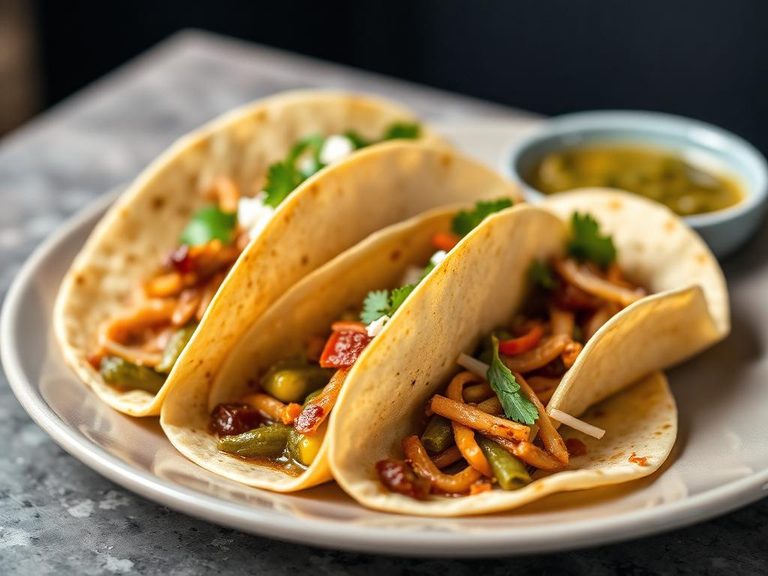
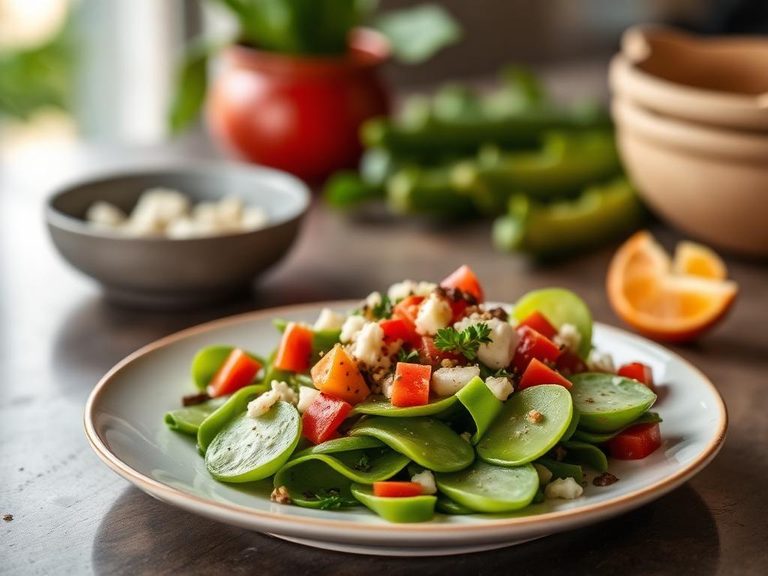
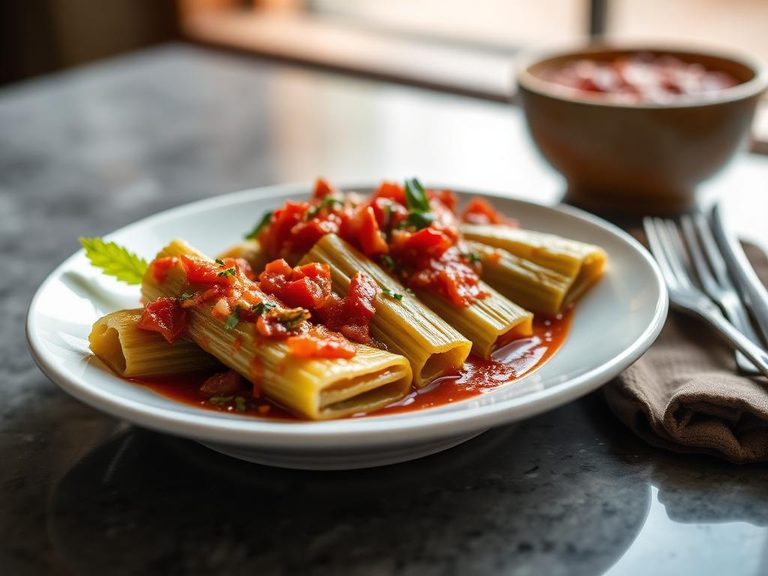
People love nopales for their unique, fresh taste that brightens dishes and their incredible versatility—they can be grilled, boiled, sautéed, or blended into salsas and smoothies. They are a beloved staple in Mexican cuisine, celebrated for both their flavor and cultural significance.
⚠️ Watch-outs & how to enjoy it better
The raw pads contain a sticky, viscous sap (mucilage) that some find off-putting in texture. They also contain oxalates, which can contribute to kidney stone formation in susceptible individuals. To counteract, always cook the pads (boiling or grilling reduces mucilage) and pair them with calcium-rich foods like cheese or beans, which can bind oxalates in the digestive tract.
Key benefits
- Excellent source of dietary fiber (2.2g per 100g)
- Very low in calories (16 kcal per 100g)
- Contains antioxidants like betalains and flavonoids
- Good source of vitamin C and magnesium
- May support healthy blood sugar levels
🍽️ Popular dishes
🌍 Where it's eaten
💡 Did you know?
The mucilage from cactus pads is used as a natural food thickener and stabilizer in some products, and it's also the key ingredient in a traditional Mexican candy called 'ate de nopal'.
Full nutrition (USDA data · scales with serving)
| Water | 94.1 g |
| Energy | 16.0 kcal |
| Protein | 1.3 g |
| Total lipid (fat) | 0.09 g |
| Carbohydrate, by difference | 3.3 g |
| Fiber, total dietary | 2.2 g |
| Total Sugars | 1.1 g |
| Calcium, Ca | 164 mg |
| Iron, Fe | 0.59 mg |
| Magnesium, Mg | 52.0 mg |
| Phosphorus, P | 16.0 mg |
| Potassium, K | 257 mg |
| Sodium, Na | 21.0 mg |
| Zinc, Zn | 0.25 mg |
| Copper, Cu | 0.05 mg |
| Selenium, Se | 0.70 ug |
| Vitamin C, total ascorbic acid | 9.3 mg |
| Thiamin | 0.01 mg |
| Riboflavin | 0.04 mg |
| Niacin | 0.41 mg |
| Vitamin B-6 | 0.07 mg |
| Folate, total | 3.0 ug |
| Folic acid | 0.00 ug |
| Folate, food | 3.0 ug |
| Folate, DFE | 3.0 ug |
| Choline, total | 7.3 mg |
| Vitamin B-12 | 0.00 ug |
| Vitamin B-12, added | 0.00 ug |
| Vitamin A, RAE | 23.0 ug |
| Retinol | 0.00 ug |
| Carotene, beta | 250 ug |
| Carotene, alpha | 48.0 ug |
| Cryptoxanthin, beta | 0.00 ug |
| Lycopene | 0.00 ug |
| Lutein + zeaxanthin | 0.00 ug |
| Vitamin E (alpha-tocopherol) | 0.00 mg |
| Vitamin E, added | 0.00 mg |
| Vitamin D (D2 + D3) | 0.00 ug |
| Vitamin K (phylloquinone) | 5.3 ug |
| Alcohol, ethyl | 0.00 g |
| Caffeine | 0.00 mg |
| Theobromine | 0.00 mg |
Fat & fatty acid profile (per 100g)
| Fatty acids, total saturated | 0.02 g |
| SFA 4:0 | 0.00 g |
| SFA 6:0 | 0.00 g |
| SFA 8:0 | 0.00 g |
| SFA 10:0 | 0.00 g |
| SFA 12:0 | 0.00 g |
| SFA 14:0 | 0.00 g |
| SFA 16:0 | 0.01 g |
| SFA 18:0 | 0.00 g |
| Fatty acids, total monounsaturated | 0.02 g |
| MUFA 16:1 | 0.00 g |
| MUFA 18:1 | 0.02 g |
| MUFA 20:1 | 0.00 g |
| MUFA 22:1 | 0.00 g |
| Fatty acids, total polyunsaturated | 0.05 g |
| PUFA 18:2 | 0.04 g |
| PUFA 18:3 | 0.01 g |
| PUFA 18:4 | 0.00 g |
| PUFA 20:4 | 0.00 g |
| PUFA 20:5 n-3 (EPA) | 0.00 g |
| PUFA 22:5 n-3 (DPA) | 0.00 g |
| PUFA 22:6 n-3 (DHA) | 0.00 g |
| Cholesterol | 0.00 mg |
FAQ
How do I prepare raw cactus pads to remove the spines and sap?
Use a sharp knife or vegetable peeler to thoroughly remove all spines and bumps. Then, slice the pad and boil it in water for 10-15 minutes (often with a pinch of salt or baking soda) to reduce the slimy mucilage. Rinse well before using.
Are cactus pads the same as cactus fruit (prickly pear)?
No. The pads (nopales) are the stems of the cactus, while the fruit (tuna or prickly pear) is the sweet, oval-shaped berry that grows on the edges of the pads. They are used in very different culinary applications.
Can I eat cactus pads raw?
Yes, they can be used raw in salads after being thoroughly cleaned of spines and often marinated or salted to draw out moisture and reduce some of the slime. However, cooking is more common to improve texture and digestibility.
Nutrient density (calculated · NRF9.3)
Nutrient Rich Foods index: beneficial nutrients (protein, fiber, vitamins, minerals) minus saturated fat, added sugar & sodium, per 100 kcal.
NRF9.3 index — Fulgoni, Keast & Drewnowski, 2009. Computed from USDA nutrients.
Weight-loss friendliness (composite index)
Energy density 0.16 kcal/g · 33% calories from protein · 2.2 g fiber · 1.1 g sugar per 100 g.
Composite of energy density (Rolls et al., 1999), protein & fiber satiety, minus sugar. A calculated heuristic — ranks satiety-per-calorie, not a clinical measure.
Dietary load (calculated from USDA values)
Potential renal acid load. Positive = acid-forming, negative = alkaline-forming.
Sodium-to-potassium ratio: 0.08 (lower is better — aim for ≤ 1)
Sodium:potassium per WHO potassium guidance. Computed from USDA nutrients.