

Breadsticks, soft, NFS
Common food

Photo: Wikipedia
Soft breadsticks are a pliant, pillowy bread product with a mild, yeasty flavor and a tender, chewy crumb, often lightly salted on the exterior. Nutritionally, they provide a substantial energy source with 342 kcal per 100g, primarily from carbohydrates (44.39g) and a notable protein content (12.18g), making them more filling than many plain crackers. Their soft texture and balanced macronutrient profile make them a versatile accompaniment to soups, salads, and dips.
Calorie split: 14% protein · 52% carbs · 34% fat
↓ Full nutrition💚 Why it's loved
People love soft breadsticks for their comforting, neutral flavor and satisfyingly chewy texture that complements a wide range of dishes without overpowering them. They are a beloved staple in many cuisines, often served as a simple, shareable appetizer or a hearty side that evokes a sense of home-style baking.
⚠️ Watch-outs & how to enjoy it better
The high carbohydrate content (44.39g per 100g) can lead to rapid blood-sugar spikes, especially when consumed alone, making them less ideal for those managing diabetes. To counteract this, pair them with protein-rich foods like hummus, cheese, or a lean meat, and practice portion control by limiting intake to one or two sticks per meal. Additionally, some varieties may contain common allergens like wheat (gluten) or be high in sodium; always check labels and consider pairing with potassium-rich foods to balance sodium intake.
Key benefits
- Provides a quick source of energy from complex carbohydrates.
- Offers a good amount of plant-based protein per serving.
- Contains dietary fiber (2.4g) to support digestive health.
- Low in sugar (1.11g), making it a less sweet bread option.
- Versatile base for both savory and sweet pairings.
🍽️ Popular dishes
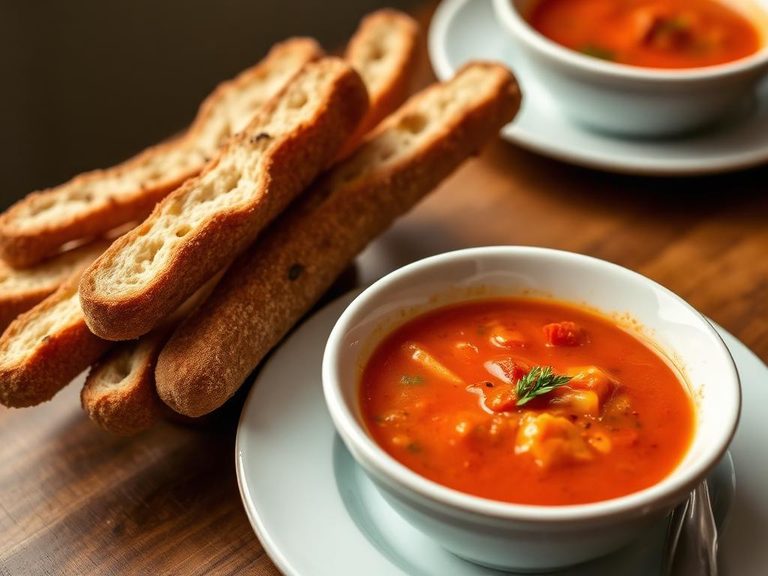 Breadstick and Soup Pairing (e.g., with Minestrone or Tomato Bisque)
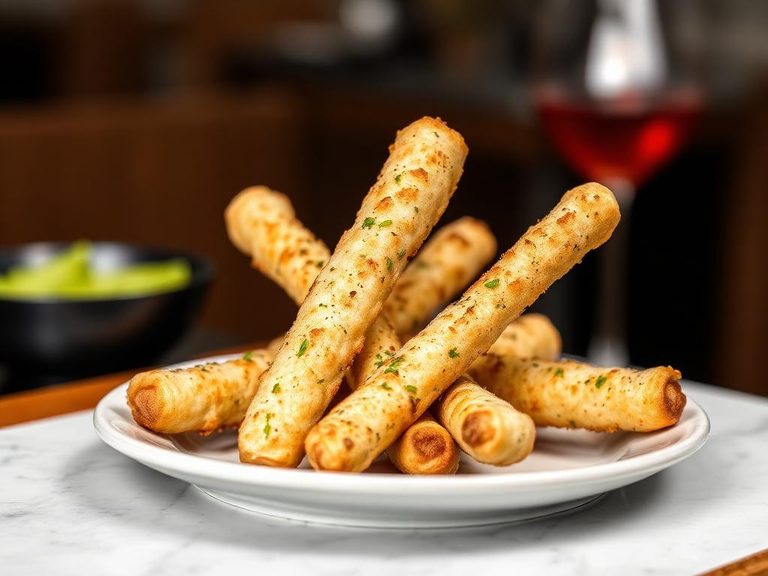 Garlic Breadsticks (often served with Italian-American dishes)
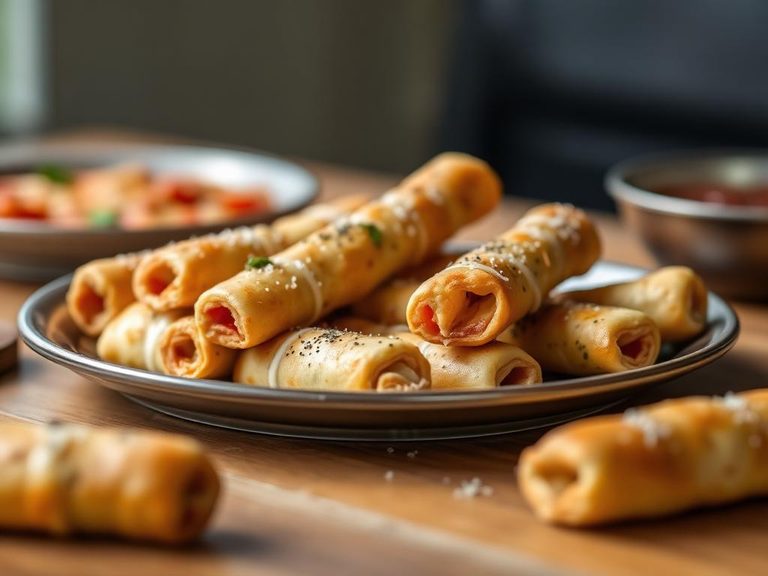 Breadstick Pizza Rolls (a popular snack or appetizer)
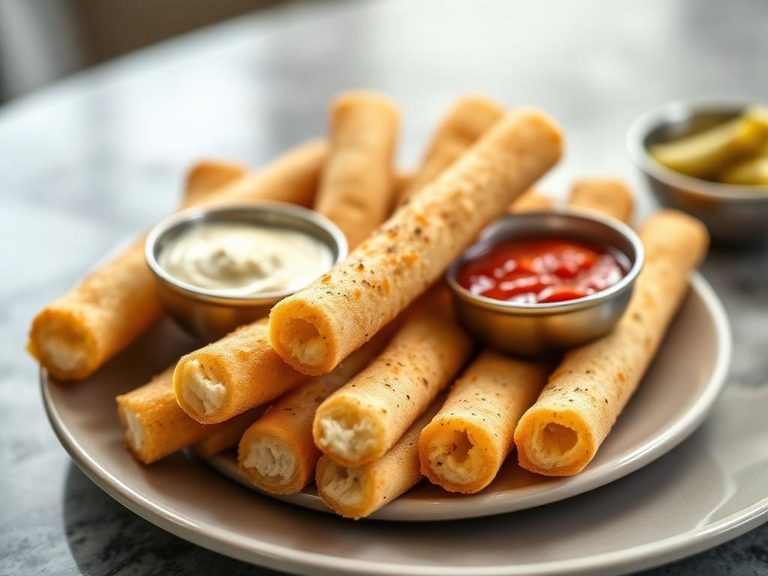 Soft Breadsticks with Dipping Sauces (e.g., marinara, pesto, or cheese dip)
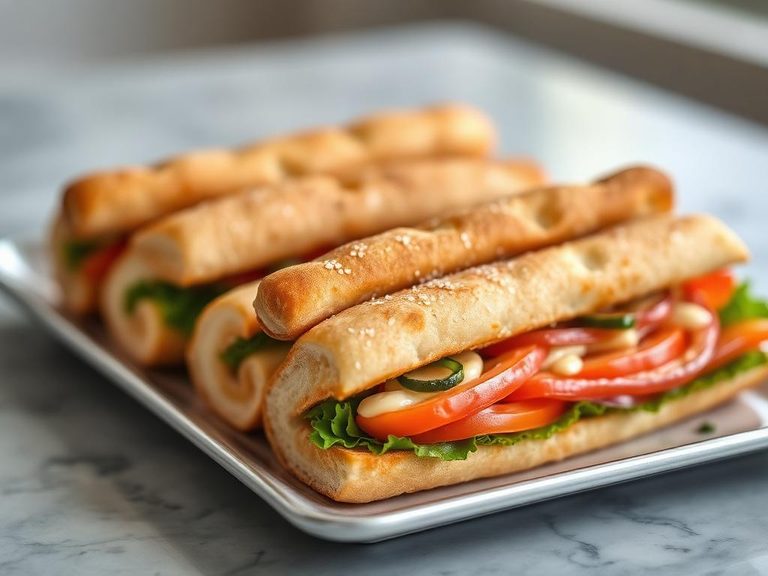 Breadstick Sandwiches (using them as a bun for fillings like turkey or cheese)
🌍 Where it's eaten
💡 Did you know?
The soft breadstick, known as 'grissini' in Italy, was originally created in the 14th century as a way to preserve bread and was later popularized in Turin as a crunchy, dry stick, but the soft, pillowy version we know today is a more modern, Americanized adaptation.
Full nutrition (USDA data · scales with serving)
| Water | 28.3 g |
| Energy | 342 kcal |
| Protein | 12.2 g |
| Total lipid (fat) | 12.8 g |
| Carbohydrate, by difference | 44.4 g |
| Fiber, total dietary | 2.4 g |
| Total Sugars | 1.1 g |
| Calcium, Ca | 87.0 mg |
| Iron, Fe | 4.6 mg |
| Magnesium, Mg | 22.0 mg |
| Phosphorus, P | 129 mg |
| Potassium, K | 132 mg |
| Sodium, Na | 615 mg |
| Zinc, Zn | 1.0 mg |
| Copper, Cu | 0.11 mg |
| Selenium, Se | 22.0 ug |
| Vitamin C, total ascorbic acid | 0.00 mg |
| Thiamin | 0.49 mg |
| Riboflavin | 0.56 mg |
| Niacin | 7.1 mg |
| Vitamin B-6 | 0.10 mg |
| Folate, total | 147 ug |
| Folic acid | 123 ug |
| Folate, food | 24.0 ug |
| Folate, DFE | 233 ug |
| Choline, total | 7.5 mg |
| Vitamin B-12 | 0.13 ug |
| Vitamin B-12, added | 0.00 ug |
| Vitamin A, RAE | 24.0 ug |
| Retinol | 23.0 ug |
| Carotene, beta | 7.0 ug |
| Carotene, alpha | 0.00 ug |
| Cryptoxanthin, beta | 0.00 ug |
| Lycopene | 0.00 ug |
| Lutein + zeaxanthin | 10.0 ug |
| Vitamin E (alpha-tocopherol) | 0.88 mg |
| Vitamin E, added | 0.00 mg |
| Vitamin D (D2 + D3) | 0.00 ug |
| Vitamin K (phylloquinone) | 21.1 ug |
| Alcohol, ethyl | 0.00 g |
| Caffeine | 0.00 mg |
| Theobromine | 0.00 mg |
Fat & fatty acid profile (per 100g)
| Fatty acids, total saturated | 3.0 g |
| SFA 4:0 | 0.04 g |
| SFA 6:0 | 0.03 g |
| SFA 8:0 | 0.02 g |
| SFA 10:0 | 0.04 g |
| SFA 12:0 | 0.06 g |
| SFA 14:0 | 0.22 g |
| SFA 16:0 | 1.8 g |
| SFA 18:0 | 0.67 g |
| Fatty acids, total monounsaturated | 2.8 g |
| MUFA 16:1 | 0.07 g |
| MUFA 18:1 | 2.6 g |
| MUFA 20:1 | 0.05 g |
| MUFA 22:1 | 0.00 g |
| Fatty acids, total polyunsaturated | 6.1 g |
| PUFA 18:2 | 5.4 g |
| PUFA 18:3 | 0.72 g |
| PUFA 18:4 | 0.00 g |
| PUFA 20:4 | 0.01 g |
| PUFA 20:5 n-3 (EPA) | 0.00 g |
| PUFA 22:5 n-3 (DPA) | 0.00 g |
| PUFA 22:6 n-3 (DHA) | 0.00 g |
| Cholesterol | 7.0 mg |
FAQ
What makes soft breadsticks different from regular bread?
Soft breadsticks are typically made with a leaner dough (less fat and sugar) and are shaped into thin, elongated forms, resulting in a chewier texture and a more neutral flavor compared to enriched breads like brioche or sandwich loaves.
Are soft breadsticks a good source of fiber?
With 2.4g of fiber per 100g, they provide a moderate amount, but they are not a high-fiber food. To boost fiber intake, pair them with fiber-rich dips like hummus or add them to a meal with vegetables.
Can soft breadsticks be part of a balanced diet?
Yes, when consumed in moderation and paired with protein, healthy fats, and vegetables, they can be part of a balanced diet. Their protein content (12.18g per 100g) makes them more satiating than many other bread products.
Nutrient density (calculated · NRF9.3)
Nutrient Rich Foods index: beneficial nutrients (protein, fiber, vitamins, minerals) minus saturated fat, added sugar & sodium, per 100 kcal.
NRF9.3 index — Fulgoni, Keast & Drewnowski, 2009. Computed from USDA nutrients.
Weight-loss friendliness (composite index)
Energy density 3.42 kcal/g · 14% calories from protein · 2.4 g fiber · 1.1 g sugar per 100 g.
Composite of energy density (Rolls et al., 1999), protein & fiber satiety, minus sugar. A calculated heuristic — ranks satiety-per-calorie, not a clinical measure.
Dietary load (calculated from USDA values)
Potential renal acid load. Positive = acid-forming, negative = alkaline-forming.
Sodium-to-potassium ratio: 4.66 (lower is better — aim for ≤ 1)
Sodium:potassium per WHO potassium guidance. Computed from USDA nutrients.