

Breadsticks, soft, stuffed or topped with melted cheese
Common food
These are soft, pillowy breadsticks, often baked in a sheet and pulled apart, generously blanketed in a layer of melted, stretchy cheese like mozzarella. The texture is a delightful contrast between the tender, slightly chewy bread and the gooey, savory cheese topping. Nutritionally, they are a dense source of energy, providing a significant protein boost from the cheese alongside a hearty carbohydrate base.
Calorie split: 17% protein · 44% carbs · 39% fat
↓ Full nutrition💚 Why it's loved
People love them for the irresistible combination of warm, soft bread and a salty, gooey cheese pull, making them a universally appealing comfort food. Their versatility allows them to be a standalone snack, a side for soups and salads, or a fun, shareable appetizer for groups.
⚠️ Watch-outs & how to enjoy it better
The combination of refined carbs and cheese can lead to rapid blood sugar spikes and may be high in sodium and saturated fat. Those watching their blood sugar, sodium intake, or gluten content should exercise caution. To counteract, pair a smaller portion with a fiber-rich vegetable salad or a lean protein source to slow digestion and balance the meal.
Key benefits
- Provides a good source of protein for muscle maintenance.
- Offers a quick and substantial source of energy from carbohydrates.
- Calcium-rich due to the melted cheese topping.
- Can be a palatable way to increase calorie intake for those needing it.
🍽️ Popular dishes
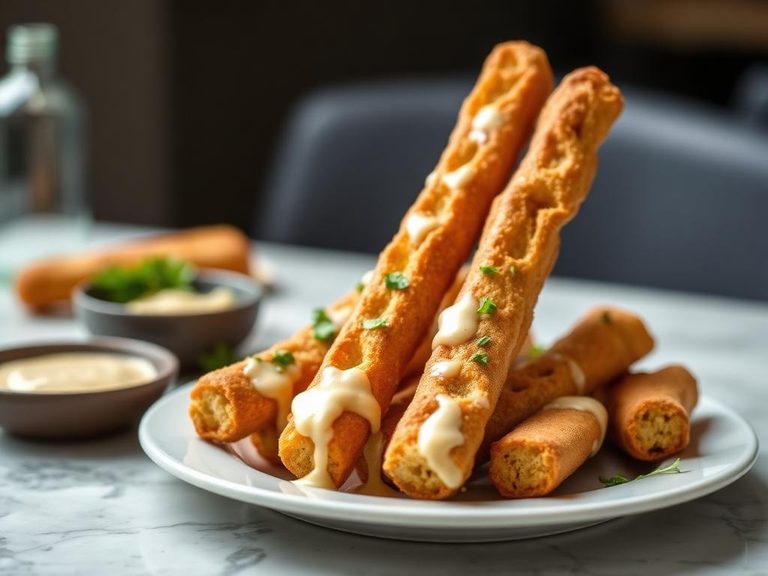
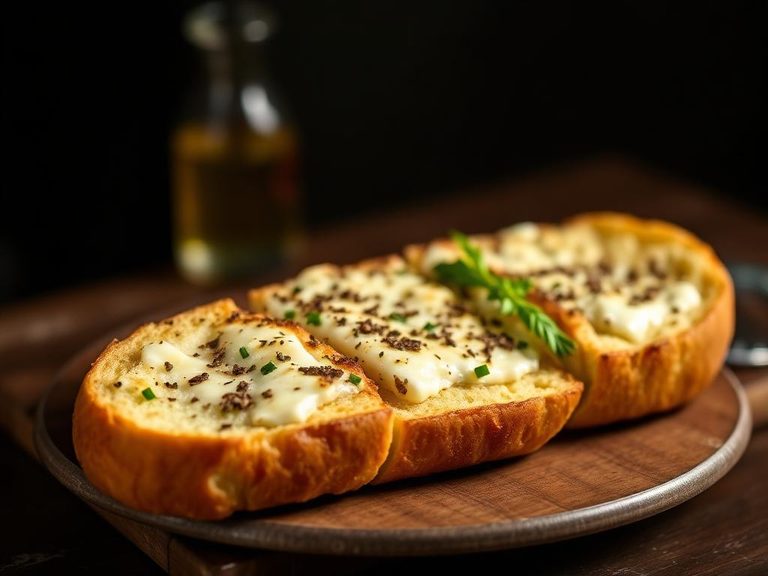
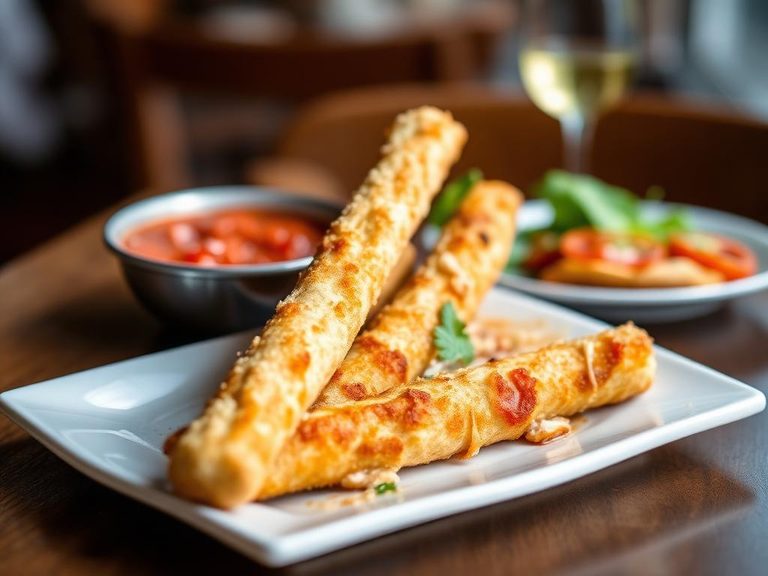
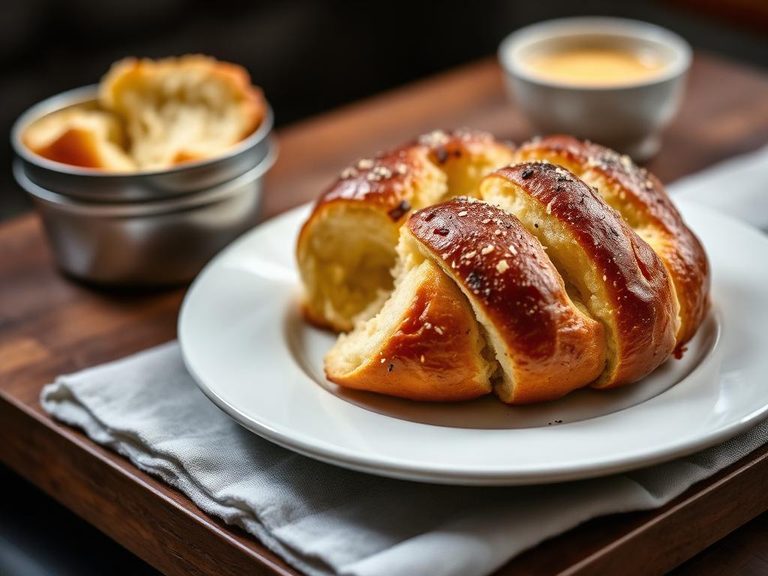
🌍 Where it's eaten
💡 Did you know?
The classic 'cheese pull' effect, where strands of melted cheese stretch impressively, is primarily due to the specific protein structure (casein) in low-moisture mozzarella, which is the most commonly used cheese for this purpose.
Full nutrition (USDA data · scales with serving)
| Water | 32.2 g |
| Energy | 333 kcal |
| Protein | 14.5 g |
| Total lipid (fat) | 14.4 g |
| Carbohydrate, by difference | 36.4 g |
| Fiber, total dietary | 1.9 g |
| Total Sugars | 1.3 g |
| Calcium, Ca | 208 mg |
| Iron, Fe | 3.8 mg |
| Magnesium, Mg | 23.0 mg |
| Phosphorus, P | 209 mg |
| Potassium, K | 129 mg |
| Sodium, Na | 632 mg |
| Zinc, Zn | 1.5 mg |
| Copper, Cu | 0.09 mg |
| Selenium, Se | 22.9 ug |
| Vitamin C, total ascorbic acid | 0.00 mg |
| Thiamin | 0.40 mg |
| Riboflavin | 0.52 mg |
| Niacin | 5.7 mg |
| Vitamin B-6 | 0.10 mg |
| Folate, total | 122 ug |
| Folic acid | 98.0 ug |
| Folate, food | 24.0 ug |
| Folate, DFE | 191 ug |
| Choline, total | 8.6 mg |
| Vitamin B-12 | 0.42 ug |
| Vitamin B-12, added | 0.00 ug |
| Vitamin A, RAE | 60.0 ug |
| Retinol | 59.0 ug |
| Carotene, beta | 6.0 ug |
| Carotene, alpha | 0.00 ug |
| Cryptoxanthin, beta | 0.00 ug |
| Lycopene | 0.00 ug |
| Lutein + zeaxanthin | 8.0 ug |
| Vitamin E (alpha-tocopherol) | 0.80 mg |
| Vitamin E, added | 0.00 mg |
| Vitamin D (D2 + D3) | 0.10 ug |
| Vitamin K (phylloquinone) | 17.1 ug |
| Alcohol, ethyl | 0.00 g |
| Caffeine | 0.00 mg |
| Theobromine | 0.00 mg |
Fat & fatty acid profile (per 100g)
| Fatty acids, total saturated | 4.7 g |
| SFA 4:0 | 0.11 g |
| SFA 6:0 | 0.09 g |
| SFA 8:0 | 0.06 g |
| SFA 10:0 | 0.14 g |
| SFA 12:0 | 0.17 g |
| SFA 14:0 | 0.55 g |
| SFA 16:0 | 2.5 g |
| SFA 18:0 | 0.93 g |
| Fatty acids, total monounsaturated | 3.1 g |
| MUFA 16:1 | 0.12 g |
| MUFA 18:1 | 3.0 g |
| MUFA 20:1 | 0.05 g |
| MUFA 22:1 | 0.00 g |
| Fatty acids, total polyunsaturated | 5.1 g |
| PUFA 18:2 | 4.5 g |
| PUFA 18:3 | 0.59 g |
| PUFA 18:4 | 0.00 g |
| PUFA 20:4 | 0.01 g |
| PUFA 20:5 n-3 (EPA) | 0.00 g |
| PUFA 22:5 n-3 (DPA) | 0.00 g |
| PUFA 22:6 n-3 (DHA) | 0.00 g |
| Cholesterol | 19.0 mg |
FAQ
Are these the same as Italian grissini?
No. Grissini are typically thin, dry, and crunchy breadsticks, whereas these are soft, baked, and topped with melted cheese, making them a distinct, richer product.
Can I freeze leftover cheesy breadsticks?
Yes, they freeze well. Wrap them individually in plastic wrap and foil, then reheat in an oven or toaster oven to best preserve the texture of the bread and cheese.
What's the best cheese to use for homemade versions?
Low-moisture mozzarella is the top choice for its meltability and classic flavor. Provolone, Monterey Jack, or a blend of Italian cheeses also work excellently.
Nutrient density (calculated · NRF9.3)
Nutrient Rich Foods index: beneficial nutrients (protein, fiber, vitamins, minerals) minus saturated fat, added sugar & sodium, per 100 kcal.
NRF9.3 index — Fulgoni, Keast & Drewnowski, 2009. Computed from USDA nutrients.
Weight-loss friendliness (composite index)
Energy density 3.33 kcal/g · 17% calories from protein · 1.9 g fiber · 1.3 g sugar per 100 g.
Composite of energy density (Rolls et al., 1999), protein & fiber satiety, minus sugar. A calculated heuristic — ranks satiety-per-calorie, not a clinical measure.
Dietary load (calculated from USDA values)
Potential renal acid load. Positive = acid-forming, negative = alkaline-forming.
Sodium-to-potassium ratio: 4.90 (lower is better — aim for ≤ 1)
Sodium:potassium per WHO potassium guidance. Computed from USDA nutrients.