

Breadsticks, soft, with parmesan cheese, fast food / restaurant
Common food

Photo: Wikipedia
These are soft, pillowy breadsticks, often brushed with butter or oil and generously coated with savory Parmesan cheese, offering a comforting, chewy texture with a salty, umami-rich crust. Nutritionally, they are a dense source of energy, primarily from refined carbohydrates, with a notable protein boost from the cheese.
Calorie split: 15% protein · 51% carbs · 34% fat
↓ Full nutrition💚 Why it's loved
People love them for their addictive combination of soft, warm dough and the salty, savory punch of melted Parmesan, making them a universally appealing comfort food. They are also incredibly versatile, serving as a perfect companion to soups, salads, or pasta dishes.
⚠️ Watch-outs & how to enjoy it better
The refined carbohydrates can cause rapid blood-sugar spikes, and the cheese and dough often contribute significant sodium. Those watching sodium intake or managing blood sugar should practice portion control and pair them with a source of fiber and protein, like a side salad or vegetable soup, to slow digestion.
Key benefits
- Provides quick energy from carbohydrates
- Offers a good source of protein from Parmesan cheese
- Contains calcium for bone health
- Convenient and portable side dish
🍽️ Popular dishes
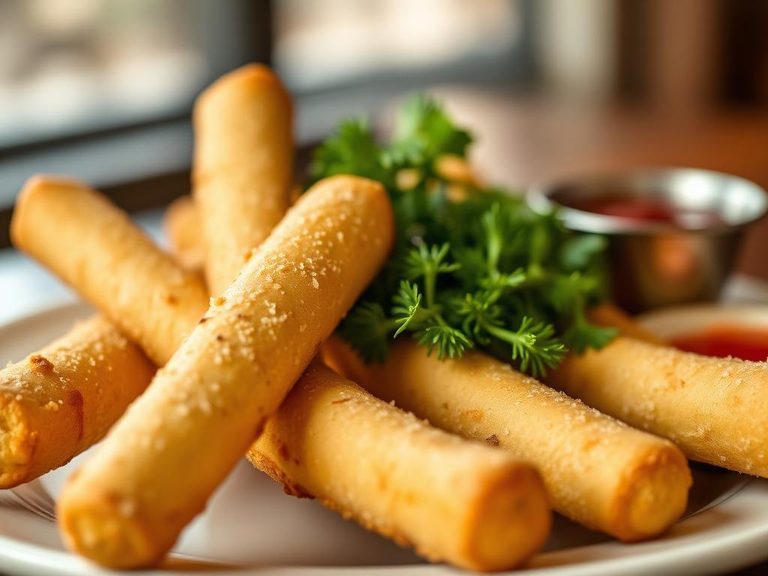

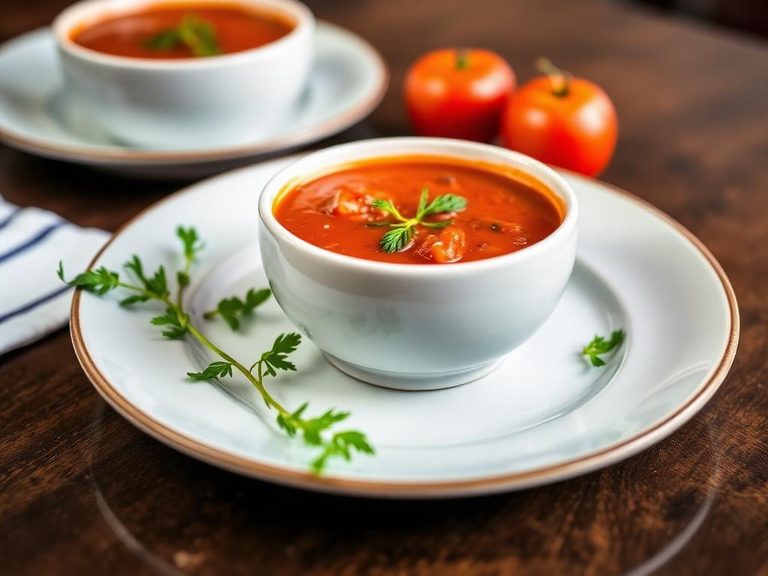

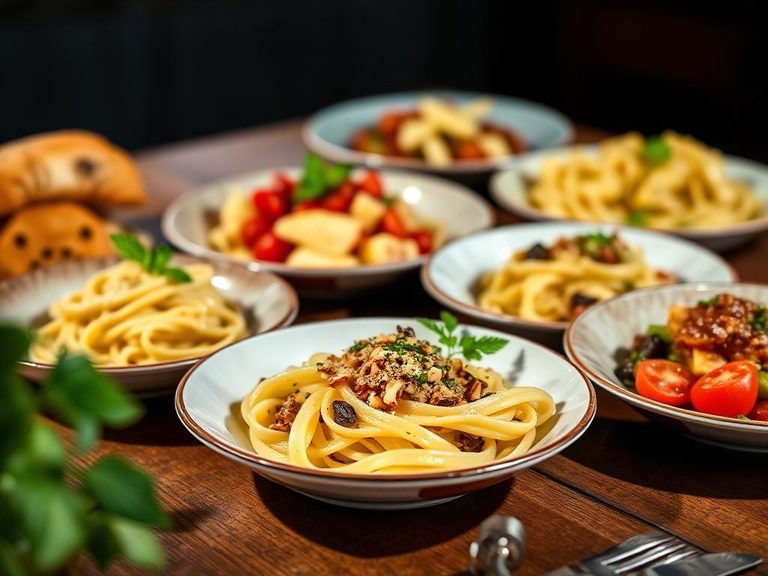

🌍 Where it's eaten
💡 Did you know?
The iconic breadsticks from the restaurant chain Olive Garden are so popular that the company reportedly goes through over 300 million of them annually.
Full nutrition (USDA data · scales with serving)
| Water | 28.2 g |
| Energy | 344 kcal |
| Protein | 12.5 g |
| Total lipid (fat) | 13.2 g |
| Carbohydrate, by difference | 43.8 g |
| Fiber, total dietary | 2.3 g |
| Total Sugars | 1.1 g |
| Calcium, Ca | 103 mg |
| Iron, Fe | 4.6 mg |
| Magnesium, Mg | 22.0 mg |
| Phosphorus, P | 139 mg |
| Potassium, K | 133 mg |
| Sodium, Na | 637 mg |
| Zinc, Zn | 1.1 mg |
| Copper, Cu | 0.10 mg |
| Selenium, Se | 22.2 ug |
| Vitamin C, total ascorbic acid | 0.00 mg |
| Thiamin | 0.48 mg |
| Riboflavin | 0.56 mg |
| Niacin | 6.9 mg |
| Vitamin B-6 | 0.10 mg |
| Folate, total | 144 ug |
| Folic acid | 120 ug |
| Folate, food | 24.0 ug |
| Folate, DFE | 228 ug |
| Choline, total | 7.6 mg |
| Vitamin B-12 | 0.15 ug |
| Vitamin B-12, added | 0.00 ug |
| Vitamin A, RAE | 28.0 ug |
| Retinol | 27.0 ug |
| Carotene, beta | 7.0 ug |
| Carotene, alpha | 0.00 ug |
| Cryptoxanthin, beta | 0.00 ug |
| Lycopene | 0.00 ug |
| Lutein + zeaxanthin | 10.0 ug |
| Vitamin E (alpha-tocopherol) | 0.87 mg |
| Vitamin E, added | 0.00 mg |
| Vitamin D (D2 + D3) | 0.00 ug |
| Vitamin K (phylloquinone) | 20.7 ug |
| Alcohol, ethyl | 0.00 g |
| Caffeine | 0.00 mg |
| Theobromine | 0.00 mg |
Fat & fatty acid profile (per 100g)
| Fatty acids, total saturated | 3.2 g |
| SFA 4:0 | 0.05 g |
| SFA 6:0 | 0.04 g |
| SFA 8:0 | 0.02 g |
| SFA 10:0 | 0.05 g |
| SFA 12:0 | 0.07 g |
| SFA 14:0 | 0.26 g |
| SFA 16:0 | 1.9 g |
| SFA 18:0 | 0.70 g |
| Fatty acids, total monounsaturated | 2.8 g |
| MUFA 16:1 | 0.07 g |
| MUFA 18:1 | 2.7 g |
| MUFA 20:1 | 0.05 g |
| MUFA 22:1 | 0.00 g |
| Fatty acids, total polyunsaturated | 6.1 g |
| PUFA 18:2 | 5.3 g |
| PUFA 18:3 | 0.71 g |
| PUFA 18:4 | 0.00 g |
| PUFA 20:4 | 0.01 g |
| PUFA 20:5 n-3 (EPA) | 0.00 g |
| PUFA 22:5 n-3 (DPA) | 0.00 g |
| PUFA 22:6 n-3 (DHA) | 0.00 g |
| Cholesterol | 9.0 mg |
FAQ
Are soft breadsticks with Parmesan cheese a good source of fiber?
No, they are typically low in fiber, with only about 2.3 grams per 100 grams, as they are made from refined white flour.
What is the main nutritional difference between soft breadsticks and crunchy grissini?
Soft breadsticks are higher in moisture and calories per piece, while crunchy grissini are drier, lower in calories, and often have a harder texture due to less water in the dough and longer baking.
Can I make a healthier version at home?
Yes, you can use whole-wheat flour for more fiber, reduce the amount of salt and butter, and use a lighter sprinkle of Parmesan or nutritional yeast for flavor.
Nutrient density (calculated · NRF9.3)
Nutrient Rich Foods index: beneficial nutrients (protein, fiber, vitamins, minerals) minus saturated fat, added sugar & sodium, per 100 kcal.
NRF9.3 index — Fulgoni, Keast & Drewnowski, 2009. Computed from USDA nutrients.
Weight-loss friendliness (composite index)
Energy density 3.44 kcal/g · 15% calories from protein · 2.3 g fiber · 1.1 g sugar per 100 g.
Composite of energy density (Rolls et al., 1999), protein & fiber satiety, minus sugar. A calculated heuristic — ranks satiety-per-calorie, not a clinical measure.
Dietary load (calculated from USDA values)
Potential renal acid load. Positive = acid-forming, negative = alkaline-forming.
Sodium-to-potassium ratio: 4.79 (lower is better — aim for ≤ 1)
Sodium:potassium per WHO potassium guidance. Computed from USDA nutrients.