

Bread, raisin, unenriched
Whole food · Baked Products

Photo: Wikipedia
Raisin bread is a soft, enriched loaf studded with sweet, chewy raisins that burst with concentrated grape flavor. The bread itself is typically tender and slightly sweet, with a comforting aroma of cinnamon and yeast. Nutritionally, it's a carb-dense food offering quick energy and a modest amount of fiber from the whole fruit.
Calorie split: 11% protein · 75% carbs · 14% fat
↓ Full nutrition💚 Why it's loved
People adore raisin bread for its comforting, nostalgic sweetness and the delightful textural contrast between the soft loaf and the juicy, chewy raisins. It's a beloved breakfast staple and a versatile base for both sweet and savory applications.
⚠️ Watch-outs & how to enjoy it better
The concentrated sugars from raisins can cause a rapid blood-sugar spike, making it a less ideal choice for those managing diabetes or insulin resistance. To mitigate this, pair a slice with a source of protein or fat like nut butter, Greek yogurt, or an egg to slow digestion and stabilize energy levels.
Key benefits
- Provides quick-release carbohydrates for energy
- Raisins add natural sweetness and dietary fiber
- Contains small amounts of iron and potassium from the fruit
- Offers a more flavorful alternative to plain bread
- Can be a palatable way to increase fruit intake
🍽️ Popular dishes
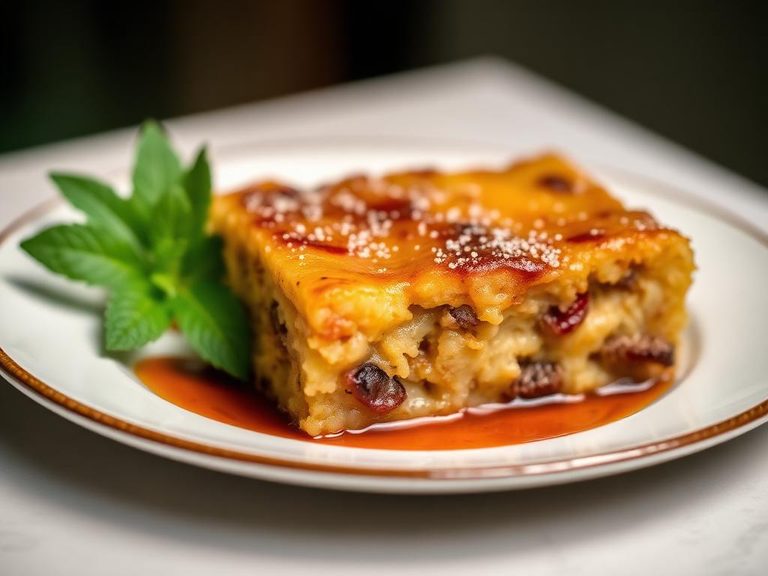
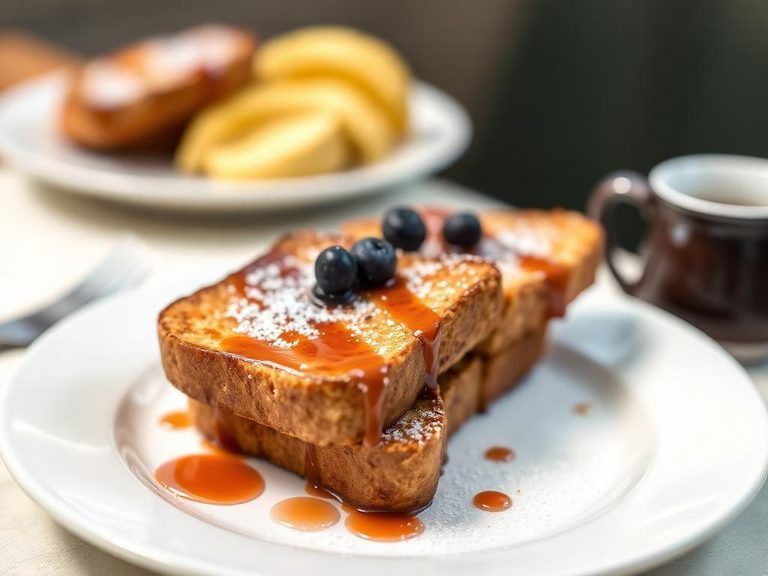


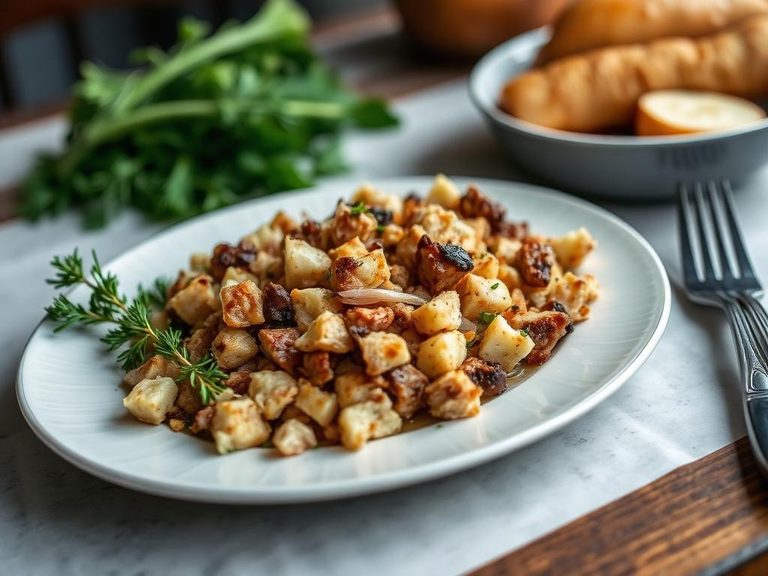
🌍 Where it's eaten
💡 Did you know?
The practice of adding raisins to bread is ancient, with evidence found in the tomb of the Egyptian Pharaoh Ramesses III, dating back to around 1180 BC.
Full nutrition (USDA data · scales with serving)
| Water | 33.6 g |
| Energy | 274 kcal |
| Energy | 1146 kj |
| Protein | 7.9 g |
| Total lipid (fat) | 4.4 g |
| Ash | 1.8 g |
| Carbohydrate, by difference | 52.3 g |
| Fiber, total dietary | 4.3 g |
| Calcium, Ca | 66.0 mg |
| Iron, Fe | 1.8 mg |
| Magnesium, Mg | 26.0 mg |
| Phosphorus, P | 109 mg |
| Potassium, K | 227 mg |
| Sodium, Na | 390 mg |
| Zinc, Zn | 0.72 mg |
| Copper, Cu | 0.20 mg |
| Manganese, Mn | 0.50 mg |
| Vitamin C, total ascorbic acid | 0.10 mg |
| Thiamin | 0.18 mg |
| Riboflavin | 0.17 mg |
| Niacin | 1.5 mg |
| Pantothenic acid | 0.39 mg |
| Vitamin B-6 | 0.07 mg |
| Folate, total | 34.0 ug |
| Folic acid | 0.00 ug |
| Folate, food | 34.0 ug |
| Folate, DFE | 34.0 ug |
| Vitamin B-12 | 0.00 ug |
| Vitamin A, RAE | 0.00 ug |
| Retinol | 0.00 ug |
| Vitamin A, IU | 0.00 iu |
Fat & fatty acid profile (per 100g)
| Fatty acids, total saturated | 1.1 g |
| SFA 12:0 | 0.00 g |
| SFA 14:0 | 0.02 g |
| SFA 16:0 | 0.58 g |
| SFA 18:0 | 0.48 g |
| Fatty acids, total monounsaturated | 2.3 g |
| MUFA 16:1 | 0.01 g |
| MUFA 18:1 | 2.3 g |
| Fatty acids, total polyunsaturated | 0.68 g |
| PUFA 18:2 | 0.64 g |
| PUFA 18:3 | 0.04 g |
| Cholesterol | 0.00 mg |
Amino acid profile (per 100g)
| Tryptophan | 0.08 g |
| Threonine | 0.22 g |
| Isoleucine | 0.29 g |
| Leucine | 0.52 g |
| Lysine | 0.20 g |
| Methionine | 0.13 g |
| Cystine | 0.15 g |
| Phenylalanine | 0.36 g |
| Tyrosine | 0.20 g |
| Valine | 0.33 g |
| Arginine | 0.36 g |
| Histidine | 0.17 g |
| Alanine | 0.27 g |
| Aspartic acid | 0.35 g |
| Glutamic acid | 2.4 g |
| Glycine | 0.27 g |
| Proline | 0.83 g |
| Serine | 0.36 g |
FAQ
Is raisin bread healthier than plain white bread?
It can be slightly more nutritious due to the added raisins, which provide fiber, iron, and potassium. However, many commercial versions are also higher in added sugars and calories. The key is to check the ingredient list for whole grains and minimal added sugars.
Can I use raisin bread for savory dishes?
Absolutely. Its subtle sweetness pairs wonderfully with savory flavors. It's excellent for making stuffing for chicken or turkey, can be cubed for a savory bread pudding with cheese and herbs, or used as the base for a gourmet grilled cheese with sharp cheddar.
How do I keep raisin bread from getting soggy when making French toast?
Use slightly stale, day-old bread if possible. When dipping, submerge each slice quickly—just enough to coat but not soak through. Cook on medium heat to ensure the custard sets without burning the exterior.
Nutrient density (calculated · NRF9.3)
Nutrient Rich Foods index: beneficial nutrients (protein, fiber, vitamins, minerals) minus saturated fat, added sugar & sodium, per 100 kcal.
NRF9.3 index — Fulgoni, Keast & Drewnowski, 2009. Computed from USDA nutrients.
Weight-loss friendliness (composite index)
Energy density 2.74 kcal/g · 12% calories from protein · 4.3 g fiber · 0.0 g sugar per 100 g.
Composite of energy density (Rolls et al., 1999), protein & fiber satiety, minus sugar. A calculated heuristic — ranks satiety-per-calorie, not a clinical measure.
Dietary load (calculated from USDA values)
Potential renal acid load. Positive = acid-forming, negative = alkaline-forming.
Sodium-to-potassium ratio: 1.72 (lower is better — aim for ≤ 1)
Sodium:potassium per WHO potassium guidance. Computed from USDA nutrients.